Paleo Leap

  • Recipes
    • Beef and Red Meat
    • Chicken and Poultry
    • Pork
    • Fish and Seafood
    • Eggs
    • Soups
    • Salads
    • Sides, Veggies and Appetizers
    • Sauces, Dips & Vinaigrettes
    • Drinks
    • Sweets and Snacks
    • Cooking Tips
  • Learn
  • Your Starting Point
    • Topic Index
    • Paleo 101
    • Paleo Meal Plan
    • Paleo Food List
    • Transitioning to Paleo
    • Am I Doing it Right? - Checklist
    • Mini-Course for Beginners
  • Popular Topics
    • Recipes for Beginners
    • Breakfast Ideas
    • Homemade Condiments
    • Legumes
    • Wheat & Gluten
    • Dairy
    • Nightshades
  • More
    • Compilations
    • Foods
menu icon
go to homepage
  • Recipes
  • Chicken
  • Pork
  • Snacks
  • Salads
  • Learn Paleo
  • Paleo Cooking Tips
  • Paleo Diet Foods
  • Paleo Recipe Compilations
  • Keto Diet Recipes
  • Paleo Beef and Red Meat Recipes
  • Paleo Drink Recipes
  • Paleo Egg Recipes
  • Paleo Fish and Seafood Recipes
  • Paleo Sauces and Dips
  • Paleo Sides, Veggies and Appetizers
  • Paleo Soup Recipes
  • Paleo Tips & Tricks
  • Paleo Topic Index
    • Facebook
    • Instagram
    • Pinterest
    • Twitter
    • YouTube
  • search icon
    Homepage link
    • Recipes
    • Chicken
    • Pork
    • Snacks
    • Salads
    • Learn Paleo
    • Paleo Cooking Tips
    • Paleo Diet Foods
    • Paleo Recipe Compilations
    • Keto Diet Recipes
    • Paleo Beef and Red Meat Recipes
    • Paleo Drink Recipes
    • Paleo Egg Recipes
    • Paleo Fish and Seafood Recipes
    • Paleo Sauces and Dips
    • Paleo Sides, Veggies and Appetizers
    • Paleo Soup Recipes
    • Paleo Tips & Tricks
    • Paleo Topic Index
    • Facebook
    • Instagram
    • Pinterest
    • Twitter
    • YouTube
  • ×
    Home » You searched for grilled salmon

    Search Results for: grilled salmon

    8 Recipes to Make Ahead for Breakfast on the Run

    September 7, 2014 by Paleo Leaper Leave a Comment

    Wouldn’t it be so nice if we all had the leisure time to cook a three-course breakfast every morning and then linger in some idyllic breakfast nook to savor it? Well, probably, but that’s not how the real world works most of the time: barring weekends and holidays, breakfast is usually a bit more of a rush.

    The grain-based answer to this is typically granola bars, cold cereal, or freezer waffles, which leaves many people wondering what on earth they’re supposed to do when they go Paleo.

    But here’s the good news: you don’t have to cook every morning – or any morning, if you don’t want to! Instead, the trick is to make a big batch of something on the weekend, and then slowly eat your way through it all week. So here are some make-ahead breakfasts that aren’t too hard to put together, taste good hot or cold, and give you the energy you need to make it through the morning!

    1. Frittatas (and other baked egg dishes)

    Eggs are a perfect source of healthy fat and protein, not to mention all kinds of micronutrients – and with a frittata, you’ve got your vegetables conveniently included in one finger-friendly package. Bake up a frittata or two on the weekend and store them in the fridge: they’ll keep all week, and you can just carve off a slice for breakfast every day. Some recipes to get the oven fired up:

    • Zucchini and Sweet Potato Frittata (Paleo Leap)
    • Prosciutto-Wrapped Mini Frittata Muffins (Nom Nom Paleo)
    • Zucchini Pizza Frittata (Almost Bananas)
    • Bacon and Jalapeno Frittata (Paleo Network)
    • Chicken Bacon Ranch Frittata (The Freckled Foodie)
    • Easy Spicy Salmon Frittata (Grass-Fed Girl)

    Hint: you could make any of these into frittata mini-muffins just by baking them in a muffin tin instead of a big skillet.

     2. Meatballs

    Meatballs are a great breakfast food: they’re portable, easy to eat, good hot or cold, and endlessly versatile so you don’t get bored. Here’s a recipe for meatballs in tomato sauce, but if the typical beef, tomato, and oregano-style meatballs sound too heavy, why not try a lighter, more summery version with ground chicken or turkey, maybe with some coconut milk, fresh herbs, or green onions? Some ideas:

    • Greek-Style Meatballs (Paleo Leap)
    • Seasoned Turkey Meatballs (Amazing Paleo)
    • Bacon, Blueberry, & Ginger Meatballs (Cook like a Cavewoman)
    • Simple Apple Meatballs (Live Healtheasy)
    • Tangy Turkey Meatballs (Silly Little Cavegirl)

    3. Hard-boiled Eggs

    Hard-boiled eggs might be the most dead-simple breakfast you could come up with. Boil a dozen at a time and grab 3 or 4 for breakfast every day with a piece of fruit or some leftover vegetables, or a cold baked sweet potato if you like a little more starch in the morning. Or if you have a bigger appetite, try Scotch eggs: hard-boiled eggs wrapped in a savory sausage coating. Some delicious variations:

    • Scotch Eggs (The Clothes Make the Girl)
    • Maple Breakfast Scotch Eggs (What Jessi Eats)
    • Asian Scotch Eggs (The Paleo Mama)
    • Sundried Turkey Scotch Eggs (Paleo in Practice)

    4. Breakfast Peppers

    paleo bagwithapple

    Stuffing anything inside a pepper makes it so much easier to haul around with you, and the pepper “shell” helps you get in a serving of vegetables, to boot! You could go with a classic stuffed pepper recipe and just eat it for breakfast, or scramble some eggs with fresh herbs and onions and pour them inside instead. Add a pinch of chili powder if you’re feeling spicy! Some other ideas:

    • Juicy Stuffed Peppers with Cinnamon Butternut Squash (Paleo Magazine)
    • Paleo Sausage and Apple Stuffed Breakfast Bell Peppers (What I Gather)

    5. Breakfast Meatloaf

    The classic meatloaf recipe involves a lot of heavy beef and ketchup, and there’s nothing wrong with that, but it’s not always what you want for breakfast. Instead, why not try one of these slightly lighter, more breakfast-oriented variations:

    • Keto Mini Cheeseburger Meatloaves (Paleo Leap; beef and bacon)
    • Bacon-wrapped mini-meatloaves (Paleo Leap; beef and bacon)
    • Slow-cooker breakfast meatloaf (Meatified; pork)
    • Turkey meatloaf (Primal Palate; turkey)
    • Summer Breakfast Meatloaf (PaleOMG; beef, pork, and bacon)

    6. Breakfast Carnitas

    Bacon is not your only option for starting the morning with a big plate of delicious fatty pork! Carnitas also hit that crispy sweet spot, and they’re great reheated. Some possibilities…

    • Smoky Pork Carnitas (Conscious Eatery; crock-pot recipe)
    • Crispy Carnitas (My Heart Beets; crock-pot and stovetop)
    • Crock-pot Chicken Carnitas (The Black Peppercorn)

    Just a tip: for recipes that call for pan-frying the meat after you take it out of the slow-cooker, this is a perfect opportunity to toss in some vegetables, too!

    7. Breakfast Casserole

    If you read “casserole” and your mind went straight to noodles and bread crumbs, it’s time to rethink. Casseroles can be perfectly healthy, and they’re great for baking in advance and then stashing in the fridge for quick meals later. Some ideas:

    • Primal Breakfast Casserole (Mark’s Daily Apple)
    • Paleo Sausage and Sweet Potato Casserole (Plaid and Paleo)

    8. Chicken Drumsticks

    You won't see them on the menu at IHOP, but chicken drumsticks are actually perfect for breakfast. They’re good hot or cold, they’re easy to grab and eat, and you can do almost anything with them in terms of flavor. Why not try…

    • Thyme, Honey, and Dijon Glazed Chicken Drumsticks (My Little Jar of Spices)
    • Slow Cooker Lemongras and Coconut Chicken Drumsticks (Nom Nom Paleo)
    • Simple Grilled Chicken Drumsticks (The Domestic Man)

    Just make sure to pack a napkin or two if you’re going for anything in a sticky sauce.

    What Else?

    What’s your favorite cook-ahead breakfast? Share it on Facebook or Google+!
    Filed Under: Learn About Paleo & Keto Diets

    Pescetarian Paleo

    July 15, 2014 by Paleo Leaper Leave a Comment

    So, you’re not so thrilled about the whole “red meat” deal but still want to give Paleo a try? Great! Paleo doesn’t have to be about wrapping your steak in bacon; it’s perfectly possible to do Paleo as a pescetarian: someone who eats fish, eggs, and optionally dairy, but not red meat, pork, or poultry. Whether you’re pescetarian for environmental, religious, or personal reasons, it’s absolutely possible to construct a very healthy Paleo diet without any red meat.

    The Good

    In fact, a pescetarian Paleo diet has a lot of advantages. First of all, it’s a lot better than a strict vegetarian (eggs and dairy, but no meat at all) diet. It’s possible to go Paleo as a strict vegetarian, but that many eggs all the time get boring! A pescetarian diet makes it easier to get all the nutrients you need without feeling like you’re eating omelets for breakfast, lunch, and dinner.

    If you’re doing Paleo as a pescetarian, you’re also avoiding a lot of the pitfalls that plague Paleo beginners:

    • No risk of iodine deficiency. Since seafood is so rich in iodine, you won’t lack for it even if you switch out your salt to non-iodized sea salt.
    • Excellent Omega-3 levels. If fish is your primary protein source, your Omega-3 intake will be almost automatically dialed in.
    • Lots of Vitamin D. Vitamin D is important for everything from weight loss to fertility, and most of us don’t get nearly enough of it, since we’re stuck inside all day and rarely get out in the sun. Some of the only food sources are fatty cold-water fish like salmon and sardines: if you’re eating a pescetarian Paleo diet, your dietary Vitamin D consumption is probably a lot higher than average. That doesn’t mean you shouldn’t go outside, but it definitely helps.

    The (potentially) Bad

    As amazing as seafood is, though the pescetarian Paleo life still deserves a few caveats. None of these are reasons not to try it; they’re just pitfalls to watch out for, so you can prevent them before they happen.

    Boredom

    A pescetarian Paleo diet doesn’t have to be boring any more than any other variation of Paleo. But the more restrictions you take on, the easier it is to start feeling bored and irritated by all the things you “aren’t allowed” to eat. To avoid feeling bored, make an effort from the beginning to try new recipes. Don’t just eat salmon fillets every single day. There’s a huge variety of seafood out there; experiment with crab, lobster, shrimp, tilapia, sardines, mackerel, tuna, octopus (calamari, anyone?), and oysters. Or try different ways of preparing your fish – raw in sashimi vs. pan-fried vs. grilled.

    If you can tolerate dairy, it also helps a lot to add in yogurt or cheese as a supplemental source of fat and protein. If you eat eggs for breakfast, a big salad with nuts and cheese for lunch, and fish for dinner, you won’t have to repeat the same protein source twice in one day.

    Nutrients in red meat

    Far from the nutritional devil it’s made out to be, red meat is actually extremely nutritious. You can get almost all of its advantages from seafood, but there are just a few things you might be missing:

    • Conjugated linoleic acid: this is a special type of saturated fat found in grass-fed (only grass-fed: there’s almost none in grain-fed) meat. CLA is particularly interesting from a Paleo perspective because it has interesting potential benefits for weight loss. As a pescetarian, you could get CLA from pastured butter or pastured egg yolks (although again: these must be from animals that lived happy lives outside).
    • Vitamin K2: also found mostly in grass-fed meat and animal products. Pastured egg yolks are an easy workaround for this too though.
    • Saturated fat: yes, this is a nutrient! But you can easily get it from eggs, butter, or coconut oil; you don't need meat.

    Essentially, as long as you’re also eating yolks from pastured eggs every day, you’ll be all set for your nutrient needs. The only reason you’d need a supplement would be if you couldn’t eat eggs, or if you couldn’t get truly pastured eggs for some reason.

    Protein overdose

    Yes, there is such a thing! Protein should never make up more than 30% or so of your daily calories; your body can’t actually metabolize any more than that, so it’s just wasted money spent on nutrition you aren’t actually absorbing. And it can also make you feel really lousy, because your body is starving for calories but not actually getting them (this is also called “rabbit starvation” if you want to look it up).

    Protein overload can happen to anyone, but pescetarians are particularly prone to it because many species of fish are so lean. If you look at the Nutrition Facts on a can of tuna, you’ll see that it’s almost entirely protein, with just a tiny amount of fat in the mix. The same goes for a lot of other fish, especially white fish (tilapia, swai, whitefish…) and bivalves like mussels and oysters. If you’re eating exclusively fish, it’s easy to get a lot of protein very fast, without enough fat to go with it.

    Some warning signs that this may be affecting your health are:

    • You feel constantly hungry even after eating large amounts of food (your body is starving for fat and/or carbs).
    • You’re craving something but feel turned off or even nauseated by everything you try to eat. Nothing looks good…but you’re still hungry!
    • You’re losing weight extremely fast, your hair is falling out, and you feel weak or shaky.
    • You have no energy.

    To fix this problem, just focus on adding more fat and starch to your meals. You can do this in any number of ways:

    • Add avocados, nuts, or other plant fats.
    • Cook with generous amounts of butter, coconut oil, olive oil, or other healthy cooking fats.
    • Make curries with coconut milk (or full-fat dairy, if you tolerate dairy).
    • Use fatty sauces and dressings, like pesto and mayonnaise.
    • Eat more safe starches. There’s nothing wrong with carbs!

    Summing it Up

    There are a few downsides to going Paleo as a pescetarian, but there’s really not a lot of bad, and all the potential problems are completely fixable with some smart nutritional planning.

    It’s worth mentioning that if you’re pescetarian for nutritional reasons, it might be worth revisiting those arguments from a Paleo perspective: red meat isn’t actually a nutritional demon any more than whole grains are an angel. Including other animal products in a Paleo diet can make it more interesting and nutritionally varied. Even if your reasons revolve around ethics, it might be worth a look at the difference between truly grass-fed meat and factory-farmed products to see if you can add the former to your diet in good conscience.

    On the other hand, though, nobody’s saying you have to give up pescetarianism to go Paleo: you absolutely don’t! Especially if you tolerate dairy, but even if you don’t, there’s nothing wrong with eating a Paleo diet based mainly on fish and eggs. Enjoy some tasty Pad Thai or tuna burgers, and just make sure you’re getting plenty of egg yolks for the healthy fats and important nutrients.

    Filed Under: Learn About Paleo & Keto Diets

    17 Ways to Use Your Leftovers

    August 30, 2013 by Paleo Leaper Leave a Comment

    For aspiring Paleo chefs, one big way to keep the cost of dinner down is to use all your leftovers, but reheating the same food again and again can get unappetizing pretty quickly, and it’s all too common to see a forest of Tupperware multiplying in the fridge, each half-full of a different leftover vegetable and none of them looking particularly appetizing. This is especially true for people who live alone and try to save money by cooking in bulk, only to realize that they don’t actually want to eat the same pork shoulder for five dinners in a row. Many people just end up throwing them all out in despair, which is a waste of good food and also good money!

    refrigerator

    To help save you from this trap, here are 17 quick and easy tips to save your leftovers from the trash can in easy, family-friendly, and appetizing ways.

    Freezer meals

    This is such a convenient way to use your leftovers that you might find yourself cooking extra on purpose so you can take advantage of it. If you have enough leftovers for an entire meal (or several) but don’t want to eat the same thing two days in a row, just freeze a meal-sized serving of everything in a separate container to take out later when you’re in a rush. It’s like a Paleo freezer dinner! You can also do this just with the meat portion of a meal, if you’ll have time to quickly throw together a salad but not enough time to cook the meat.

    For homemade condiments, this is also a useful way of preserving a large batch you made for a recipe but never used up. Freeze extra ketchup, mustard, or mayonnaise in an ice cube tray, so when you want some more, you can just pop out and defrost as many cubes as you need.

    Soup or broth

    Soup is one of the most incredibly versatile options in any chef’s recipe book, and it can take just about any kind of leftovers you like. Some ideas:

    • Leftover vegetables: just toss them all in, with or without meat. There are very few vegetables that don’t go well in soup (lettuce might not be the best choice), but it’s very hard to go wrong here. Another alternative is to puree harder vegetables (like squash or broccoli) for a creamier, richer soup on a cold winter afternoon.
    • Leftover bones: perfect for making a delicious and nourishing bone broth. Chicken carcasses are just the right size for a pot of broth, but also use the leftover bones from ribs, drumsticks, or any other bone-in meat.
    • Leftover meat: Save it in a separate container, and add it to a pot of soup at the very end of cooking to warm it up – if you cook it twice, it will get tough and unappetizing.

    Stuffed peppers

    Throw your leftover meat and vegetables inside a big bell pepper for an attractive fresh take on last night’s dinner. If you’re serving a crowd, get several different colors: peppers come in red, green, yellow, white, and even purple, so you can put together a whole rainbow on the table. They’re easy, too: just spoon in the filling, balance the peppers on a baking sheet, and bake in the oven until the flesh of the peppers is soft and the filling is warm all the way through. Some ideas:

    • Thanksgiving peppers: leftover turkey, cauliflower “mashed potatoes,” and cranberry sauce to surprise your family with a new twist on holiday leftovers.
    • Stuffed peppers, Italian-style: ground beef seasoned with basil and oregano, with tomato sauce and any leftover vegetables.
    • Hawaiian pizza pepper: the rest of your chicken pineapple stir-fry, stuffed into a pepper – add ham or tomato sauce if you like.
    • Breakfast in a pepper: your favorite pork or chicken sausage, with any leftover sweet potato or butternut squash.
    • Ham “sandwich:” Leftover ham (or Dijon pork roast) with any vegetables you have; top with a smear of mustard when you pull it out of the oven.

    Omelets or Frittatas

    If you only have a little bit of something, an easy way to use it up is to just throw it into an egg dish. Get creative here: below are just a few ideas for how to transform some lunch or dinner leftovers into a mouthwatering omelet the next morning:

    • Leftover meat from bulgogi: try an Asian-inspired omelet with the meat, some ginger, red pepper flakes, and green onions.
    • Leftover lamb cutlets: slice the meat very thin, and add some olives and extra thyme if you have those left over as well.
    • Leftover chicken masala or chicken curry: Southeast Asian flavors are perfect with eggs, especially if you beat the eggs for the omelet with a little leftover sauce.
    • Leftover cream of tomato soup, pesto, or salsa verde: beat it into the eggs before you cook them, and add whatever vegetables you like.

    Salad toppers

    Salads can stretch to accommodate almost any kind of addition, so don’t be shy about experimenting. Lettuce is traditional, but you could also use cucumbers or spinach as the base, and add whatever other vegetables you want to use up. Throw in some olive oil and vinegar, and call it lunch! This is the perfect “five-minute meal” for those busy days when you don’t have time to cook anything, and it’s so endlessly variable that it’s hard to get bored.

    Stir-Fries

    Stir-fries are the king of leftovers because they’re so incredibly easy. They’re traditionally Asian dishes, but can adapt just as well to almost anything. This post gives you some quick and easy recipes; just remember that if your meat is already cooked, you don’t want to cook it again. Just cook the vegetables and then add the meat at the end to warm up. Also take a look at the ideas below for some examples of how you could transform dinner into stir-fry at the drop of a hat:

    • Jerk Chicken: Caribbean-style stir-fry with peppers and onions. Add some pineapple if you have some, and serve with fried plantains.
    • Lemon chicken kebabs: Fry with sugar snap peas, thinly sliced carrots, and whatever else you have to hand, plus an extra squeeze of lemon juice.
    • Pork chops: Fry with onions and as many leafy green vegetables as you can cram into the pan – add in any extra sauce from the recipe for flavor.

    Meatloaf

    Most famous for hiding liver, meatloaf can be used to disguise almost anything you feel like putting into it. Vast amounts of spinach or other green leafy vegetables will disappear into a meatloaf as though they never existed (this is also perfect for getting picky eaters to finish their vegetables). Leftover roast vegetables of any kind will only add to the dish, and many sauces will add a surprisingly delicious twist – try some BBQ sauce in your meatloaf if you’re getting a little bored of the same old recipe.

    The traditional meatloaf is made with beef and pork, but don’t be shy about experimenting with turkey or chicken meatloaf if that’s what you have. The taste will be a little different, but you might just find yourself discovering a new family favorite.

    Salsa

    Have you ever bought a bunch of parsley, basil, or other herbs for a recipe, and then been stuck with most of the bunch still sitting in your fridge the next day, threatening to go bad? Chop up a quick batch of salsa to give this problem a delicious and useful solution. Salsa is endlessly flexible; you can make it hearty with avocados, fruity with pineapple, or lighter with citrus. Then eat it plain as a snack, or top a simple grilled meat dish with it for an elegant, colorful dinner centerpiece.

    Spaghetti squash pasta

    Spaghetti squash “pasta” tossed with olive oil makes a blank slate that you can dress up with any leftover cooked meat and vegetables You can find the recipe for cooking the squash here if you’re not already familiar with this delicious substitute for unhealthy wheat noodles. Sure, it’s easy to add any vegetables you like to a basic marinara sauce, but there’s no need to stop there. Some recipes that lend themselves perfectly to tossing with pasta include:

    • Spiced duck breast: this recipe has both meat and vegetables, so if you save a little of each, you’ll have a colorful and rich-flavored “pasta” recipe the next day for lunch.
    • Mussels in white wine sauce: pasta with seafood is a classic; make it even better by saving a little of the sauce to drizzle over the finished product (if you’re out of sauce, you can just use butter).
    • Roasted bell peppers with any meat you have handy: spaghetti squash can be a little bland on its own, but these peppers give it a very pleasant tang.
    • Ratatouille: give your “pasta” side some color with this vibrant and full-bodied stew tossed in.

    Chili

    Chili is essentially a thicker, heartier version of soup; it’s usually made with beans but doesn’t have to be. The main difference between chili and soup is all in the spices – the heart of any chili is the deep heat of peppers permeating the meat. Any kind of leftover beef is perfect for making a hearty Paleo chili – just add some tomatoes or cans of tomato paste, peppers, onions, and seasonings, and heat it all up. Some chili recipes also call for turkey or chicken, if that’s what you have.

    Of course, you can get more complicated than that if you like, and don’t be afraid to throw in whatever other vegetables you have to hand. Some adventurous cooks play around with ingredients as far out as pumpkin, shrimp, goat cheese, and eggplant in their chili, so do a quick search for whatever your ingredient is and you might be pleasantly surprised to find a recipe already waiting for you.

    Loaded Baked Potatoes

    Despite the entire article dedicated to explaining why white potatoes are nothing to fear, they’re still a controversial food, so if you’d rather use sweet potatoes for this recipe, they’ll do just as well. But there’s absolutely no reason to shun either type of potato from your diet, and they make a perfect vehicle for dressing up leftovers with this quick tip.

    Making loaded baked potatoes is simple – just bake the potatoes, then scoop out the flesh, mix it with whatever fillings you’re using, and pop the potatoes back into the oven until everything is warm. Some ideas to get you started:

    • Any meat seasoned with BBQ sauce would make for delicious Southwest-style sweet potatoes. Add Jalapeno peppers if you like it spicy.
    • Another Thanksgiving leftover trick is turkey and cranberry sauce inside a baked potato.
    • For a Polish twist, stuff your potatoes with bigos, and top them with more sauerkraut when you’re done.
    • Vegetable-stuffed potatoes or sweet potatoes without any meat at all make an interesting side dish for your next main meal.
    • Greek baked potatoes with tuna (or lamb) and olives would probably work best with white potatoes.

    Meatballs

    Got just a few bites of vegetables hanging around in the door of your fridge? Blend them up, and toss them into a batch of meatballs for a little extra nutrition. A few extra vitamins never hurt anyone’s meal, and like meatloaf, this is a fantastic vehicle for hiding vegetables in case you need to.

    If you like, you can also add the extra ingredient to change the flavor of the meatballs on purpose. Try adding leftover mayonnaise to turkey meatballs for a fantastic creamy flavor, or make beef or pork even richer with extra tomato sauce. Or use spicy chili or curry sauce to dress up the meatballs with some extra flavor.

    Appetizers

    Not all of us have a need for appetizers on a regular basis, but if you do, try transforming your leftovers into a quick and simple first course. The point of an appetizer is to look pretty and taste good, but not be filling, so you don’t need a lot of food. Some suggestions:

    • Spinach leaf mini-wraps with one slice of red pepper and one thin sliver of leftover steak inside each.
    • Your favorite Paleo-friendly crackers (or thinly-sliced cucumbers), topped with homemade mayo and a bite of leftover salmon or tuna.
    • Toothpick “skewers” with a cube of leftover chicken sandwiched between two olives.

    Deviled Eggs

    Dressed eggs, or deviled eggs, are as simple or as complicated as you want them to be. Since you only need a little of each ingredient, they’re perfect for that last little bit of food that won’t even make one serving. These BLT dressed eggs are one idea, but why stop there? What about using salad shrimp? Or spicy Cajun dressed eggs? Thai dressed eggs with coconut milk and leftover curry sauce? The possibilities are endless, and the results make for easy and popular snacks and appetizers anytime.

    Cottage Pie

    Cottage pie began as a way to use leftover meat, so using it this way is really just a return to tradition. This recipe gives you instructions for a cottage pie with lamb and sweet potatoes, but you can plug pretty much anything into the basic template of meat and spices covered with a crispy crust. You don’t even have to use potatoes – a puree of cauliflower, turnips, or another root vegetable would also be delicious. Some ideas to get the creative gears turning:

    • Got extra eggplant cannelloni? Try an Italian-style filling, maybe with a cauliflower crust.
    • Any kind of basic chicken and vegetable recipe (like this braised chicken with fennel) provides a perfect filling.
    • A pork roast is also easy to work in, and delicious with just about any crust you care to spread over it.

    Paleo Pizza

    While re-creating your old favorite foods with Paleo ingredients isn’t always the best strategy for long-term success, sometimes a pizza is just what you want for dinner, and the toppings provide endless opportunities to make use of the odds and ends hanging around the fridge. This recipe gives you the crust; after that, it’s up to you to add any toppings that sound good to you. Look past the pepperoni and try something new – maybe a Greek-themed pizza with lamb and olives, or a BBQ pizza with leftover ribs and fried onions.

    Curry

    If you have any relatively plain meat, you can make a quick curry by sautéing some vegetables, adding coconut milk and spices, and heating it all up, and then tossing in the leftover meat at the end. This won’t work with any kind of meat, but if the seasoning already there doesn’t clash with curry powder, this simple trick can give last a pork shoulder or a chuck roast some new life.

    For a double whammy, serve the curry over a “bed” of other vegetable leftovers (broccoli or cauliflower would be perfect for this). The spicy sauce will make the vegetables more interesting and help cover up any dry texture that may have developed from sitting in the fridge.

    Conclusion

    As you can see, there are almost infinite ways to use those leftovers, including any extra sauce you poured over the main event. So instead of just throwing them away or pouring them down the sink, see how you can use the extras to add something special to another meal further down the line. It doesn’t just save money and help keep your fridge cleaner; it might also help you discover a new favorite recipe that you never would have considered!

    Filed Under: Learn About Paleo & Keto Diets

    Paleo Diet Success Stories

    We've surveyed the people who have subscribed to our newsletter to ask them about their success story with a Paleo diet. We received great answers and will post a few of them here. We would like to thank everybody who were kind enough to share their experience to help inspire others.Understanding the science behind the diet is one thing, but hearing about real-life people who've achieved success with dietary and lifestyle modifications is often much more motivating.

    Here are the questions We've asked:

    • How did you hear about Paleo?
    • For how long have you been following the diet?
    • What were the biggest challenges in switching to and following the diet?
    • What changes/progress did you experience as a result of following the diet? How long before you started seeing those changes?
    • What does your version of the diet looks like? What do you eat on an average day?

    Keep in mind that these stories reflect specific points in time. As the stories are read into the future, the people associated with them will probably have been on the diet for much longer.

    If you have a story that you'd like to share with the rest of the Paleo community, feel free to contact us and let us know about it.

    Success story from Cindy

    How did you hear about Paleo?

    I heard about Paleo through the Crossfit Gym. I had just joined Crossfit on October 1st and on October 24th they held a Paleo challenge. We were to eat Paleo for one month, tracking all our meals and workouts and turning them in weekly for points. Points were deducted for "cheat" meals or snacks. We all had a professional body fat test on the first day of the challenge.

    I am 5'9" and 52 years old and a size 12 most of my life--not fat, not thin. However, I had been fighting a significant and discouraging weight gain around my waist and thighs that happens a lot to women at this age. With the intense workouts at Crossfit I had dropped 7 pounds in 3 weeks even though my eating habits had not changed.

    However, the Paleo challenge has changed my entire approach to eating and even though the contest ended November 24th, (and I won), I can't quit eating Paleo.

    What changes/progress did you experience as a result of following the diet? How long before you started seeing those changes?

    First, I noticed within a week that I felt better and that my clothes were fitting better, particularly around my waist. When the trainer came back after four weeks, she was amazed at my progress. In four weeks of Paleo, I had lost 3.6% body fat and 2 ¼" around my waist. I'm seeing my youthful figure coming back. That is exciting!

    Second, throughout my entire adult life I have suffered noticeable hunger pangs and would get irritable and nauseous if I didn't eat meals on time. I also had blood sugar lows that made me feel lethargic and sometimes it would drop so low I had to take a short nap. No more. Eating Paleo I found I can even skip a meal--no problem. I have more energy, less hunger.

    What were the biggest challenges in switching to and following the diet?

    My biggest challenge in following a Paleo diet has been coming up with meals that don't have pastas, breads, potatoes, and rice as part of the meal. I love cooking and have always prepared home cooked healthy meals. Eating vegetables was not a problem, but now I found myself preparing 2 or 3 different vegetables in place of grains and pasta. This was a new thing for me--getting full on vegetables. I always thought I needed food with substance like potatoes and bread to feel satisfied, but meat and vegetables do the trick. It is also challenging eating out, but it CAN be done. I found most restaurants very willing to substitute more vegetables in place of the baked potato, etc.

    What does your version of the diet looks like? What do you eat on an average day?

    My average Paleo day looks like this:
    Breakfast - 2 egg omelet (from cage free chickens) with red and green peppers, mushrooms, onions, and a bit of feta cheese for extra flavor. 1 fresh pear and a few fresh blueberries.

    Snack - ½ apple, handful of walnuts

    Lunch - Spinach and red leaf lettuce salad with ¼ avocado, ½ tomato, cucumber, feta cheese, red and green pepper, sliced turkey (or chunked chicken breast or tuna).

    Snack - pecans or almonds

    Dinner - Broiled blackened salmon, steamed zucchini and summer squash, steamed green beans, small salad.
    During the day I drink only water or unsweetened almond or coconut milk.

    Paleo has changed my life. I eat smarter now. I am hyper-aware of carbohydrates and am amazed at how many carbohydrates are in a typical American diet.

    Success story from Karen

    How did you hear about Paleo?

    I googled MS diet after I found out about leaky gut & discovered Prof Loren Cordain.

    For how long have you been following the diet?

    I started in July 2010.

    What were the biggest challenges in switching to and following the diet?

    When I first started I followed Paleo for MS as Prof. Cordain advocated, I made it to day 20 & craved egg & butter so bad I added them back in. I soon discovered I had a food intolerance to dairy & egg and have since cut them totally out. My biggest challenge since then is boredom, I lack variety in my diet due to multiple food issues (leaky gut).

    What changes/progress did you experience as a result of following the diet? How long before you started seeing those changes?

    I have begun to lose weight again after hitting a plateau which lasted around 3 months. My mental function is also better as is sleep. It took about 3 months before I saw any real progress.

    What does your version of the diet looks like? What do you eat on an average day?

    I eat meat & veg 3 times a day & snack on cashews, any leftover cooked meat & a little fruit. The vegetables I eat are, broccoli, green & yellow beans, sweet potato, lettuce, spinach (little bit), celery, snow peas,cucumber, pumpkin, rhubarb and a few others when in season. I grow lots of my own produce so I eat what I pick. I also eat quite a bit of coconut oil and lard, I love to cook with lard, and sometimes have olive oil. I use some fresh herbs like parsley, sage, rosemary, thyme, chilli, oregano and basil (when I can get it). I cheat with rice crackers sometimes and have had a little oatmeal a couple of times in the last month or so. I also make the occasional batch of gluten, dairy & egg free pancakes eat them even though they are pretty yuk, I often add carob powder fpr a different taste but any sugar gives me terrible tummy pain and poor sleep. I drink heaps of water and am having decaf with rice milk at the moment, or hot water with citric acid, due to reacting to histamines in food, I would normally drink black tea and or coffee.

    Success story from Nathaniel

    I am an elite cyclist (category 1) who has been interested in Paleo for a while and finally motivated myself to try it in my off season which convinced me to continue the diet and see how things progress into my winter training. So far I am very impressed and will continue with the diet into my 2011 season which is looking to be my best yet.

    They say that "Luck is what happens when preparation meets opportunity." This is a prime example.

    How did you hear about Paleo?

    From a couple cycling friends who mentioned it in passing, and recently I obtained a copy of the book, "Paleo Diet for Athletes."

    For how long have you been following the diet?

    For about ⅔ months now.

    What were the biggest challenges in switching to and following the diet?

    Breakfast. I am a huge fan of breakfast and most of the time when I am training at home I like to make a huge pile of waffles with two fried eggs on top smothered in butter and syrup. Of course, this is far from Paleo. I also found it very hard to give up dairy. I love milk and can drink a gallon a day, especially in the hot summers here in Maryland. I have found that Almond milk is quite tasty and quickly satisfies my dairy cravings. I have been experimenting with Paleo pancake recipes and have finally made something very tasty that actually holds together when I flip them. My co workers are even asking me for the recipe.

    Another very hard part is sticking to the diet when out of the house. Many times, we will have free food in our break room at work. Things like free pizza or someone will be making some grilled cheese sandwiches. It's very hard to pass those foods up when you staring at a salad with cold chicken. I like salads of course, but the desire is there to cheat just a little. It's all worthwhile though when you stand on the scale and see you have a lost another 2 pounds or when you can ride for 8 hours a day, three days in a row and still have energy for efforts in the last two hours.

    What changes/progress did you experience as a result of following the diet? How long before you started seeing those changes?

    Now, I was not overweight when I started the diet but by professional cycling standards, I needed to loose some pounds to increase my strength to weight ratio. I studied a lot of anthropology in college and earned a minor in anthropology with a major in Env Studies. The logic of the diet made complete sense to me from all my anthropology courses.

    I weighed 155 pounds when I started after my off season (race weight of 153). Today I weighed in at 144. In two months I have lost about 10 pounds of fat and gained more lean muscle.

    I train at high volumes, sometimes over 30 hours a week on the bike and 7-8 hour rides outside in the nasty Maryland winter weather are becoming a norm for me. I have never been able to train at such a high volume before. I feel that I recover faster and have more endurance than every before and I am only half way through my winter training season. I can say that my muscular physique have changed as well with more defined abdominal muscles and more lean muscle growth in my legs. I have never looked so good and felt so great. Even after a 8 hour ride, I will walk through the door with a smile on my face.

    What does your version of the diet looks like? What do you eat on an average day?

    Today I have a 6 hour ride scheduled. This morning I had some protein pancakes with chocolate chips ( I usually use blueberries so forgive me about the chocolate!), two eggs sautéed in grass fed butter and garlic, with a huge plate of sautéed yellow and green peppers along with red onions. My lunch will be eaten on the bike, I love Laura Bars which are all Paleo and taste so good. And when I get home I will have a recovery meal. Whey protein powder mixed with applesauce, a banana, some baked potatoes with lots of raisins or oatmeal with raisins if I have been riding in the cold. After that has settled my stomach I will have another meal with a lot of animal protein like chicken and fish with a huge side of veggies (broccoli, peppers, mushrooms, etc.).

    When at work I bring a huge salad with a lot of veggies and usually a plate of left over meat. All my coworkers are super jealous and to quote one "Man, I feel more healthy just sitting here watching you eat that!"

    Success story from Jack

    How did you hear about Paleo?

    I first heard about Paleo at the gym (Crossfit Instinct) where I do CrossFit. I next heard about it in The book Primal Blueprint by Mark Sisson.

    For how long have you been following the diet?

    I've followed the diet for about six months loosely and four months quite faithfully.

    What were the biggest challenges in switching to and following the diet?

    The biggest challenges were giving up grains and sugar. I was sold on the health benefits of "whole" grains. My dietary use of grains fueled my addiction to chocolate and other sugar based foods. I trusted seemingly credible medical professionals that touted whole grains as a healthy and needed food source.

    What changes/progress did you experience as a result of following the diet? How long before you started seeing those changes?

    I took a thirty day "Paleo Challenge" at the gym where I work out. My primary fitness program is CrossFit. I was very faithful to Paleo eating, a requirement for the challenge. In thirty days I lost 10% body fat. Everything else in my life stayed the same: work-out regimen, sleep, etc. The only change was eating Paleo faithfully. I won the challenge!

    What does your version of the diet looks like? What do you eat on an average day?

    My eating plan is simple: Quality and clean animal protein each meal with vegetables cooked or raw and some fruit-usually quick frozen and organic if possible. My protein is grass-fed beef, free range chicken, eggs, turkey, pork, bacon once in a while and all sorts of fish and sea food; try to keep a good variety going each day. I substitute some meals with Whey protein shakes with fruit, veggies, raw and free ranging chicken eggs and some olive oil. I snack on various nuts and seeds. I eat faithfully Paleo 85-90% of the time. I splurge on dark chocolate or Breyers ice cream occasionally. If I drink alcohol it is gluten free beer.

    Success story from Gretchen

    How did you hear about Paleo?

    I heard about the diet from a friend whose daughter had very severe cancer but she is now cancer free 4+ years. She is getting a PHD in Colorado and she and her husband are very good friends with Lorain Cordain. I have had 2 melanomas and have been striving to keep them at bay with diet and low stress and I have osteoporosis also which I want to combat with diet.

    For how long have you been following the diet?

    I started the diet 8 months ago.

    What were the biggest challenges in switching to and following the diet?

    The hardest thing I found about the diet was snacks. I had been gluten free for 2 years with wheat sensitivity. I had switched to rice and corn foods and flour and quinoa etc so with Paleo I had to give those up. I probably was addicted to grains! But now I eat nuts, fruits and veggies, and pieces of jerky or other meat as my snacks and I’m satisfied.

    What changes/progress did you experience as a result of following the diet? How long before you started seeing those changes?

    One of the first benefits I found was that I was not starving most of the time. I also didn’t get mood swings and low blood sugar feelings. I still eat a lot during the day but I could go with out food also and not hit bottom. I found I had plenty of energy and my work outs felt stronger than before. I didn’t need to loose weight (I was 5’10” 153-156 lbs) and in very good shape, but now I weigh 138-139 lbs with very little effort. I never could stay at 145 before with out being starving! This is the easiest I have maintained this weight and still eat all I want! I have also found that any joint pain I had has subsided quite a bit…unless I eat potatoes!

    I started to see the above changes with in the first few weeks!

    What does your version of the diet looks like? What do you eat on an average day?

    I work out (either a hike of 4-5 miles up hill or 1 hour of yoga) then start my breakfast with fruit…an apple, some prunes, a pear, or some pineapple for instance. Then I have a soft boiled egg and maybe some turkey bacon or sliced turkey. Then I make a cold or warm soup in a vita mix blender that includes ground up flax seed, coconut oil, teaspoon of powdered greens, ½ avocado, some veggies like celery, carrots, zucchini, and cucumber chopped in pieces, some spinach leaves and some raw kale leaves. I sometimes put in hemp protein powder also. Add warm or cold water and blend…makes a nice big bowl of soup. I also have a cup of coffee with a little milk (¾ decaf).

    I snack on some nuts (pecan, walnuts, almond, filbert, pistachios pumpkin seeds and raisin mix) and green tea.

    Lunch is usually a homemade soup of beef or turkey/chicken stock and lots of veggies and some meat, and a salad of tuna and veggies or chicken and veggies, or a chef type salad. I always make sure to have plenty of meat in the salad.

    Snack of a banana or apple with almond butter and some nut mixture.

    Dinner is venison steaks, or roast turkey/chicken, or fish, or stews etc, with a salad and at least 2 veggies. I might have a date or a prune or small piece of dark chocolate after dinner with a decaf coffee. Occasionally I have a glass of red wine before dinner.

    Success story from Jay

    I feel that not only is my eating much cleaner and healthier, but it's also informed other aspects of my life. I've had more energy to tackle lots of the little projects and that have started to make a difference around my home, with my family and at work. I wasn't looking for it, but it really has turned into a lifestyle for me.

    How did you hear about Paleo?

    I heard about Paleo through my wife who got started in Crossfit. After I started Crossfit I began to think more seriously about dietary changes. I rolled my eyes the first time I heard about Paleo but the more I read and talked about it with people the more I became convinced it was the way to go.

    For how long have you been following the diet?

    I've only been following the diet about 3 months now. I got serious about it when our Crossfit gym had a diet challenge for the months of September and October. I had been reading about it and "trying" it for a about a month before that.

    What were the biggest challenges in switching to and following the diet?

    Biggest challenge was getting my head around the idea that saturated fat wasn't bad for me and that it was fine to eat it. It was actually a fairly easy diet to follow once I committed myself to doing it. Cutting out grains and sugars really wasn't that hard. It actually made it easier because it cut out a million mental negotiations about whether or not I could have a little of this or that. The answer was no and I was able to focus on the food that is actually good for me, and that I liked. Even though I started out with paleo mostly to lose weight I began to see it more in terms of a healthy lifestyle and that made it very easy to stay with.

    What changes/progress did you experience as a result of following the diet? How long before you started seeing those changes?

    The biggest changes have been in body composition. I lost about 25lbs in the first two months and am now down about 30lbs. I'd like to lose about 10lbs more. I won the diet challenge at our gym. The weight loss wasn't super dramatic but is was steady and noticeable. Seeing success on that part of it also made it easier to keep it up. I also felt great, and still do (although I need to get more sleep each night).

    What does your version of the diet looks like? What do you eat on an average day?

    I eat a little dairy - some feta cheese on salads, a glass of whole organic milk from time to time. Our family gets milk delivered from a local dairy farm and I have to admit it tastes pretty good. I'll have balsamic vinegar on salads. Stuff like that. I try to keep my carbs below 50 grams per day - bacon and eggs for breakfast, sometimes a frittata with various veggies in it, meat and salad for lunch. I dress the salad, and meat, with a mango-peach salsa. That's probably my biggest source of carbs. Snacks tend to be hard boiled eggs, tuna salad (not always with a Paleo mayo), walnuts, almonds, the usual stuff. For dinner it's meat and veggies, or salad. I tend to not eat much fruit right now. I've really gotten into looking at the Paleo food blogs and trying out new dishes. My wife loves that I've pretty much taken over the cooking. One of the first Paleo dishes I tried was the beef bourguignon from this blog. It was great. I'm going to make it again for our Crossfit gym's holiday party. We kept Thanksgiving pretty much paleo, although we did offer a couple of our traditional dishes like mashed potatoes and a sweet potato souffle that our family and friends have grown to expect. I drink water and coffee.

    Success story from Kim & Jeff

    How did you hear about Paleo?

    I heard about primal/paleo on the internet when I was searching for low carb recipes.

    For how long have you been following the diet?

    I started low carb 10 years ago and lost 80 pounds. I realize now that I was following low carb more like primal/paleo though and didn't realize it. No cheeses, dairy, and processed food and what have you. I sort of went away from it for a while and slowly began building the weight up again along with medical problems (just recently). I have just recently gone back to it because of severe medical problems (vertigo and migraines). Since I began following it strictly over the past few weeks all the vertigo and migraines have disappeared. I have since found out I have a SEVERE allergy to all forms of dairy so that makes it even easier to live this lifestyle! I also got my husband's blood pressure down from being very high (he's a trucker) from a 3 month health certificate and have gotten it so low that he was just this year approved for a 2 year certificate!

    What were the biggest challenges in switching to and following the diet?

    Giving up cheese and dairy which is no longer an issue.

    What changes/progress did you experience as a result of following the diet? How long before you started seeing those changes?

    I had lost 80 pounds several years ago but being back on it strictly I've already lost 6 pounds. My body has tightened up, my vertigo and migraines are gone, my body lost its puffy look, I feel healthy, happy and have a TON of energy. The changes happened drastically, like overnight.

    Eating this way has also decreased and almost stopped the ringing in my ears. It seems milk allergy causes inflammation in the ear tubes and since I've eliminated it the ringing has all but stopped and decreases every day. I can even hear better!

    What does your version of the diet looks like? What do you eat on an average day?

    Breakfast is usually some sort of meat cubed up with a pile of veggies drizzled in olive oil. Lunch is leftovers or a salad with meat and home made salad dressing. Dinner last night was cauliflower mashed potatoes with cubed chicken simmered in all natural, dairy free portabella mushroom soup poured over the taters (it was DELICIOUS!). We utilized spaghetti squash in place of pasta. My husband loves to cook and he loves primal/paleo. He says to me, "Let me stick the meat on the fire and feed you." I love it. hehehe The other night we had Brussels sprouts in bacon and homemade rotisserie style chicken. Desserts are coconut milk smoothies with fruit or fruit heated up in a pan with cinnamon with an almond crunchy topping that I brown and crisp in the oven but we don't really eat a lot of dessert any more. We are just so extremely satisfied by the food we eat it's not even necessary.

    14-day Paleo Meal Plan

    November 4, 2010 by Paleo Leaper 3 Comments

    quick paleo dinners

    Planning Paleo meals can be hard, especially if you're used to grains or beans as staple foods. The basic concept looks like this:

    • A huge pile of vegetables – at least half the plate.
    • 1-2 palm-sized servings of animal protein (or 3-4 eggs).
    • Some healthy fat, like olive or coconut oil.
    • Optionally, some starchy vegetables, fruit, or nuts.

    Here's why that particular meal template works. If that sounds a little strange or hard to plan for, here's a two-week sample meal plan with a printable grocery list so you can see how it can work on a day-to-day level. You can download the grocery list for week 1 here and week 2 here.

    Notes about the menu:

    • The plan assumes you'll be eating 3 meals and a snack every day. It's fine to skip the snack, or even one of the meals, and just eat larger amounts at the other two meals. It's also fine to add more food if you're hungry.
    • The meal plan is sized for two people. Adjust up or down for your household size.
    • Lunches are written to be portable if necessary, for people who eat at work/school. Most snacks are also portable. Breakfasts are fast and usually portable.
    • You can download one PDF with printer-friendly versions of all the recipes for Week 1 here, and for Week 2 here.

    2-Week Paleo Diet Meal Plan

    Week 1

    BreakfastLunchDinnerSnack
    Breakfast Casserole with Sausages (makes 2 days of breakfast; save the leftovers for tomorrow)Portable salad: grab a can of tuna and an avocado with some salad greens, oil, and vinegar, and mix it all up.Butterflied roasted chicken with wild mushroom soup. (Make stock with the chicken bones)Piece of fruit
    Leftover breakfast casseroleSalad with leftover roast chicken, dried cranberries, pecans, apple slices, and vinaigrette.Ham and Pineapple Skewers with oven-roasted tomatoes (makes 2 servings; save leftovers for snacks)Carrot sticks with mustard and/or mayo
    Scrambled Eggs with Smoked SalmonLeftover roast chicken (cold or hot) inside lettuce wraps with mustard, mayonnaise, or your favorite other condimentsGreek-style meatballs (makes 2 days; save leftovers for lunch tomorrow) with roasted cauliflowerLeftover ham and pineapple skewers (they're great cold!)
    Ham and Butternut Squash Hash (cut recipe in half)Leftover Greek-style meatballs on top of a big leafy salad with almond slivers and balsamic vinaigrette.Chicken Pad Sew Ew (makes 2 days; save leftovers for lunch tomorrow)Banana with almond butter
    Egg and Vegetable Muffins (makes 2 days; save leftovers for tomorrow)Leftover chicken Pad Sew EwBeef Cubes with Roasted Carrots and Mushrooms (makes 2 days; save leftovers for lunch tomorrow)Handful of nuts or trail mix
    Leftover egg and vegetable muffinsLeftover beef cubes with carrots and mushrooms (add more vegetables on the side if you like)Garlic Roasted Cod (make ½ recipe) with green beans.Handful of olives
    Onions, mushrooms, and spinach fried up with bacon or sausages.Salad with canned salmon, mustard vinaigrette,Maple Braised Chuck Roast (makes 2 servings; save leftovers for lunch tomorrow) with roasted zucchiniPiece of fruit

    Recipes for week 1 Download the printer-friendly versions of all the recipes for Week 1 here.

    Recipes for week 1 Download a printable grid of the meals for week 1 here.

    Shopping list Download a shopping list for week 1 here.

    Week 2

    BreakfastLunchDinnerSnack
    Apple and Onion Scrambled eggs (make ½ recipe for two people) with some extra fried onions and mushroomsLeftover maple braised chuck roastSimple sausage casserole (makes 2 servings; save leftovers for breakfast tomorrow)Carrot sticks with mustard and/or mayo
    Leftover sausage casserolePortable salad: grab a can of tuna and an avocado with some salad greens, oil, and vinegar, and mix it all up.Beef and Winter Vegetable Soup with oven-roasted eggplantFrozen berries with a drizzle of coconut milk (and honey if you like)
    Breakfast stuffed peppers (makes 2 servings; save leftovers for breakfast tomorrow)Leftover beef and winter vegetable soupGrilled chicken breasts with zucchini (save half the chicken for lunch tomorrow)Beef jerky
    Leftover breakfast stuffed peppersLeftover grilled chicken breast on top of salad greens with vinaigretteSpicy Pork Chili (makes 2 days; save leftovers for lunch tomorrow) with pan-fried Brussels sproutsPiece of fruit
    Cabbage and onions fried up with baconLeftover pork chili with baked sweet potatoesPistachio-crusted salmon (makes 2 servings; save leftovers for breakfast tomorrow) with roasted beets and sweet potatoes. Roast a double batch of vegetables so you have some for lunch tomorrow.Hard-boiled egg
    Leftover pistachio-crusted salmon served over wilted spinachHard-boiled eggs (roughly 3 per person) with leftover roasted vegetables.Spicy Indian Chicken Stir-Fry with riced cauliflowerHandful of nuts or trail mix
    Cherry Tomato and Basil Quiche with extra fried onionsLeftover chicken stir-fry and cauliflowerGround Beef and Cabbage Skillet (make ½ recipe for 2 people)Half an avocado sprinkled with sea salt and balsamic vinegar

    Recipes for week 2 Download the printer-friendly versions of all the recipes for Week 2 here.

    Recipes for week 2 Download a printable grid of the meals for week 2 here.

    Shopping list Download a shopping list for week 2 here.

    Of course, it's totally fine to modify the meal plan - these are suggestions, and there's more than one way to do Paleo.


    More Helpful Resources for Planning Your Paleo Meals

     fried-egg
    8 Recipes to Make Ahead for Breakfast on the Run

    Using a slow cooker
    Using a Slow-Cooker for Paleo Recipes


    Getting Started with Meal Planning

    Saving tips
    Money-Saving Tips, Part 1


    Paleo, Snacking, and Weight Loss


    One Easy Method for Cooking Delicious Vegetables


    Paleo Food List

    More saving tips
    Money-Saving Tips, Part 2


    Filed Under: Paleo Tips & Tricks

    Salad Dressing And Vinaigrettes

    October 8, 2010 by Paleo Leaper Leave a Comment

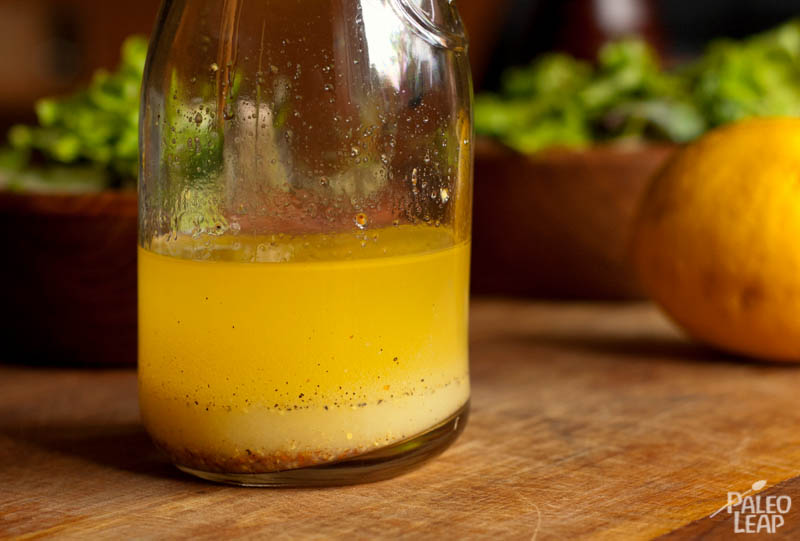
    Salad dressings and vinaigrettes

    A great way to make an ordinary salad stand out is to use a vinaigrette that brings depth and zing. We often fall into the trap of making the same few types of vinaigrette over and over again and might become tempted by the abundance of choices offered in grocery stores. We must make it a habit though to make our own dressings and vinaigrettes because the commercial ones often feature nasty ingredients like some unwanted vegetable oil or sweetener.

    Eating our salads with dressing, lots of it, is not only tasty, but is also a very good idea nutritionally. First of all, we already know that fat is good for us and that obtaining up to 75% of our calories as fat is a good idea. The other part of this is that most vitamins are fat soluble, which means that the vitamins in the lovely vegetables will be much better absorbed in the presence of a generous quantity of fat.

    Vinaigrettes and dressings don't have to be boring or repetitive. Instead of the habitual extra virgin olive oil, you can use avocado oil, homemade Paleo mayonnaise, macadamia oil or even homemade yogurt. As for the acid part used in most oil based vinaigrettes, you have a multitude of choices: lemon juice, lime juice, apple cider vinegar, balsamic vinegar, rice vinegar, wine vinegar and tomato juice. It all becomes even more interesting with the addition of herbs, spices and flavorings. Ginger, garlic, basil, oregano, dill, black pepper, mint and mustard are all perfect examples.

    If you indulge in a bit of dairy in your diet, crumbled feta and Parmesan are super-star cheeses for vinaigrettes that will get rave reviews from everybody who tastes them.

    General preparation guidelines

    The whole process is all pretty simple and getting all the ingredients is actually the hardest part. For a classic oil based vinaigrette, you will want to put the vinegar used in a bowl with the spices and seasonings. Adding salt before the oil is important because it will get a chance to dissolve in the vinegar. You'll then want to slowly drizzle the oil while whisking vigorously at the same time. The whole process can of course be done with the help of a blender or a food processor.

    Dijon mustard is often included in vinaigrette recipes, it helps with the emulsion of oil and vinegar and gives a nice taste, but it can always be omitted. You can also make your own mustard to be sure you don't eat any unwanted ingredient or preservative.

    A good rule of thumb is to use 1 part vinegar to 3 parts oil.

    Always wait until the last minute to dress the salad so the vegetables don't become soggy.

    Get All Our Recipes

    The vinaigrettes and dressings roundup

    Here is a simple roundup of classic and not so classic vinaigrettes and salad dressings. I hope you'll also use your imagination and creativity to come up with original creations of your own.

    The classic lemon vinaigrette

    This is the classic vinaigrette, which is very versatile, but goes particularly well on salads with fresh herbs or smoked salmon.

    Ingredients

    • 3 tablespoon fresh lime or lemon juice;
    • ½ tsp Dijon mustard, optional;
    • ¾ cup extra-virgin olive oil;
    • Sea salt and freshly ground black pepper to taste;

    Technique

    Follow the general preparation technique by combining all the ingredients except the oil and then adding the oil slowly while whisking vigorously. Using a blender will help to emulsify the vinaigrette. Shake well before using.

    Balsamic vinaigrette

    This is a classic of Italian cuisine and also acts as a proper marinade for your meat. It's also famous when drizzled on cooked vegetables.

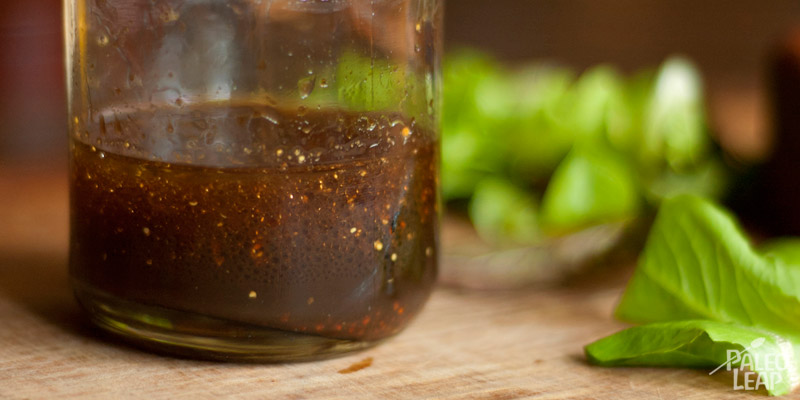
    Balsamic vinaigrette

    Ingredients

    • ¼ cup balsamic vinegar;
    • 1 crushed clove of garlic;
    • 1 teaspoon dried oregano;
    • 2 tsp Dijon mustard, optional;
    • ¾ cup extra-virgin olive oil;
    • Sea salt and freshly ground black pepper to taste;

    Technique

    Put all the ingredients in a jar that has a lid. Close the lid tight and shake well to combine all the ingredients.

    Crushed tomato vinaigrette

    This dressing is good for all kinds of salads, but also really great on grilled fish or chicken.

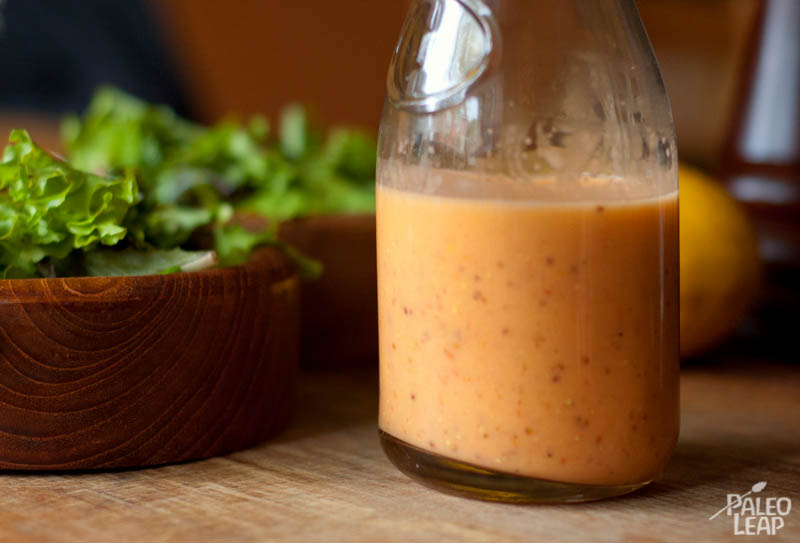
    Crushed tomato vinaigrette

    Ingredients

    • 1 quantity of the classic lemon vinaigrette;
    • 4 oz cherry tomatoes;
    • 1 crushed clove of garlic;

    Technique

    Add all ingredients in a blender and process to a smooth purée. You can thin it with a little water if necessary.

    Sauce vierge warm dressing

    Sauce vierge means virgin sauce and this warm dressing is sure to please taste buds that are still virgin to this sauce. It's excellent when served on warm vegetables or fish.

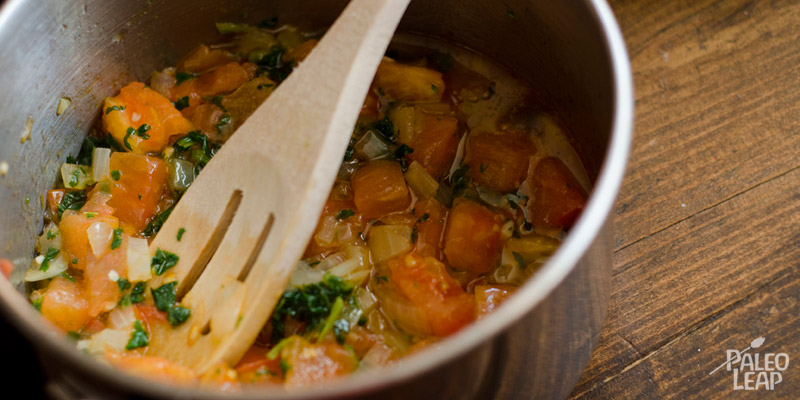
    Sauce vierge

    Ingredients

    • 1 crushed garlic clove;
    • 1 finely chopped shallot or small onion;
    • 7 tablespoon olive oil or clarified butter;
    • ½ cup peeled and finely diced tomatoes;
    • Juice of ½ lemon;
    • 2 teaspoon chopped basil;

    Technique

    Place the garlic and chopped shallot or onion in a pot with the oil or clarified butter and heat the ingredients until soft without frying. Add the tomatoes and cook at a low heat for about 5 minutes and then add the lemon juice and chopped basil and stir. Season to taste and serve the sauce hot.

    Caesar dressing

    There are many variations on this dressing, with some that include Worcestershire sauce, eggs and sour cream, but I find this version especially delicious and simple to prepare. Anchovy fillets have traditionally been part of the Caesar dressing. Caesar salad usually consists of romaine lettuce dressed with croutons, parmesan and Caesar dressing. In our case, we'll go without the croutons and add the Parmesan only if desired for a Paleo Caesar salad.

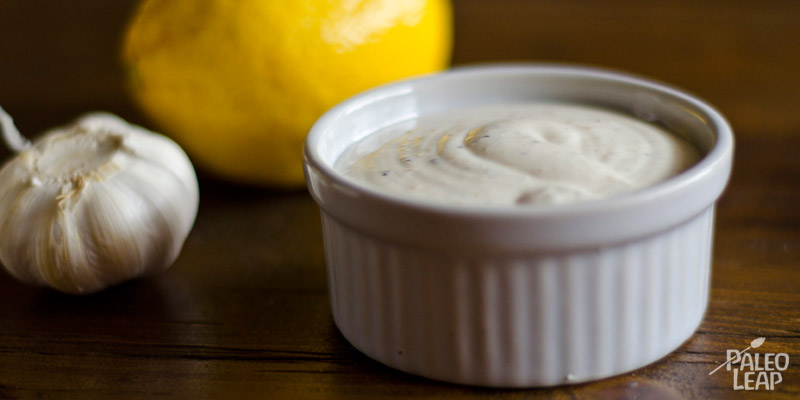
    Caesar dressing

    Ingredients

    • 1 tablespoon lemon juice;
    • 2 tablespoon Paleo mayonnaise;
    • ½ cup extra-virgin olive oil;
    • 6 garlic cloves, minced;
    • 1 tablespoon Dijon mustard;
    • Minced anchovy fillets;
    • Sea salt and freshly ground black pepper to taste;

    Technique

    Using a blender, process the lemon juice, garlic and mustard. Add the Paleo mayonnaise and blend again. Slowly add the olive oil while the blender is in motion. Use a spatula to scrape all that delicious dressing in a bowl, season with salt and pepper, add some more lemon juice to taste and add some minced anchovy fillets to taste.

    Raspberry-walnut vinaigrette

    Raspberry-walnut vinaigrette

    This i a nice twist on the classic lemon vinaigrette where raspberry vinegar is used instead of the lemon juice and walnut oil instead of the olive oil. The chopped walnuts give a very nice texture to this vinaigrette. Serve on a salad topped with extra walnuts.

    Ingredients

    • 3 tablespoon raspberry vinegar;
    • ½ tsp Dijon mustard, optional;
    • ¾ cup walnut oil;
    • 2 tablespoon chopped walnuts;
    • Sea salt and freshly ground black pepper to taste;

    Technique

    Simply proceed like you would for classic lemon juice vinaigrette and add the chopped walnuts at the end.

    Orange & Rosemary vinaigrette

    Ingredients

    • 3 tablespoon fresh lime or lemon juice;
    • ½ tsp Dijon mustard, optional;
    • ¾ cup extra-virgin olive oil;
    • Grated zest and juice of 1 orange;
    • 1 teaspoon chopped rosemary;
    • Sea salt and freshly ground black pepper to taste;

    Technique

    Simply prepare classic lemon juice vinaigrette and add the grated zest and juice of one orange and 1 teaspoon chopped rosemary. Let infuse overnight for a better taste.

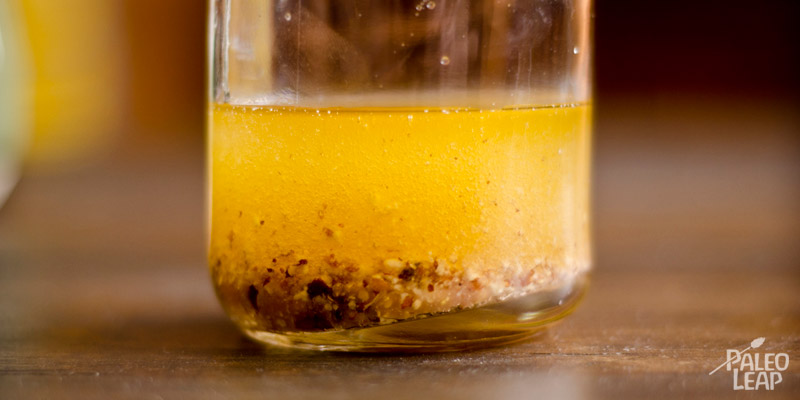
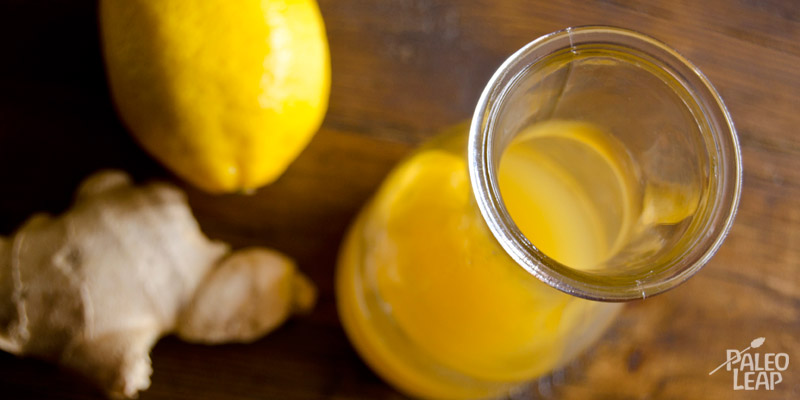
    Ginger Asian vinaigrette

    This vinaigrette is especially good on bitter greens or salads featuring roasted beets.

    Ginger Asian vinaigrette

    Ingredients

    • 3 tablespoon rice vinegar;
    • 1 large piece fresh ginger;
    • ⅔ cup extra-virgin olive oil;
    • 1 tablespoon sesame oil;
    • Sea salt and freshly ground black pepper to taste;

    Technique

    Peel the piece of ginger and grate with a box grater, then squeeze the resulting grated ginger to obtain about 1 tablespoon ginger juice and discard the grated ginger. Whisk together in a bowl the grated ginger juice and the rice vinegar; continue whisking to incorporate the olive oil. Add the sesame oil and season to taste.

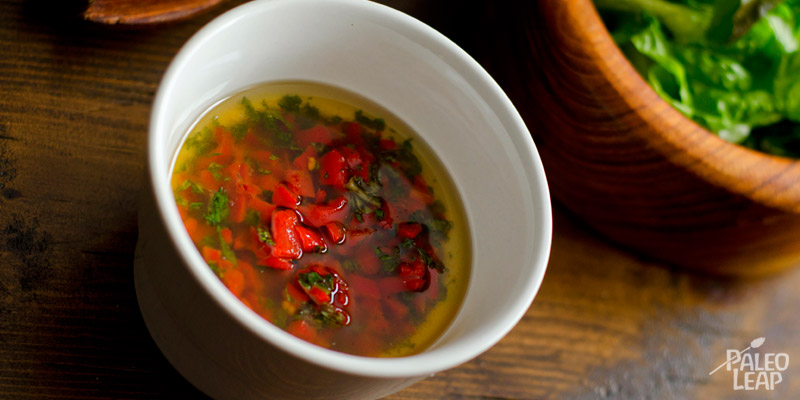
    Roasted chili dressing

    This is a dressing with a bold taste so it will go well with bold salads that feature strong herbs or root vegetables.

    Roasted chilli dressing

    Ingredients

    • 3 red chilies;
    • 10 tablespoon extra-virgin olive oil;
    • 3 ½ tablespoon lemon juice;
    • 1 bunch of finely chopped mint leaves;
    • Sea salt and freshly ground black pepper to taste;

    Technique

    Prick the chilies with the tip of a knife so they don't burst while roasting. Place them under the broiler until well roasted. You can also use tongs and hold them close to the flame of a gas stove.

    Once roasted, cover with plastic wrap for a couple of minutes so they steam and are easy to peel. Peel the chilies, open them, remove the seeds and finely chop the flesh. Mix thoroughly in a bowl with the oil, lemon juice and mint and season to taste.

    Creamy yogurt dressing

    This one goes well with salads that feature bitter greens like dandelion or endive since the sour of the yogurt cancels some of the bitterness and creates a nice blend of the two tastes.

    Ingredients

    • 5 tablespoon white wine vinegar;
    • 4 tablespoon walnut oil;
    • ½ cup homemade yogurt, sour cream or crème fraiche;
    • 1 teaspoon Dijon mustard;
    • 8 tablespoon extra-virgin olive oil;
    • Handful of chopped fresh parsley leaves;
    • Sea salt and freshly ground black pepper to taste;

    Technique

    Simply combine all the ingredients in a bowl and whisk until combined. Season to taste and adjust with a little more vinegar if needed.

    Filed Under: Paleo Recipes, Paleo Sauces and Dips

    Paleo Diet FAQ

    If you're new to a Paleo diet, you are at the right place to quickly learn what it's all about. The goal of this article is to cover a large number of topics briefly so you can come to one place to find answers to specific and frequently asked questions, and newcomers can get a quick overview of all aspects of a Paleo diet..

    The goal is to stay brief so some topics will be subjects for more in-depth articles on the site.

    Frequently asked questions about Paleo

    • What is a Paleo diet?
    • What is the reasoning behind Paleo?
    • What makes Paleo different from any other diet?
    • What to eat and not to eat on a Paleo diet?
    • What are the benefits of following the diet?
    • Can you give a sample of a day's food on the diet?
    • How can bacon and eggs possibly be healthy?
    • Is it a fad diet?
    • Caveman did more exercise and therefore could afford to eat like he did
    • Isn't sugar natural?
    • Didn't caveman die very young, and if so why should we eat like him?
    • How can I stay Paleo when I eat out?
    • Can I resume eating a normal diet once I reach my weight goal?
    • Isn't too much protein bad for the kidneys?
    • Can excess protein lead to more uric acid and gout?
    • What about fiber, don't we need it?
    • Didn't the China study prove that animal protein is bad?
    • Should mercury and other toxins in fish be a concern?
    • Aren't ketogenic diets dangerous?
    • If we are to eat like our ancestors, shouldn't we eat raw meat?
    • Are there any good books I can read about the subject?
    • How much fat, proteins and carbs should I eat?
    • Should I take supplements?
    • Is there an adaptation period to the diet?

    What is a Paleo diet?

    Paleo is a set of dietary and lifestyle recommendations that promotes eating the food that was likely consumed by our ancestors of the Paleolithic Period starting about 2.5 million years ago. Likewise, the foods that were recently introduced with the agricultural revolution are discouraged. Paleo is backed by science, evidence, hard logic and countless observations. The same kinds of recommendations are applied to lifestyle habits such as sleep, exercise and stress management.
    TOP OF PAGE

    What is the reasoning behind Paleo?

    In their natural environment, animals tend to be healthy, fit and strong and humans are no exception. We have proof that our ancestors were as healthy as can be. Our genes and physiology were formed by a long process of natural selection that made us better suited to eat the food that those genes evolved with. Likewise, it's absolutely ridiculous to believe that to be healthy we need food that we didn't eat for most of our evolution as humans. Drastically changing the types of food commonly eaten have led to the modern diseases of civilization like the metabolic syndrome that includes obesity, heart disease, type 2 diabetes and most autoimmune diseases.
    TOP OF PAGE

    What makes Paleo different from any other diet?

    Paleo, unlike most fad diets, is sustainable over long periods of time and promotes health, well-being and longevity. A lot of diets focus on a specific goal like weight loss, athletic performance or disease management. Unlike those diets, Paleo promotes positive gene expression, hormonal balance, and homeostasis, which lead to ideal general health, well-being, body composition, and athletic performance.
    TOP OF PAGE

    What to eat and not to eat on a Paleo diet?

    You should eat a diet high in healthy fat, mostly naturally grazed or wild from animal sources, moderate to high in animal protein and low to moderate in natural carbohydrates from vegetables and fruits. You can include small amounts of nuts. The preferred fats are saturated fats such as raw coconut oil, lard, duck fat, butter, and tallow as well as monounsaturated fats like extra virgin olive oil and avocados. (Read Paleo 101 for the simple 15 rules of a Paleo diet). Toxins are stored in the fat of animals so choose those that are organic, wild, and naturally grazed or “grass fed”.
    TOP OF PAGE

    What are the benefits of following the diet?

    Many people experience fat loss, muscle gain, more energy, less stress, smoother skin, better sleep, healthier teeth, stronger bones, better digestion, greater fertility, stronger immune system, slowed aging, control or remission of conditions and diseases such as type 2 diabetes, heart disease, Celiac disease, Crohn's disease, IBD, IBS, leaky gut, heart burn, ulcers, and more. All those benefits can be obtained without calorie counting or portion control because protein and fat are satisfying and will make you feel full well before you can overeat. You can see that a Paleo diet is much more than a simple weight loss diet, it's the diet we're programmed to eat.
    TOP OF PAGE

    Can you give a sample of a day's food on the diet?

    On a typical morning, you can have eggs fried with organic butter with some bacon and a portion of homemade liver pâté.

    For lunch, you can have a big salad with grilled chicken (with the skin), cucumbers, avocado, some berries and a generous quantity of homemade vinaigrette made with garlic, olive oil and lemon juice or raw, organic, unfiltered apple cider vinegar.

    If you're hungry in the afternoon, you can snack on some almonds or macadamia nuts or a bowl of berries with some coconut milk.

    For dinner you can have slices of delicious grass-fed roast beef with a sauce made from a reduction of homemade stock and the natural meat juices. You can serve this with carrots and beets roasted with generous amounts of lard or coconut oil.
    TOP OF PAGE

    How can bacon and eggs possibly be healthy?

    BaconIf you eat eggs from chickens that was free to graze on pastures, fed a natural diet, and not treated with antibiotics or growth hormones, and bacon that comes from a pig that was treated the same, both foods are very nutritious, satisfying and healthy.
    Egg yolks are full of nutrients such as lutein and zeaxanthin as well as omega-3 fat and generous amounts of dietary cholesterol (a good thing). Bacon is high in healthy saturated fat, which serves many functions in the brain, bones, lungs and just about every cell of the body. Healthy saturated fats should account fot about 40-50% of your calories.

    Sodium in an essential nutrient and this is why we like it so much. It’s a naturally occurring mineral found in plants and is required for the regulation of all cell functions. However, salt that’s added to processed foods may have adverse effects because it throws off the delicate balance of sodium to potassium, so limit your intake of foods with an excess of added salt.

    Nitrates are a natural compound found in almost all vegetables, but added nitrates in processed meats may have an adverse effect. If you’re concerned about nitrates in bacon, you can easily find nitrate free bacon.

    TOP OF PAGE

    Is it a fad diet?

    No.

    This diet and lifestyle are based on the way we ate for more than two million years while enjoying great health. It's all about natural food you can find in nature, not expensive supplements or complex meal plans. It's actually about the farthest you can get from a fad diet and in this sense the Standard American Diet is really the fad diet (as the future may prove).
    TOP OF PAGE

    Caveman did more exercise and therefore could afford to eat like he did

    It's true that caveman was more active than the average American today. However that wasn't his goal. Saving as much energy as possible was far more important for survival. He would therefore relax, nap and sleep as often as he could. This means that today's cardio addicts, who spend hours training on the treadmill, may be exercising much more than our average caveman.

    The principles of a Paleo diet become even more important to the average American who doesn’t move or exercise regularly, especially with regard to carbohydrates and insulin.

    When you exercise a lot, you can afford to eat more carbohydrates in the form of fruits and vegetables because the glycogen (sugar) reserves in your liver and muscles are depleted more rapidly. When this is the case and you eat carbohydrates, the glucose replenishes the glycogen stores instead of being treated as extra unneeded sugar and sent to your fat cells by insulin.

    Using this optic, an inactive person should eat even fewer carbohydrates than an active person. Sticking to the low carbohydrate principles of a Paleo diet are even more important to keep a balanced body composition and healthy metabolism.
    TOP OF PAGE

    Isn't sugar natural?

    SugarSugar is natural, just like about any plant-based chemical. It becomes unnatural when it's made into a form, concentration or quantity that is not found in nature. Naturally sweet things like fruits are only available in season for a short time of the year in most places. Eating a lot of this rare macronutrient from fruits and tubers when it was available was a good idea. It allowed the caveman to fill himself with these end-of-summer foods to pack a little reserve of fat for winter when food was scarce. For him, getting a little fatter was a luxury that would allow him to increase his chances of survival.

    Most sweet things in nature come with loads of fiber, vitamins, water, antioxidants and phytonutrients. The water creates a satiating effect so you feel full. Fiber slows absorption which creates less of a sugar spike in the blood, and vitamins, antioxidants and phytonutrients prevent and repair oxidative damage (a natural byproduct of metabolism) at the cellular level.

    Just try eating sugar right off a sugar cane and you'll see that it's so hard and fibrous that you won't be able to get your sugar fix.
    TOP OF PAGE

    Didn't caveman die very young, and if so why should we eat like him?

    The notion that caveman died very young is one of those myths carried around by those without the benefit of real data. It's just part of the general zeitgeist and almost nobody questions it, a bit like the notion that saturated fats will clog your arteries.

    In fact, people of the Paleolithic Era lived much longer than most people think.

    In the Paleolithic, the median life expectancy is skewed because so many children died at birth or shortly thereafter. If you have a look at this article from Wikipedia, you'll learn that if somebody made it to 15 years old, his life expectancy would jump to 39 years old. Then, if he made it to 39, chances were good he would make it to 54 years old.

    Only in the last century have we started to have a much longer life expectancy. We also saw a major decrease in life expectancy right around when agriculture was adopted massively. At some point, people were expected to live no more than 18 years. With agriculture came a lot of diseases, wars, famines, and inequalities.

    The reason we live longer today is not because we have a better diet, but because people have access to medical assistance and urgent care. Most infectious diseases are now well controlled in developed countries. We are now also safe from the dangers of nature like predators, starvation and accidents which were the source of most deaths in the Paleolithic.

    In the last century, we became really good at making people survive longer, but certainly not thriving. When caveman died of old age, he would be healthy and active up to the very end and we certainly can't say that of people today.

    Without medical assistance, people with cancer, heart disease, diabetes, kidneys problems, liver problems and a host of other conditions would not survive for long and our life expectancy would be much shorter.

    Also note that it has only been a few decades since we started cutting healthy saturated fats from our diet and increasing our consumption of sodas, vegetable seed oils and processed carbohydrates to disastrous levels. Experts have already predicted that the present generation will be the first to have a shorter lifespan then the generation before.
    TOP OF PAGE

    How can I stay Paleo when I eat out?

    When traveling, dining out or going to visit some friends, you have a couple of options and your choice depends on your goals and your personality. If you're like me, you won't accept any kind of bad food, you'll be very strict about your choices at restaurants and your friends should already know about your diet or at least know that they should ask you beforehand. This is especially important if you really need to lose weight or if you're dealing with digestive problems or an autoimmune disease. In that case, just a bit of bad food could set you off in your progress.

    At restaurants, simply tell the waiter that you have a serious gluten allergy and that any grain, not just wheat, is possibly fatal. Be serious about it and they'll know they have to make sure that nothing that has touched wheat will come in contact with your food. Ask for your meat and vegetables to be fried or cooked with olive oil or butter and not margarine or another vegetable oil. You can use the allergy strategy there too because it works very well. If you want to be even stricter, ask them not to season anything because black pepper and other commonly used spices can often contain traces of gluten.

    When traveling and spending time where you don't have access to any good food like in airports, it's a good occasion to do some intermittent fasting. We think this is one area where intermittent fasting becomes really useful and will save you from bad food while you know very well you won't starve. Once you arrive at your destination you can then go out and buy some good food.

    If you're not dealing with any serious health problem, eating out can also be your occasion to give yourself some slack and have a cheat meal. If you suspect you're sensitive to gluten, then we recommend you stay very strict about it and make sure you don't eat anything that might contain gluten. Just a little bit can do damage that'll last for a long time.

    When visiting friends, you can prepare something yourself. This is a good opportunity to discuss your diet. You’ll have something to fall back on and you can let your friends taste how good it is to eat healthy.

    You can also explain to your relatives that you truly believe that the food you refuse is causing damage to your health and that it would be like smoking a cigarette just to fit-in.
    TOP OF PAGE

    Can I resume eating a normal diet once I reach my weight goal?

    This is not recommended and Paleo is not simply a weight loss diet. Of course, you are free to live your life as you wish, but we strongly believe that if you give it enough time you won't want to go back because you'll see all the benefits and you'll feel much better.

    When you become used to the food, you'll find it absolutely delicious. Also keep in mind that eating a Paleo diet is the single most important thing you could do for your future and the future of your children, if you have or plan to have any.

    It's your chance to escape from the vicious circle of disease, weight-gain and medical costs. You children will have a better chance in life by being physically fit and mentally alert while cutting the risk of disease.

    Be aware that once you've become sensitive, a single serving of food containing gluten or a huge insulin spike will do some long-term damage. Hydrogenated and partially-hydrogenated fats as well as trans fats and vegetable oils will do some damage whether you have a prior sensitivity or not.

    Following the diet only for a limited period of time is certainly good for your health, but we think that now that you've been exposed to the truth about food it's your duty not to deny or ignore it.

    Finally, some of the benefits and weight loss will only happen much later in your journey once your gut is completely healed, your hormones are all balanced and you have plenty of the essential vitamins and minerals.
    TOP OF PAGE

    Isn't too much protein bad for the kidneys?

    Vilhjalmur StefanssonThat has been proven to be completely wrong and is probably a fact that's being pushed by proponents of vegetarianism or veganism in an effort to demonize animal proteins. There is no scientific evidence behind that claim.

    A buildup of proteins in the urine is the result of proteins that pass through the kidney’s filters without being processed, not simply by eating meat. This is most often the result of environmental or external conditions such as heat, cold, stress, exercise, and drugs. It can also be caused by conditions such as kidney disease, heart disease, diabetes, high blood pressure, and leukemia, to name a few.

    Vilhjalmur Stefansson and his team were monitored during a year of eating almost exclusively meat and animal fat and their kidneys didn't have any problems. In fact, after a short adaption to the higher protein load, the kidneys were working just as well, and this was the case for the duration of the study.

    Remember that a Paleo diet is not necessarily high in protein, but rather high in fat. In fact, most people eating a Paleo diet don't eat much more protein then someone eating a standard American diet.
    TOP OF PAGE

    Can excess protein lead to more uric acid and gout?

    It's true that excess uric acid can lead to gout. Purines are found in all cells and in almost all foods. They’re part of the makeup of genes in both plants and animals. Uric acid is a byproduct of purine metabolism. High protein foods such as meats contain higher amounts of purines and therefore will create higher amounts of uric acid in the blood when eaten. The kidneys are a filter through which uric acid passes on its way to elimination. If the kidneys don’t get enough water, the uric acid can become concentrated in other parts of the body, forming a gouty arthritis that usually clears up in a few days if given enough water.

    In this optic, eating more protein than that found in a standard American diet and eliminating fructose (found in sodas, many baked goods and packaged products with high-fructose corn syrup) should actually reduce the uric acid load in your blood because the kidneys will not have to process this non-food.
    TOP OF PAGE

    What about fiber, don't we need it?

    It is unlikely that we would need more fiber than what we've been getting for the last couple million years from nature with a regular consumption of fruits and vegetables.

    We also know that we can thrive without fiber as proved by cultures that thrive on meat and fat only.

    In fact, if you eat an excess of insoluble fiber from all the whole grains recommended on a standard American diet, the fiber will actually do real mechanical damage to the colon. More water will be taken from the rest of the body and sent to soothe the damage, which will help the stools to pass. This is certainly not a situation we want to be in.

    Gut Sense goes into detail about this and explains how our colon becomes addicted after a while to all the fiber. They also explain that it will take some time and adaptation on a regular, more natural diet, for the stools to regulate without the heavy fiber load.

    Some people will argue that insoluble fiber is useless and that it only adds satiety when it could be replaced by more nutritive meat or fat.

    We think that there's certainly some truth in that, but regular amounts of fiber has been proven to be useful for a couple of reasons concerning the gut flora. Good gut flora will ferment the fiber and produce vitamin K2 and butyric acid which are two factors of good health. Those two nutrients are also found in pastured butter for those interested in getting more.

    With that being said, note that the creation of those nutrients will only happen if your good gut is healthy. If bad bacteria has gained more power, more fiber will only feed it aggravate the problem. This is why insoluble fiber can be a double-edged sword.

    As we think that most people coming from a standard western diet don't have an optimal gut flora, it would be a good idea not to consume excess fiber and to have large and diverse sources of probiotics to help rebuild the good flora before having more fiber.

    The vegetable world offers plenty of fiber (i.e. roots and tubers). Did you know that avocados are a very high source of fiber? The fiber in those vegetables is often soluble fiber, contrary to the promoted insoluble fiber which can cause damage.

    It is believed by many that the origin of the myth that a lack of fiber is the source of many problems comes from a need to explain why traditional cultures are healthy while we're not. Governments then simply told the population to cut white sugar and flour and to eat more whole grains and that everything is going to be fine, but the problem is multidimensional and much more complex. While it's true that it's better to eat whole fruits because the fiber slows the absorption of the sugar, which diminishes the insulin spike, it doesn't make grains a healthy choice, no matter the amount of fiber.
    TOP OF PAGE

    Didn't the China study prove that animal protein is bad?

    The China Study by T. Colin Campbell seems to be the singular piece of work most vegetarians take as their bible to reassure themselves that they are doing the right thing and that everybody else is doomed.

    The study itself has been debunked multiple times by multiple people and recently greatly analyzed and criticized in detail by Denise Minger.

    In a few words, Campbell is accused of having cherry picked his data to prove his theory and plenty of contradictory data was available to him. He also experimented with feeding mice casein (one of milk's proteins) and found out that they were getting cancer. He then extrapolated and concluded that all animal protein is cancer promoting. This is a major scientific mistake. It's widely accepted that casein causes problems for many people and this is a reason why dairy is not encouraged on Paleo.

    The China study didn't prove at all that animal proteins are bad.
    TOP OF PAGE

    Should mercury and other toxins in fish be a concern?

    Mercury in fish?

    While it's true that fish contains levels of mercury, dioxins and PCBs, the concern has been greatly overemphasized and it turns out that fish is very safe to eat, even in high quantity. In fact, fish offers so many health promoting factors including the famous omega-3 fatty acids that not eating fish is actually a bad idea.

    First of all, we have a natural ability to cope with a certain amount of mercury because fish has always contained some amount, even before we came and changed the ecosystem. This is in part due to levels of mercury in the sea because of volcanoes. This might be why most fish contains large amounts of selenium, which effectively binds with mercury and prevents it from binding to other cells like brain cells.

    Eating fish high in selenium protects us as well and the selenium cancels the mercury. As long as we eat fish that is higher in selenium than mercury it's completely harmless for us.

    Only a few types of commonly eaten fish have a higher level of mercury than selenium: some types of shark, marlin, swordfish, tarpon and pilot whale. Other fishes are safe to eat and very healthy.

    As for PCBs and dioxins, which are other toxins found in fish, you should know that levels of those toxins are much higher in conventionally raised meat, dairy and vegetables. The antioxidant and anti-inflammatory protection of fish also protects us against the effects of those toxins.

    Refer to this poster by the Western Pacific Fishery Management Council as well as this article by Chris Kresser of the Healthy Skeptic blog for a more in-depth explanation.
    TOP OF PAGE

    Aren't ketogenic diets dangerous?

    Your body will go into a state of ketosis when your glycogen stores (glucose in the body) are depleted and your body doesn't have enough glucose for energy. It will then produce ketone bodies from fat as a source of energy. If you eat less than about 50g of carbs per day for a period of time or if you fast, you will go into a state of ketosis.

    Some people argue that this is a dangerous, emergency and starvation-like state, but this is completely false.

    First you have to make the distinction between ketosis and ketoacidosis. Ketoacidosis is a serious and possibly fatal condition that some diabetics can develop where sugar and ketone bodies get extremely high in the blood because their cells can't absorb any of them for energy. This creates a blood that is too acidic and is very dangerous and requires emergency assistance.

    Ketosis is a normal state and can even be considered the default state of human beings. For millions of years, most humans on the planet were in ketosis more often than not. It's only when they had access to more fruits and tubers that their bodies would run on glucose instead of ketone bodies.

    Everybody frequently goes in ketosis during the night because of the fasting.

    Some will argue that while most cells can use ketone bodies as a source of energy, some brain and kidney cells absolutely need glucose for energy. While this is true, the body can easily make glucose for these cells with proteins by a process called gluconeogenesis. Therefore, those who say that a very low carb or zero carb diet is dangerous and unsustainable are wrong.

    It has been shown that ketone bodies are the preferred source of energy for most cells and that there are some protective and health promoting effects to being in ketosis.

    Since you use stored and dietary fat for energy while in ketosis and the body becomes very efficient with running on fat, you easily stay lean and have a steady flow of energy.

    You can use small paper strips available in drugstores to test your urine for the presence of ketone bodies. Some people on a low carb diet will be very happy to see that they are in ketosis for what it means in terms of fat loss. They will then lose their enthusiasm when they see less and less ketone body concentration on those urine testing strips. This doesn't mean that you're not in ketosis anymore, but that your body is really fat adapted and that less ketone bodies are wasted.
    TOP OF PAGE

    If we are to eat like our ancestors, shouldn't we eat raw meat?

    Raw meatThere are diverse opinions on that matter and a subcategory of Paleo adherents only eat raw meat, but we think that the best diet would include both raw and cooked meat. We have evidence of early humans cooking their meat dating millions of years ago and it only makes sense that we started using fire to cook our food. In fact, cooking is one of the ways that permitted us to develop such big brains. Fire and cooking helped us become what we are today compared to other animals. We can also link the beginning of cooking around the same time our brain started getting bigger.
    The brain was able to get more energy at the expense of our digestive system. Our brain utilizes up to 25% of our energy and this is unheard of in other species. Cooking made food easier to digest and uses less energy. Cooking could be seen as a form of predigestion so food becomes more bioavailable. So even though cooked food sometimes contains fewer nutrients, it’s easier to absorb and to digest which greatly compensate.

    With that being said, raw meat certainly has its place in our diet. It makes sense to think that even though early humans started cooking their meat, it was probably very gradual and was probably sometimes cooked, sometimes raw for hundreds of thousands of years before it became cooked more often than not. Vitamin B6 gets almost completely destructed by cooking and this is a reason having raw meat, at least occasionally, is a generally good idea.

    Grilling meat creates AGEs (Advanced glycation end product) which is the same thing that causes our cells to experience oxidative damage. Note that the worst offenders for AGEs in our bodies are excess sugars and especially fructose, not overly cooked meat. We think it would still be a generally wise idea to cook meat with methods that don't produce much AGEs like slow-cooking, poaching, stewing or braising. On the flip side, we think that healthy people already eating a good Paleo diet have a lot of systems working in their favor to reduce or cancel the oxidative effects of AGEs. Our ancestors probably didn't cook with anything too fancy so it's a good bet to think that he often ate meat that was a little burned, but their bodies were well-prepared to cope with it.

    An optimal diet would include both cooked as well as raw meat. If raw meat seems a bit too much to you, consider having raw fish and making homemade sushi. If you decide to eat raw meat, make sure it comes from a trusted source and an animal that was pastured and grass-fed. Some people decide to freeze it for a period of time to make sure that it's sterile. Ask your butcher or farmer about it so you make an informed decision. There is nothing wrong with raw meat when it's from a reliable and natural source. You can also decide to eat you steaks only very lightly cooked and still rare in the middle for the best of both worlds.
    TOP OF PAGE

    Are there any good books I can read about the subject?

    Some great books were written on the subject in the last few years and I'll name a few of the most important ones here.

    The Primal BlueprintThe Primal Blueprint by Mark Sisson would be, in my opinion, the best book to start with. It aligns perfectly with the values of Paleo and also covers subjects like supplements, lifestyle and fitness. A lot of information available in this book is available online on this site as well as at Mark Sisson's MarksDailyApple.com, but it's great to have it all organized in a convenient and accessible book.

    Primal Body Primal MindPrimal Body Primal Mind is an interesting book by Nora Gedgaudas that takes a slightly different angle than Mark Sisson and focuses on longevity instead of completely following what our ancestors did. Nothing too drastic though, but she advocates even more fat and a little less protein. Another very interesting book.

    Good Calories Bad CaloriesGood Calories Bad Calories by Gary Taubes is for me the book that started it all. Gary successfully wrote a book that became mainstream and that defies the current misconceptions about obesity, heart disease and type 2 diabetes as related to saturated fat, cholesterol and carbohydrates. While being quite a large book and not necessarily an easy one to go through, it is really a foundation of knowledge and scientific proof behind the concepts brought forward by Paleo. It's the kind of book that has the potential to influence the scientific community in a good way.

    While not being geared towards a Paleo diet or an easy guide to kick start your journey, it provides very good information to refute anybody who argues with you about nutrition and to bring to your doctor with the hope he'll read it and "get the facts".

    The Vegetarian MythThe Vegetarian Myth by Lierre Keith is one that goes deep in the subject of vegetarianism and veganism as related to health and environment. Keith, who damaged her health after being vegan for more than 20 years, is very convincing as to why a plant only diet is not a good choice for us or the planet. A good read to also put in the hands of your vegetarian friends.

    Nutrition and physical degenerationNutrition and Physical Degeneration by Weston A. Price, which is also available online here should be a required reading for everybody and has helped open the eyes of a lot of people who turned Paleo about the value of eating a traditional diet. Weston A. Price was a dentist in the 1920s and 1930s who observed a lot of groups eating a traditional diet as well as some groups in the process of transitioning to a more westernized diet. After reading a book like that, you can't deny the truth about nutrition anymore, no matter how today's dogma tries to stick with you. Today, the work of Weston A. Price is preserved and promoted by the Weston A. Price Foundation lead by Sally Fallon Morell, who wrote Nourishing Traditions, another great book.

    TOP OF PAGE

    How much fat, proteins and carbs should I eat?

    This is the million dollar question and it's certainly very understandable that one would like to get and follow a magic ratio of carbs, protein and fat.

    Unfortunately (or fortunately), there is no magic number to give and everyone promoting Paleo will promote something slightly different or a range to play with.

    This makes sense because we all have different needs in relation to our health condition, personal preferences, fitness condition and goals. Our ancestors also ate various macronutrient levels depending of the food available, the preferences and the climate. For these reasons, a one size fits all diet in terms of macronutrients like fat, protein and carbohydrate is probably not a good idea.

    The simplest way to do it is to eat what feels natural while including lots of healthy animal fat, animal protein and vegetables as well as some optional fruits and nuts. What we like to promote is to eat high fat, moderate protein and low to very low carb (focusing on vegetables). Carbs, in the form of vegetables, fruits and tubers can be eaten in larger quantity by someone who tolerates them well or who needs the energy for long distance and endurance sports. Higher carbs, even from natural sources, are often the cause of difficulty losing fat or to healing from an autoimmune disease, and people suffering from those or who are already insulin resistant from their previous diet could benefit from having minimal amounts of carbs.

    Even zero carb can prove to be very beneficial when you take care to eat high quality meat, lots of fat, fish, and organs, and cook with bones (stocks and marrow). It can be a real lifesaver when trying to heal a damaged gut, but shouldn't be followed just to feel "pure" about not eating carbs like some vegetarians do about not eating meat.

    If we take Mark Sisson's carb recommendations, which are very reasonable, one could eat between 100 and 150 grams of carbs per day for maintenance, between 50 and 100 grams for moderate fat loss and less than 50 grams for accelerated fat loss. You'll see that 150 grams of carbs represents a lot of fruits and vegetables, enough to satisfy those who dislike the idea of a very low carb diet.

    As for proteins, the recommendations vary between 0.7 grams per pound of lean body weight mass per day to 1g of total body mass per day. On the low end, an individual who weighs 180 pounds and has a lean body mass of 160 pounds would eat around 112 grams of protein per day and 180 grams a day in the high end of the recommendation. Those recommendations take into account preservation and gain of lean muscle mass. We would say that if you fall anywhere between this range, you are in the sweet spot for your daily protein need.

    As for fat, you should probably have as much as you want and it should be your main macronutrient intake. One easy strategy is to cover your bases in terms of protein and carbs and consume the rest of your calories from fat. Eat until you're not hungry anymore and don't count calories.

    With all that being said, we want to reiterate the importance of not stressing over macronutrient intake. Don't start calculating everything. Unless you're dealing with a specific problem, Paleo should be all about simplicity and flexibility.

    TOP OF PAGE

    Should I take supplements?

    Paleo and supplementsThis is a subject where opinions are very diverse, but I'll give you my general recommendations. Read the article on supplementation for more details.

    Unlike other diets, Paleo is a nutrition-dense diet and gives you all the nutrients you need for good health. After all, our ancestors didn't need any kind of pills to stay on top of their game.

    It goes without saying that some supplements might be in order if you have a specific condition or deficiency.

    In my opinion, taking a multivitamin when following the diet is not only wasting your money, but can also have adverse effects.

    We are often still victims of hectic lifestyles, lack of sleep, excess stress, polluted air, less than optimal sources of meat and produce as well as a lack of sun exposure. A lot of us are also recovering from years of bad eating and metabolic syndrome. For those reasons, vitamin D, fish oil and probiotic supplements might be very beneficial.

    Vitamin D is for supplementing what you would normally get from regular sunlight exposure. If you work indoors or live in a northern country, we recommend between 1,000 and 4,000 IU per day of vitamin D3.

    Fish oil is for supplementing your omega-3 fatty acid consumption which comes in handy if you consume lots of nuts and seeds or conventionally raised meat and don't consume fatty wild caught fish like salmon and sardines on a regular basis. We recommend one to two grams of very high quality fish oil per day in this case.

    Probiotics are good bacteria and are important for the health of your gut flora. An unhealthy gut flora is the source of many of the diseases of civilization. Take care of your gut flora and it will take care of you. We recommend to anyone regular consumption of fermented foods like lacto-fermented vegetables (e.g. sauerkraut) or raw and fermented dairy (e.g. yogurt and cheese). For those recovering from their previous diet, trying to lose weight, having external sources of stress or lack of sleep or for those dealing with an autoimmune disease or digestive problem, a high-quality, high-potency, multi-strain probiotic supplement is beneficial in addition to fermented food. Get as much as you can.
    TOP OF PAGE

    Is there an adaptation period to the diet?

    Yes, a short adaptation period of 3 to 4 weeks as you start eating fewer carbs and your body adapts to using fat as a fuel source is to be expected. This will be even more noticeable if you eat a very low carb, ketogenic, diet. This happens when you eat less than about 50 grams of carbs per day. For those first few weeks you might feel lightheaded, have low energy or be a little shaky and irritable.

    As soon as your body gets used to using fat as an energy source, those symptoms will go away and you'll have more energy than ever.

    Those that lose a lot of fat rapidly might experience detoxification symptoms because the toxins that were stored in their fat calls get released in the bloodstream rapidly. This is rarely much of a problem other than mere discomfort.

    If you're concerned about the adaptation period, the best way is to transition to the diet slowly or slow down when you feel the effects of the adaptation. None of the symptoms of adaptation are dangerous and there is no need to limit them if you're ready to handle them.
    TOP OF PAGE

    « Previous Page
    paleo leap square logo

    Hi, I'm Rick! Paleo Leap is the oldest and biggest resource online, covering everything about the paleo diet. We have over 1500 recipes categorized and plenty of meal plans for you to try.

    More about me →

    Popular

    • Bacon-Wrapped Salmon Featured
      Bacon-Wrapped Salmon Recipe
    • Almond Milk Custard
      Almond Milk Custard Recipe
    • Flourless Banana Pancakes Featured
      Flourless Banana Pancakes Recipe
    • Turban Squash Soup Featured
      Turban Squash Soup Recipe

    Recent Recipes:

    • closeup of a glass of Kale and banana green smoothie with a banana in the background
      Kale and Banana Green Smoothie
    • closeup of a glass of Almond banana cinnamon smoothie on a wood table
      Almond Banana Cinnamon Smoothie
    • glass of Peach and chocolate green smoothie on a wood table with peaches in the background
      Peach and Chocolate Green Smoothie
    • closeup of two glasses of cinnamon and Coconut vanilla milkshake
      Coconut Vanilla Milkshake

    Footer

    ↑ back to top

    About

    • Privacy Policy
    • Disclaimer
    • Cookie Policy

    Newsletter

    • Sign Up! for emails and updates

    Contact

    • Contact

    As an Amazon Associate, I earn from qualifying purchases.

    For your information only. The statements on this website are merely opinions. Paleo Leap does not provide medical or nutritional advice, treatment, or diagnosis. Read the full disclaimer.

    Copyright © 2023 Paleo Leap