Paleo Leap

  • Recipes
    • Beef and Red Meat
    • Chicken and Poultry
    • Pork
    • Fish and Seafood
    • Eggs
    • Soups
    • Salads
    • Sides, Veggies and Appetizers
    • Sauces, Dips & Vinaigrettes
    • Drinks
    • Sweets and Snacks
    • Cooking Tips
  • Learn
  • Your Starting Point
    • Topic Index
    • Paleo 101
    • Paleo Meal Plan
    • Paleo Food List
    • Transitioning to Paleo
    • Am I Doing it Right? - Checklist
    • Mini-Course for Beginners
  • Popular Topics
    • Recipes for Beginners
    • Breakfast Ideas
    • Homemade Condiments
    • Legumes
    • Wheat & Gluten
    • Dairy
    • Nightshades
  • More
    • Compilations
    • Foods
menu icon
go to homepage
  • Recipes
  • Chicken
  • Pork
  • Snacks
  • Salads
  • Learn Paleo
  • Paleo Cooking Tips
  • Paleo Diet Foods
  • Paleo Recipe Compilations
  • Keto Diet Recipes
  • Paleo Beef and Red Meat Recipes
  • Paleo Drink Recipes
  • Paleo Egg Recipes
  • Paleo Fish and Seafood Recipes
  • Paleo Sauces and Dips
  • Paleo Sides, Veggies and Appetizers
  • Paleo Soup Recipes
  • Paleo Tips & Tricks
  • Paleo Topic Index
    • Facebook
    • Instagram
    • Pinterest
    • Twitter
    • YouTube
  • search icon
    Homepage link
    • Recipes
    • Chicken
    • Pork
    • Snacks
    • Salads
    • Learn Paleo
    • Paleo Cooking Tips
    • Paleo Diet Foods
    • Paleo Recipe Compilations
    • Keto Diet Recipes
    • Paleo Beef and Red Meat Recipes
    • Paleo Drink Recipes
    • Paleo Egg Recipes
    • Paleo Fish and Seafood Recipes
    • Paleo Sauces and Dips
    • Paleo Sides, Veggies and Appetizers
    • Paleo Soup Recipes
    • Paleo Tips & Tricks
    • Paleo Topic Index
    • Facebook
    • Instagram
    • Pinterest
    • Twitter
    • YouTube
  • ×
    Home » You searched for leftovers

    Search Results for: leftovers

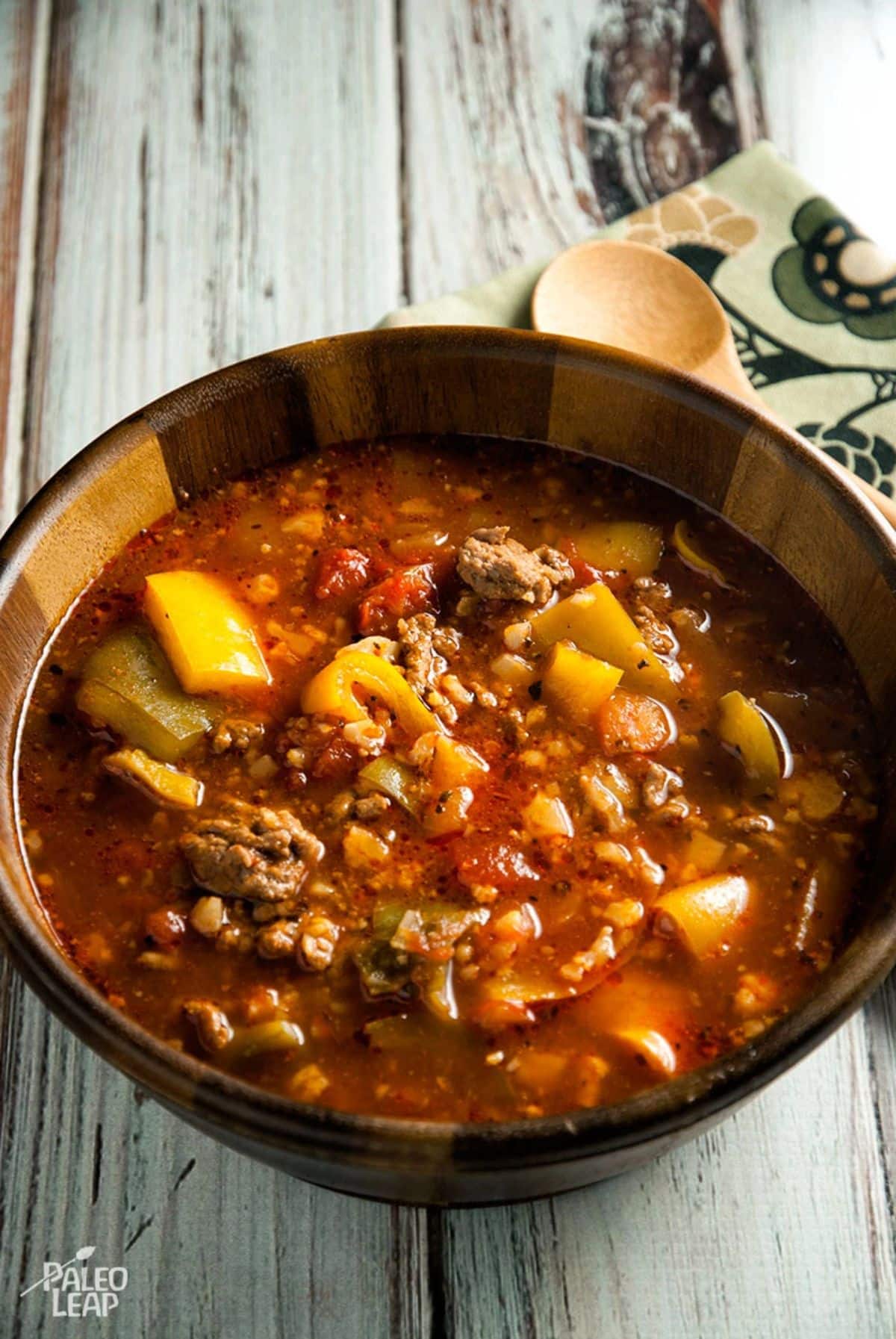
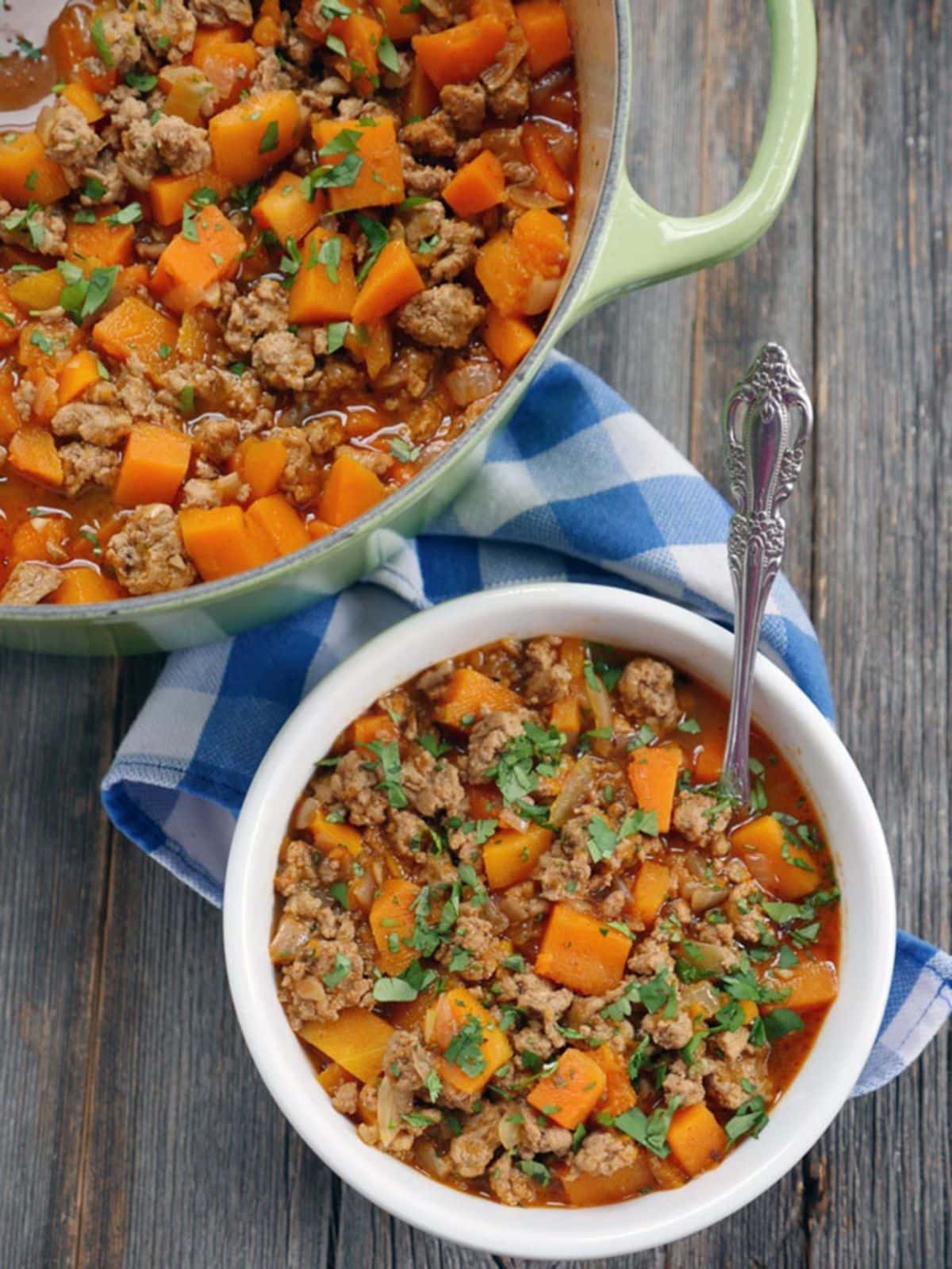
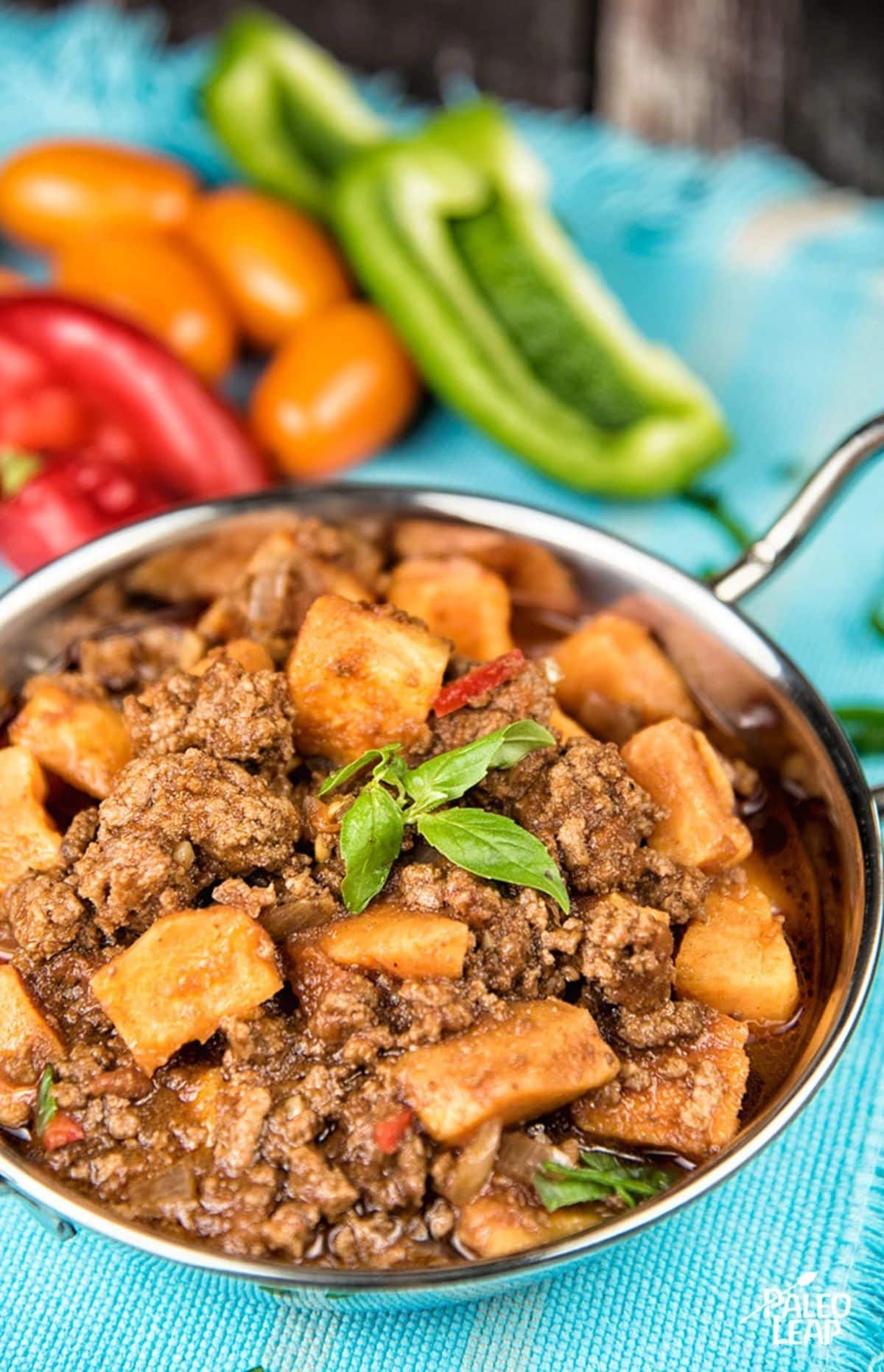
    Paleo No-Bean Chili Recipe

    November 7, 2022 by Paleo Leaper Leave a Comment

    Now, that you are a full-fledged Paleo enthusiast, you know that beans are out, meat and greens are in, but what kind of chili does that make?
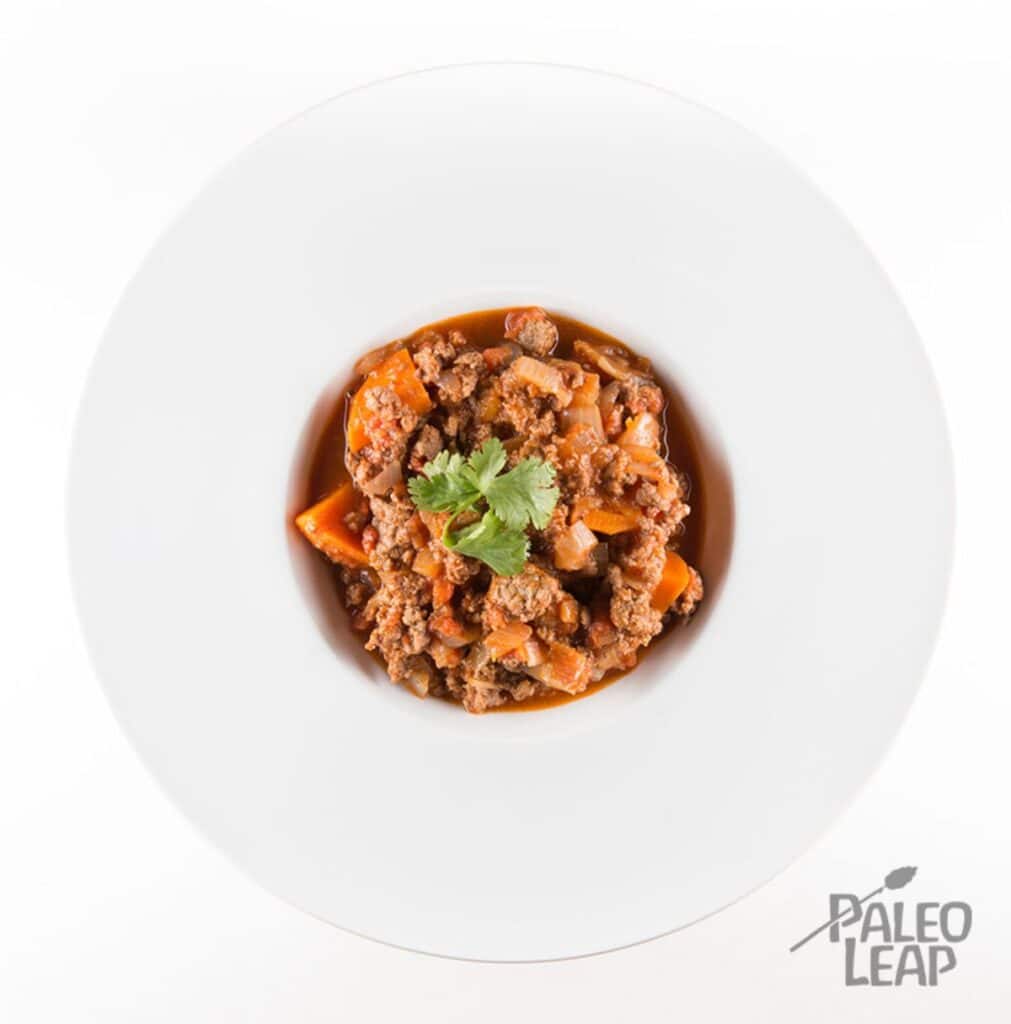
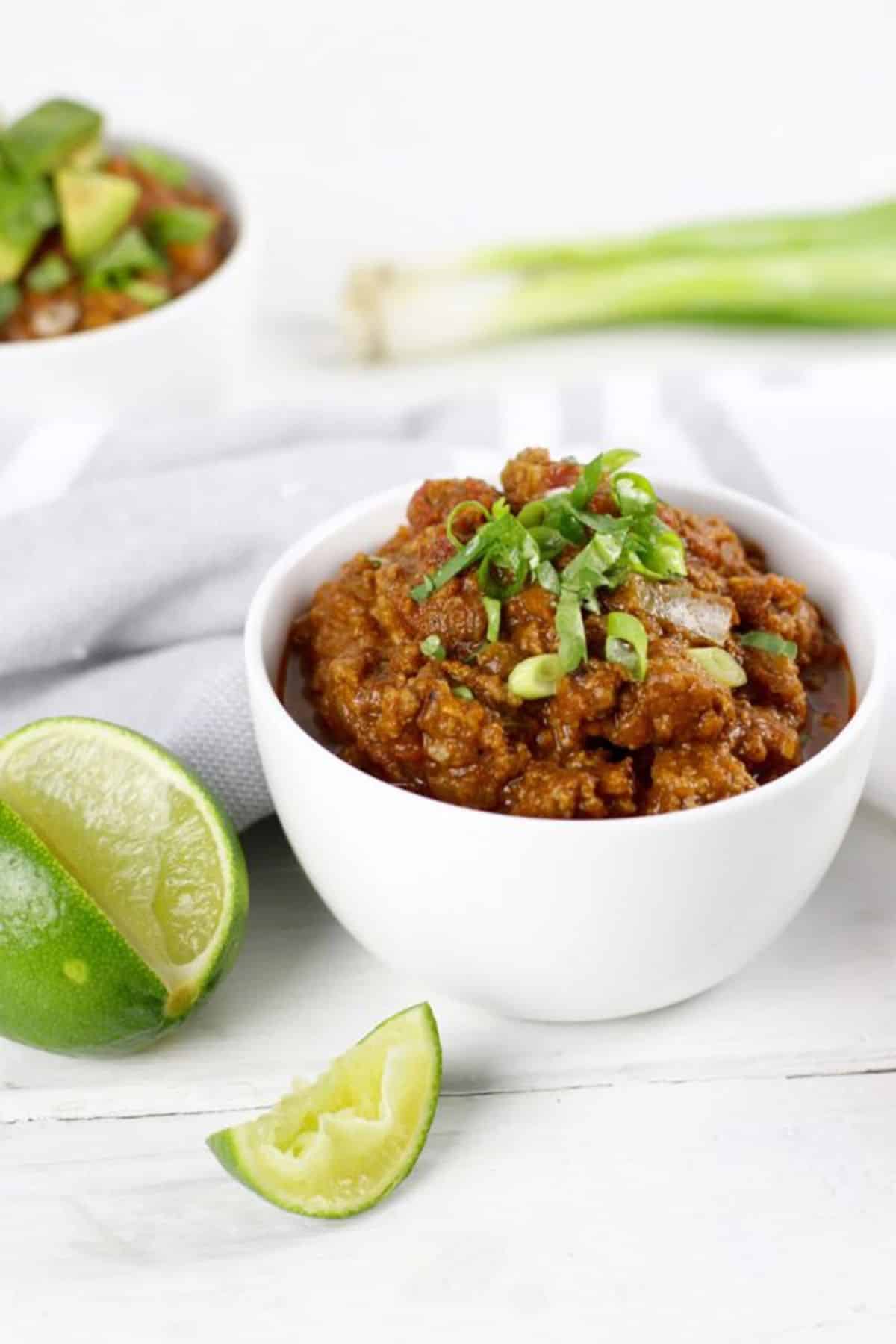
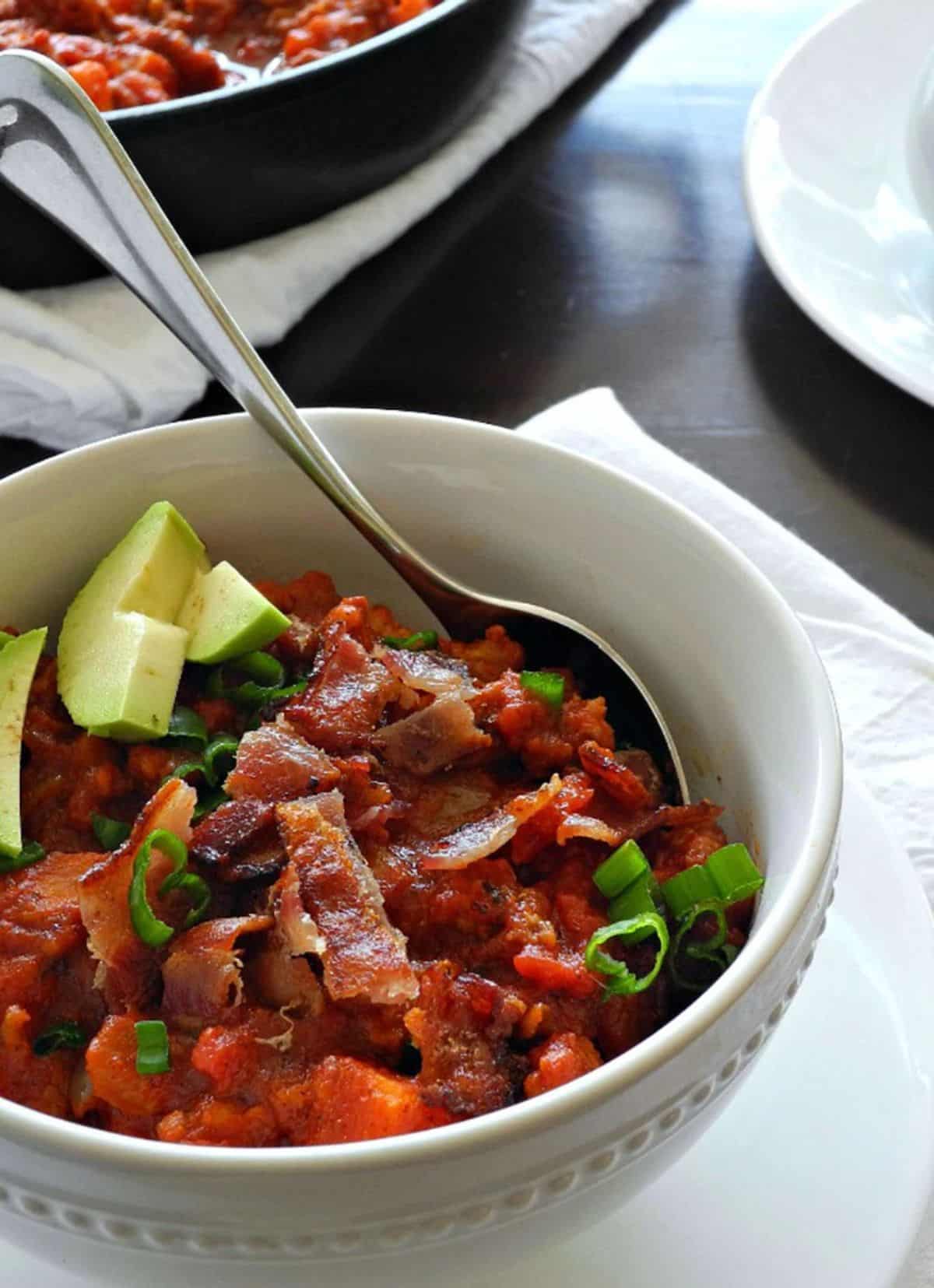
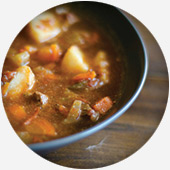
    No-Bean Chili in a white dish

    At first hearing, a no-bean chili may sound a bit boring - it's not the same! We hear you, and we are here to tell you that a no-bean chili is anything but boring.

    It's not about the beans, it's about all the other treasures that simmer inside.

    Put any notion of beans aside, and invest in one and a half pounds of bison meat instead. Any ground meat will do, but bison is best; we've tried and tested this one, even perfected it to taste in a meatball stew.

    There is a long and comprehensive list of why you should include bison meat in your diet; here is the condensed version: wonderful source of lean protein, helps prevent iron deficiency, is full of high-energy B vitamins, is rich in Omega 3s, most likely grass-fed, contains few (if any) antibiotics or growth hormones, and bison are also beneficial for the environment due to their grazing patterns and habits.

    What is good for the Earth, is good for you. If you've never tried bison before, now is the perfect time to discover ancient food. Cook it as you would beef or chicken, and the opportunities for exciting dinners are endless - bison tacos, stuffed spaghetti squash, or a reinvention of the classic burger with a portobello bun.

    No-Bean Chili Recipe

    Serves: 5 Prep: 15 min Cook: 30 min

    Ingredients

    • 1 ½ lbs. ground bison
    • 1 onion, chopped
    • 3 garlic cloves, minced
    • 10 oz. can plum tomatoes
    • 8 oz. can of tomato sauce
    • ¾ cup water
    • ½ tsp. cumin
    • ¼ tsp. chili powder
    • ¼ tsp. paprika
    • 1 bay leaf
    • 1 large sweet potato, peeled and cut into cubes
    • Fresh cilantro, for garnishing
    • Ghee, for cooking
    • Salt and pepper to taste

    Preparation

    1. Add some ghee to a large pan placed over medium-high heat; brown the ground bison meat.
    2. Add the onion and garlic, then cook for another 3 minutes.
    3. Add the plum tomatoes and tomato sauce, water, spices, bay leaf, and sweet potato.
    4. Cover and let it simmer on low heat for 25 minutes. Stir occasionally during the cooking process.
    5. Remove the bay leaf and garnish with cilantro before serving.

    📖 Recipe
    No-Bean Chili recipe

    Paleo No-Bean Chili Recipe

    The best no-bean chili you will ever make is waiting to be made - with 5 portions, there will be enough for enticing leftovers - did we mention bison meat?
    5 from 1 vote
    Print Recipe Pin Recipe
    Prep Time 15 minutes mins
    Cook Time 30 minutes mins
    Total Time 45 minutes mins
    Course Main Course
    Cuisine American
    Servings 5 people
    Calories 385 kcal

    Ingredients
      

    • 1 ½ lbs. ground bison
    • 1 onion chopped
    • 3 garlic cloves minced
    • 10 oz. can plum tomatoes
    • 8 oz. can tomato sauce
    • ¾ cup water
    • ½ tsp. cumin
    • ¼ tsp. chili powder
    • ¼ tsp. paprika
    • 1 bay leaf
    • 1 large sweet potato peeled and cut into cubes
    • Fresh cilantro for garnishing
    • Ghee for cooking
    • Salt and pepper to taste

    Instructions
     

    • Add some ghee to a large pan placed over a medium-high heat; brown the ground bison meat.
      Ghee, 1 ½ lbs. ground bison
    • Add the onion and garlic, then cook for another 3 minutes.
      1 onion, 3 garlic cloves
    • Add the plum tomatoes and tomato sauce, water, spices, bay leaf and sweet potato.
      10 oz. can plum tomatoes, 8 oz. can tomato sauce, ¾ cup water, ½ tsp. cumin, ¼ tsp. chili powder, 1 bay leaf, 1 large sweet potato, ¼ tsp. paprika
    • Cover and let it simmer on low heat for 25 minutes. Stir occasionally during the cooking process.
      Salt and pepper to taste
    • Remove the bay leaf and garnish with cilantro before serving.
      Fresh cilantro

    Nutrition

    Calories: 385kcalCarbohydrates: 19gProtein: 28gFat: 22gSaturated Fat: 9gPolyunsaturated Fat: 1gMonounsaturated Fat: 9gCholesterol: 95mgSodium: 339mgPotassium: 923mgFiber: 3gSugar: 7gVitamin A: 7414IUVitamin C: 16mgCalcium: 57mgIron: 5mg
    Keyword chili recipe, no bean chili, paleo chili
    Tried this recipe?Let us know how it was!

    Filed Under: Paleo Beef and Red Meat Recipes, Paleo Recipes Tagged With: Complete Meals, cooking: fast prep, cooking: stovetop, diet: dairy-free, diet: egg-free, diet: no sweeteners, diet: nut-free, diet: shellfish-free, good for leftovers, Paleo Budget-Friendly Recipes, Paleo Dinner Recipes, Paleo Kid-Friendly Recipes, Paleo Low-Carb Recipes

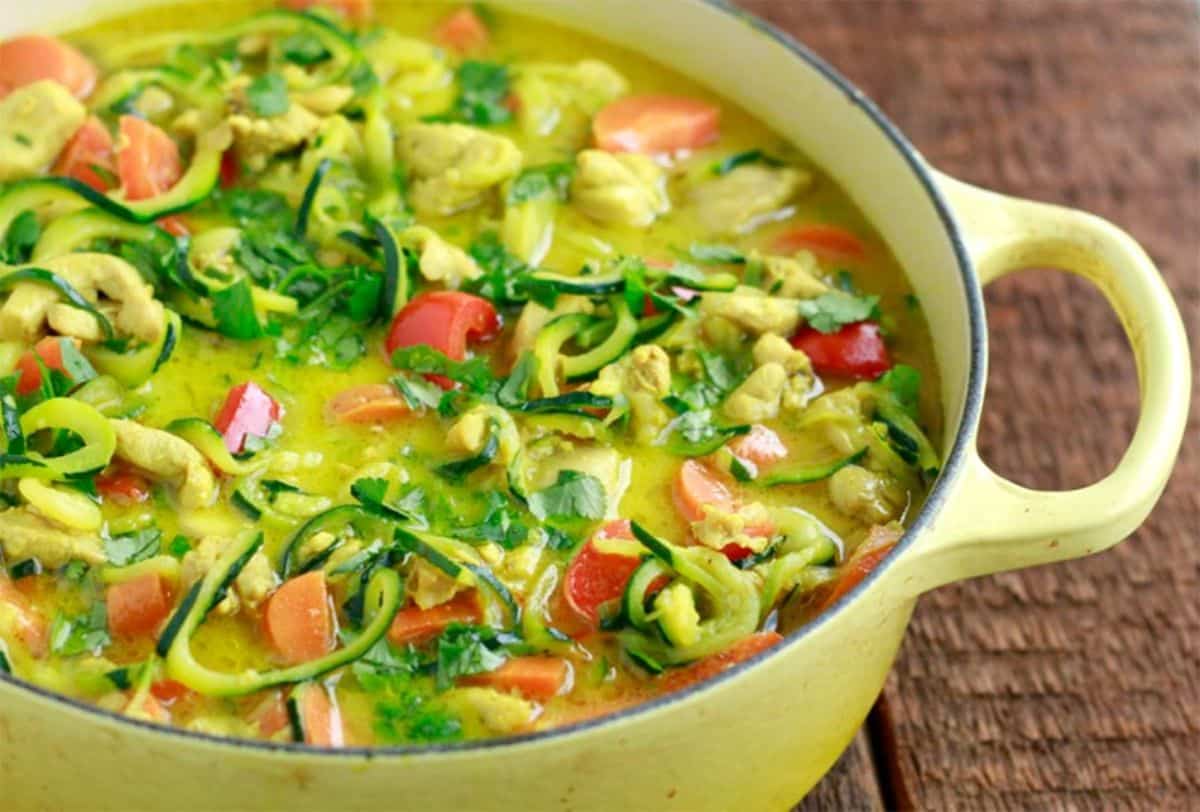
    Slow Cooker Coconut Ginger Chicken Recipe

    November 7, 2022 by Paleo Leaper Leave a Comment

    Some days are rushed from beginning to end, other days are meaningfully slow all the hours through.

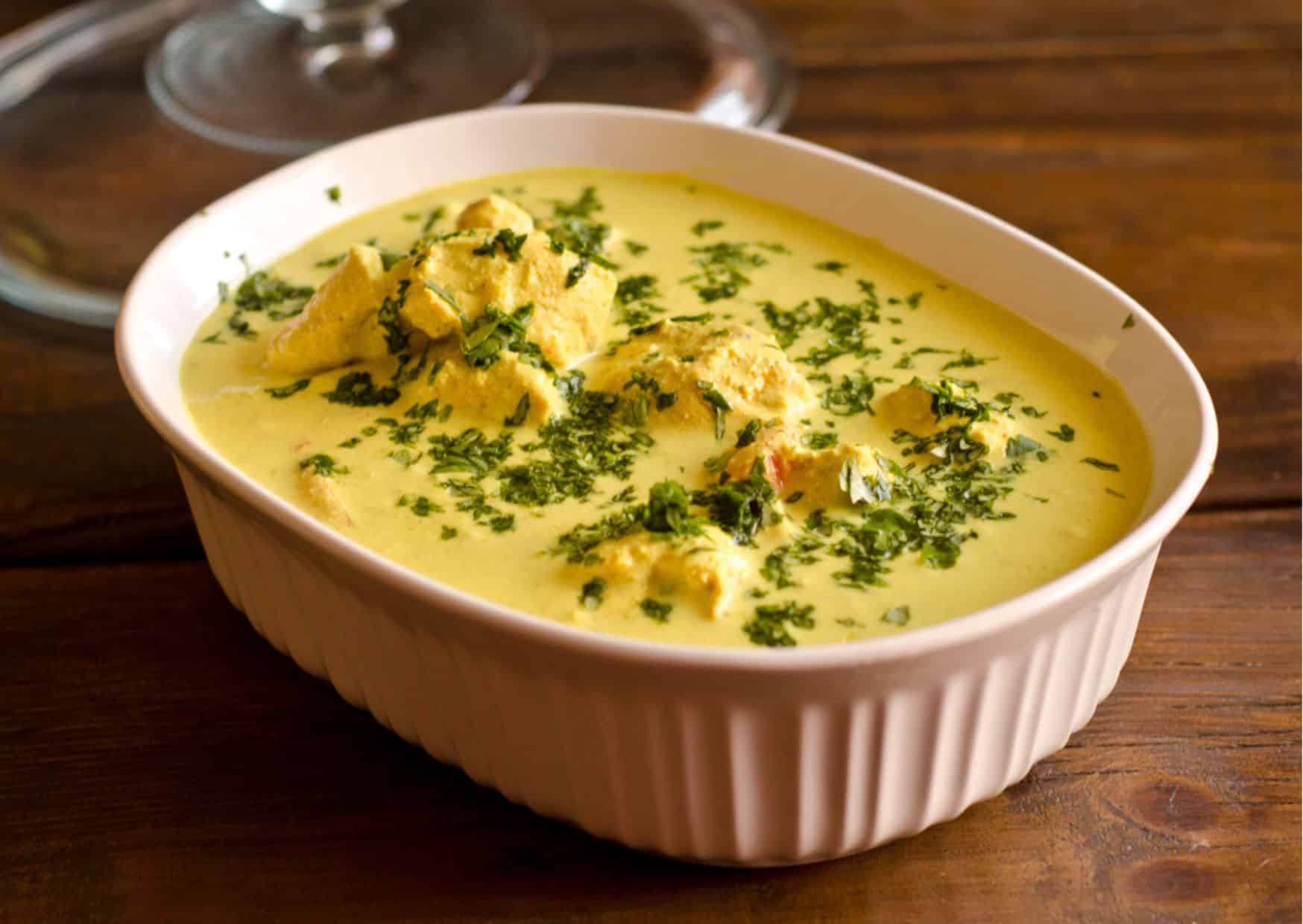
    Slow Cooker Coconut Ginger Chicken in a baking tray on a table.

    Either of these circumstances is the perfect slow cooker day - less mess in the kitchen while dinner cooks silently for you, as you go about your business of being busy, or decidedly unhurried.

    This particular recipe also allows you to reminisce about wonderful chicken curries of meals gone by, and yet it is not spicy at all unless you choose to sprinkle in some red hot pepper flakes.

    Keeping in mind that this meal serves six, use it as a chance to host some dinner guests that you haven't talked to in a while, or be unabashedly selfish and save it all for yourself! For leftovers the following day, of course.

    While you are stocking up on coconut milk, be sure to save a can for coconut curry chicken later in the week - always be planning ahead!

    To complete the dining experience, we suggest you discover how to create a coconut, ginger, and lime mocktail to quench your thirst. And for dessert, if you cannot get enough of the ginger-coconut combo, try out a slice of Paleo lime and ginger coconut pie for good measure.

    It is like a cheesecake, without cheese. It is creamy, dreamy, and full of cashews, like all the best paleo-vegan desserts. Everyone will love it so much, that just one pie may not be enough.

    Slow Cooker Coconut Ginger Chicken Recipe

    Serves: 6 Prep: 25 min Cook: 4 h

    Ingredients

    • 4 garlic cloves, minced
    • 2-inch cube of ginger, chopped
    • 1 onion, chopped
    • 1 tbsp. coconut oil
    • 2 tbsp. cooking fat
    • 2 ½ lbs. boneless, skinless chicken breast, cubed
    • 2 cans of full-fat coconut milk, refrigerated
    • 1 bell pepper, chopped
    • ½ tsp. freshly ground pepper
    • 1 tsp. ground cumin
    • 1 tsp. ground coriander
    • 1 ½ tsp. ground turmeric
    • 1 tsp. salt

    Preparation

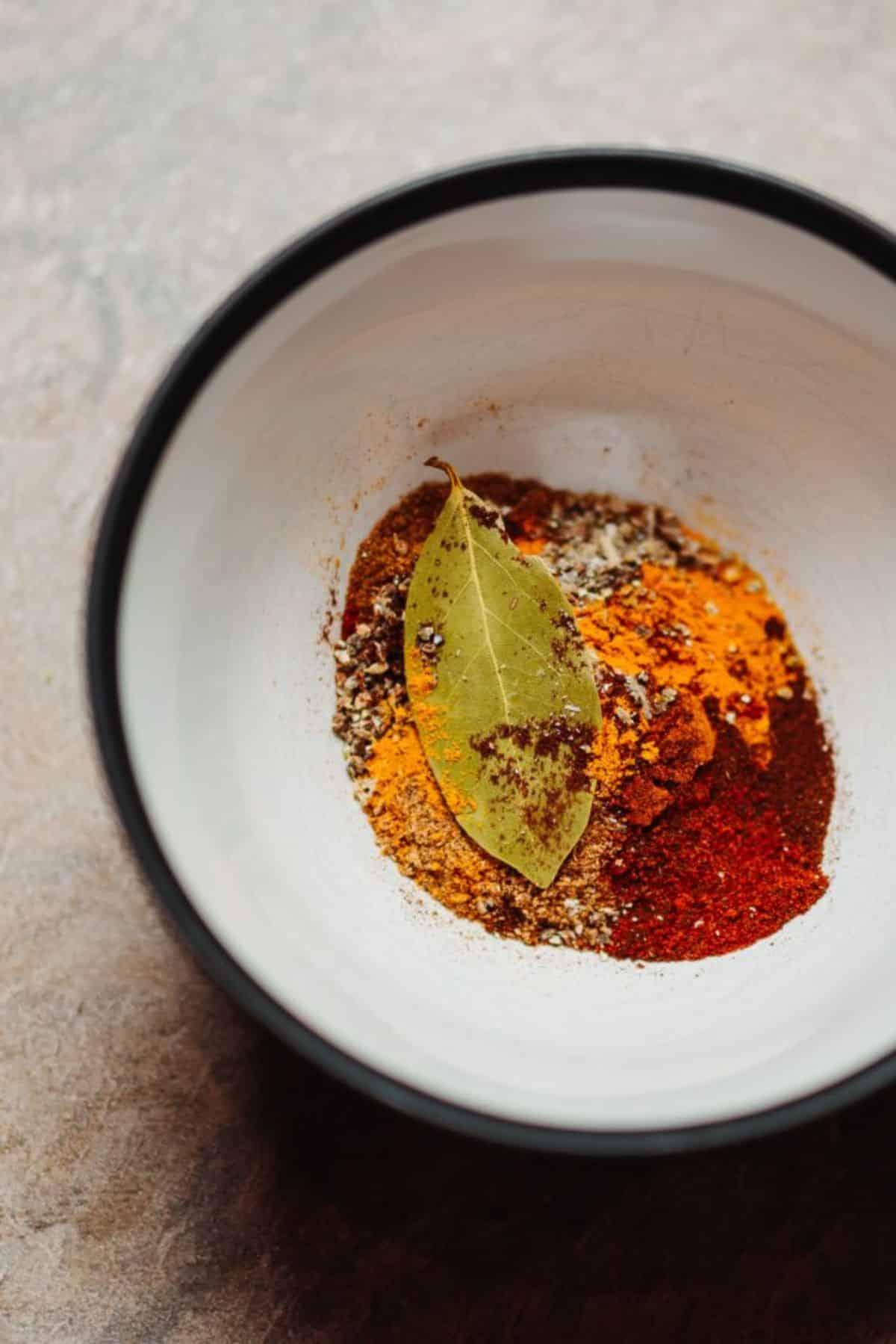
    1. In a small bowl, mix together ground pepper, cumin, coriander, turmeric, and salt. Set aside for later use.
    2. Using a hand blender or food processor, combine garlic, ginger, and onion. Pulse until a chunky paste is formed.
    3. In a large skillet over medium-high heat, add the coconut oil and butter. Add the garlic paste from above. Cook for 2 to 3 minutes, enough time to allow the mixture to golden slightly in color. Sprinkle in the spice mix and stir well so that everything is evenly coated. Cook for another 2 to 3 minutes.
    4. Allow the garlic and spice mixture to continue cooking on one side of the skillet, leaving the other side for searing the chicken. Once the chicken has slightly browned on all sides, mix with the garlic and spices. Put all the contents of the skillet into the slow cooker.
    5. Open the cans of coconut milk and spoon out the thick cream that rests atop the milk and set it aside for later use. Add the coconut milk (not the thick cream) into the slow cooker and mix with the chicken. Also, toss in the chopped pepper.
    6. Cook on low heat for 4 hours. Once the time is up, add the thick cream from the coconut milk to the dish. Stir in and allow it to cook for another 30 minutes prior to serving.

    📖 Recipe

    Slow Cooker Coconut Ginger Chicken in a baking tray on a table.

    Slow Cooker Coconut Ginger Chicken Recipe

    Slow cookers are typically out in full force during the winter months; coconut ginger chicken makes it fun to use in the summertime too.
    5 from 2 votes
    Print Recipe Pin Recipe
    Prep Time 25 minutes mins
    Cook Time 4 hours hrs
    Total Time 4 hours hrs 25 minutes mins
    Course Main Course
    Cuisine American
    Servings 6 people
    Calories 392 kcal

    Ingredients
      

    • 4 garlic cloves minced
    • 2- inch cube of ginger chopped
    • 1 onion chopped
    • 1 tbsp. coconut oil
    • 2 tbsp. cooking fat
    • 2 ½ lbs. boneless skinless chicken breast, cubed
    • 2 cans of full-fat coconut milk refrigerated
    • 1 bell pepper chopped
    • ½ tsp. freshly ground pepper
    • 1 tsp. ground cumin
    • 1 tsp. ground coriander
    • 1 ½ tsp. ground turmeric
    • 1 tsp. salt

    Instructions
     

    • In a small bowl, mix together ground pepper, cumin, coriander, turmeric, and salt. Set aside for later use.
      ½ tsp. freshly ground pepper, 1 tsp. ground cumin, 1 tsp. ground coriander, 1 ½ tsp. ground turmeric, 1 tsp. salt
    • Using a hand blender or food processor, combine garlic, ginger, and onion. Pulse until a chunky paste is formed.
      4 garlic cloves, 2- inch cube of ginger, 1 onion
    • In a large skillet over medium-high heat, add the coconut oil and butter. Add the garlic paste from above. Cook for 2 to 3 minutes, enough time to allow the mixture to golden slightly in color. Sprinkle in the spice mix and stir well so that everything is evenly coated. Cook for another 2 to 3 minutes.
      1 tbsp. coconut oil, 2 tbsp. cooking fat
    • Allow the garlic and spice mixture to continue cooking on one side of the skillet, leaving the other side for searing the chicken. Once the chicken has slightly browned on all sides, mix with the garlic and spices. Put all the contents of the skillet into the slow cooker.
      2 ½ lbs. boneless
    • Open the cans of coconut milk and spoon out the thick cream that rests atop the milk and set it aside for later use. Add the coconut milk (not the thick cream) into the slow cooker and mix with the chicken. Also, toss in the chopped pepper.
      2 cans of full-fat coconut milk, 1 bell pepper
    • Cook on low heat for 4 hours. Once the time is up, add the thick cream from the coconut milk to the dish. Stir in and allow it to cook for another 30 minutes prior to serving.

    Nutrition

    Calories: 392kcalCarbohydrates: 5gProtein: 41gFat: 24gSaturated Fat: 10gPolyunsaturated Fat: 4gMonounsaturated Fat: 9gTrans Fat: 1gCholesterol: 125mgSodium: 455mgPotassium: 834mgFiber: 1gSugar: 2gVitamin A: 643IUVitamin C: 28mgCalcium: 54mgIron: 6mg
    Keyword chicken, coconut, ginger, paleo, recipe, slow cooker
    Tried this recipe?Let us know how it was!

    Filed Under: Paleo Chicken and Poultry Recipes, Paleo Recipes Tagged With: cooking: slow-cooker, cooking: stovetop, diet: dairy-free, diet: egg-free, diet: no sweeteners, diet: nut-free, diet: shellfish-free, good for leftovers, Paleo Budget-Friendly Recipes, Paleo Dinner Recipes, Paleo Kid-Friendly Recipes, Paleo Low-Carb Recipes

    Canned Salmon Fish Cakes Recipe

    November 7, 2022 by Paleo Leaper Leave a Comment

    Fish cakes are a wonderfully delicious and nutritious meal for all ages, and they are a great way to use up leftover cooked salmon too.

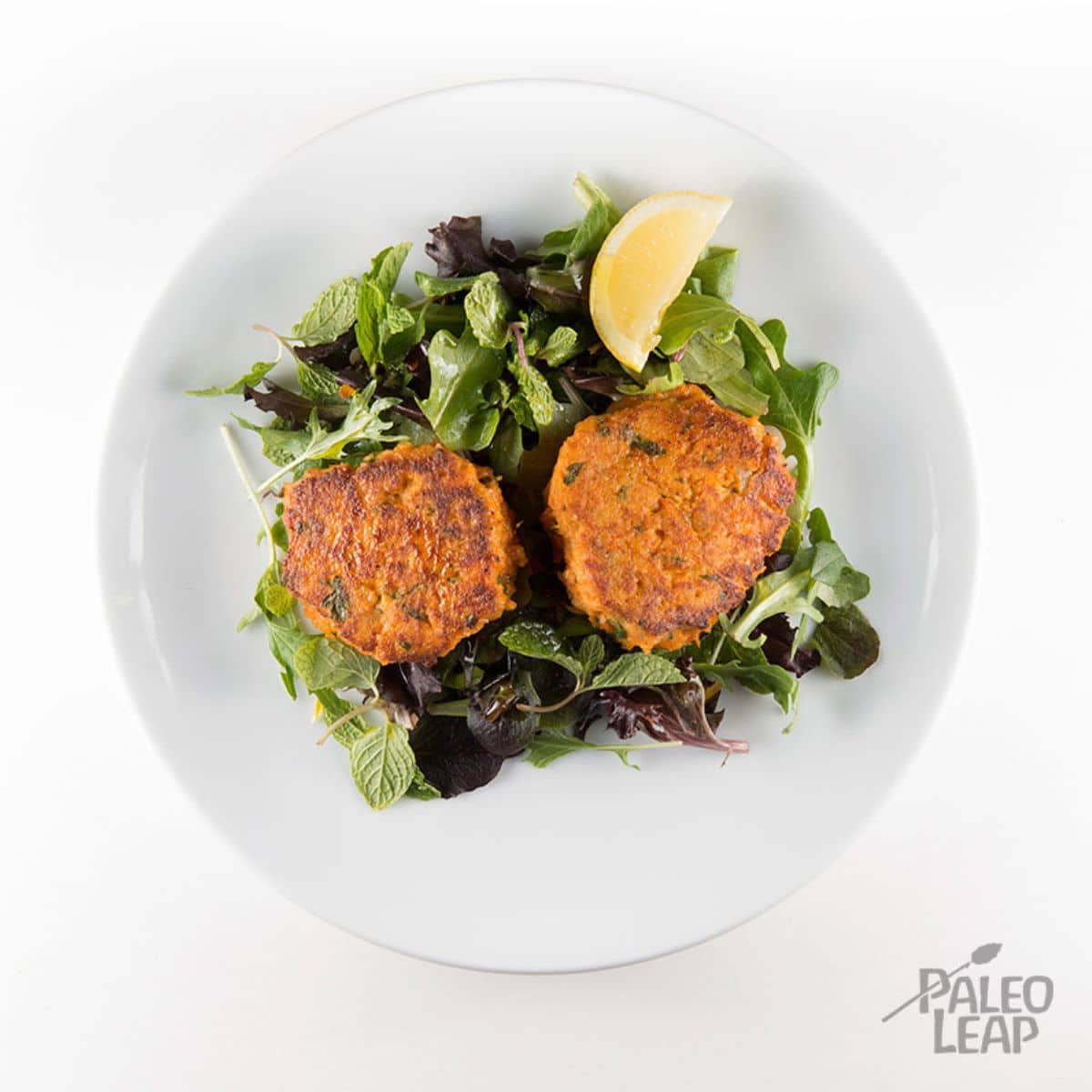
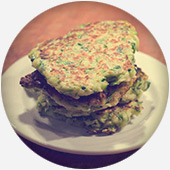
    Canned Salmon Fish Cakes on a white plate.

    We have a tried and tested recipe for salmon cakes made with either sweet potatoes, or classic russets, depending on your non-gluten binder preference. But what if you don't have leftovers or the time to cook a salmon fillet from scratch?

    Enter the canned salmon. It is a super convenient way to add nutrient-dense protein to your meals, at the same time providing you with essential B vitamins, Omega-3 fatty acids, selenium, and potassium.

    Now that you know salmon cakes are mineral and vitamin-rich, what is to stop you from making a batch of scrumptious fish cakes? Let nothing stand in your way as you gather all the ingredients and make your way to the stove.

    If you don't have a microwave, bake the sweet potatoes instead. And not just one, but two or three, to meal prep for lunch/dinner the next day. Do you say you can't use ghee? Coconut oil is wonderful for frying in too, and it is a staple in any Paleo pantry.

    We've included cumin, paprika, and loads of fresh parsley in our fish cakes, all of which complement the delicate flavor of the salmon, but from time to time, we enjoy it on the spicy side and add a little finely chopped jalapeño. A homemade Paleo tartar sauce brings the meal full circle.

    Canned Salmon Fish Cakes Recipe

    Serves: 4 Prep: 25 min Cook: 45 min

    Ingredients

    • 1 large sweet potato, washed
    • ⅔ cup almond meal
    • 2 tbsp. finely chopped onion
    • ¼ cup packed fresh parsley, finely chopped
    • 1 tbsp. lemon juice
    • 1 tsp. cumin
    • 1 ¼ tsp. paprika
    • 3 large eggs
    • 10 oz. canned wild salmon, mashed with a fork
    • Lemon wedge + mixed greens for serving
    • Salt and pepper to taste
    • Ghee, for frying

    Preparation

    1. Prick the sweet potato all over with a fork, place in damp paper towels, and pop in the microwave on high for 8 minutes.
    2. Let it cool before cutting it in half and scooping out the flesh.
    3. Combine almond meal, onion, parsley, lemon juice, eggs, spices, and salmon.
    4. Add the sweet potato flesh to the mixture. Make sure it’s cool enough so that it won’t start cooking the eggs.
    5. Form evenly shaped patties, with about ⅓ cup of the mixture per patty.
    6. Place them on a baking sheet and in the fridge for about 30 minutes.
    7. Heat a large frying pan over medium-high heat and add a good amount of ghee.
    8. Cook the patties for about 5 to 6 minutes on each side. Proceed in 2 or 3 batches.

    📖 Recipe

    Canned Salmon Fish Cakes on a white plate.

    Canned Salmon Fish Cakes Recipe

    No leftover cooked salmon to add to your fish cakes? Use canned salmon instead, with plenty of fresh parsley, cumin, paprika, and lemon juice.
    5 from 1 vote
    Print Recipe Pin Recipe
    Prep Time 25 minutes mins
    Cook Time 45 minutes mins
    Total Time 1 hour hr 10 minutes mins
    Course Main Course
    Cuisine American
    Servings 4 people
    Calories 162 kcal

    Ingredients
      

    • 1 large sweet potato washed
    • ⅔ cup almond meal
    • 2 tbsp. finely chopped onion
    • ¼ cup packed fresh parsley finely chopped
    • 1 tbsp. lemon juice
    • 1 tsp. cumin
    • 1 ¼ tsp. paprika
    • 3 large eggs
    • 10 oz. canned wild salmon mashed with a fork
    • Lemon wedge + mixed greens for serving
    • Salt and pepper to taste
    • Ghee for frying

    Instructions
     

    • Prick the sweet potato all over with a fork, place in damp paper towels, and pop in the microwave on high for 8 minutes.
      1 large sweet potato
    • Let it cool before cutting it in half and scooping out the flesh.
    • Combine almond meal, onion, parsley, lemon juice, eggs, spices, and salmon.
      ⅔ cup almond meal, 2 tbsp. finely chopped onion, ¼ cup packed fresh parsley, 1 tbsp. lemon juice, 1 tsp. cumin, 1 ¼ tsp. paprika, 3 large eggs, 10 oz. canned wild salmon, Salt and pepper to taste
    • Add the sweet potato flesh to the mixture. Make sure it’s cool enough so that it won’t start cooking the eggs.
    • Form evenly shaped patties, with about ⅓ cup of the mixture per patty.
    • Place them on a baking sheet and in the fridge for about 30 minutes.
    • Heat a large frying pan over medium-high heat and add a good amount of ghee.
      Ghee
    • Cook the patties for about 5 to 6 minutes on each side. Proceed in 2 or 3 batches.
      Lemon wedge + mixed greens for serving

    Nutrition

    Calories: 162kcalCarbohydrates: 6gProtein: 9gFat: 13gSaturated Fat: 2gPolyunsaturated Fat: 1gMonounsaturated Fat: 1gTrans Fat: 0.01gCholesterol: 123mgSodium: 50mgPotassium: 106mgFiber: 3gSugar: 1gVitamin A: 953IUVitamin C: 2mgCalcium: 73mgIron: 2mg
    Keyword cake, canned salmon, paleo, recipe
    Tried this recipe?Let us know how it was!

    Filed Under: Paleo Fish and Seafood Recipes, Paleo Recipes Tagged With: cooking: stovetop, diet: dairy-free, diet: low-fodmap, diet: no sweeteners, diet: shellfish-free, Paleo Budget-Friendly Recipes, Paleo Dinner Recipes, Paleo Kid-Friendly Recipes, Paleo Low-Carb Recipes, Paleo Lunch Recipes

    Sweet Potato Shepherd’s Pie Recipe

    November 7, 2022 by Paleo Leaper Leave a Comment

    It turns out, there is a shepherd's pie for every shepherd's pie lover - who would have thought?

    Pulled beef shepherd's pie is for those who have pulled beef leftovers. Elk shepherd's pie is the recipe you are seeking when you want to introduce a new and exciting protein into your meals.

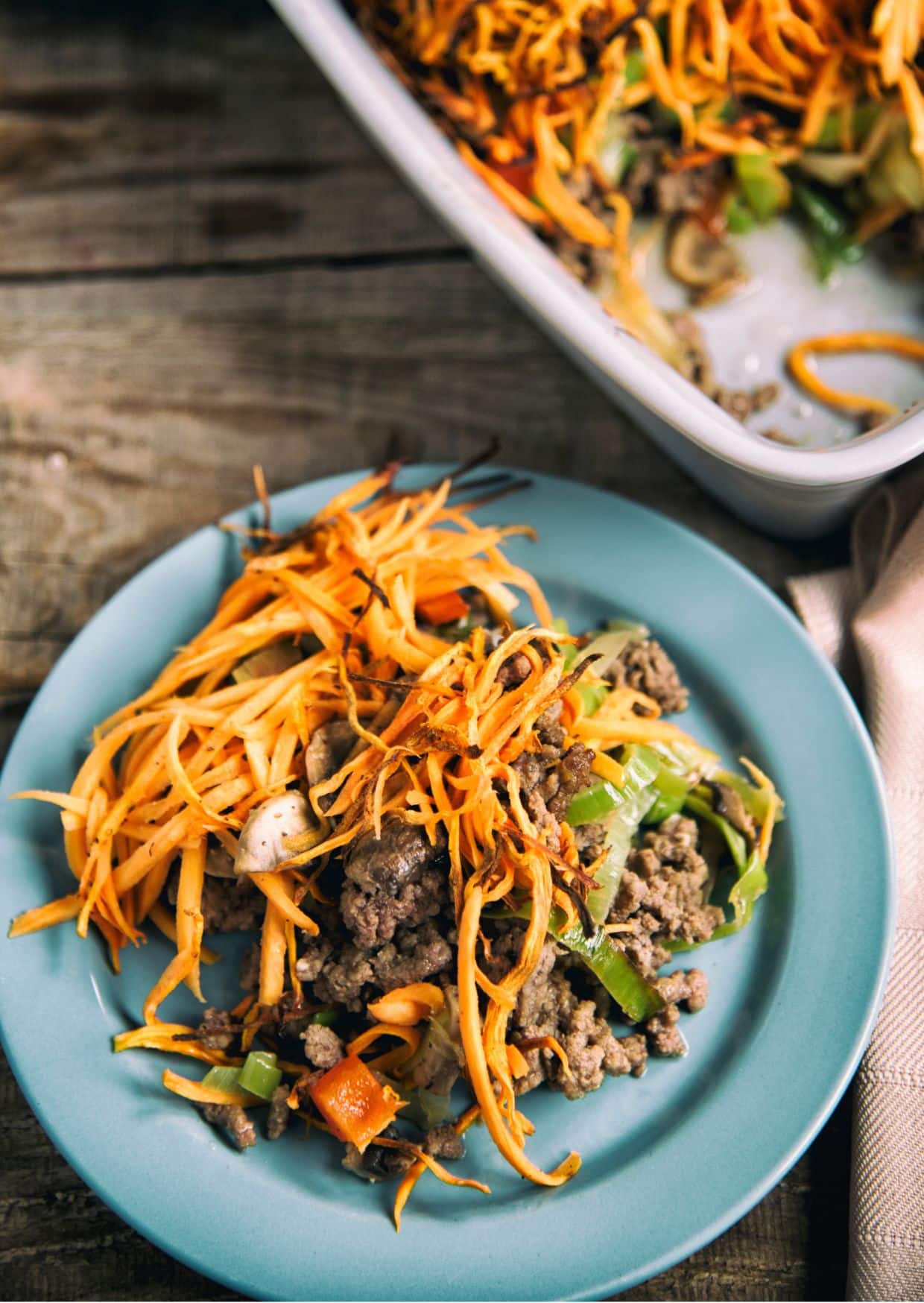
    Sweet Potato Shepherd’s Pie on a blue plate.

    Bison can be incorporated here, too, with excellent results. Irish-style shepherd's pie is getting closer to its origins, providing the ultimate in Sunday evening comfort food.

    If you really want to experience the true shepherd's pie, ground lamb meat is what you should be after. But it is entirely acceptable to use veal or beef. It is all a matter of protein preference, you could even mix the two meats 50/50.

    Bottom line, shepherd's pie is a wonderful cook-ahead meal. It can even be frozen and reheated when the time is right for an unexpected and casual dinner with family and friends.

    Just thaw it out in the fridge the night before serving, then place it in a preheated 350 F oven and bake until piping hot in the center. You can cover it with foil to prevent it from burning.

    What to serve with shepherd's pie? Choices are aplenty! A fresh salad is always appreciated, roasted green beans make for an appetizing side, glazed carrots are deliciously sweet, and roasted squash or beets are more than just a treat.

    Sweet Potato Shepherd’s Pie Recipe

    Serves: 4 Prep: 15 min Cook: 30 min

    Ingredients

    • 1 lb. ground veal or beef
    • 2 to 3 sweet potatoes, peeled and shredded
    • 1 leek, thinly sliced
    • 1 bell pepper, diced
    • 8 to 10 mushrooms, sliced
    • 3 tbsp. tomato paste
    • ½ tsp. dried rosemary
    • ½ tsp. dried oregano
    • ¼ cup water
    • Cooking fat
    • Sea salt and freshly ground black pepper

    Preparation

    1. Preheat oven to 400 F.
    2. Melt some cooking fat in a skillet over medium heat, add the ground meat, season to taste, and cook until browned.
    3. Add the tomato paste and water. Mix well and bring to a simmer for 5 minutes.
    4. Place in a single layer, at the bottom of a baking dish.
    5. In the same skillet, cook the leek and bell pepper, for about 4 to 5 minutes.
    6. Add the mushrooms and herbs, then cook for another 2 minutes.
    7. Pour the vegetable mixture over the ground veal or beef.
    8. Top the baking dish with the shredded sweet potatoes and place in the preheated oven.
    9. Cook for 20 to 25 minutes.

    📖 Recipe

    Sweet Potato Shepherd’s Pie on a blue plate.

    Sweet Potato Shepherd’s Pie Recipe

    There are many recipes for shepherd's pie, ranging from potato-less to sweet potato-full. This one has them shredded on top, with mouthwatering results.
    5 from 1 vote
    Print Recipe Pin Recipe
    Prep Time 15 minutes mins
    Cook Time 30 minutes mins
    Total Time 45 minutes mins
    Course Main Course
    Cuisine American
    Servings 4 people
    Calories 99 kcal

    Ingredients
      

    • 1 lb. ground veal or beef
    • 2 to 3 sweet potatoes peeled and shredded
    • 1 leek thinly sliced
    • 1 bell pepper diced
    • 8 to 10 mushrooms sliced
    • 3 tbsp. tomato paste
    • ½ tsp. dried rosemary
    • ½ tsp. dried oregano
    • ¼ cup water
    • Cooking fat
    • Sea salt and freshly ground black pepper

    Instructions
     

    • Preheat oven to 400 F.
    • Melt some cooking fat in a skillet over medium heat, add the ground meat, season to taste and cook until browned.
      1 lb. ground veal or beef, Cooking fat, Sea salt and freshly ground black pepper
    • Add the tomato paste and water. Mix well and bring to simmer for 5 minutes.
      3 tbsp. tomato paste, ¼ cup water
    • Place in a single layer, at the bottom of a baking dish.
    • In the same skillet, cook the leek and bell pepper, about 4 to 5 minutes.
      1 leek, 1 bell pepper
    • Add the mushrooms and herbs, then cook for another 2 minutes.
      8 to 10 mushrooms, ½ tsp. dried rosemary, ½ tsp. dried oregano
    • Pour the vegetable mixture over the ground veal or beef.
    • Top the baking dish with the shredded sweet potatoes and place in the preheated oven.
      2 to 3 sweet potatoes
    • Cook for 20 to 25 minutes.

    Nutrition

    Calories: 99kcalCarbohydrates: 23gProtein: 3gFat: 1gSaturated Fat: 0.1gPolyunsaturated Fat: 0.2gMonounsaturated Fat: 0.04gSodium: 135mgPotassium: 557mgFiber: 4gSugar: 7gVitamin A: 10766IUVitamin C: 46mgCalcium: 58mgIron: 5mg
    Keyword recipe, shepherd's pie, sweet potato
    Tried this recipe?Let us know how it was!

    Filed Under: Paleo Beef and Red Meat Recipes, Paleo Recipes Tagged With: Complete Meals, cooking: fast prep, cooking: oven, diet: egg-free, diet: nut-free, diet: shellfish-free, good for leftovers, Paleo Budget-Friendly Recipes, Paleo Dinner Recipes, Paleo Low-Carb Recipes

    Chicken with Spinach, Sweet Potatoes, and Mushrooms Recipe

    November 2, 2022 by Paleo Leaper 8 Comments

    Chicken often makes a delightful appearance with mashed sweet potatoes and green vegetables. Other times, it comes along in the form of a creamy mushroom and spinach chicken dish. Somehow it always tastes amazing in a filling meal where spinach, sweet potatoes, and mushrooms of any kind meet.

    It could be a soup, a stew or a casserole, or something in between. However you cook it and whatever you call it, just make sure there is enough to share!

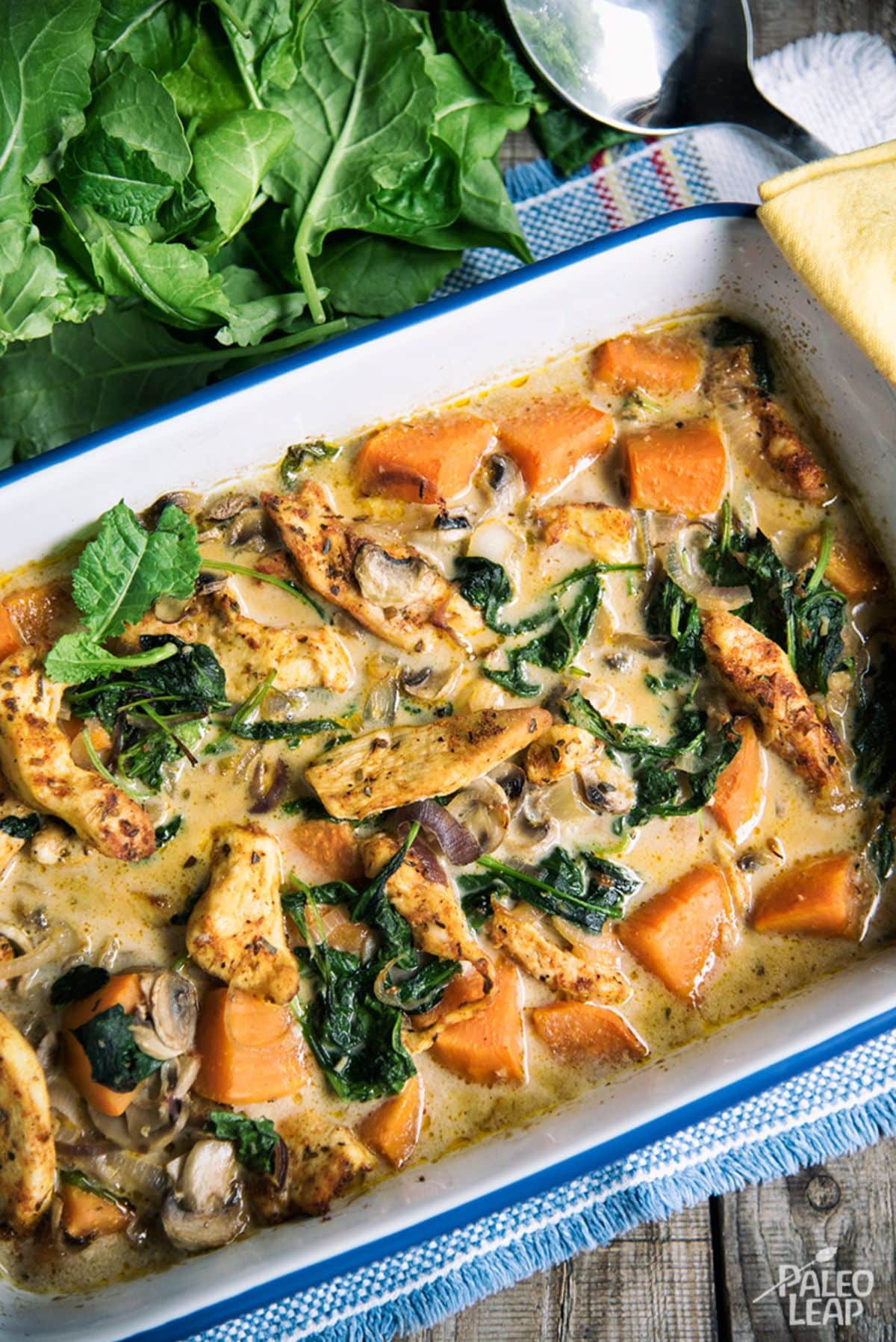
    Chicken with Spinach, Sweet Potatoes and Mushrooms recipe

    As much as we love skillet meals for their quick-cooking ease and simplicity, nothing beats a baked dish where all the flavors can happily simmer together for 20 minutes or more.

    What we have here, is a marriage between the two, meeting somewhere in the middle.

    The chicken needs to be spiced and browned in a skillet over medium heat, then it is transferred to a baking dish, only to bring in the diced sweet potatoes for a pre-cooking party.

    Add the rest of the ingredients to the skillet, stir for a few minutes, then place everything with the chicken in the baking dish. Bring on the chicken stock and coconut milk, along with the baby spinach, stir, bake and wait.

    While you are waiting, go ahead and relax if you've had a rushed day. However, if you are ready for more food, more fun, and more out-of-life, why not make a quick salad to complement the chicken and vegetables?

    A creamy cucumber and chive salad suit it nicely. You can even toss the leftovers in the fridge for the following day.

    Chicken With Spinach, Sweet Potatoes, And Mushrooms Recipe

    Serves: 4 Prep: 20 min Cook: 40 min

    Ingredients

    • 2 lbs. chicken breasts, skinless, boneless, and sliced
    • 2 sweet potatoes, peeled and diced
    • 10 mushrooms, sliced
    • 1 red onion, sliced
    • 2 garlic cloves, minced
    • 2 cups baby spinach
    • ½ cup chicken stock
    • 1 cup coconut milk
    • 1 tbsp. garlic powder
    • 1 tbsp. onion powder
    • 1 tbsp. paprika
    • 1 tbsp. coconut oil
    • Sea salt and freshly ground black pepper

    Preparation

    1. Preheat oven to 375 F.
    2. In a bowl, combine the garlic powder, onion powder, and paprika, then season to taste.
    3. Season the chicken pieces with the spice mixture.
    4. Melt the coconut oil in a skillet over medium-high heat.
    5. Brown the chicken in the skillet on both sides, 2 to 3 minutes per side; then transfer to a baking dish.
    6. Cook the diced sweet potatoes for 5 to 6 minutes in the skillet over medium heat. Add more coconut oil if needed.
    7. Add the onion, mushrooms, and garlic to the sweet potatoes and cook for another 2 to 3 minutes.
    8. Add the sweet potatoes, onion, mushrooms, and garlic to the baking dish.
    9. Pour in the coconut milk and chicken stock.
    10. Top with baby spinach, and give everything a toss.
    11. Place in the oven and bake for 18 to 20 minutes, covered. Bake another 10 minutes uncovered.

    📖 Recipe

    Chicken With Spinach, Sweet Potatoes And Mushrooms Recipe

    Chicken With Spinach, Sweet Potatoes And Mushrooms Recipe

    You can stuff sweet potatoes with spinach, mushrooms and chicken, or you can bake them all together with a creamy, delectable gravy.
    4.77 from 17 votes
    Print Recipe Pin Recipe
    Prep Time 20 minutes mins
    Cook Time 40 minutes mins
    Total Time 1 hour hr
    Course Main Course
    Cuisine American
    Servings 4 people
    Calories 645 kcal

    Ingredients
      

    • 2 lbs. chicken breasts skinless, boneless and sliced
    • 2 sweet potatoes peeled and diced
    • 10 mushrooms sliced
    • 1 red onion sliced
    • 2 garlic cloves minced
    • 2 cups baby spinach
    • ½ cup chicken stock
    • 1 cup coconut milk
    • 1 tbsp. garlic powder
    • 1 tbsp. onion powder
    • 1 tbsp. paprika
    • 1 tbsp. coconut oil
    • Sea salt and freshly ground black pepper

    Instructions
     

    • Preheat oven to 375 F.
    • In a bowl, combine the garlic powder, onion powder and paprika, then season to taste.
    • Season the chicken pieces with the spice mixture.
    • Melt the coconut oil in a skillet over medium-high heat.
    • Brown the chicken in the skillet on both sides, 2 to 3 minutes per side; then transfer to a baking dish.
    • Cook the diced sweet potatoes for 5 to 6 minutes in the skillet over medium heat. Add more coconut oil if needed.
    • Add the onion, mushrooms, and garlic to the sweet potatoes and cook for another 2 to 3 minutes.
    • Add the sweet potatoes, onion, mushrooms, and garlic to the baking dish.
    • Pour in the coconut milk and chicken stock.
    • Top with baby spinach, give everything a toss.
    • Place in the oven and bake for 18 to 20 minutes, covered. Bake another 10 minutes uncovered.

    Nutrition

    Calories: 645kcalCarbohydrates: 29gProtein: 77gFat: 25gSaturated Fat: 16gPolyunsaturated Fat: 2gMonounsaturated Fat: 4gCholesterol: 194mgSodium: 281mgPotassium: 1383mgFiber: 6gSugar: 5gVitamin A: 12497IUVitamin C: 10mgCalcium: 128mgIron: 10mg
    Keyword chicken, gravy, spinach, sweet potato
    Tried this recipe?Let us know how it was!

    Filed Under: Paleo Chicken and Poultry Recipes, Paleo Recipes Tagged With: Complete Meals, cooking: oven, cooking: stovetop, diet: dairy-free, diet: egg-free, diet: no sweeteners, diet: nut-free, diet: shellfish-free, good for leftovers, Paleo Dinner Recipes, Paleo Kid-Friendly Recipes, Paleo Low-Carb Recipes

    Pumpkin Sloppy Joes Recipe

    November 2, 2022 by Paleo Leaper Leave a Comment

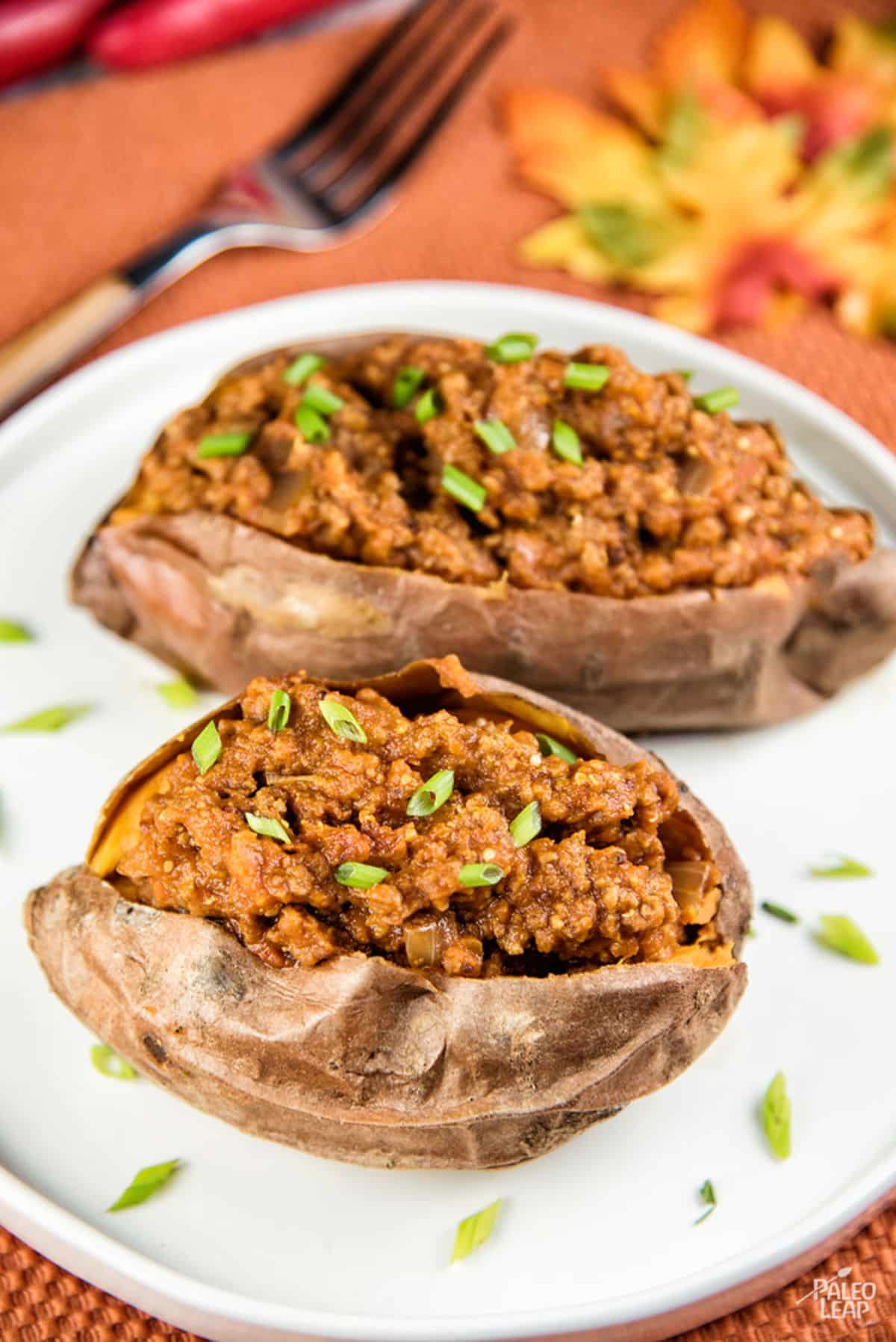
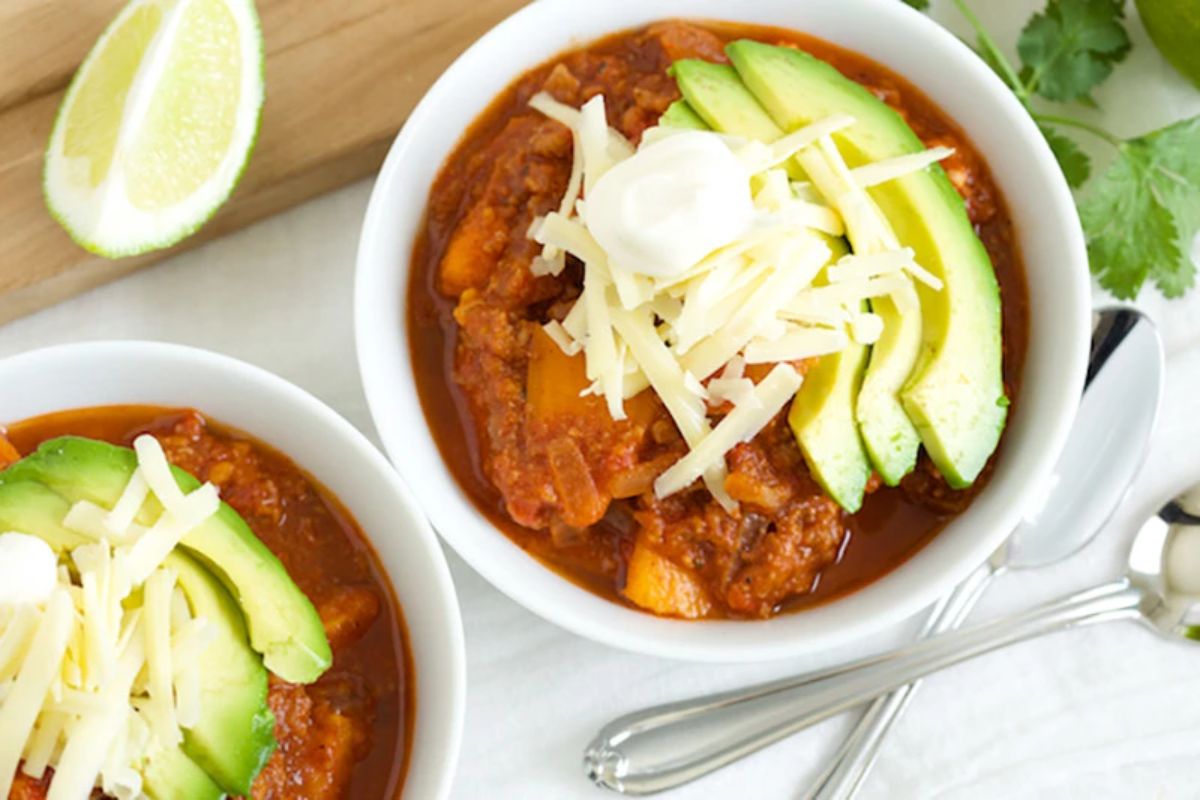
    Pumpkins have started appearing at the grocery store, and there are all kinds of ways to enjoy them that don’t involve pie! Here’s just one: a Paleo twist on sloppy Joes with a pumpkin-flavored beef chili served inside roasted sweet potatoes.

    Pumpkin Sloppy Joes served on a white plate

    It’s just on the line between sweet and savory, and the allspice, cloves, and chili powder give it depth with just a pinch of heat.

    This is also a great recipe for kids, especially if you’ve been saying no to a lot of pumpkin cookies and muffins (and scones, gummy candies, granola, and breakfast cereal…) lately. Let them give you a hand in the kitchen with it – maybe wrapping up the potatoes or stuffing them when everything is done.

    Or if you’re trying to keep the carbs a little lower, you could serve the chili over squash or even salad. If you have any leftovers, throw them in your eggs and make a fall-flavored breakfast for the week.

    Pumpkin Sloppy Joes Recipe

    SERVES: 4 PREP: 15 min. COOK: 20 min

    Ingredients

    • 1 lb. ground beef;
    • 1 onion, chopped;
    • 1 garlic clove, minced;
    • 1 cup pumpkin puree;
    • 1 cup tomato sauce;
    • 2 tbsp. raw honey; (optional)
    • 2 tbsp. Dijon mustard;
    • 1 tbsp. chili powder;
    • ¼ tsp. ground allspice.
    • 4 sweet potatoes;
    • Cooking fat;
    • Sea salt and freshly ground black pepper;
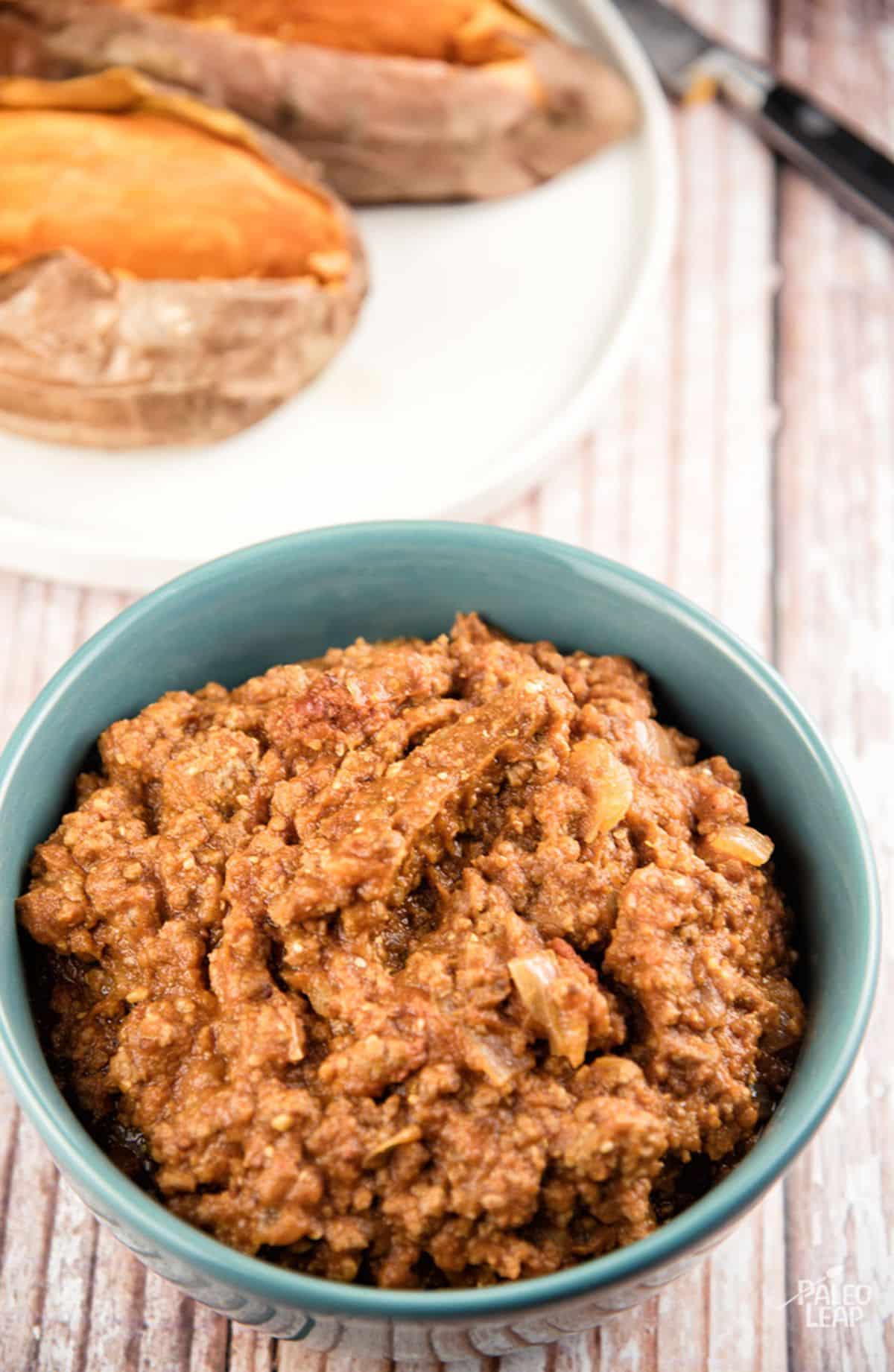
    Pumpkin Sloppy Joes in a teal dish

    Preparation

    1. Preheat your oven to 425 F.
    2. Wrap the sweet potatoes in foil, and bake in the oven for 30 to 40 minutes.
    3. Heat a skillet over medium-high heat.
    4. Melt in some cooking fat, add the garlic and onion and cook until soft.
    5. Add the ground beef and cook until brown.
    6. Stir in the pumpkin, tomato sauce, mustard, honey, allspice, and chili powder.
    7. Give everything a good stir, and cook for 10 to 12 minutes.
    8. Season to taste, and serve stuffed with sweet potatoes.

    📖 Recipe

    Pumpkin Sloppy Joes Recipe

    Cozy up to a big pile of this pumpkin-flavored sloppy joes chili with a sweet potato standing in for the bun.
    5 from 1 vote
    Print Recipe Pin Recipe
    Prep Time 15 minutes mins
    Cook Time 20 minutes mins
    Total Time 35 minutes mins
    Course Appetizer
    Cuisine American
    Servings 4 people
    Calories 521 kcal

    Ingredients
      

    • 1 lb ground beef
    • 1 onion
    • 1 clove garlic minced
    • 1 cup pumpkin puree
    • 1 cup tomato sauce
    • 2 tablespoon raw honey (optional)
    • 2 tablespoon Dijon mustard
    • 1 tablespoon chili powder
    • ¼ teaspoon ground allspice
    • 4 sweet potatoes
    • 1 tablespoon Cooking fat
    • Sea salt and freshly ground black pepper

    Instructions
     

    • Preheat your oven to 425 F.
    • Wrap the sweet potatoes in foil, and bake in the oven for 30 to 40 minutes.
      4 sweet potatoes
    • Heat a skillet over a medium-high heat.
    • Melt-in some cooking fat, add the garlic and onion, and cook until soft.
      1 onion, 1 clove garlic, 1 tbsp Cooking fat
    • Add the ground beef and cook until brown.
      1 lb ground beef
    • Stir in the pumpkin, tomato sauce, mustard, honey, allspice, and chili powder.
      1 cup pumpkin puree, 1 cup tomato sauce, 2 tbsp raw honey, 2 tbsp Dijon mustard, ¼ tsp ground allspice, 1 tbsp chili powder
    • Give everything a good stir, and cook for 10 to 12 minutes.
    • Season to taste, and serve stuffed in the sweet potatoes.
      Sea salt and freshly ground black pepper

    Nutrition

    Calories: 521kcalCarbohydrates: 47gProtein: 24gFat: 27gSaturated Fat: 9gPolyunsaturated Fat: 3gMonounsaturated Fat: 11gTrans Fat: 1gCholesterol: 81mgSodium: 558mgPotassium: 1150mgFiber: 8gSugar: 20gVitamin A: 28840IUVitamin C: 12mgCalcium: 103mgIron: 5mg
    Keyword chilli, pumpkin, sloppy joe
    Tried this recipe?Let us know how it was!

    Filed Under: Paleo Beef and Red Meat Recipes, Paleo Recipes Tagged With: cooking: fast prep, cooking: oven, cooking: stovetop, diet: dairy-free, diet: egg-free, diet: nut-free, diet: shellfish-free, Paleo Budget-Friendly Recipes, Paleo Dinner Recipes, Paleo Kid-Friendly Recipes

    15 Paleo/Keto Gifts for Every Budget

    November 27, 2019 by Paleo Leaper Leave a Comment

    gift guide cover

    Got a friend or loved one who’s really into Paleo or trying keto for the first time? Don’t know what to get them? We’re here to help, even if you don’t eat this way yourself.

    If you already eat Paleo or keto, then the holiday gift-giving is a little bit easier. If your recipient says something like “I’m low-FODMAP HFLC and experimenting with OMAD right now but I’m off AIP,” it actually makes sense to you. But if you’re not already Paleo, that’s just fine. You’re an awesome friend/spouse/sibling for supporting your recipient! Just don’t buy them food if you’re not sure what they eat. Don’t rely on labels like “gluten-free” or even “Paleo-friendly.” Every Paleo eater tweaks the diet to their own exact needs, so if you’re not sure about your recipient specifically, just buy non-food gifts that still support their Paleo/keto goals.

    Non-food gifts that require absolutely 0 nutritional knowledge on your part and work for even the most restrictive diets are marked with a triple asterisk (***) in this list.

    Paleo is about more than food: it’s also about sleep, stress management, and healthy movement. So these gift ideas also include tools for the whole lifestyle.

    Under $20

    andy holmes
    Photo by Andy Holmes on Unsplash

    ***Stretchy resizeable silicone lids. Prepping, storing, and hauling around home-cooked food to work and school takes a lot of containers, and that’s before you even think about managing leftovers. One-size-fits-all airtight silicone lids basically turn every container into a Tupperware. They reduce dirty dishes (because you can store your food right in the same bowl you served it out of) and save time spent hunting for matching lids.

    A new spice blend or sauce. Order online or pick up something at your local farmer’s market/co-op/ health food store. Then look up some Paleo recipe suggestions that would be good with the spice/sauce, print them out, and package it all together. For example, to go with a za’atar blend, you could give them the recipe for za’atar grilled chicken.

    ***Travel-friendly salad dressing containers. A lot of Paleo folks either make their own dressing at home or buy specialty brands that don’t offer dressing in single-use pouches. So if they want to pack salad for lunch, they’ll need a single serving of salad dressing to go with it. Get them a set of serving-sized dressing containers so they never have to tote around a full-sized bottle again.

    Take a logistical load off their back. Do they struggle to get to the grocery store? If so, can you help out by paying for delivery service, babysitting for a few hours, or making the trip for them once a month? Are they always rushed for time doing meal prep? If so, can you look up recipes, make shopping lists for them, and come over for meal prep help/social catch-up? What logistical thing do they struggle with and how can you organize it on their behalf?

    The actual present you’re giving them here is stress relief via application of your time and/or money - sometimes that’s more valuable than any physical “thing” you could buy. Whatever you’ll do for them, print up a nice certificate - that’s your physical present.

    With some thoughtful planning, this can be an amazing gift even if you don’t have a lot of money to spend.

    $20-50

    ***Window blackout curtains. To get a really good night of sleep, it helps to have a completely dark room. No streetlight blaring in through the window, no stray ambulance lights, no headlights. Blackout curtains are the best way to make that happen, and yet a lot of people never get around to buying them.

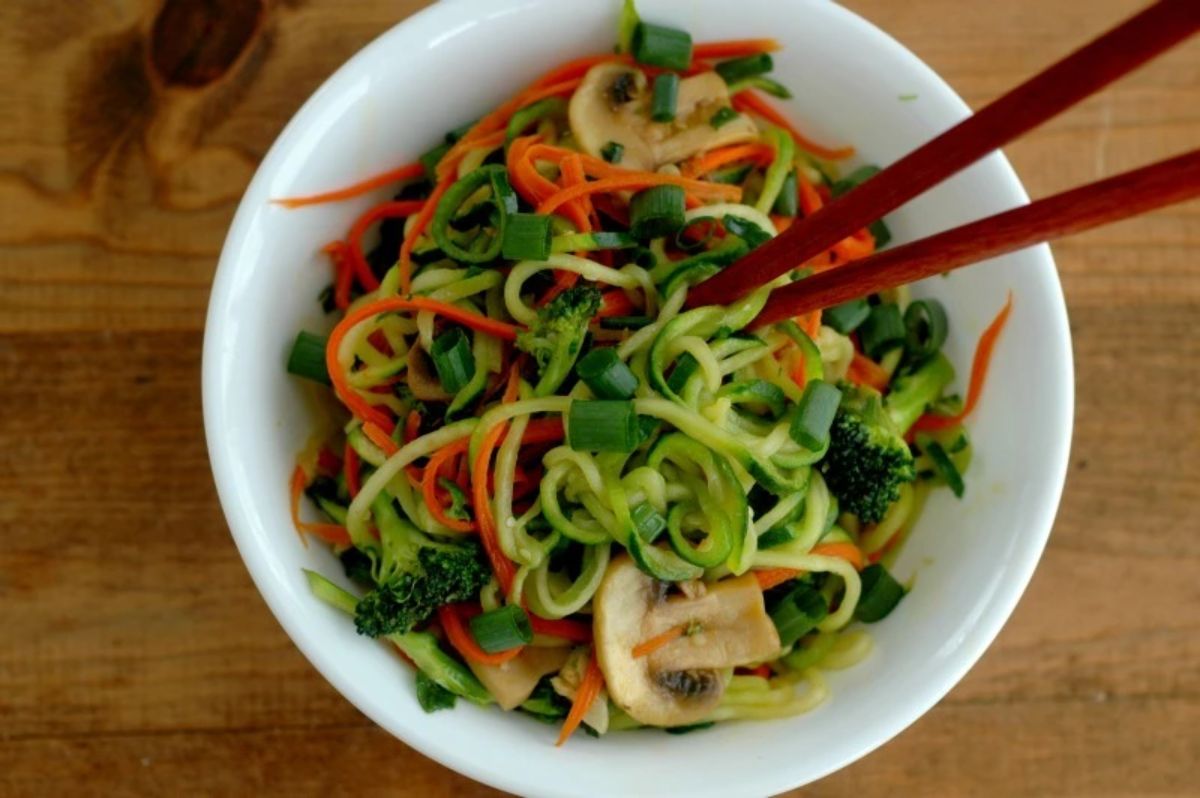
    ***A vegetable spiralizer. These make Paleo-friendly spiral noodles out of any vegetable. Zucchini, carrots, sweet potatoes, butternut squash...all of them turn into the perfect base for meatballs and marinara sauce after a few turns in the spiralizer!

    A travel sleep kit. Got a friend who travels a lot? Make them a travel sleep kit. Fill with any/all of the following:

    • A sleep mask
    • Melatonin, if they use it.
    • Magnesium supplements (Natural Calm comes in travel-friendly single packets!)
    • A box of herbal tea
    • A few notecards with hand-written quotes or peaceful poetry
    • Essential oils
    • Nice lotion
    • Makeup removal/cleansing cloths

    Pack it all up in a zipper pouch for a travel-ready gift.

    ***A slow-cooker. These incredibly handy little gadgets cook soup, bone broth, chili, roasts, vegetables, and more while you leave the house and do whatever you want. If your recipient doesn’t already have one, this is a great time and labor-saver.

    A Paleo/keto snack bag. Grab-and-go packaged Paleo snacks are so convenient and can save someone from a food decision they’ll regret later. Treat your recipient to a collection of Paleo-friendly snacks in a funny or pretty container. Some ideas:

    • Box of fancy tea
    • Snack packs of nuts/seeds
    • Paleo or keto nutrition bars (see our Paleo bar taste-tests)
    • Collagen powder (collagen powder taste-tests)
    • Non-nut Paleo snacks (Paleo snack taste-tests)
    • Jerky or meat-based snack sticks

    A cookbook or two. Sure, your recipient can Google a recipe for anything they want, but what if they’re not really sure what they want? You can’t just Google “something I haven’t eaten” and get a list of recipe ideas. What if they want to branch out into recipes they don’t know about or cuisines they’ve never tried? Or what if they want to write notes? And add post-its? There’s a lot to be said for a really good physical cookbook.

    $50-100

    ***An indoor air purifier. Let’s face it - humans make a lot of weird smells, especially when we’re trapped inside with the windows shut all winter. Also, spending time inside exposes you to cleaning fumes, any chemicals released by your bed or furniture, and lots of other indoor air pollutants. The temptation is to buy tons of chemical air fresheners that spew “garden lilac” or “fresh linen breeze” - but that just masks the smell without actually taking out odors at the source. Get your recipient a real air purifier that actually improves air quality while dealing with the smells. The EPA has some helpful guidance on choosing residential air purifiers here.

    charlie solorzano
    Photo by Charlie Solorzano on Unsplash

    Grass-Fed Meat. If possible, Paleo encourages pasture-raised and grass-fed meat - it’s more nutritious and also avoids our cruel and environmentally disastrous factory farm system. There are lots of online stores where you can order really good, grass-fed meat for your recipient. Paleo Leap doesn’t endorse any particular option, but US Wellness Meats is a popular option, or Butcher Box if you prefer the subscription box style. For someone who can’t normally afford grass-fed or pastured meat, this can be a huge relief to their grocery budget and a big bump in food quality.

    ***Personal training or fitness experiences. Paying for a session with a personal trainer is a great gift for gym rats. Or if they’re not big on traditional gyms, what about day passes to go rock climbing, skiing, or kayaking? Or yoga, barre, spin, aqua aerobics, martial arts - anything that they might not have tried before. Pick something that fits your budget and go for it. (Optionally, if you still have cash to spend, add something they might need for the experience, like climbing chalk, a yoga mat, or a gym bag.)

    ***A nice massage. One of the “lifestyle” parts of Paleo is about relieving chronic stress (that’s stuff like a commute that sends your blood pressure through the roof every day). A really good massage is amazing stress relief, not just because it feels nice but also because it’s an hour totally away from the social media comparison game. If your recipient is into athletics at all, try to find a sports massage for them. Whatever body part they have that’s always aching and injured, it will thank you!

    A subscription to Costco or an online marketplace. With this gift, you’re basically giving your recipient a discount on groceries for the year. For families with kids, Costco is a big money saver and great for Paleo staples like nuts, organic meat, and frozen food. For people with smaller households, try a gift subscription to an online health-food market. Paleo Leap doesn’t endorse any particular marketplace, but one option with a lot of Paleo and Keto choices is Thrive Market (about $60/year).

    What's your favorite Paleo or keto gift?

    What Paleo or keto gift did you give that the recipient loved? Let us know on Facebook or Twitter!

    Filed Under: Learn About Paleo & Keto Diets

    How to Cook with Coconut Milk

    October 17, 2019 by Paleo Leaper Leave a Comment

    Dairy can be keto-friendly and it’s a Paleo gray area, but there are a lot of people who just feel better without it. For those folks, coconut milk is often the first choice of substitutes - but if you’ve never cooked with it, coconut milk can be confusing.

    Nutrition basics

    Coconut milk is mostly fat, with a little bit of protein and a few carbs. It's pretty keto-friendly in reasonable amounts (unless you’re getting a sweetened type, which you shouldn’t).

     Coconut milk (½ cup)
    Protein2.3 grams
    Fat24 grams
    Carbs3.2 grams (and also 3.2 net, since there’s no fiber)
    Other good stuffSeveral minerals, most importantly iron and magnesium.

    Unlike cow’s milk, coconut milk has almost no calcium. If you’re hunting for a calcium source, check out these Paleo-friendly, non-dairy meals.

    Types of coconut milk (have this part open on your phone at the store)

    paleo canofcoconutmilk

    Just like cow’s milk, coconut milk has options. Not quite as many options, luckily for all of our sanity, but there are a couple choices to make.

    The short version: get unsweetened, regular (not lite), canned coconut milk unless you have a specific reason to do otherwise.

    • Sweetened vs. unsweetened - always get unsweetened. If you need a sweetener, you can add a Paleo one at home.
    • Regular vs. lite - always get regular. Lite coconut milk is just regular coconut milk that’s been diluted with water. Usually, it’s the same price per can or only a few cents cheaper, so you’re actually getting less coconut milk for your dollar. If you need your coconut milk diluted, you can add water for free at home. If you don't use the whole can of full-fat coconut milk, you can just freeze whatever's left and then thaw and use it as necessary.
    • Canned vs. boxed - in principle, it doesn’t really matter, but in practice, the coconut milk in boxes often have a lot of gross stabilizers and preservatives to make them shelf-stable at room temperature. Check the ingredients list carefully: if the ingredients are all right, then either canned or boxed is equally good, but in practice, you’re more likely to get decent ingredients with the canned.
    • Coconut cream vs. coconut milk - get coconut cream if you want more of a whipped cream/heavy cream experience. Usually this would be for a dessert. Get coconut milk for anything else. (e.g., curries, stews, soups, hot chocolate)

    Canned coconut milk should be in the middle aisles, sometimes with the powdered/canned milk and sometimes with the Asian food.

    Now, how do you cook with it?

    Cooking with coconut milk

    Unfortunately, you can’t just substitute coconut milk 1:1 for “regular” milk in all recipes. It doesn’t have the same proteins and sugars as cow’s milk, so for finicky things like baking, it just won’t work in exactly the same way. Also, in some applications, it doesn’t taste quite right - you wouldn’t sit down and drink a big glass of it, and most people wouldn’t pour it over cereal. But once you know how to work with it, it’s pretty low-maintenance and extremely delicious.

    What can you cook with coconut milk?

    coconut good

    Soups, curries, and stews - coconut milk is an amazing base liquid for all kinds of soups - if you want a warmer, richer, creamier taste, just throw in a can of coconut milk and enjoy! Try it in...

    • Curries - like this keto-friendly chicken curry or curried cauliflower and kale soup. Or try this coconut curry soup.
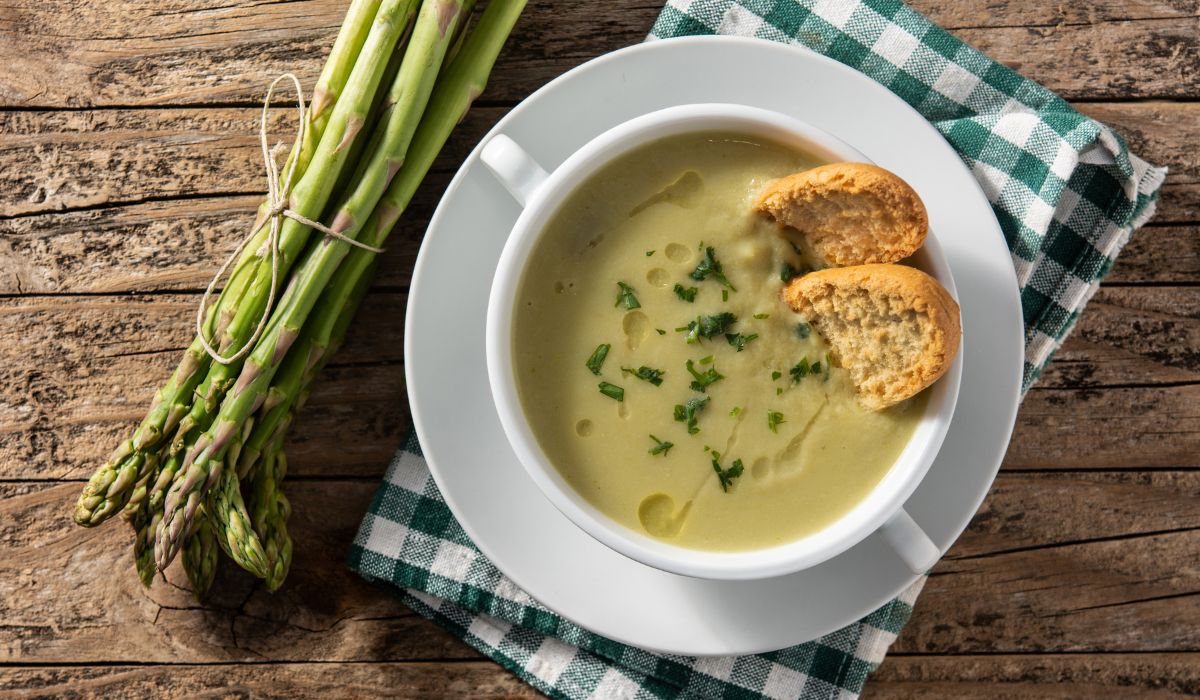
    • Pureed soups - where you might normally use cream or milk, just throw in coconut milk instead. Try it in this zucchini soup with sweet potato scoops of creamy asparagus soup.
    • "Cream of _____ soup” - if you’re missing cream of broccoli or cream of spinach soup, go right ahead and make some, no dairy required.

    Coconut milk has a mild, creamy flavor that adds a rich undertone to any kind of soup or stew you put it in. And it’s super easy to use.

    Almost any cut of meat - coconut milk is a great cooking liquid for meat because it adds a great flavor and goes with almost any type of seasoning. Try using it to braise lean cuts like pork loin. Or use coconut milk as a combination cooking liquid and flavor delivery vehicle for chicken drumsticks, coconut cajun pork chops, slow-cooker coconut-ginger chicken, or even coconut curry shrimp.

    Sauces and dressings - it’s easy to under-appreciate the dressings aisle of the grocery store until you go Paleo and suddenly your options narrow down dramatically. Even with the explosion of “real food” condiments in recent years, it’s still sometimes hard to find what you need, especially at an affordable price.

    Coconut milk can substitute for dairy ingredients in all kinds of sauces and dressings. Check out some recipes:

    • This grilled chicken recipe, featuring a buttermilk dressing made with coconut milk
    • Chicken with coconut-mango sauce
    • AIP grilled salmon with avocado-coconut sauce
    • Mediterranean-style chicken with coconut dill sauce
    • The coconut dressing for this chicken butternut salad

    Desserts - who doesn’t love a good Paleo dessert. Paleo baking doesn’t use coconut milk the same way that “regular” baking uses cow’s milk, but there’s no reason to miss out on that delicious richness in all kinds of desserts, like...

    • Coconut milk hot chocolate
    • Coconut tapioca pudding
    • Paleo eggnog
    • Paleo carrot cake (for this one, you’d want to buy coconut cream instead of coconut milk).
    • Caramel apple chia parfaits

    Coconut cream also makes a great topping for Paleo cake, scones, or other delicacies.

    Miscellaneous cooking notes

    A few extra tips and tricks:

    • It's normal for coconut milk to separate into two layers, with a thicker layer of cream at the top of the can and a thinner layer of watery coconut milk below. If you want the cream separately, this is perfect; if you don't, just shake the can before opening or stir it after opening to re-mix the two halves.
    • Coconut milk freezes well. If you only use half a can, go ahead and freeze the leftovers.
    • Not everyone reacts well to coconut milk. Some people are allergic to coconut; other people just don't tolerate it. If you're in this camp, check out other dairy alternatives like almond milk - no point in forcing the coconut issue if your body isn't happy with it.

    How do you use coconut milk?

    Got a favorite recipe? A tip for cooking with coconut milk/coconut cream? Share on Facebook or Twitter!

    Filed Under: Learn About Paleo & Keto Diets

    6 Paleo and Low-Carb Meals with more Fiber than a Whole-Wheat Sandwich

    February 12, 2019 by Paleo Leaper Leave a Comment

    Meals paleo

    Fiber isn’t the one holy grail for digestive health - in fact, some people have digestive problems from eating too much fiber and feel better when they limit the amount and/or types of fiber in their diet. But for most people, getting a decent amount of fiber every day is good for gut health, easy digestion, and appetite regulation. And it’s generally congruent with our evolutionary history - yes, the Inuit eat very little to no plant food, but the vast majority of hunter-gatherer groups do eat plants, and those plants are largely pretty fibrous.

    Paleo doesn’t mean giving up all plant food, and whole grains aren’t the only source of fiber around - in fact, they’re not even the best source of fiber around. To prove it, we’ll take an ordinary sandwich on whole-wheat bread (the healthy kind that “gives you fiber”) and compare it to some low-carb Paleo meals

    The Sandwich

    Our hypothetical sandwich is a paragon of low-fat, whole-grain tasteless nutrition and includes:

    • 2 slices of whole-wheat bread* (30.8 grams total carbs, 4.3 grams of fiber)
    • 1 slice of tomato (0.8 grams total carbs, 0.2 grams fiber)
    • 2 slices of lettuce (0.4 grams total carbs, 0.3 grams fiber)
    • 1 tbsp. mustard (0.9 grams total carbs, 0.6 grams fiber)
    • 1 tbsp. lite mayonnaise (1.4 grams carbs, 0 grams fiber)
    • 3 slices of deli-sliced turkey breast (0 grams carbs, 0 grams fiber)

    *Different brands will be slightly different - this is the USDA average value for commercial whole-wheat bread in general.

    The total creation contains 35.3 grams of total carbs and 5.4 grams of fiber (the majority of which comes from the bread), for a total of 29.9 grams net carbs. For the curious, it also contain 17.3 grams of protein and 7.5 grams of fat. By weight (grams), that’s 59% carbs, 29% protein, 12% fat. By calories, it’s 505 carbs, 25% protein, and 24% fat..

    It’s worth noting that this isn’t really enough food to keep anyone full for long - it’s only about 300 calories. Most people would eat a bag of chips (a single-serving bag of Lays will run you an extra 21 grams net carbs) or maybe a cookie (one Starbucks chocolate chip cookie will add 72 grams net carbs) with that sandwich to make it into an actually filling meal. But nobody is claiming that chips and cookies add essential fiber to your diet! The claim is that whole grains - in that allegedly healthy bread - add the fiber. And that’s just not the case.

    Now it’s time to see how Paleo and low-carb meals can do better! The choices below are full meals that actually have enough food for an adult, with fewer carbs and more fiber than the "healthy" whole-wheat sandwich.

    1. Braised cabbage with extra bacon

    Meat

    Say “extra bacon” and everyone comes running! Start with this braised cabbage recipe but toss some extra bacon on a baking sheet as well to crisp up - or supplement the cabbage with any other protein of your choice.

    Total carbs (including fiber): 20 grams per serving
    Fiber: 8 grams per serving
    Net carbs (total carbs - fiber): 12 grams per serving

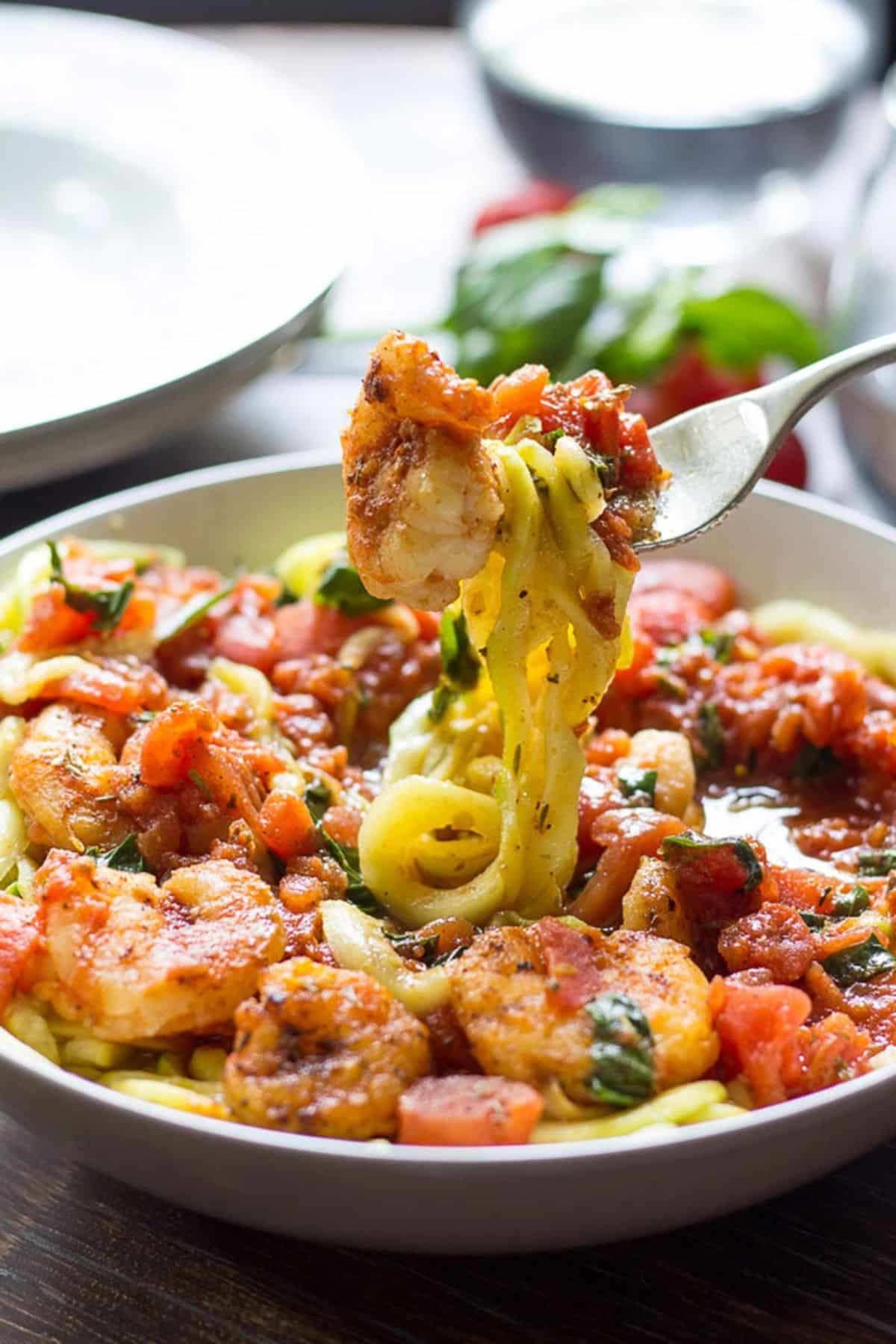
    2. Grilled chicken breast over zucchini noodles with tomato-basil sauce

    For the chicken breast, just toss one (or three, or five, depending on the size of your family) on the grill and throw it on top of some zucchini noodles in an easy tomato sauce.

    These zucchini noodles don’t require a lot of time and effort to prepare, and they make an excellent base for any 0-carb protein (pork chops, chicken breast, shrimp, or whatever else you like). Assuming your protein topper has no carbs:

    Total carbs (including fiber): 23 grams per serving
    Fiber: 6.2 grams per serving
    Net carbs (total carbs - fiber): 16.8 grams per serving

    3. Slow-cooker cabbage casserole

    No time to cook after work? Cook while you’re at work - and come home to dinner already done, with this slow-cooker cabbage casserole. It's pretty low in carbs, high in fiber, and most importantly, delicious! It's also a complete meal because, on top of the cabbage, it has ground beef for protein and healthy fat.

    Total carbs (including fiber): 19 grams per serving
    Fiber: 8 grams per serving
    Net carbs (total carbs - fiber): 11 grams per serving

    4. Steak enchilada salad

    This recipe combines super-easy protein with a super-easy salad bed full of vegetables and healthy fats. It’s packable, meal-preppable, and completely leftover-friendly. And it has significantly more fiber than the whole-wheat sandwich, on top of enough fat and energy to actually keep you full for a while.

    Total carbs (including fiber): 21 grams per serving
    Fiber: 6 grams per serving
    Net carbs (total carbs - fiber): 15 grams per serving

    5. Grilled Sea Bass with caramelized Brussels sprouts

    Don’t be put off by “caramelized” in the title - this is a pretty simple recipe that works great as a weeknight dinner - and it has more than twice the fiber of the whole-wheat sandwich.

    Total carbs (including fiber): 26 grams per serving
    Fiber: 11 grams per serving (mostly from the Brussels sprouts)
    Net carbs (total carbs - fiber): 15 grams per serving

    6. Creamy chicken and bacon pasta

    This Paleo “pasta” is made with spaghetti squash, with 6 grams of fiber (or more, if you really pile on the squash and broccoli). Spaghetti squash is super easy to cook and great for leftovers - add some cheese on top if you do dairy, or just leave it as-is for the lactose free.

    Total carbs (including fiber): 26 grams per serving
    Fiber: 6 grams per serving
    Net carbs (total carbs - fiber): 20 grams per serving

    Bonus recipe: Banana chocolate muffin bites

    Chocolate Paleo

    OK, this recipe for banana chocolate muffin bites isn’t a meal. It’s a dessert. But as a bonus, even the Paleo dessert has more fiber than the allegedly healthy whole-wheat sandwich.

    Total carbs (including fiber): 24 grams per serving
    Fiber: 6.55 grams per serving
    Net carbs (total carbs - fiber): 17.45 grams per serving

    In short: fiber is great but nobody needs whole grains (or any other kind of grains) to get it. Paleo and low-carb meals will do you just fine - and even the desserts aren't slouching when it comes to fiber count.

    Filed Under: Learn About Paleo & Keto Diets

    Building a Paleo/Keto Shopping List: 7 Pantry Staples for Easy Soups

    January 2, 2019 by Paleo Leaper Leave a Comment

    Whether you’re starting Paleo for the new year or just trying to stick with it through the cold months, it helps to have easy go-to recipes that you can just throw together with whatever happens to be in the fridge. No fancy meal planning, no last-minute grocery runs, just a few minutes on the stove and dinner is on.

    Yes, you too can be one of those people who just sails through dinner prep because everything they need is already in the kitchen - even if you didn’t have anything specifically planned and prepped! Just haul out your leftovers and reach for a few staple ingredients to throw together a kitchen sink soup (as in, “everything but the”). Soup is delicious, nourishing, and perfect for the cold, dark winter months.

    Here’s a quick list of nonperishable staples that give you the basis for a soup with whatever meat and vegetables you have lying around. Is your fridge almost totally bare, with nothing but rotisserie chicken leftovers, half a bag of spinach, and a random container of those pre-chopped onions that you bought and forgot about and now really need to use before they go bad? You can make soup with that, and it can actually be very delicious, as long as you have the right staples on hand!

    Here’s a list of 7 nonperishable staples to stock your pantry with:

    1. Coconut milkCoconut milk

    Coconut milk is the Paleo answer to cream-based soups. Throw a big can of coconut milk or cream into tomato or pumpkin soup, or use it as the base for Paleo cream of mushroom (or cream of anything else, really). It makes almost any soup creamy and delicious, and it’s full of healthy fats, especially medium-chain triglycerides.

    Tip: Don’t buy “light” coconut milk - it’s just regular coconut milk, but diluted, so you’re paying for extra water in the can. If you want a less intense flavor, just use half a can of regular and dilute it at home for free. Extras can be kept covered in the fridge for a few days - for longer than that, just stick the whole can in the freezer until you need it for the next time.

    Use it in…

    • Creamy chicken vegetable soup
    • Spicy mussel soup
    • Roasted cauliflower and sweet potato soup

    2. Bones/bone broth

    Coconut milk is great for creamy soups, but sometimes you want more of a clear broth - think chicken vegetable, or French onion. Bone broth is on-trend right now, but you absolutely don’t need to pay $5 for a tiny little carton of it - save the bones from your next chicken dinner and make it yourself for almost nothing. It's helpful to make the stock itself ahead of time and then freeze it for super quick weeknight cooking (you can also simmer it for a while to concentrate it before freezing, if your freezer space is a precious commodity).

    No time to babysit the oven? Pop the bones into a slow cooker and leave them to simmer while you’re off saving the world.

    Use them in…

    • Turkey vegetable soup
    • Bone broth, which goes in any kind of soup (if you see “chicken broth” or “beef broth,” that’s what this is! You can also drink it plain from a mug, maybe with some green onions or sea salt.

    3. Lime juice or limes

    Lime juice peps up a soup and adds some zing to it - it’s great with sweeter vegetables like squash and sweet potatoes. It’s also great with Asian-inspired soups - if you’re making something with a lot of coconut, some lime juice can keep the soup from getting too heavy. Fresh limes will keep for a while in the fridge, but if you really want something you can grab and forget, a bottle of lime juice can be helpful.

    Use them in…

    • Coconut lime chicken soup
    • Thai sweet potato carrot soup
    • Winter luxury pumpkin soup with curry spices
    • Easy fish curry

    4. Frozen riced cauliflower

    Riced cauliflower adds heft and texture to almost any vegetable soup; it’s also a low-fuss substitute for rice in traditional recipes. Craving some chicken and rice soup on a cold day? Grab the riced cauliflower and get cooking! If you pick up a frozen bag of the stuff next time you go shopping and just toss it in the back of the freezer, it’ll stay there indefinitely for emergencies.

    Use it in…

    • Beef and winter vegetable soup
    • Turkey, kale, and cauliflower soup
    • Slow-cooker beef and pepper soup

    5. Canned tomatoesTomato

    This one would almost be a no-brainer (and almost all of us have some canned tomatoes stashed away somewhere for totally non-soup-related reasons), but it’s worth mentioning just because tomatoes can pep up a soup so wonderfully. Tomato sauce, tomato paste, whole tomatoes, and diced tomatoes all have their uses, depending on what kind of texture you want.

    Use them in…

    • Tomato soup (mostly fresh tomatoes, but it does have some tomato paste)
    • Ham and pumpkin soup (diced tomatoes)
    • Cabbage soup (tomato sauce)

    6. Curry powder

    Why curry powder? Because it’s a semi-magical way to make almost any leftover or otherwise uninspiring vegetable tasty. Curry powder gives you a lot of flavor for very little effort and it’s particularly great for warming fall soups. Don’t restrict it just to Indian-inspired recipes, either - it’s good as a supporting flavor in all kinds of soup.

    Use it in…

    • Turnip, potato, and pear soup
    • Curried cauliflower and kale soup
    • Acorn squash and apple soup

    Tip: a good AIP-friendly alternative go-to flavor could be ginger. It’s used in a lot of soup recipes and has a similar ability to add some zing to a bowl full of broth and vegetables.

    7. Tapioca starch

    Soup base too watery? Were you going for something thicker, more like a gumbo? Don’t worry - tapioca starch has you covered! This is a Paleo-friendly substitute for cornstarch or other thickeners; it sucks up a ton of water and can even be used as a kind of roux base.

    Use it in…

    • Wild mushroom soup
    • Cream of chicken and leek soup
    • Asian-style lamb stew

    Tapioca starch isn’t an essential element in anything, but it’s an easy nice-to-have that you can just pick up and then forget until you need it.

    What’s your favorite pantry staple that you pull out all the time to make easy weeknight meals? Let us know on Facebook or Twitter!

    Filed Under: Learn About Paleo & Keto Diets

    Keto Cooking 201: 8 Optional-but-Fun Tools for Next-Level Keto Meals and Snacks

    December 10, 2018 by Paleo Leaper Leave a Comment

    cooking

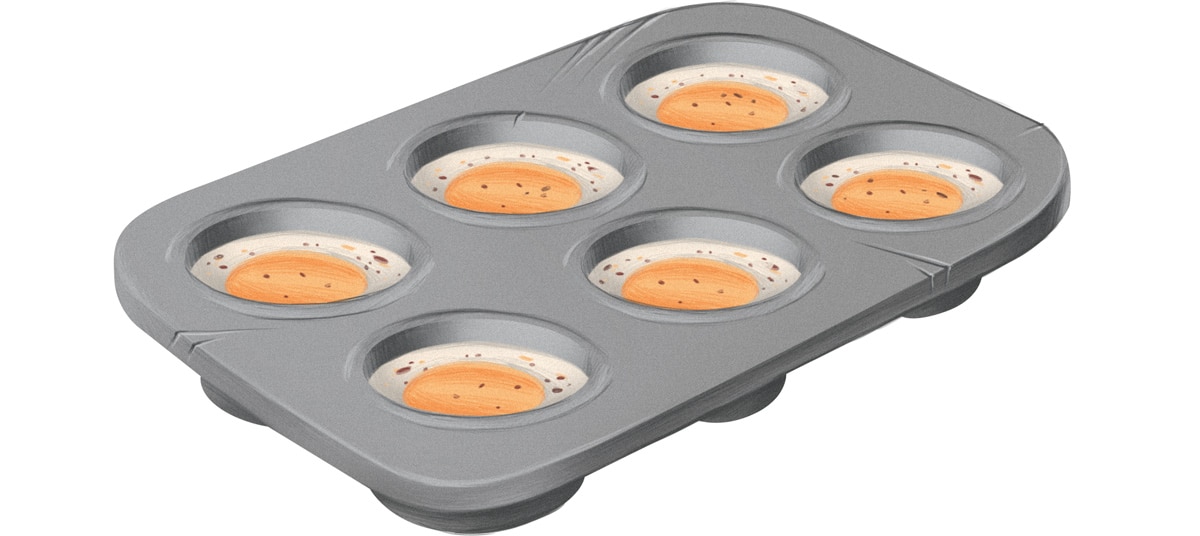
    You already have the basics. You have a cast-iron frying pan, a good knife, a cutting board, a baking pan...but now you’re going keto and maybe you have a bit of room in the cupboard after bringing the cake pans and cookie cutters to the thrift store (don’t give away your cupcake tins, though - they’re great for egg muffins!).

    This list isn’t the basic kitchen tools that every home cook should own; it’s about those specialty extras that can make keto cooking tastier and more fun. These make great holiday gifts for the keto-eater in your life - or for yourself, if you feel like having a treat!

    (Paleo Leap doesn’t get any money from the makers of any kitchen products and nobody paid for inclusion in this post. This was written exclusively to give you information, not to sell or promote anything!)

    Small-Ticket (up to $50)

    1. Kitchen scale

    Quick, how many carrots in 100 grams of carrots? Blanking on the mental image? That’s where a scale can help. Paleo isn’t generally huge on measuring everything you eat, but if you’re seriously trying for a ketogenic diet, then every carb counts, so weighing out vegetables and other carby foods can be excellent for peace of mind. Measuring exact quantities of higher-carb vegetables can also be a big eye-opener if you’re used to thinking of vegetables as basically “free” food.

    Average price: $15-30, depending on how nice of a scale you want.

    2. Larding needle

    A larding needle is an old-fashioned little tool that lets you add fat to lean cuts of meat to make them tastier and more keto-friendly. It basically works like a regular needle, except instead of a hole for the thread, it has teeth that clamp onto a piece of bacon or other cured meat. This lets you “sew” some bacon right through the middle of your chicken breast and enjoy a tastier, fattier meal.

    Average price: shouldn’t be more than $10.

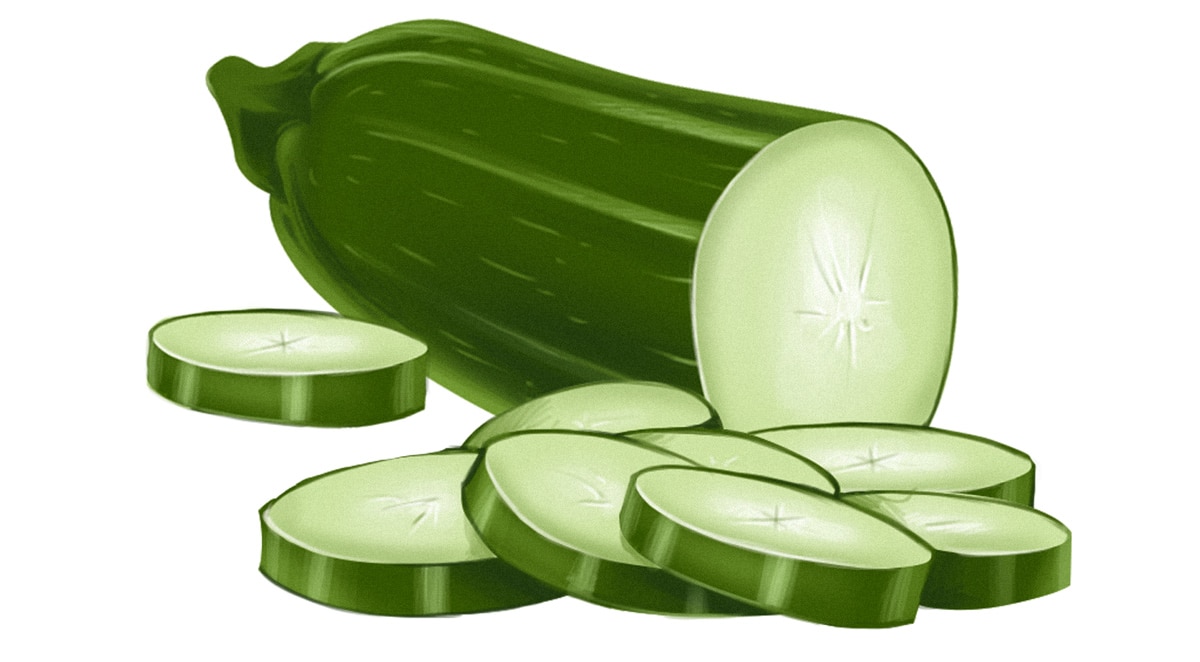
    3. Spiralizer

    paleo SlicesOfZucchini
    "I can be noodles!"

    A spiralizer lets you create your own noodles out of zucchini, yellow squash, or other low-carb vegetables - enjoy a big plate of zoodles with your favorite cream sauce and a pile of sausage on top for a low-carb, high-fat comfort meal. Spiralizers range from mini handheld versions to full-service machines that also do other kinds of cutting-related magic (if you ever wanted to make your very own matchstick carrots perfect coleslaw cabbage, you have options!)

    Average price: $10-20 for a cheaper handheld version; $20-30 for a slightly more powerful tool.

    4. Potato ricer

    No, you won’t be eating any potatoes on keto, but a potato ricer is also good for making cauliflower rice (or broccoli rice, if you don’t mind it being green). Potato ricers are a bit like giant garlic presses - you choose how coarse or fine you want your vegetable to come out the other end and just press it through. Use your riced cauliflower as a side dish or for keto pizza crust.

    It’s true that you can buy riced cauliflower in the store, but it’s often really expensive. Even with the upfront cost of a ricer, if you eat a lot of cauli rice, you’ll end up ahead after a few months of meals.

    Average price: $15-20

    Big-Ticket ($50+)

    5. Air Fryer

    An air fryer basically does the same thing a real fryer does, only with mostly air and minimal oil. Why use air instead of oil, when this is keto and he whole point is to get a lot of fat? Mostly because the air fryer is so easy for home cooks to use, and you can always add fat afterwards by slathering your newly fried foods in mayonnaise, garlic-butter sauce, avocado dip, or any other high-fat dressing of your choice. Use an air fryer to make tasty snacks like chicken wings, crispy veggie chips, and pork rinds - all keto-friendly, no gross processed seed oils.

    Average price: $75-150 for an average one; up to $300 for a really deluxe one.

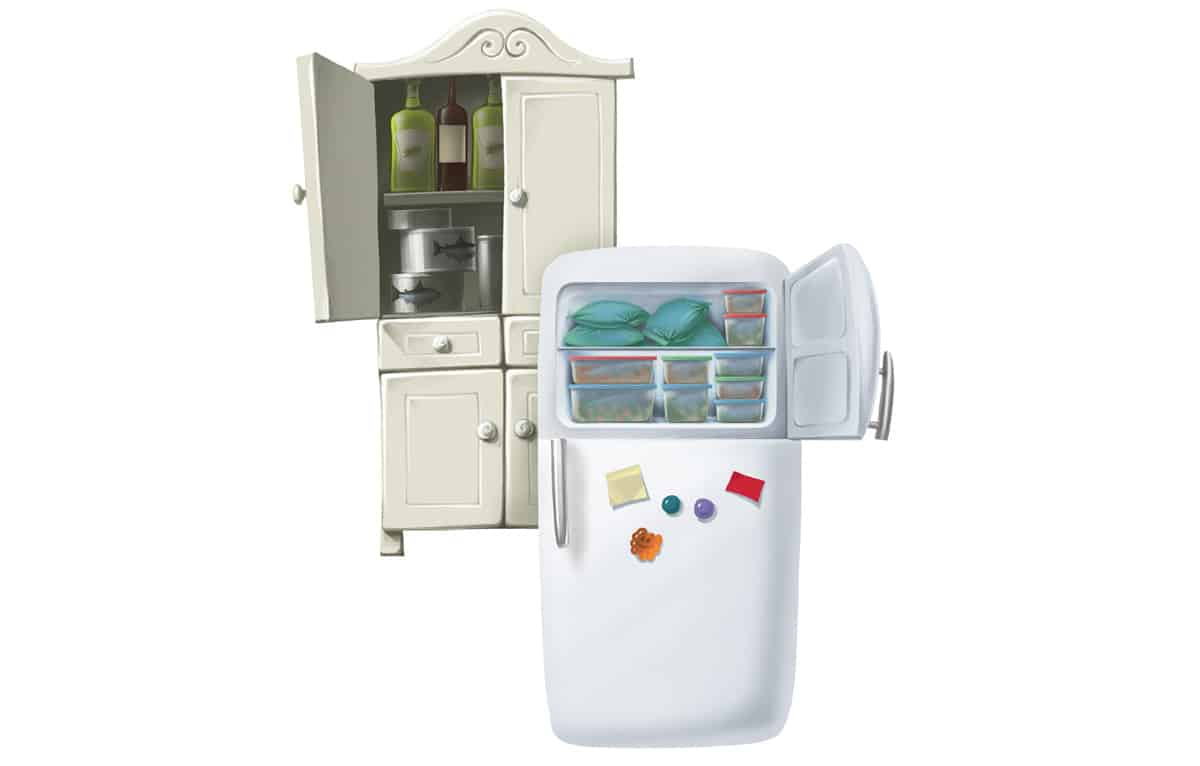
    6. Vacuum Sealer

    FridgeFreezer&Cupboards Paleo

    One great way to save time on keto cooking is to make huge batches of food and freeze the extras. You can make a big pot of chili, but not get stuck eating that same chili every night for a week - just put the leftovers in the freezer and haul them out a necessary. A vacuum sealer takes the freezer game to the next level. You use it to suck all the extra air out of a plastic bag - this saves space and also prevents freezer burn. Vacuum seal bags are great for meat (big batches of pork shoulder, chicken thighs, chuck roast, meatballs…), soups, stews, or roasted vegetables.

    Average price: $50-100+, plus bags.

    7. Sous-Vide Cooker

    A sous-vide cooker basically heats up food by circulating warm water around it, instead of heating up the air like an oven. You put your food in a plastic bag, pop it in the sous-vide, and set your desired temperature. Then just walk away and come back when it’s done! The huge advantage to this method is that it’s difficult-to-impossible to overcook meat. You can cook burgers or roasts to a perfect medium-rare temperature (or whatever else you like) without worrying about what rack of the oven they’re on or when to flip them.

    The big disadvantage to sous-vide cooking is that there’s no nice crunchy exterior. If you want a tasty char on your burgers, you’ll have to finish them off on the grill, on the stovetop, or under the broiler.

    Average price: About $75-100 for a wand that you put in your own pot; closer to $100-150 if you want a full-sized appliance that doesn’t require a separate pot.

    8. Indoor grill or grill pan

    Grilling is popular with keto eaters for good reason. It’s fast, it’s easy, and it’s delicious! But unfortunately, winter exists, and even in the summer, a lot of us are apartment-dwellers with nowhere to set up a big pile of coals safely.

    Enter the indoor grill. It’s not the same as a real barbecue, and you don’t get that smoky grilled flavor of actual fire. But you do get the convenience (and the aesthetic, if you’re into that). Two options for frustrated indoor grill fans:

    • Grill pan - this is something that goes over the elements on your stovetop and transforms part of the stove into a grill. Many of them also have a griddle on the opposite side, so you can flip them over to make eggs and bacon. If you’ve ever wanted to saute so many vegetables that you needed 2 square feet of space to do it, a double grill pan is the tool for you!
    • Electric grill - a freestanding appliance that provides its own heat. A bit more expensive, but some of them have various tweaks to cut down on the smoke, which can be a plus.

    Average price: $25-50 for a grill pan; $50-$150 for a full electric grill

    What’s your must-have cooking tool for keto? What do you love that goes beyond the standard pots and pans? Let us know on Facebook or Twitter!

    Filed Under: Learn About Paleo & Keto Diets

    Paleo Fall Meal Plan

    November 3, 2018 by Paleo Leaper Leave a Comment

    Fall Meal

    Eating in season is a delicious way to save money and get the freshest produce available, not to mention making sure your diet stays interesting. And who can resist those colorful piles of beets and pumpkins?

    So in honor of the autumn harvest here’s a meal plan built around seasonal produce, plus a shopping list to go with.

    The plan is written for two, but it’s easy to adjust up or down, depending on how many you have to feed.


    Download the shopping list (PDF)

    Day 0 (the day before day 1)

    • If you’re going to be packing lunch tomorrow, cook up a batch of apple and squash stuffing. To feed two people, make half the recipe as directed.

    Day 1

    Breakfast:

    • Pan-fried sausages with onions and cabbage (if the sausages don’t give off enough fat to cook the vegetables, just throw a little extra cooking fat in there).

    Lunch:

    • Lettuce wraps filled with apple and squash stuffing.

    Dinner:

    • Balsamic Roast Beef. Make a full recipe as written and save half for lunch tomorrow.
    • Optional: If you want a second vegetable side, pan-fry some beet greens or spinach with garlic in a Paleo-friendly cooking fat.

    Make Ahead:

    • If you’re going to need breakfast on the go tomorrow, make a quick frittata. Use this recipe, except instead of tomatoes, use 1 large red onion and as much kale as you want. Toss the onion and kale in with the bacon to sauté and carry on with the recipe as directed (excluding the tomatoes).

    * Each frittata makes 4 servings. You’ll be making two of these during the week, so if you want to, you can just make them both now to save some time.

    Day 2

    Breakfast:

    • 1 serving of frittata per person (so between two people, you’d be eating half a frittata).
    • Add an apple or a baked sweet potato if you like some carbs with breakfast.

    Lunch:

    • Leftover balsamic roast beef, sliced thin over your favorite salad greens and tossed with oil and vinegar.

    Dinner:

    • Beanless chili. Make half the recipe as written (this will give you 4 servings: 2 for tonight and 2 for tomorrow’s lunch)
    • Roasted Brussels sprouts (just grab a pound of Brussels sprouts, cut them in half, and roast with olive oil and garlic about 45 minutes or until they get crispy around the edges).
    • Optional: Pesto mashed potatoes. Make the whole recipe as written; this will give you enough for tonight and leftovers on Day 4.

    * White potatoes? White potatoes are perfectly healthy for most people – see here for details.

    Day 3

    Breakfast:

    • 1 serving of your frittata (if you’re feeding two, this should be the end of the second frittata).
    • Add an apple or a baked sweet potato if you like some carbs with breakfast.

    Lunch:

    • Leftover chili.
    • Fresh vegetable salad: salad greens, red onion, bosc pear slices, and walnuts with olive oil and vinegar. (If you’re packing lunch, just make this the night before and pack the dressing separately).

    Dinner:

    • Butterflied roasted chicken. Make a full recipe as written and save half for lunch tomorrow.
    • Carrot and rutabaga mash. Make half the recipe as written and just eat it all.

    Make Ahead:

    • If you didn’t make two frittatas on Day 1, make another one tonight.
    • Pesto mashed potatoes. If you didn't make the optional mashed potatoes on day 2, make half this recipe as directed for lunch tomorrow.

    Day 4

    Breakfast

    • 1 serving of your frittata,
    • Add an apple or a baked sweet potato if you like some carbs with breakfast.

    Lunch:

    • Leftover butterflied roasted chicken.
    • Leftover pesto mashed potatoes.

    Dinner:

    • Cranberry apple stuffed pork loin. Make a full recipe as written and save half for lunch tomorrow.
    • Roasted cauliflower with bacon. Make a full recipe as written and save half for lunch tomorrow.

    Dessert (optional):

    • Hot pumpkin custard. Just mix 1⁄2 a can of mashed pumpkin per person with coconut milk, vanilla, cinnamon, and nutmeg to taste. Heat until warm and enjoy.

    Day 5

    Breakfast:

    frittata
    • The last of the second frittata.
    • Add an apple or a baked sweet potato if you like some carbs with breakfast.

    Lunch:

    • Leftover pork loin and roasted cauliflower.

    Dinner:

    • Grilled maple-dijon salmon with bacon. (If you don’t have a grill or if it’s too cold out, you can cook it on the broiler in your oven).
    • Beet and walnut salad. Make a full recipe and save half for lunch tomorrow.

    Make Ahead:

    • If you’re packing lunch tomorrow, hard-boil 3 eggs for each person (so 6 in total if you’re cooking for two)
    • Roast up some winter squash (see recipe below).

    Day 6

    Breakfast:

    • 3 eggs, prepared however you like them (hard-boiled if you need them on the run).
    • Roasted winter squash of your choice (acorn, delicata, butternut, buttercup...).

    Lunch:

    • Leftover salmon with beet and walnut salad.
    • Optional: If you’d like, you can convert your leftovers to a salad by separating the salmon into bite-sized pieces, chopping the beets very small, and tossing them with spinach or your favorite salad greens.

    Dinner:

    • Mustard balsamic baked chicken. Make a full recipe as written and save half for lunch tomorrow.
    • Oven-roasted garlic cabbage. Just make as much as you want for dinner tonight.

    Make Ahead:

    • While you’ve got the cabbage in the oven, slice up a meal’s worth of parsnips and just stick them in for 45 minutes or so at the same time for tomorrow's breakfast.
    • If you’re going to be packing lunch tomorrow, put in a batch of kale chips.
    • If you’re going to be packing breakfast, take a look at the recipe below and see if you’ll need to make that ahead as well.

    Day 7

    Breakfast:

    • Parsnip hash. Pull out your roasted parsnips from last night and toss them into a pan with some dried cranberries, salt, pepper, and either (a) 3 eggs per person or (b) bite-sized pieces of cooked turkey or chicken breast. Stir everything together until it’s warm and enjoy. If you need this to go, make it the night before.

    Lunch:

    • Leftover mustard balsamic chicken.
    • Kale chips.

    Dinner:

    • Paleo spaghetti. Make as much as you want, so you can have leftovers to freeze for whenever you want them.
    • Optional: if you want a second side, quickly pan-fry some Swiss chard or collard greens with garlic, salt, and pepper.

    Filed Under: Learn About Paleo & Keto Diets

    Building a Keto or Paleo Shopping List: 6 High-Fat Staples to Try

    October 15, 2018 by Paleo Leaper Leave a Comment

    Fat: it’s what’s on the menu! For keto eaters, fat should be your primary source of calories, and even for Paleo folks who aren’t doing keto, getting enough fat and getting the right fat will help make your diet more nourishing - and way more delicious.

    But with the conventional diet wisdom being so strongly anti-fat, it’s not always easy to find good, nutritious sources of high-quality fat. If you’re lost in the grocery store wondering what to buy, check out these 6 nutritious and delicious high-fat staples. Nobody has to eat any particular one of these foods, much less all of them, but they’re all good to at least consider.

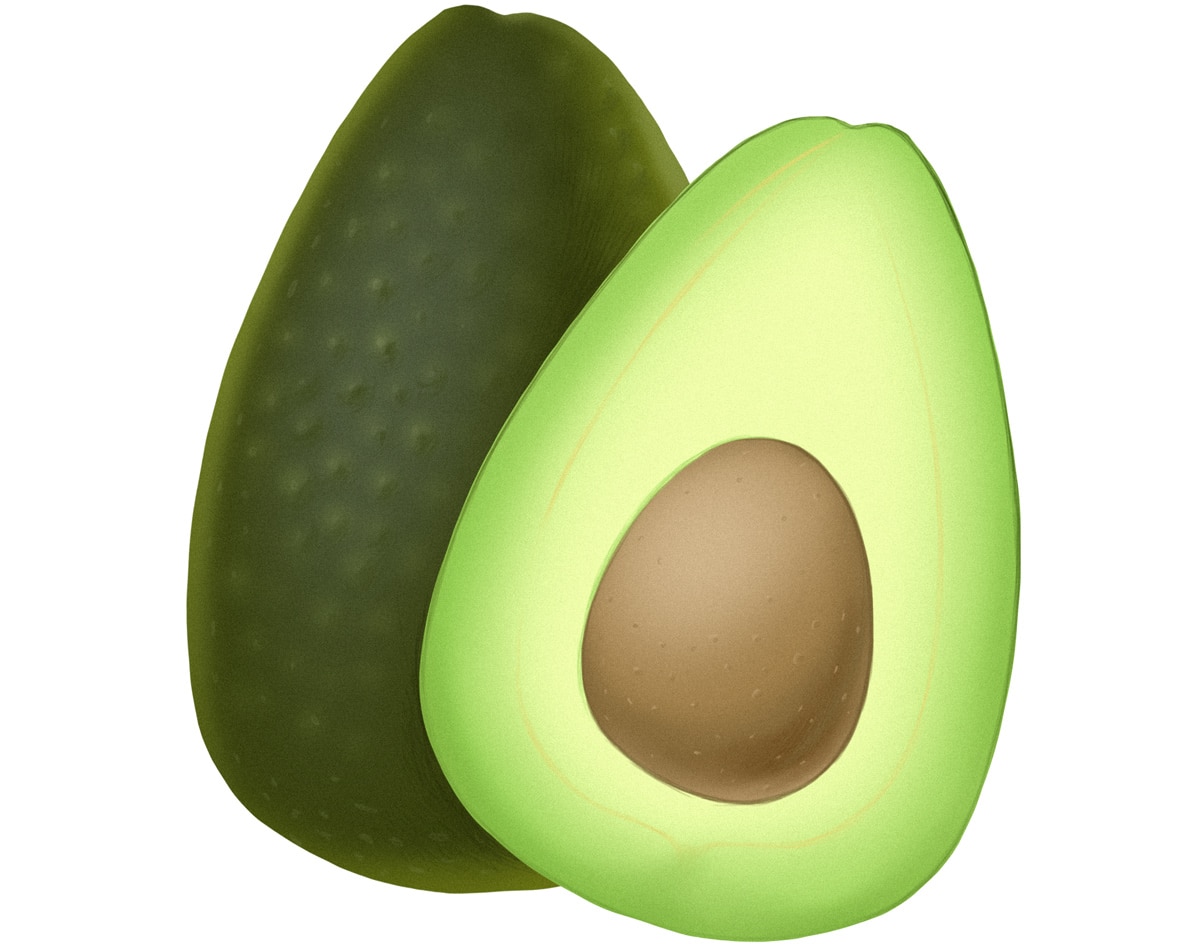
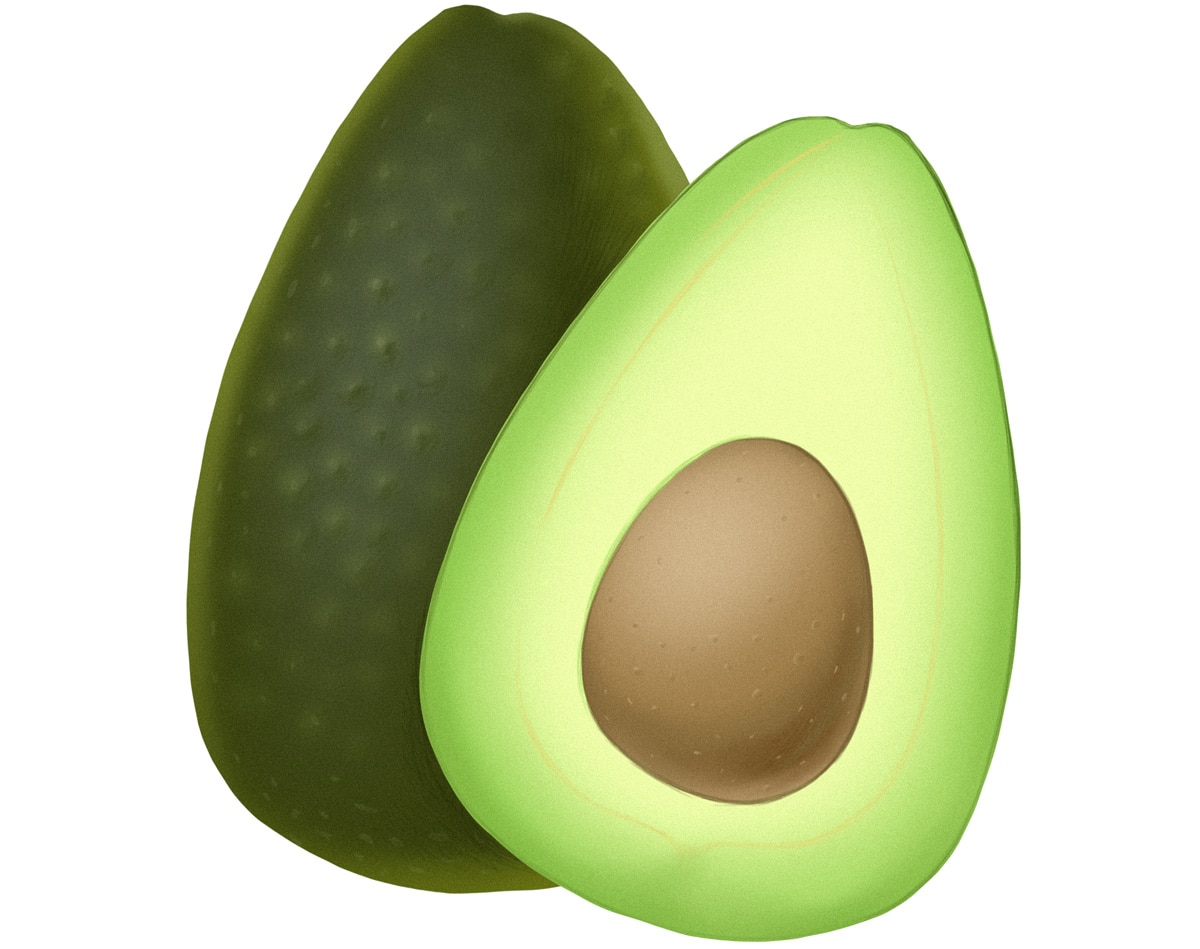
    1. Avocados

    Per 1 avocado: 2.7 grams of protein, 21 grams of fat, 3 grams of net carbs, and 9 grams of fiber.

    paleo avocado

    Avocados are amazing for Paleo or keto diets for three reasons:

    1. Lots of the good fat - avocados are rich in monounsaturated fat, the same kind of fat that’s in olive oil. In fact, avocados have an even higher percentage of monounsaturated fat than olive oil.
    2. Lots of fiber - one avocado has 9 grams of fiber, but only 3 grams of digestible carbs.
    3. Lots of nutrients - avocados are rich in vitamin E, vitamin C, B vitamins, potassium, magnesium, and more.

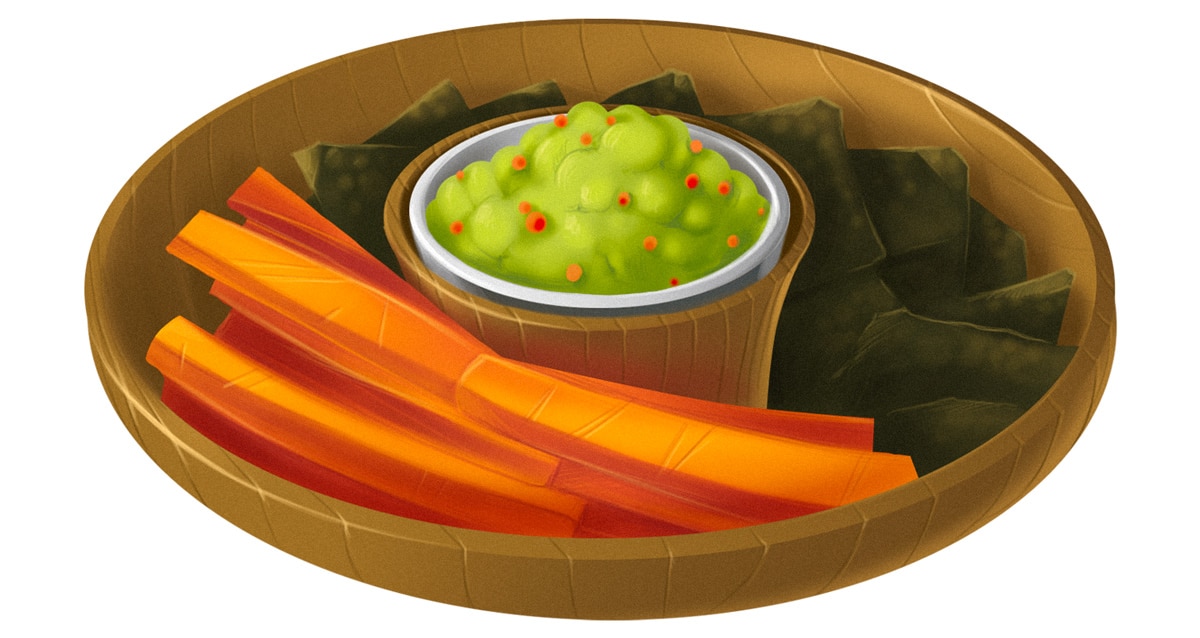
    Avocado toast is pretty much out on Paleo or low-carb diets (unless you want to get into the Paleo or low-carb bread), but guacamole is delicious with dipping vegetables, and avocados are also good plain with some balsamic vinegar and salt sprinkled on top.

    Recipe inspiration:

    • Keto baked salmon with avocado salsa
    • Avocado, cucumber, and cilantro tuna salad
    • Chicken, strawberry, avocado, and spinach salad

    2. Pork belly

    Per 100 grams of cooked pork belly: 21 grams of fat, 13 grams of protein, and 0 carbs.

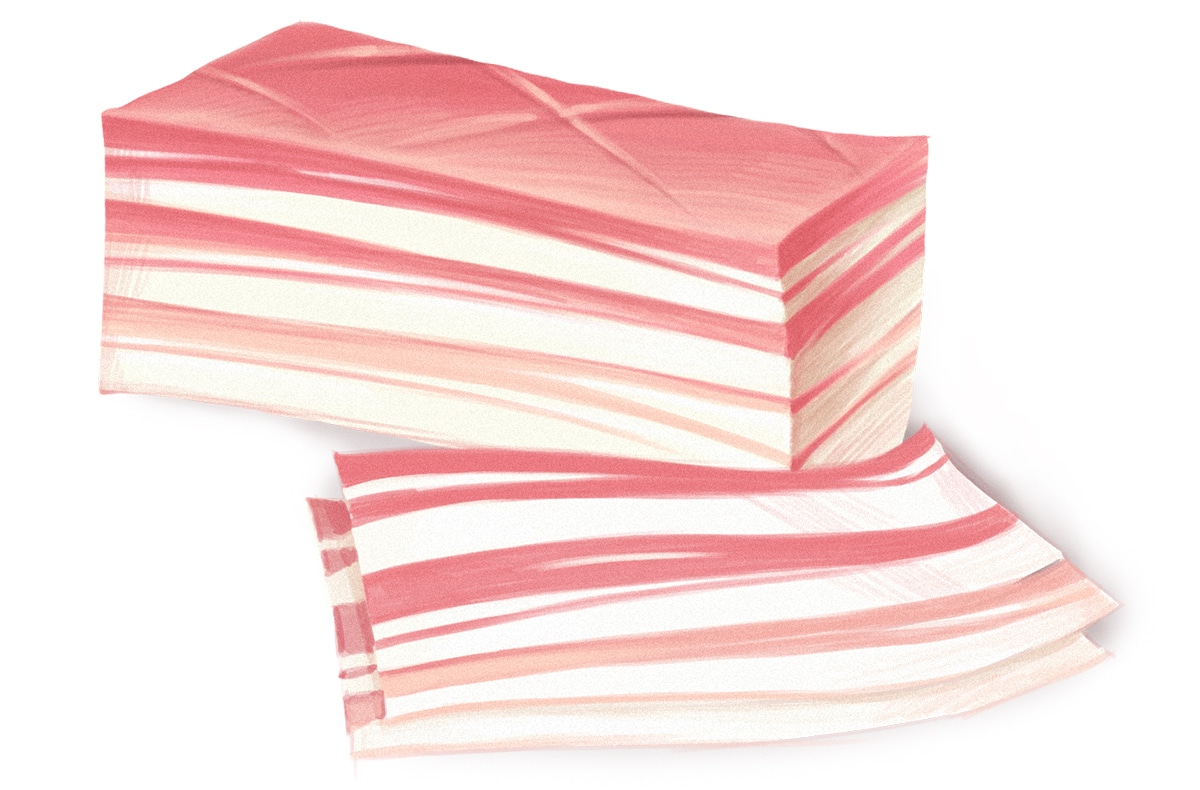
    Pork belly is what bacon is made of, but in its pre-baconated form, it’s even fattier. Raw pork belly is 92% fat by calories; cooked pork belly is about 78% (since some of the fat renders out while cooking). For comparison, raw bacon is about 86% fat by calories and cooked bacon is about 68%. With all that succulent fat, pork belly is best cooked low and slow, so it has time to crisp up nicely and let at least a little bit of the fat render out.

    One caveat: pork fat in general is relatively high in Omega-6 polyunsaturated fats, which can be inflammatory, especially if you aren’t eating enough Omega-3 fats from fish. (Confused by the whole Omega-6/Omega-3 thing? See here for a quick explainer.) Definitely cook it with lots of tasty spices for the anti-inflammatory antioxidant protection - and if you have a lot of inflammation problems, it might be one to skip completely or eat pretty sparingly.

    For recipe inspiration try out this quick recipe for keto-friedly salt and pepper pork belly.

    3. Duck

    Per 100 grams (about 3 ounces) of cooked duck: 19 grams of protein, 28 grams of fat, and 0 grams of carbs

    As anyone who’s ever cooked one can attest, domestic ducks are really fatty creatures. There’s a beautiful thick layer of fat on each breast, plus fat deposits around the neck and back. If you roast a normal-sized duck, you’ll get a cup or two of fat that drains off (save that - it’s delicious liquid gold!), and the duck will still be fall-apart tender and decadent. Ducks are also pretty nutritious, and the fat is mostly monounsaturated fat, making this a great choice for people who want a high-fat animal protein but don’t want a lot of Omega-6 PUFA.s

    For double duck fat goodness, slowly roast or braise a duck, save the fat, and when it comes time to eat the leftovers, warm them up by frying them in some of the reserved fat. You will still have extra fat: this is delicious with eggs or almost any vegetable. For those eating a medium or high-carb version of Paleo, duck fat is also excellent with sweet or white potatoes.

    Recipe inspiration:

    • Roast duck with herb ghee
    • Bacon-wrapped duck with cranberry sauce
    • Orange and lemon roasted duck

    4. Macadamia nuts

    Per 1 ounce (about a handful): 2 grams of protein, 21 grams of fat,1.6 grams of net carbs, and 2.4 grams of fiber.

    Why macadamias, of all the nuts? Mostly because they have a really great fatty acid profile. Most other nuts, including almonds, are pretty high in omega-6 fats. But macadamia nuts have much less omega-6 fat and much more monounsaturated fat, making them a good choice for anyone concerned about omega-6 overload.

    Another noteworthy nut option is walnuts. Walnuts have a significant amount of anti-inflammatory Omega-3 fats - and yes, even the plant form of Omega-3 fat in walnuts is pretty bioavailable after all.

    Recipe inspiration:

    • Cayenne-rosemary roasted nuts
    • Apple, walnut, and cranberry-stuffed squash
    • Broccoli and apple salad with walnuts

    5. Coconut milk OR coconut cream

    paleo canofcoconutmilk

    Coconut milk: Per 2 tbsp.: about 0.7 grams of protein, 7.2 grams of fat, and 1.7 grams of carbs.
    Coconut cream:
    Per 2 tbsp.: about 1.1 grams of protein, 10.4 grams of fat, and 2 grams of carbs.

    Everyone knows about coconut oil, but a lot of people neglect the whole range of coconut products.Coconut water has some carbs in it, but the milk is mostly just fat and water, with very few carbs. Coconut cream is just a bit more condensed, so more fat and less water, to the point where you can essentially whip it like whipping cream - yum!

    Coconut milk is high in saturated fat - which isn’t actually a nightmare killer nutrient! - and medium-chain triglycerides, which are the most ketogenic fats. And it’s extremely delicious in soups, desserts, marinades, and more.

    Recipe inspiration:

    • Coconut milk hot chocolate
    • Pork loin braised in coconut milk
    • Coconut-buttermilk southwestern grilled chicken
    • AIP grilled salmon with avocado coconut Sauce - get that coconut milk and some avocado at the same time!

    6. Ghee

    Per 1 tbsp.: 0 grams protein*, 14 grams of fat, and 0 grams of carbs.
    *Technically, there is a tiny amount of dairy protein still in it, but it’s so small it doesn’t matter for nutritional purposes.

    Any kind of dairy fat is a great idea for keto if you can tolerate dairy (not everyone can; if you’re lactose intolerant, then just go for other healthy fats and don’t stress about it). But if you can handle dairy, ghee is a great source of dairy fat. Essentially, ghee is like butter, but with more of the milk solids cooked off, so it’s higher in fat and lower in lactose and dairy proteins. Even people who can’t handle butter very well can often tolerate ghee without issues, just because the amount of non-fat in the ghee is so low.

    Ghee has a nice, savory, almost nutty flavor that goes really well with almost everything, and it works for cooking at slightly higher heat than butter, thanks to the relative lack of protein and carbs.

    Recipe inspiration:

    • Keto leek and bacon omelet
    • Garlic and parsley pork chops
    • Balsamic rosemary mushrooms

    Looking for more grocery help? Check out 5 great low-carb vegetables here. Or join the conversation on Facebook or Twitter: what are your favorite high-fat staples?

    Filed Under: Learn About Paleo & Keto Diets

    14 Paleo Cauliflower Rice Recipes

    October 13, 2018 by Paleo Leaper Leave a Comment

    Cauliflower, now known as a versatile vegetable - and rightfully so when it can be made into a low-carb mashed potato alternative, tortillas, rice, pizza crust and more. For this roundup though, we're focusing on cauliflower rice.

    Cauli-rice is just as versatile as a cauliflower floret and can be made into so many dishes, especially those made with traditional rice, making it perfect for Paleo eaters avoiding grains. And as we already mentioned, it contains less carbs, fitting right in on a low-carb or a keto diet.

    These 14 Paleo cauliflower rice recipes are creative, flavorful, many are also vegetarian, and can be either a side dish or star of the dinner table. So pull out your food processor and shredding attachment, or buy it pre-riced to create these recipes. You can even create cauliflower rice with a good old box grater if neither of the former are available to you.

    Mexican Cauliflower Fried Rice - by Paleo Running Momma

    A complete meal that is ready in less than 30 minutes! Add your favorite ground meat, plenty of chopped green chilis and a homemade chipotle ranch dip.

    Mediterranean Cauliflower Rice - by A Saucy Kitchen

    This cauliflower rice is a zingy and quick-to-fix side dish that brings unexpected excitement to your leftovers.

    Cauliflower Mushroom Risotto - by Paleo Leap

    Mushrooms are incredibly nutritious and delicious - and it turns out that they taste absolutely amazing when simmered in leftover chicken stock with cauliflower rice.

    Whole30 Cauliflower Chicken Fried Rice - by Tasty Thin

    Make it as is, or mix it up in a variety of ways: swap the chicken for shrimp, leave out the meat for a vegetarian option, add spicy sriracha sauce for the hottest bites.

    Spanish Cauliflower Rice - by Ketogasm

    Toss in a couple handfuls of shredded chicken breast and let the cumin, chili and garlic powder work their magic.

    Paleo Kimchi-Bacon Fried Cauliflower Rice - by Worthy Pause

    Take the chance to skip the boring rice and chicken, and use bacon instead! Lots of tasty bacon and spicy kimchi. It's delicious!

    Garlic Cauliflower Fried Rice (Filipino Sinangag) - by Low Carb Yum

    Garlic in my breakfast? Yes, please! If those are your sentiments too, this cauliflower rice is for you.

    Creamy Chicken Broccoli Cauliflower Rice Casserole - by Savory Lotus

    Low-carb and naturally gluten-free, this casserole was made to simplify your dinner.

    Southwest-Style Vegetable Cauliflower Rice - by Paleo Leap

    What's not to love about cumin, jalapeños, and bell peppers tossed together with a handful of other ingredients to make a colorful dish? Add chicken or steak to make it a complete meal.

    Tandoori Chicken With Curry Pineapple Rice - by Melissa Joulwan

    There are no words to describe the amazing aromas that fill your home as you cook this dish, it's guaranteed that everyone will want seconds!

    Whole30 Mongolian Beef Stir-Fry - by The Define Dish

    Admittedly, this recipe is more about the mouthwatering flank steak, but the cauliflower rice keeps things "traditional".

    Cauliflower Tabbouleh Salad - by The Real Food Dietitians

    Cleverly replace the traditional bulgur with cauliflower rice to make this refreshing salad Paleo and low-carb.

    Vegetarian Thai Green Curry Cauliflower Rice - by Paleo Leap

    This vegetarian dish uses a homemade green curry paste to spice up all those healthy vegetables.

    Beef and Broccoli Cauli-Rice - by The Healthy Foodie

    Sometimes the cauliflower rice is the main event, other times it complements the steak in a subtle way.

    Filed Under: Paleo Recipe Compilations

    23 Paleo Nightshade-Free Recipes

    August 25, 2018 by Paleo Leaper Leave a Comment

    Whether you're unable to eat nightshades because of an intolerance or because you are following the Paleo Autoimmune Protocol (AIP), learning to cook without peppers, white potatoes, and tomatoes can be challenging at first. Especially if you're a lover of spicy or Italian food, but don't fret!

    You can still enjoy your favorites with new nightshade-free versions. Yes, you can still make pizza, bolognese, chili and more. Here are 23 recipes, all nightshade-free, many of which are AIP-friendly, and some low-carb.

    Nightshade Free Paleo Chili - by Holistic Rendezvous

    Who would have thought that grass-fed beef, pumpkin puree and riced cauliflower would make an excellent chili?

    Parsnip Spaghetti Bolognese - by Rally Pure

    For an AIP-friendly dish that is decidedly different, parsnip spaghetti hits the spot with surprising ingredients.

    Nightshade-free Plantain Curry Lasagna - by The Paleo Mom

    Like no lasagna you've ever eaten before. Use any ground meat that you like.

    Maple Balsamic Braised Chuck Roast - by Paleo Leap

    An AIP-friendly meal chock full of roasted vegetables and a succulent roast that is perfect for fall weather.

    Paleo Crock Pot Chicken Soup - by Cook Eat Paleo

    Create an amazing low-carb soup (perfect for leftovers) with just a few ingredients.

    Sweet Potato Skins - by PaleoHacks

    For when that potato craving hits - fill them with bacon, avocado and some fresh herbs. Use your favorite nightshade-free guacamole recipe.

    Citrus Herb Chicken - by Living Loving Paleo

    Cilantro, parsley, lime and orange juice - simply skip the red pepper flakes to make it nightshade-free!

    Nightshade-free Nomato Sauce - by A Squirrel in the Kitchen

    Never miss out on a tomato sauce dish again! You can still make a delicious AIP sauce that wonderfully covers your zoodles and meatloaf.

    Nightshade-free Buffalo Chicken Skillet - by Grazed and Enthused

    AIP ginger buffalo sauce - it's a real thing! We recommend batching the sauce to use in other recipes too.

    Whole30 Mongolian Beef - by What Great Grandma Ate

    Better than takeout, ready in 20 minutes, Whole30-approved and low-carb. Be sure to omit the optional red pepper flakes to keep it nightshade-free and if needed there is a complete AIP-friendly version too.

    Paleo Hoisin Shrimp And Mango - by Paleo Leap

    Shrimp, mangoes, and radishes are delicious together, but the real star is the nightshade-free, AIP, and Paleo hoisin sauce.

    Nightshade Free Babaganoush - by Little Bites of Beauty

    Forget the eggplant - turnip, rutabaga and mushrooms make for a scrumptious nightshade-free babaganoush.

    Chicken, Bacon and Kale Skillet - by Strictly Delicious

    Crispy-skinned chicken is always a popular choice for lunch or dinner, add plenty of kale and ginger and it is healing too.

    Paleo Nightshade Free Pizza - by Unbound Wellness

    And with a nightshade intolerance you thought pizza was out of the question!

    Nightshade-free Spicy Italian Sausage - by Wholesome Within

    Quick and easy, this Italian sausage is zesty and full of traditional flavor. Use any ground meat you'd like and add the sausage to salads, soups, or even the pizza recipe above.

    Creamy Watercress Soup - by Zesty Paleo

    A nourishing detoxifying soup that is chock full of vitamins, perfect as an appetizer.

    Nightshade-free Sloppy Joes - by Grass Fed Salsa

    Sure to become a family favorite, don't forget the nomato sauce!

    Instant Pot Roasted Asparagus Soup - by Fed and Fulfilled

    Soups are terrific when you are in the mood for a light lunch or need a dinner starter. And no worries, it can be made on the stovetop if you don't own an Instant Pot.

    Nightshade Free Shrimp Étouffée - by Meatified

    For a fancier, creative, more inspired dinner - definitely a one pot meal that will impress!

    AIP Paleo Carob Chocolate Wafer Cookies - by Clean Eating Veggie Girl

    Embrace your sweet side! These cookies taste a slight hint of chocolate, not overly sweet, and have a great texture. They're AIP, gluten-free, grain-free, nut-free, soy-free, egg-free, and dairy-free.

    Keto Cauliflower Shepherd’s Pie - by Paleo Leap

    A hearty, but keto shepherd's pie recipe that switches out the potatoes for cauliflower and skips the tomato paste entirely.

    "Bulletproof" Style Dandelion and Chicory Coffee - by Autoimmune Wellness

    More nourishing than your regular cuppa, make it creamy with coconut oil!

    Paleo Easy Kimchi Recipe - by I Heart Umami

    Follow the Whole30, non-spicy kimchi recipe for a condiment that will add a fresh and crunchy bite to many dishes.

    Filed Under: Paleo Recipe Compilations

    20 Paleo Instant Pot Dinner Recipes

    August 19, 2018 by Paleo Leaper Leave a Comment

    You've probably seen Instant Pot reviews and recipes popping up all over the place, so it's only natural that we put together a roundup of great Paleo Instant Pot dinners. Something about an Instant Pot evokes comfort, perhaps that's because it's perfect to make all the best recipes you know and love in a fraction of the time.

    If you're not familiar, an Instant Pot combines multi-cooking methods into one kitchen appliance and that can be really useful if you don't have a lot of space. If you don't have an Instant Pot, another pressure cooker or slow cooker will work just fine for most of these recipes.

    Instant Pot Orange Chicken - by Evolving Table

    Fresh squeezed oranges and orange zest with a few other ingredients give this Paleo version lots of natural flavor. Serve with cauliflower rice for a full Paleo meal.

    Instant Pot Butter Chicken - by I Heart Umami

    Fire roasted tomato is a nice little twist for this traditional Indian dish and it's Whole30-approved.

    Instant Pot Paleo Chili - by Well Plated by Erin

    Don't let the long ingredient list fool you, it's mostly spices. This chili is packed with veggies and easily freezable.

    Instant Pot Saag Paneer - by What Great Grandma Ate

    Saag paneer sans paneer to keep it totally dairy-free. If you have other leafy greens in the refrigerator, just add them with the spinach to mix things up. Serve with cauliflower rice or Paleo naan. Whole30, keto, and vegetarian.

    Instant Pot Chicken Tikka Masala - by Tasty Thin

    A dairy-free tikka masala chicken that is just as creamy and delicious as the original. Adjust the heat to satisfy your tastebuds.

    Instant Pot Beef Sirloin Tips - by Gluten-Free Palate

    Serve these sirloin tips over mashed potatoes for a super comforting meal.

    Instant Pot Chicken Tacos - by The Real Food Dietitians

    This recipe takes the beloved taco and makes them in an instant pot version. You don't even have to stand around the stove to cook, yes please!

    Instant Pot Mexi-Meatloaf - by Predominantly Paleo

    There's nothing wrong with old fashion meatloaf, but sometimes you just need to jazz it up a bit.

    Instant Pot Minestrone Soup - by Our Paleo Life

    You won't miss the noodles, rice, or beans in this vegetarian and vegan minestrone soup. There's an option to add sausage and can be cooked in a slow cooker.

    Instant Pot Seafood Gumbo - by The Movement Menu

    Gumbo without flour? Yes, and it's Whole30-approved. If you can't find sea bass, try sablefish/black cod, or you can just double the amount of shrimp.

    Instant Pot Lamb Ragu - by Primal Gourmet

    The are endless versions of ragu and this one chooses to use lamb. We wouldn't deviate too far from Ronny's serving suggestions because that photo looks tantalizing!

    Instant Pot Hungarian Goulash - by Perry's Plate

    Authentic Hungarian Goulash is a family favorite. Make sure to use high quality paprika for the best flavor and serving it with cauliflower puree like Natalie suggests is a must!

    Instant Pot Carnitas - by Gnom-Gnom

    A traditional carnitas recipe that removes the need to cook the meat low and slow, can be served in a variety of ways, and keto-friendly.

    Instant Pot Beef Bourguignon Stew - by Simply So Healthy

    A hearty recipe fit to feed an entire family and is great for leftovers.

    Instant Pot Crispy Potatoes - by Nom Nom Paleo

    Achieving perfectly crisp potatoes takes patience, luckily this process is sped up with an Instant Pot. Hint: the secret is don't disturb them when finishing them off in the cast iron skillet.

    Instant Pot Cream of Mushroom Soup - by The Movement Menu

    When you love mushrooms, cream of mushroom soup is absolutely delicious. This one is thick and creamy and can be made on the stovetop as well.

    Instant Pot Bacon Jam - by A Fork's Tale

    This recipe has some surprising ingredients that really give the jam a rounded out flavor. It's a condiment that can literally be used on anything from breakfast to dinner.

    Easy Instant Pot Applesauce - by Stupid Easy Paleo

    With a cook time of less than 30 minutes, this has to be the best way to make homemade applesauce.

    Instant Pot Bone Broth - by 40 Aprons

    Broth is a staple in Paleo cooking, any kind of cooking really. Keep things simple and just as tasty making it in an Instant Pot.

    Salt and Vinegar Instant Pot Brussel Sprouts - by Lichen Paleo, Loving AIP

    An AIP-friendly, vegan and vegetarian Brussels sprout dish that uses a classic flavor pairing and will be ready in 8 minutes.

    Filed Under: Paleo Recipe Compilations

    Low-Histamine Food List

    July 21, 2018 by Paleo Leaper Leave a Comment

    high histamine foods

    Histamine sensitivity is tricky to diagnose, because the symptoms are often very vague, and not obviously connected to any particular food. Some people notice allergy-like reactions (itching, rashes, wheezing, or skin sensitivity); others have totally different symptoms like constipation, stomach upset, or brain fog. Histamine intolerance is quite rare, but it does exist, and even doctors don’t have a better method of diagnosis than an elimination diet (on the bright side, at least this means that you can get the most advanced method of treatment at home!).


    Avoid foods very high in histamines:

    Aged or Fermented Foods:

    • Kimchi, sauerkraut, yogurt or kefir, kombucha, aged cheese, alcohol of any kind, vinegar, coconut aminos, and cured meat.

    Meat:

    • Fish and seafood (especially canned or smoked fish)

    Reduce foods moderately high in histamines:

    Vegetables:

    • Spinach, eggplant, mushrooms, tomatoes, and canned vegetables.

    Fruits

    • Avocados, dried fruit, citrus fruit*, papaya, strawberries, and pineapple.

    Other Foods:

    • Protein-containing leftovers, chocolate and cocoa*, nuts and seeds*, and raw egg whites*.

    * Technically, these foods are not high in histamines per se, but they contain some other chemicals that can make a histamine intolerance reaction worse.


    It’s impossible to give exact numbers for histamines, because the histamine content of foods is so variable. Some histamines occur naturally in foods; but others are formed as a food ages (explaining why aged, fermented, and smoked foods are among the worst offenders). Biological aging is an imprecise process, so estimating the amount of histamine in a food is very tricky.

    Even leftovers from low-histamine foods can be high in histamines if they’ve been sitting around in the fridge for long enough.

    Another crucial point about histamine intolerance is that it’s cumulative. It’s not like a peanut allergy where the tiniest exposure is dangerous. When your system is over- loaded with high-histamine foods, even a little additional histamine can be bad. But if you get rid of the worst offenders, you might be able to enjoy the moderate-histamine foods without an issue.

    So it’s always to pin down exactly what you need to eliminate. But as this study shows, most histamine-sensitive people can find relief just by eliminating or even reducing the very high-histamine foods, and by choosing low-histamine foods as their staples. It’s all about finding which foods you really have to eliminate, and then enjoying the rest.


    Cooking on a Low-Histamine Diet

    PaleoCooking Paleo


    This section has two parts. Part 1 contains recipes that are low in histamines as written; Part 2 will help you lower the histamine content of common recipes without losing flavor, by using a clever substitute for vinegar or other tangy foods.

    Part 1: Low-Histamine Recipes

    These recipes don’t include anything on the “very high” list. A few of them contain small amounts of foods on the “moderate” list; those recipes are marked with a *. The recipes with a * should be fine for almost everyone; you’ll only need to avoid them if you’re extremely sensitive.

    Main courses

    • Sirloin steak with avocado salad* (lemon juice)
    • Hearty beef stew* (tomatoes)
    • Roasted bone marrow
    • Moroccan-style roast chicken
    • Chicken curry rolls* (lime juice in the chutney)
    • Chicken Tajine with apricots
    • Roast chicken with grapes
    • Cinnamon chicken
    • Spicy drumsticks
    • Duck confit
    • Spiced duck breast
    • Zucchini and sweet potato frittata

    Soups, Salads and sides

    • Butternut squash soup
    • Zucchini cakes
    • Chicken salad* (lemon juice, and the mayonnaise also contains a little lemon juice)
    • Blueberry cucumber smoothie* (lemon juice)
    • Kale chips* (lemon juice)
    • Butternut squash fries, sweet potato fries or spicy sweet potato wedges
    • Warm broccoli and carrot slaw
    • Roasted cauliflower with mint and pomegranate
    • Roasted acorn squash
    • Chicken and vegetable soup* (tomatoes)
    • Egg drop soup
    • Leek and sweet potato soup
    • Irish kidney soup* (lemon juice)
    • Baked apples with cinnamon

    Part 2: Strategic Substitutes for Vinegar

    Substituting the moderate-histamine vegetables is fairly simple. Lettuce or chard can stand in for spinach; summer squash or zucchini for eggplant. Relatively few vegetables are really problematic, so you can usually find a safe alternative without a lot of fuss.

    “Tangy” tastes are another story, though. The characteristic “bite” of vinegar and probiotic foods comes from the same fermentation process that rules them out from a low-histamine diet. Even citrus can be out, depending on how sensitive you are. So how can you get that delicious hint of tang in your recipes without setting off an inflammatory reaction?

    Your new best friend on a low-histamine diet: ascorbic acid.

    Ascorbic acid is basically Vitamin C. There’s quite a substantial debate over whether or not it’s a complete form of Vitamin C, but for the purposes of cooking, it doesn’t matter since you’re not using it as a vitamin supplement anyway.

    Ascorbic acid powder is found in most Vitamin C supplements, but a better alternative is to buy the powder itself; you can find this in health food stores or on Amazon (note that if you’re concerned about eating genetically modified organisms, you might have to spend a little extra time hunting down a non-GMO brand).

    To make low-histamine “vinegar,” try a 12:1 ratio of water:ascorbic acid powder by volume.

    • 2 tablespoons of “vinegar” = 5.5 teaspoons of water + 0.5 teaspoons of ascorbic acid.
    • 1 cup of “vinegar” = .9 cup of water + 3.5 teaspoons of ascorbic acid.

    You can then flavor this “vinegar” to fit your recipe. So for example, if you want apple cider vinegar, replace some or all of the water with apple juice.

    This simple substitution opens up a whole world of possibilities when it comes to salad dressings, marinades, and condiments. Try:

    Veal Paupiettes
    • Veal Paupiettes: just replace the white wine vinegar with 1 tablespoon of “vinegar” from ascorbic acid.
    • Chicken artichoke panzanella: replace the white wine vinegar with 2 tablespoons of “vinegar” and enjoy!
    • Paleo meatloaf: instead of vinegar in the homemade ketchup, use “vinegar.” Tomatoes are on the “moderate list,” but since you’re only using 1⁄2 a cup of ketchup in an entire meatloaf recipe, the amount of tomatoes that you get in each serving should be fine for most people.
    • Pork and apple skewers: replace the vinegar in the marinade, and enjoy the double tanginess of the apples and the “vinegar” in the finished product.

    If you react even to a little lemon juice in a recipe, you can also use this “vinegar” to replace it – the flavor won’t be quite the same, but it’s a lot better than nothing at all.


    Do you have a favorite vinaigrette recipe that you've modified? Have you succeeded in finding the perfect substitution for a marinade or dressing? Let us know your low-histamine culinary masterpieces on Facebook or Twitter.

    Filed Under: Learn About Paleo & Keto Diets

    30 Keto Breakfast Recipe Ideas

    July 16, 2018 by Paleo Leaper Leave a Comment

    We've all heard breakfast is the most important meal of the day. That is true in the sense you want to fuel your body with good nutrition from the start. It's easy to get into a routine of bacon and eggs, but sometimes you just need something different or even more elaborate. Here is a roundup of 30 keto diet breakfast recipes to start your day off right and keep you in ketosis. It includes recipes from sweet to savory, egg-free, nut-free, and dairy-free options. There are some recipes that use dairy or keto sweeteners, but there are a wide range of options if these don't work for you.

    Now, if you choose to include intermittent fasting (IF) into your keto diet, there's a good chance you do that by skipping breakfast. If you do, you still might want to scroll down because who doesn't eat breakfast for dinner once in awhile?

    Asparagus With Poached Egg and Prosciutto - by Downshiftology

    A restaurant-worthy breakfast that tastes just as impressive as it looks. It's even pretty simple to make.

    4 Ingredient Coconut Flour Biscuits - by My Heart Beets

    Just 4 ingredients and nut-free, these coconut flour biscuits are great smothered in a sausage gravy or even serve them on the sweeter side.

    Matcha Collagen Fuel Latte - by Mark’s Daily Apple

    Not into coffee? Start your day with a boost of antioxidants and collagen in this nutrient-rich latte.

    Kedgeree - by Healing Family Eats via Autoimmune Wellness

    Smoked haddock, cod, cauliflower rice and a few herbs and spices make up an AIP-friendly keto breakfast.

    Cauliflower Hash Browns - by Lexi’s Clean Kitchen

    If you're anything like us, hash browns are a favorite, and now you can enjoy them keto-style.

    N’Oatmeal Breakfast - by Stephanie Dodier

    A low-carb n'oatmeal that uses cauliflower rice instead of oats - genius!

    Keto Egg Frittata Muffins - by Paleo Leap

    This recipe turns a veggie-packed frittata into a portable muffin that can even be made ahead of time.

    Keto Low Carb Pancakes With Almond Flour & Coconut Flour - by Wholesome Yum

    Sometimes you just need fluffy pancakes to really celebrate a weekend morning. There's even a keto maple syrup recipe included.

    Pumpkin Spice Breakfast Porridge - by Low Carb Maven

    A warm and comforting porridge that uses almond flour and flax meal. There's a few substitution options mentioned including egg and nut-free.

    Roasted Vegetable Scramble - by The Roasted Root

    Roasting the zucchini, yellow squash, and carrots does take a little extra time, but it's what gives this scramble the most flavor.

    Keto Egg Fast Snickerdoodle Crepes - by I Breathe I’m Hungry

    Eggs, cream cheese, cinnamon, and sweetener make up the base of these scrumptious crepes.

    5 Caffeine-Free Rocket Fuel Latte Recipes - by Healthful Pursuit

    This recipe features 5 different ways to enjoy your butter coffee. That's a new one each day to help get you through your work week.

    Meat Bagels - by Ditch The Wheat

    You won't find any flour in these bagels. They are completely savory and meaty. We also highly recommend Carol's filling suggestion - lettuce, tomato, onion, and avocado. Yum!

    Instant Pot Coconut Low Carb Porridge - by Low Carb Yum

    A hot bowl of porridge is a comforting way to start your day. It's also nut and egg-free.

    Mashed Cauliflower Breakfast Bowls - by Grass Fed Salsa

    AIP-friendly ranch mashed cauliflower topped with arugula, bacon and mushrooms... Our mouths are drooling. Even the mashed cauliflower alone sounds delicious!

    Chorizo And Spinach Omelette - by Paleo Leap

    For those that like to start off your day with some heat. The tomatoes really help to bring in some freshness and cool things down.

    Low Carb Keto Everything Bagels - by Peace, Love & Low Carb

    What's your favorite way to eat an everything bagel? Butter, cream cheese, toppings? Please tell us we aren't the only ones who can't choose.

    Eggs Benedict a la Oopsie - by Tasteaholics

    One of our most beloved brunching items made in a suitable keto way and it doesn't need to be the weekend to enjoy it.

    1 Minute Keto Muffins - by Ditch the Carbs

    If you need something fast in the morning, like so fast you don't even have time to make an egg, then these minute muffins might become your favorite thing. This post includes 5 variations to make them sweet or savory.

    My Favorite Keto Breakfast Sandwich - by Hey Keto Mama

    Why go to a drive-thu to grab a breakfast sandwich when you can make your own that is much better quality and way tastier.

    Chia Seed Pudding - by Wellness Mama

    Classic chia seed pudding is always a good plan-ahead breakfast. Katie even shares a weeks worth of flavor combinations, just make sure to sub the maple syrup for keto, like suggested.

    Bacon & Egg Fat Bombs - by KetoDiet Blog

    Fat bombs are a staple while in ketosis, and now you can enjoy dairy-free breakfast ones.

    Healthy Breakfast Burrito - by Healy Eats Real

    It's important to make sure your keto plan includes leafy greens so start off the day with a quick and simple collard "burrito" wrap. Just watch the salsa carb amounts if you choose to include it.

    Keto Hash With Kielbasa - by Cast Iron Keto

    Hashes are versatile and easy. One-pan, some vegetables, protein, cook and serve. We're loving the use of turnips and that it's egg-free.

    Pan-Fried Radishes With Bacon - by That Low Carb Life

    Another egg-free recipe that is a great side dish to accompany the rest of your keto spread.

    Avocado Egg Bowls - by Perfect Keto

    Bacon, egg, and avocado are the perfect trio. Have a smoothie alongside your bowl using the extra scooped out avocado for an extra serving of veggies.

    Keto Coffee Gummies - by Fat For Weight Loss

    Now this is a fun way to enjoy a cup of joe. We can totally see ourselves packing these for a little "pick me up" throughout the day.

    Low-Carb Steak Breakfast Hash - by Simply So Healthy

    A full savory take on breakfast, leaving any leftovers perfect for lunch or dinner.

    Keto Tropical Smoothie - by Ruled.me

    Mangoes and bananas aren't very keto at all, but the use of extracts give you the flavors without the carbs. And if you're looking for a dairy-free version, we think subbing coconut cream should work.

    Breakfast Pork Sausages - by Paleo Leap

    Here's a breakfast sausage recipe with a few simple ingredients and can be easily adapted to your taste.

    Filed Under: Paleo Recipe Compilations

    Actually, it's OK if you Already Messed up Your New Year's Resolution

    January 29, 2018 by Paleo Leaper Leave a Comment

    Did you resolve to start Paleo or keto on January 1? If you’re still going strong - fantastic! But if you’ve been struggling lately or if you’ve already taken a fall off the proverbial wagon, this post is for you.

    Here’s some perspective on “failure” when it comes to resolutions, plus a practical problem-solving guide with simple, actionable steps to help you address whatever tripped you up in the first place. It's fine to slip up sometimes; the trick is not to let one setback throw you totally off track. So if you're feeling guilty about messing up already, put on your problem-solving hat and get ready to recommit like a pro.

    Everyone slips up and it’s not a big deal at all.

    This study tracked people making New Year’s resolutions (most commonly related to food and smoking). They divided people into “successful” and “unsuccessful” groups based on whether they were still following their resolutions 2 years later. Here’s what they found:

    Fifty-three percent of the successful group experienced at least one slip, and the mean number of slips over the 2-year interval was 14. Slips were typically precipitated by a lack of personal control, excessive stress, and negative emotion.

    In other words, even people who end up successfully keeping their New Year’s Resolutions tend to slip up once every 2 months, on average. This is what resolution success stories look like: sticking with it most of the time, with unavoidable occasional slips. If you're experiencing your very first slip up right now, then buckle in for the ride because statistically you've got a bunch more to go and that's totally fine.

    What time is it? Perspective time!

    quick paleo dinners

    Let’s say you’ve been off the Paleo straight and narrow for a week at this point. That week is probably looming pretty large in your mind because it’s so recent and the memories are all fresh. That’s normal! But zoom out for a second and imagine what would happen if you get back on track right now - by January 1, 2019, that one week will just be a tiny blip on the horizon.

    1 week out of 52 is about 2% of the year. So if you get back into Paleo after a 1-week detour, you can still have a 98% Paleo year. Even if you took 2 weeks of pizza and beer, you can still have a 96% Paleo year - which, overachievers take note, is still a solid A. So let go of self-recrimination, give yourself a pat on the back for doing something really hard, and focus on what specific things you can do to take a better shot at it, starting now.

    If you think all this gushy self-compassion stuff is nonsense and you really just want to be harder on yourself, think of it like this: have the guts and discipline to do the un-glamorous, un-Instagrammable thing that really works in the long term. Real self-discipline isn't about impulsively careening from unrealistically "perfect" diet/exercise plans to wild guilt/shame spirals when life happens and your commitment to eat 100% Paleo and spend an hour at the gym every day runs headfirst into the real world. There's an addictive motivational "high" that comes in the first flush of absolute and extreme commitment to a new plan: if you really want to be hard on yourself, give that up and get down to the grown-up work of making realistic plans, including plans for the inevitable times when you'll get thrown off course. Instead of letting yourself just descend into a shame spiral, have the discipline and impulse control to get a handle on your own emotions and get back to work at your goals.

    The trick isn’t to never stumble. It’s to learn from your stumbles and adapt so you don’t keep hitting the same roadblock again and again.

    New Year’s resolution stumbles: a Paleo get-back-on-track guide

    Look down to find your problem and see a couple of simple actions you can take immediately to address it so you can get back on the Paleo train right away.

    Hunger & Cravings

    Problem: I started craving something really badly and just couldn't resist.

    • If possible, get rid of any non-Paleo food in the house so it's not there when the cravings hit.
    • Pick any enjoyable non-food activity that will pull your mind away from cravings (an episode of TV, rereading a favorite poem, your favorite dumb mobile game, a walk around the block, anything). Make a note that says “Do [alternate thing] first!” and put it on any junk food left in the house + your wallet. Often the craving will go away if you can just redirect your attention for 10 minutes.
    • Take your credit card information out of any online food delivery sites so you get a second chance to rethink before you order.

    Problem: I was so hungry all the time and it was too miserable to keep up with, so I quit/caved and grabbed a bunch of junk.

    • If you're calorie-counting, stop.
    • Follow the basic Paleo meal template and eat as much Paleo food as you want. Eat until your appetite is satisfied and then the next time you're hungry, eat again until you're not hungry any longer. Do this for 6 weeks. By that point, your basic Paleo habits will be pretty established and if you’re not losing weight by then, you can reconsider more restrictions.

    Problem: I got really hungry and the only food around was junk food, so I had to eat it.

    • Channel your inner squirrel: stash at least one Paleo-friendly snack in EVERY place you usually spend time. Backpack, purse, gym bag, office desk, car, bike bag...everything. Physical hunger is a reason to eat, but it's not a reason to eat junk. Good portable snacks include: trail mix, mixed nuts, beef/pork/salmon jerky, packs or cans of tuna, and squeeze packs of nut butter.

    More useful links:

    • 8 more strategies to beat cravings
    • How to stop craving comfort food
    • Why am I so hungry on Paleo?
    • 4 practical strategies for hunger-based eating

    Emotions

    Problem: I was having an exhausting/stressful day, so I cracked and reached for the comfort food.

    • Make a list of 5 non-food things that will make you feel better. Tape it to any junk food in the house and to your wallet/credit cards.
    • If this is a problem that happens regularly or chronically, forget about Paleo for the moment (really!) and think about one single thing you could do to reduce stress in your life. Stress can be just as awful for your health as any amount of junk food, and if stress is preventing you from eating well, then stress is the logical first step in improving your health.

    Problem: I felt too tired/depressed/low to put in all the effort of shopping and cooking, so I just ordered pizza.

    • Search for grocery delivery services in your area: they make grocery shopping almost as easy as ordering pizza.
    • Collect 4 or 5 Paleo-friendly freezer meals for emergencies. You can make freezer friendly meals (like soup or chili) yourself, or buy them from most fancier grocery stores.

    More useful links:

    • Escaping the emotional eating trap with Paleo
    • Boredom eating
    • Important nutrients for stress management
    • Sugar, stress, and your brain

    Logistics

    Problem: Shopping/cooking/cleaning took too long - who has time for that?

    cooking
    • Buy or order a slow cooker to save time and reduce pot-washing. You can find slow-cooker recipes here.
    • Look up 1-2 batch cooking recipes and pencil in a time to make one. Check out more leftover-friendly recipes here.
    • Try a grocery delivery service - it’s worth the $10 for delivery if it saves you $20 on takeout pizza!

    Problem: Paleo food was way too expensive so I went back to pasta and rice.

    • If you stocked up on a bunch of staples (spices, coconut oil, etc.), remember that those are a start-up cost and won’t be part of your regular grocery bill.
    • Remove these relatively pricey treats from your shopping list: bacon, nuts/seeds, nut flours, dried fruit, and any Paleo-labeled processed food (Paleo cookies, Paleo pancake mix, etc.)

    Problem: I didn’t know what to cook.

    • Check out these 10 beginner-friendly recipes
    • Try a 2-week meal plan for beginners

    Problem: I didn't really understand what I was allowed to eat and what I wasn't.

    • Check out this intro to the very basics.
    • Go through this “am I doing it right?” checklist for beginners.
    • Let go of the need to do Paleo perfectly right away. Think of the first few weeks as a Paleo apprenticeship: make a good-faith effort to buy/eat the right things, Google afterwards if you’re not sure, and if you find out that peanuts/quinoa/whatever you ate isn’t actually Paleo well, no big deal, lesson learned for next time.

    Problem: I was expected to eat cake/cookies/brownies for a social event (e.g. coworker's birthday, catering for the office)

    • Here’s a magic incantation for exactly this problem: “No, thank you. [topic change]” - repeat as necessary. Don’t give any justification: you just don’t want any right now, and then change the subject.
    • Next time there’s a birthday or similar, bring a Paleo-friendly treat or plan a really great dinner when you get home so you don’t feel deprived.

    More useful links:

    • Money-saving tips and even more tips
    • Your first Paleo grocery trip
    • Paleo grocery shopping 101 and 201

    How’s your New Year’s Resolution going?

    Did you even make one? What did you resolve to do? Let us know on Facebook or Twitter!

    Filed Under: Learn About Paleo & Keto Diets

    Getting Started with Keto Cooking: Three Complete Days of Easy Meals with Family Modifications

    December 13, 2017 by Paleo Leaper Leave a Comment

    When you first start with keto, the cooking can be a challenge. What does a typical keto day look like? What do you make for breakfast without carbs? What about work lunches? What about kids? What if you have to cook for your non-keto family on top of it all?

    Keto Cooking

    Think of this as part meal plan, part guide to making your own meal plans, and part instruction manual for modifying keto recipes for your specific needs.

    The plan is written for an imaginary keto beginner, Emma. Emma works Monday-Friday and needs to pack a lunch. She’s not a vegetarian and has no major food allergies. She eats some dairy and she’s trying to stay below 50 grams net carbs per day.

    Below are three days of meals, modified for three different scenarios:

    • Emma lives alone and is cooking only for herself - instructions for bulk meal prep, cooking ahead, and halving recipes to be manageable for one person.
    • Emma lives with her husband and 2 kids, and they’re all eating keto - instructions for cooking keto for a crowd.
    • Emma lives with her husband and 2 kids, and Emma is the only one eating keto - instructions for satisfying everyone without cooking two separate meals because nobody has time for that.

    Weekday 1

    Notice


    Protein: 142g / 29%


    Fat: 135g / 63%


    Carbs: 40g / 8%


    Net Carbs: 26.5g

    Values are per portion. These are for information only & are not meant to be exact calculations.

    Breakfast

    Protein/Fat: Egg frittata muffins

    Portion and prep instructions:

    Emma alone Keto familyNon-keto family modifications
    Make one recipe in bulk for a few days - these are great cold or reheated. Make one recipe as written for the whole family. If you want to cook in bulk, make several batches at the beginning of the week.


    If your kids are picky vegetable eaters, it’s easy to swap out one low-carb vegetable for another in these.

    Family eating Paleo, but not keto: serve the muffins with cranberry sauce (surprisingly great with eggs!), ketchup, or another sauce of your choice.


    For a non-Paleo family: if they won’t eat eggs, it’s not a lot of extra work to buy cereal or oatmeal. And then Emma could easily make the egg muffins in bulk for herself.

    Lunch

    Protein/Fat: Stuffed peppers (make the night before if you need them to go)

    Portion and prep instructions:

    Emma alone Keto familyNon-keto family modifications
    Make five peppers for a bulk recipe that will last all week.  Make one recipe as written for the whole family. For kids, depending on age/appetite, half a pepper might be plenty. Family eating Paleo, but not keto: add some tomato sauce for everyone but Emma for extra flavor.


    For a non-Paleo family: if desired, replace some of the ground beef in the peppers with wild rice or canned beans/chickpeas. Non-Paleo eaters could also have bread or couscous on the side.

    Dinner

    Protein/Fat: Baked salmon with avocado salsa

    Keto Side: Big tossed salad with spinach, red onions, walnuts and lots of delicious olive oil.

    Portion and prep instructions:

    Emma alone Keto familyNon-keto family modifications
    Cook just one salmon fillet and cut down on the salsa ingredients (unless you really like salsa, in which case, go wild!)Make one recipe as written for the whole family. If you have leftover salmon because your kids don’t want it all, save it to throw into some scrambled eggs or another batch of egg muffins - delicious!Family eating Paleo, but not keto: serve the salmon with mashed potatoes.


    For a non-Paleo family: Serve with crusty bread and butter.

    Weekday 2

    Notice


    Protein: 131g / 25%


    Fat: 160g / 69%


    Carbs: 30g / 6%


    Net Carbs: 19g

    Values are per portion. These are for information only & are not meant to be exact calculations.

    Breakfast

    Protein/Fat: Breakfast pork sausages

    Keto side: Fried mushrooms and onions

    Portion and prep instructions:

    Emma alone Keto familyNon-keto family modifications
    Make 1 batch of sausage for 4-5 breakfasts; fry up as many vegetables as you want each day (you could vary them from day to day, depending on what you feel like)Make 1 batch for the whole family. Plan on 2-3 onions and 1 pint of mushrooms for the family, depending on how many vegetables your family likes. You could also replace mushrooms and onions with any other vegetables depending on what the family likes. Family eating Paleo, but not keto: make 1 batch of sausages with fried vegetables for Emma and fresh fruit for the rest of the family.


    For a non-Paleo family: the typical “breakfast is easy to DIY” advice applies. Also, these sausage patties would be great for homemade sausage sandwiches - stick ‘em between two English muffins with a slice of cheese and let them have at it.

    Lunch

    Protein/Fat: Spicy bacon-wrapped meatballs (made with 75/25 ground beef, without the optional honey)

    Keto side: roasted cauliflower.

    Portion and prep instructions:

    Emma alone Keto familyNon-keto family modifications
    Make 1 batch of meatballs and 1 head of cauliflower (or more, if you’re a big vegetable lover!)  for 4-5 lunches.Make 1 batch of meatballs + 1 head of cauliflower for the whole family.Family eating Paleo, but not keto: serve with BBQ sauce (two suggestions: here and here!) and/or plantain chips in addition to the cauliflower.


    For a non-Paleo family: spaghetti is the obvious choice, but non-Paleo eaters could also have their meatballs over rice, mashed potatoes, or any other starch that they like.

    Dinner

    Protein/Fat: Roasted bone-in chicken thighs - for more fat and extra-crispy skin, drizzle the thighs in schmaltz (chicken fat), duck fat, or butter before roasting.

    Keto side: Roasted or pan-fried zucchini with lots of cooking fat (fat of your choice; ghee or butter would be delicious).

    Portion and prep instructions:

    Emma alone Keto familyNon-keto family modifications
    Make a big batch to have leftovers, or just enough for dinner - it’s up to you! (Nutrition information given for 1 thigh with a bit of extra fat)One full recipe as written should feed the whole family. Family eating Paleo, but not keto: Served with baked or hasselback potatoes


    For a non-Paleo family: serve with dinner rolls

    Weekend Day

    Notice


    Protein: 122g / 20%


    Fat: 193.5g / 71%


    Carbs: 53g / 9%


    Net Carbs: 31g

    Values are per portion. These are for information only & are not meant to be exact calculations.

    Breakfast

    Protein/Fat: Eggs fried in butter or coconut oil with salt and pepper

    Keto side: Wilted spinach and avocado slices

    Portion and prep instructions:

    Emma alone Keto familyNon-keto family modifications
    Make as many eggs as you like, fried up in lots of healthy fat, plus a big pile of spinach. Avocado optional for more healthy fats and nutrients.


    (Nutrition info given for 3 eggs with a few handfuls of spinach and half an avocado)

    2 eggs per child and 3 eggs per adult is a good ballpark to aim for. For the kids, you could leave off the spinach if they don’t like it. Family eating Paleo, but not keto: give the non-keto folks a side of baked sweet potatoes, topped with cinnamon and a pat of butter.


    For a non-Paleo family: Instead of serving avocado on the side, serve it on toast.

    Lunch

    Protein/Fat: Coconut curry shrimp with cauliflower rice

    Keto side: If you want even more vegetables besides the cauliflower rice, you could roast some tomatoes, broccoli, or anything else that sounds good: use a generous amount of fat and the same spices in the coconut curry shrimp recipe.

    Tip: to save time, you can buy fresh or frozen bags of pre-riced cauliflower.

    Portion and prep instructions:

    Emma alone Keto familyNon-keto family modifications
    If you have a bunch of leftover shrimp, try it over salad greens for easy lunches or dinners. Leftover cauliflower rice can easily be frozen. Make 1 full recipe for the whole family. If your kids aren’t fans of cauliflower rice, roasted cauliflower (in plenty of coconut oil) might be better because it has much more of a sweetness and crispiness to it. Family eating Paleo, but not keto: try baked Japanese sweet potatoes for a Paleo-friendly starch (they’re the ones that are purple on the outside but creamy white on the inside).


    For a non-Paleo family: if they don’t like cauliflower, substitute Asian noodles or white rice for the cauliflower “rice.”

    Dinner

    Protein/Fat: Slow-cooker fennel and rosemary pork shoulder

    Keto side: Baked bacon and cabbage

    Portion and prep instructions:

    Emma alone Keto familyNon-keto family modifications
    This would be a great make-ahead protein to cook in bulk on a Sunday night. Cook a big roast pork shoulder and you’ll have protein for the whole week ready to go. For the cabbage, you could just buy one cabbage, cook as much of it as you want, and save the rest - it keeps for weeks. Adding bacon is a great way to make cabbage more enticing to kids. It would also be easy to throw some Brussels sprouts, broccoli, or other vegetables into the baking dish to give any picky eaters a bit more variety to choose from. Family eating Paleo, but not keto: roast some squash (butternut would be good) as an extra vegetable side.


    For a non-Paleo family: pork and cabbage would be tasty with beer bread or dark rye bread.

    Dessert

    Chocolate and almond butter fat bombs

    What's your favorite way to modify keto recipes? Got a great easy bulk meal to prep for keto eaters living alone? Let us know on Facebook or Twitter!

    Filed Under: Learn About Paleo & Keto Diets

    5 Paleo Meals that Beat Whole Grains at their Own Game

    July 18, 2017 by Paleo Leaper Leave a Comment

    whole grains

    One of the big claims of conventional nutrition advice is that whole grains are "superfoods" incredibly high in various nutrients - just look at all the fiber and B vitamins and antioxidants! But it’s easy to come up with Paleo meals that are even better than grain-based meals - without the antinutrients and other bad stuff found in grains.

    To prove it, here's a look at 5 sample meals: an easy workday dinner, a hearty salad, an office lunch, a soup recipe, and a breakfast. For each meal, there’s a whole-grain-heavy alternative, plus a Paleo option with equal or better...

    • Fiber
    • Total B vitamins (B1/Thiamin, B2/Riboflavin, B3/Niacin, B5/Pantothenic Acid, B6/Pyridoxine, and B9/Folate.). B12 isn't included because this is about beating whole grain and B12 isn't found in whole grains, only in animal foods.
    • Antioxidants

    Technical notes, for the curious (skip this part if you just want the numbers):

    • B vitamins are measured in RDA percentages because they make it easy to see roughly whether a food is high or low in a given nutrient, not because it’s essential to get exactly 100% of everything every day.
    • There are so many different antioxidants in plants that a direct comparison of each specific one would take way too long, and that would be silly anyway since micromanaging specific antioxidants isn't a great use of your time. Instead, we just list antioxidant-rich foods in each meal.
    • Only nutrients relevant to whole grains are considered. For example, nobody is touting whole-wheat pasta as a great source of calcium, so calcium isn’t measured in the nutritional comparisons (but if you’re worried about that, you can look up 5 dairy-free meals with more calcium than a yogurt).
    • Nutrition information taken from the USDA nutrient database

    1. Easy Workday Dinner

    Need something quick for dinner? A big pile of brown rice with some protein and vegetables is a super healthy choice...until you put it next to a Paleo dinner! Take a look:

    • Whole-grain meal: 1.5 cups of cooked brown rice, 1 pork chop, and 1 cup of cooked spinach
    • Paleo meal: Salmon (5 oz) with fried spinach and onions (1 cup spinach + 1 medium onion) and and 1 baked potato (yes, white potatoes are OK on Paleo)

    Antioxidant explanation: salmon is rich in the antioxidant mineral selenium; spinach and onions are rich in antioxidants like carotenoids and quercetin.

    paleo salmonFlorentine
    Tasty B vitamins, delivered straight to your mouth.

    Unless you’re seriously deficient in thiamin, the Paleo meal is clearly the more nutritious choice.

    2. Hearty Salad

    If you ask most recipe sites, “grain salad” is apparently a legitimate category of recipe, even though some of them don’t even seem to include anything green. So how do they stack up to a salad made of actual vegetables?

    For a comprehensive comparison, there are two whole-grain meals here. One is a traditional pasta salad that you might see at any potluck; the other is a healthified organic quinoa salad that wouldn't be out of place at a vegan health food convention:

    • Whole-grain meal 1: Pasta salad (Pasta salad recipes obviously vary, but for calculating this nutritional info, 1 cup of salad = .5 cup of cooked whole-wheat pasta + .25 cup cherry tomatoes + .25 cup red pepper slices)
    • Whole-grain meal 2: Quinoa salad (1 cup of salad = .5 cups cooked quinoa, .25 cups raw cucumber, and .25 cups tomato chunks)
    • Paleo meal: Roasted Vegetable Salad (1 cup of salad = .2 cups beets + 0.2 cups butternut squash + 0.4 cups Brussels sprouts + 0.15 cups sweet potato + a sprinkling of pecans)

    Here are the nutrition facts for 1 cup of each salad:

    Antioxidant explanation: Beets, butternut squash, and sweet potatoes are all rich in antioxidants. For example, beets get their color from betalains, which are highly anti-inflammatory.

    No matter whether you’re looking at the classic pasta option or the trendier quinoa take on “grain salad,” making a hearty Paleo salad out of root vegetables still nets you a more nutritious meal.

    3. Office Lunch

    Need to grab something fast for lunch? The classic office lunch by conventional standards is a sandwich, but Paleo leftovers blow that out of the water for nutrient content. Compare…

    • Whole-grain meal: Sliced roast beef (2 deli slices) sandwich on whole-grain bread with pickles (3 dill slices), mustard (1 tbsp), mayo (1 tbsp), and cheese (2 slices provolone)
    • Paleo meal: Leftover Rosemary and onion roast chicken (1 thigh with a few of the onions) and leftover broccoli and mushrooms (¼ of the recipe)

    Antioxidant explanation: Broccoli is rich in all kinds of antioxidants, including flavonoids and vitamin C.

    And when it comes to ease of packing, leftovers from dinner might also beat making a sandwich from scratch. Pretty much a win for the Paleo team here.

    4. Hearty Comforting Soup

    If you’ve ever tried to buy canned soup at a grocery store, you know how many soups put rice and barley and noodles in their recipes. Supposedly, all those “heart-healthy whole grains” make them more nutritious, but compare that to a Paleo choice:

    • Whole-grain meal: Vegetable barley soup (1.5 cups, based on the USDA database entry for a generic/typical recipe)
    • Paleo meal: Slow-Cooker Butternut Squash and Apple Soup (¼ recipe)

    Antioxidant explanation: Among other antioxidants, the rich orange color of this soup comes from carotenoids in the squash and the sweet potato.

    The fall vegetables in the Paleo soup pack a serious nutritional punch; nutritionally speaking, this soup is probably a better choice than the vegetable barley.

    5. Breakfast

    The first meal of the day comes last on the list, featuring a whole-grain English muffin vs. a tasty omelet:

    • Whole-grain meal: whole-grain English muffin with honey (1 tbsp) and peanut butter (2 tbsp)
    • Paleo meal: Omelet (3 eggs, ½ onion, ½ red pepper, ¼ cup of ham) with half an avocado

    Antioxidant explanation: avocado is incredibly rich in antioxidants, but did you know that eggs also have significant antioxidant activity? It’s all in the yolk: antioxidants are the same chemicals that give the yolk its golden-yellow color.

    paleo avocado
    On top of the fiber and B vitamins, avocados are also rich in healthy fats, vitamin E, and other nutrients.

    Whole Grains Aren't Necessary for a Balanced Diet!

    Whole grains do have some nutritional content - this isn’t Wonderbread we’re talking about here. But it’s very simple to put together Paleo meals that match or beat grain-based meals in fiber, B vitamin, and antioxidant content. So now you have proof with specific numbers and even some recipes to go with them: nobody needs grains to get all the nutrition they need.

    Filed Under: Learn About Paleo & Keto Diets

    6 Tips for Making Paleo Office Lunches Happen

    January 28, 2017 by Paleo Leaper Leave a Comment

    Office Lunches

    "I'll start packing my lunches:" everyone says it with such great intentions, but so many people can't keep it up longer than a week or two. It takes too long. It makes too many dirty dishes. Pack lunches are boring and flavorless. Or an emergency happens and they end up getting fast food and it all goes downhill from there.

    Don't let that be you! Here are 6 tips to make packing lunch less tedious, less time-consuming, and more delicious.

    1. Minimize the Dishes

    Between the lunch-cooking dishes and the lunch-transporting dishes, packing lunch can add up to a huge stack of pots and tupperware in the sink. And all that dish-washing time can be a huge deterrent to actually sticking with your plan to pack healthy lunches. It’s really annoying to feel like you’re spending your whole life washing out lunchboxes!

    Some tips:

    • If you usually use multiple containers per lunch, try a single container with different compartments.
    • Leave oil and vinegar for salad dressings at the office. Packing a separate container of dressing with your salad leaves you with one extra container to wash out and deal with. If you have a fridge, you can also bring other long-lasting condiments or extras.
    • Cut down on the lunch-cooking by cooking in bulk (more on this below). There’s no need to get whole set of pans dirty every day just for your lunch.
    • Try packing more foods that don’t create any extra dishes. For example, canned fish (just recycle the can at work) or whole fruit (instead of cutting up apple slices or other fruit, just bring the apple).

    2. Bulk Cooking is your Friend

    There’s no way around this: home cooking takes longer than

    PaleoCooking Paleo

    Lean Cuisine. There’s no amazing magic trick to change that. (This is why people are willing to pay through the nose for pre-packaged food.) But bulk cooking can help cut way down that time commitment.

    Three alternatives:

    • Cook double at dinner and pack up the leftovers right away for lunch the next day.
    • Use a slow-cooker to make a big pot of chili or stew over the weekend. Pack it all up for the week and you’re done.
    • Roast a ton of vegetables (spaghetti squash, broccoli, beets, etc.) and a big chunk of animal protein (whole chicken, pork shoulder, beef roast). Add sauce(s)/seasoning(s) of your choice. Divide and pack.

    A few more recipe ideas for bulk cooking:

    • Slow-cooker beef and onion stew
    • Chicken meatballs with marinara sauce
    • Simple herb-seasoned carrots
    • Slow-cooker herb and garlic roast beef
    • Italian-style vegetable medley

    3. Use Fat and Seasonings. Liberally!

    Fat gives things flavor and different sauces can help spice up bulk recipes where you’re eating the same main protein/vegetable for a week.

    For fat, use olive oil on your salads, butter on your vegetables, mayonnaise on cold chicken... This is doubly important if you’re reheating things in an office microwave. Microwaves do nothing for the texture or flavor of your food and they have some kind of secret black magic that lets them make some food dry and tough while also making other food soggy and mushy. Don't make it worse than it has to be! (Speaking of microwaves: they also don’t cause cancer/autism/obesity/alien mind control - they might not make the tastiest of food, but they're not dangerous).

    You can also use seasonings to spice up bulk recipes if you get bored of eating the same recipe every day for a week. All it takes is a bulk recipe that can be easily changed with different dressings or additions. For example, cook chicken breasts for salad in bulk, but make one salad with cranberries and almonds over kale and another with raisins and walnuts over spinach. Some other sauce/seasoning ideas:

    • Cranberry sauce
    • Nut butters and nut butter-based salad dressings (like this one)
    • Creamy coconut milk sauces (like this one)
    • Pesto
    • Mustard BBQ sauce
    • Sriracha

    4. Don’t get Fooled by "Free"

    Another barrier to packing lunch is the psychological lure of free food that's already there. Office pizza. Catered lunch (if you’re lucky enough to get it). Random baked goods that people being in because it’s a day that ends in y. Candy bowls.

    Free office food seems like a great combination of frugality and convenience, but in the long term, unhealthy food has a cost. Being sick is expensive. If something makes your health worse, then it isn’t free, even if you don’t exchange any money for it at the time you eat it.

    It’s perfectly fine to cook your own lunch even if there’s pizza for the office. If you have a lunch meeting with absolutely no Paleo options, plan ahead and bring a snack for before and after. Obviously, there are workplaces where this is more difficult than others, but if you don’t make a big deal out of your dietary choices, it’s almost always possible to make it work. Unless you work as a professional Nutella taster, you shouldn’t have to choose between Paleo and your job.

    5. Have a Back-Up

    Even the most prepared and dedicated of Paleo eaters have emergencies sometimes. Be prepared for them so they don’t throw you off your game:

    • Scope out the available restaurants near your office so you have a Paleo-friendly backup plan. Even 7-11 sells plain hard-boiled eggs; there’s almost always something that can do in a pinch.
    • sardines main
    • Keep a couple of emergency snacks (jerky, Paleo-friendly bars, nuts, etc.) at your desk in case you get unexpectedly hungry. If you’re a boredom eater, pick something tasty enough that you don’t mind eating it when you’re actually hungry, but not so tasty that you’re sitting there thinking about it all day. Canned meat is usually good for this, and you can get cans of chicken breast if eating tuna in the office isn’t an option.

    6. Consider an Alternate Eating Schedule

    There’s no evolutionary reason why people need to eat in the morning, around noon, and in the early evening. That’s just a cultural habit. Especially if you work earlier or later than 9-5, it can make perfect sense to not eat "lunch" in the traditional sense.

    You could have a big breakfast, a small snack in the afternoon (maybe a couple hard-boiled eggs, something that’s really easy to pack and transport), and a big dinner. That solves a lot of lunch-cooking and lunch-packing problems automatically.

    Some people also like to just fast until dinner (intermittent fasting). It’s not for everyone, but it’s also not dangerous at all if it agrees with you. Your metabolism absolutely won’t come stuttering to a halt because you didn’t eat for a few hours: that’s a complete myth and you can learn about it here.

    Alternate eating schedules don't work for everyone, but some people find them much easier to keep up with.

    What do you do to make packing office lunches easier? Let us know on Facebook or Twitter!

    Filed Under: Learn About Paleo & Keto Diets

    7 Thanksgiving Leftover Recipes

    November 23, 2016 by Paleo Leaper Leave a Comment

    Looking for a few recipes to use those Thanksgiving leftovers? Want to make that turkey feel new again? Try one of these recipes to use your leftovers -- from a creamy salad, to soup, to a breakfast frittata! 

    Ham and Turkey Frittata - by Real Simple Good

    Use that leftover turkey and ham to make a frittata for the whole family.

    Turkey Chili - by Paleo Leap

    Wondering what to do with your Thanksgiving leftovers? Spice them up with this quick and easy Paleo chili, great for eating now or freezing for later.

    Paleo Thanksgiving Bruschetta - by Plaid and Paleo

    A paleo spin on bruschetta -- leftover cranberry sauce and turkey on top of sweet potato slices.

    Creamy Cauliflower Chowder - by Popular Paleo

    A quick chowder with a simple blend of cauliflower, garlic and chicken stock.

    Thanksgiving Leftovers Turkey Salad - by That Paleo Couple

    A spin on chicken salad, and a great way to make leftovers feel new again.

    Tex-Mex Turkey Skillet - by Paleo Leap

    Turkey leftovers for people who are sick of turkey leftovers: get excited about them again with this simple skillet dinner.

    Turkey, Sweet Potato and Broccoli Soup - by Plaid and Paleo

    A classic recipe perfect to use up Thanksgiving turkey.

    Filed Under: Paleo Recipe Compilations

    21 Paleo Slow Cooker Recipes

    September 20, 2016 by Paleo Leaper Leave a Comment

    Ready for tender, juicy, fall-off-the-bone meat? Place ingredients in a slow cooker in the morning, go about your day, then return later for a delicious meal. Many of these 21 Paleo slow cooker recipes use inexpensive cuts of meat, because large, fattier roasts need to be cooked long and slow to achieve a juicy, flavorful taste. Bonus: you're guaranteed to have leftovers for days!

    Slow Cooked Port & Vanilla Beef Cheeks - by Eat Drink Paleo

    A rich warming stew with a hint of vanilla and cloves.

    Crockpot Applesauce - by Get Inspired Everyday

    Make your own applesauce with this simple slow cooker recipe.

    Slow Cooker Buffalo Chicken - by The Real Food RDs

    Hearty buffalo chicken stuffed in a baked sweet potato.

    Crockpot Beef Roast and Veggies - by Real Simple Good

    A savory soup of beef roast and hearty veggies.

    Slow-Cooker Spiced Pork Ramen - by Fresh Planet Flavors

    A pork shoulder roast with tons of flavors and a side of button mushrooms.

    Garbure (French Ham and Vegetable Soup) - by My Heart Beets

    A warming ham soup cooked in the slow cooker with tons of vegetables.

    Slow Cooker Beef And Pepper Soup - by Paleo Leap

    Warm up your day with a bowl of hearty soup that only takes a few minutes of prep time.

    Thai 5-Spice Pork Stew - by I Heart Umami

    A must make! Pork shoulder slow cooked in ginger, coconut aminos and loads of spices.

    Best Ever Bolognese & Zoodles - by Living Loving Paleo

    Quite possibly the best Bolognese ever!

    Slow Cooker Asian-Style Short Ribs - by Savory Lotus

    A soy-free, Asian-style short rib recipe ready to be gobbled down!

    Scrummy Coconut Lamb Curry - by Eat Drink Paleo

    A hearty, warming lamb curry paired perfectly with cauli-rice.

    Slow-Cooker Pumpkin Chili - by Real Simple Good

    A hearty, beanless chili with sweet pumpkin and warm seasonings.

    Crockpot Sweet Potato Chili - by Get Inspired Everyday

    A hearty chili made with spicy meat and sweet potato!

    Slow Cooker Teriyaki Chicken - by Living Loving Paleo

    Sweet and savory teriyaki chicken on a bed of cauli-rice.

    Slow Cooker Pulled BBQ Chicken - by The Natural Nurturer

    Make a big batch of BBQ chicken and gobble up the sweet and savory flavors.

    Slow Cooker Lemon Thyme Chicken - by The Natural Nurturer

    Save money and buy a whole chicken, then toss in a slow cooker for the most juicy meat!

    Indian Style Pulled Pork - by My Heart Beets

    Tender, slow-cooked pork covered in a tomato-based sauce with Indian spices and sweetened with honey.

    Crockpot Honey Balsamic Pork Chops - by Real Simple Good

    A few simple ingredients for shredded pork chops.

    Slow-Cooked Bolognese Sauce with Sweet Potato Spaghetti - by A Calculated Whisk

    A comforting plate of slow-cooked Bolognese sauce with sweet potato spaghetti.

    Slow-Cooker Pulled Pork with Peach Barbecue Sauce - by A Calculated Whisk

    A tangy paleo peach barbecue sauce with a spice-rubbed, slow-cooked pork.

    Slow Cooker Pulled Beef - by Paleo Leap

    This pulled beef features a sweet sauce with just enough vinegar. It's great for kids and an easy meal for a big crowd.

    Filed Under: Paleo Recipe Compilations

    18 Portable Paleo Lunch Recipes

    September 14, 2016 by Paleo Leaper Leave a Comment

    Got the lunchtime blues? Do you eat the same salad everyday? Spice things up with a different lunch. Try a new salad, wrap or transform a dinner dish into a lunch that you can enjoy as leftovers the next day.

    Quick + Easy BLT Chicken Salad - by Real Simple Good

    All the flavors of a BLT wrapped into a salad.

    Chelo Kebab - by And Here We Are

    A flavorful kabob perfect for leftovers and lunch.

    Roasted Red Pepper Frittata with Feta and Spinach - by Get Inspired Everyday

    Breakfast for lunch? Sure! Try this roasted red pepper frittata, and add feta if you tolerate dairy.

    Creamy Coconut Milk Meatballs - by I Heart Umami

    Saucy meatballs covered in a spicy coconut milk sauce.

    Butternut Squash, Pomegranate, and Feta Mason Jar Salad - by Greens of the Stone Age

    Butternut squash and pomegranates with a red wine and mint vinaigrette.

    Buffalo Chicken Wraps - by Paleo Leap

    Wrap up some flavor and protein in a lettuce leaf and go to town.

    Stuffed Sweet Potato Buns - by The Castaway Kitchen

    A crispy meat-stuffed sweet potato bun -- perfect as leftovers for lunch.

    Paleo Pretzel Dogs - by A Girl Worth Saving

    Wrap up those dogs in a soft pretzel dough.

    Blueberry Chicken Salad with Rosemary - by Real Food RDs

    Sweet blueberries and crunchy walnuts make this creamy chicken salad a delight. Perfect for a no-cook lunch.

    Nut-Free Zucchini & Sun-Dried Tomato Muffins - by Eat Drink Paleo

    An easy, portable lunch of zucchini muffins!

    AIP Hawaiian Pizza (with Crust Recipe!) - by The Castaway Kitchen

    A crispy meat-stuffed sweet potato bun -- perfect as leftovers for lunch.

    Veggie-Loaded Avocado Tuna Salad - by The Natural Nurturer

    Fill your bowl up with a ton of veggies in this tuna salad.

    Mason Jar Salads 101 - by Get Inspired Everyday

    A portable, convenient lunch that packs lots of veggies.

    5 Minute Salmon Salad - by Real Food RDs

    Just a few minutes to a quick and tasty salad wrap.

    Crispy Teriyaki Chicken - by I Heart Umami

    Crispy pan-fried chicken thighs will have you coming back for more!

    Paleo Calzone - by A Girl Worth Saving

    A Paleo take on the classic calzone, filled with all the fixin's.

    Baked Salmon Loaf With Dill & Cucumber Salad - by Eat Drink Paleo

    A salmon loaf full of nutrients and veggies.

    Avocado, Apple And Chicken Salad - by Paleo Leap

    Chicken salad, minus the mayo. Great for anyone with an egg sensitivity or following a Paleo autoimmune protocol.

    Filed Under: Paleo Recipe Compilations

    21 One-Dish Paleo Dinner Recipes

    August 31, 2016 by Paleo Leaper Leave a Comment

    Create dinner in one dish! If you're tired of dirtying up a bunch of dishes to get dinner on the table, try one of these one-dish recipes and make the task of preparing and cooking dinner a little easier.

    Paleo Pineapple Fried Rice - by Get Inspired Everyday

    A sweet pineapple-filled fried rice dish with crunchy cashews.

    Tex-Mex Turkey Skillet - by Paleo Leap

    Turkey leftovers for people who are sick of turkey leftovers: get excited about them again with this simple skillet dinner.

    Slow Cooker Paleo Pulled Pork - by Anya's Eats

    A simple slow cooker recipe packed with big flavor!

    Crispy Skin Chicken With Honey Garlic Sauce - by Eat Drink Paleo

    Crispy chicken with honey sauce and plenty of veggies.

    Chinese Kung Pao Chicken - by I Heart Umami

    Skip the takeout and enjoy this spicy, smoky kung pao chicken.

    Lemon Chicken Skillet - by Primally Inspired

    An easy weeknight meal full of flavor and made in one skillet.

    My Moroccan Meatballs - by I Heart Umami

    A rich Harissa Sauce over pork meatballs and zucchini noodles.

    Paleo Pizza Chicken - by Jay's Baking Me Crazy

    Love pizza? Enjoy all the flavors of pizza stuffed into a chicken thigh.

    Spicy Chipotle Butternut Squash Turkey Chili - by My Heart Beets

    A smoky, chipotle chili made with squash and turkey.

    Chicken Curry with Zucchini Noodles - by Savory Lotus

    A one-pot dish full of warm, flavorful spices, chicken and veggies.

    Lebanese Lemon Chicken - by A Calculated Whisk

    A fast and flavorful lemon chicken with shallots and fresh herbs.

    Best Ever Chorizo & Vegetable Stew - by Happy Body Formula

    A stew stuffed with chorizo, vegetables and tons of spices!

    One Pan Honey Garlic Chicken - by Real Simple Good

    This dish has it all: vegetables, sweet potatoes and honey chicken.

    Simple Sweet Potato Noodle Pad Thai - by Get Inspired Everyday

    An easy veggie pad Thai with loads of spice and flavor.

    Sloppy Joes - by Jay's Baking Me Crazy

    A quick and easy Sloppy Joes recipe that the whole family will love.

    Potato And Buffalo Chicken Casserole - by Paleo Leap

    A favorite family dinner, made Paleo-friendly without sacrificing convenience or comfort-food value.

    Clean & Green Paleo Chicken Salad - by Grass Fed Salsa

    A quick, creamy chicken salad topped with olives, celery and tomatoes.

    Thai Red Vegetable Curry - by My Heart Beets

    A creamy Thai curry filled with snap peas and water chestnuts and lots of veggies.

    Crispy Shredded Chinese Chicken - by Eat Drink Paleo

    A crispy, colorful shredded chicken dish with plenty of flavors and veggies.

    Crispy Chicken with Fig and Shallot Compote - by A Calculated Whisk

    The fig & shallot compote complete this crispy chicken dish!

    Pumpkin Curry - by Savory Lotus

    A warm and cozy dish made of Indian spices and cubed pumpkin.

    Filed Under: Paleo Recipe Compilations

    22 Paleo Dinners, Ready in 30 Minutes

    August 24, 2016 by Paleo Leaper Leave a Comment

    Preparing and cooking dinner can often be overwhelming, especially at the end of a long day. Yet, cooking a quick meal doesn't mean you have to sacrifice taste. Try one of these 22 delicious Paleo recipes and have dinner on the table in less than 30 minutes!

    Rainbow Veggie Dragon Noodles - by Get Inspired Everyday

    Spicy and sweet spiralized veggies topped with a sauce of sriracha and coconut sugar.

    Grain-Free Greek Chicken and Cauliflower Rice Bowls - by Colorful Eats Nutrition

    Inspired by the flavors of Greece, try this Greek-inspired chicken and cauli-bowl.

    Cilantro Lime Chicken Bowl - by Real Simple Good

    Refreshing lime and cilantro fill this chicken and cauli-rice bowl.
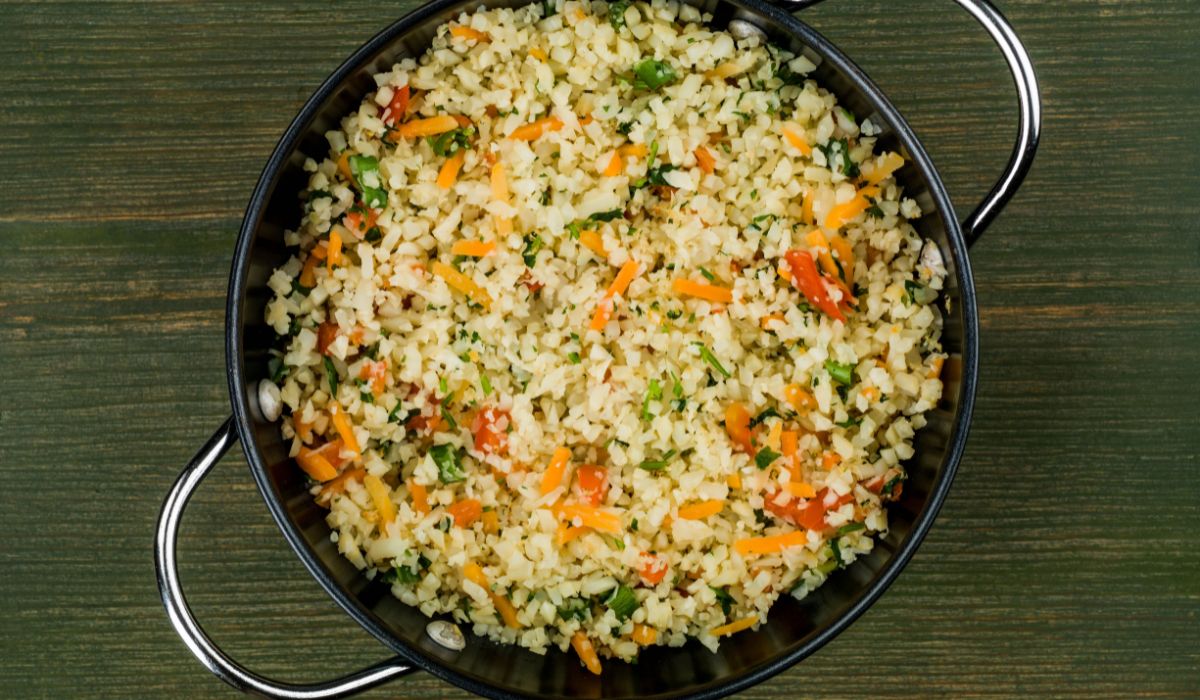
    Thai Minced Chicken Herbal Salad - by I Heart Umami

    A Thai-inspired chicken dish with tons of flavor!

    Whole 30 Tuna Poke Avocado Boats - by Anya's Eats
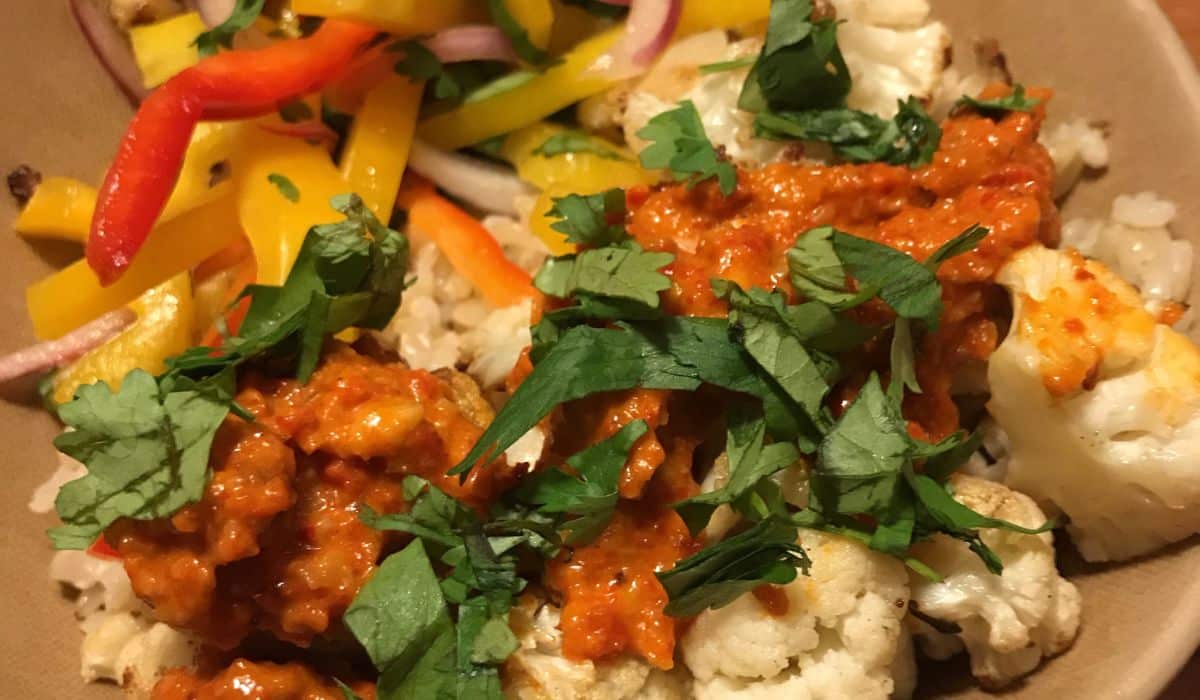
    Looking for a cool dinner dish? Try sushi-grade tuna in avocado boats.
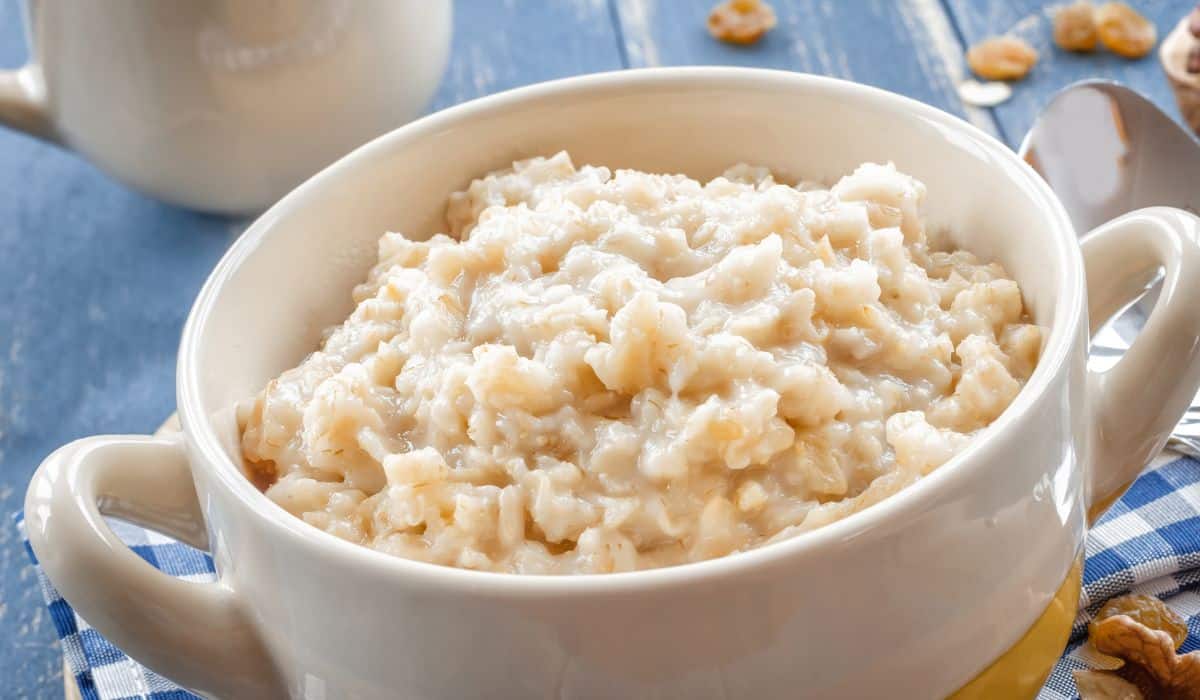
    One-Sheet Roasted Garlic Salmon & Broccoli - by The Natural Nurturer

    Salmon is one of the quickest and healthiest protein sources available. Give this one a shot!

    Spicy Citrus Shrimp Noodle Bowl - by Fresh Planet Flavor

    An Asian-inspired noodle dish with a sweet and spicy sauce.

    Cajun-Style Shrimp - by Paleo Leap

    Add smoky heat to protein-packed shrimp with this Cajun-style dish!

    Paleo Chicken Cobb Salad - by Paleo Running Momma

    Try this chicken Cobb salad made with a creamy Buffalo salad dressing.

    Cold Sesame Noodles with Shredded Chicken - by I Heart Umami

    A cool plate of ribboned zucchini and shredded chicken topped with a tasty sesame sauce.

    Ground Beef Taco Bowls - by Real Simple Good

    It's a taco without a shell and ready to eat in less than 30 minutes!

    7-Minute BBQ Shredded Beef - by Raising Generation Nourished

    Have leftover shredded beef? Try this homemade BBQ shredded beef burger in a grain-free bun.

    Weeknight Paleo Chicken Nuggets with Honey Mustard - by Anya's Eats

    A bite of comfort dipped in a sweet honey mustard sauce!


    Quick Paleo Chicken & Kale Tortilla Soup - by Eat Drink Paleo

    A hearty soup with a spicy, Mexican flair.

    Sausage Pepper Zucchini Pasta - by Get Inspired Everyday

    Tastes like pasta: zoodles mixed in Italian sausage and cherry tomatoes.

    Ground Beef Bulgogi - by My Heart Beets

    A savory and umami-flavored ground beef dish. A versatile ground beef recipe perfect for leftovers.

    Baked Chicken Nuggets - by My Heart Beets

    Baked chicken nuggets made with chicken thighs for flavorful, juicy bites.

    Cheesy Chicken & Green Zoodles - by The Castaway Kitchen

    Add nutritional yeast to bring out a cheesy flavor in these zoodles with chicken.

    Zesty Lime Shrimp with Simple Cauliflower Rice - by The Natural Nurturer

    A bowl of zesty and flavorful shrimp and cauliflower rice!

    Paleo Zucchini Pasta with Spicy Shrimp Marinara - by Paleo Running Momma

    Need a quick dinner? Make this spicy shrimp marinara made with zoodles.

    15-Minute Asian Noodles - by Raising Generation Nourished

    Love lo mein? Make this dish and add chicken or beef!

    Grilled Salmon Lemon And Lime Skewers - by Paleo Leap

    Zesty salmon skewers grilled with slices of lemon, lime and dusted with fresh herbs and spices.

    Filed Under: Paleo Recipe Compilations

    20 Paleo Leftover & Freezer-Friendly Recipes

    August 10, 2016 by Paleo Leaper Leave a Comment

    Cooking can be tedious and time-consuming, especially if you have a family and/or a demanding job. So, let your cooking serve as double duty: a meal for today, and a meal for tomorrow, too. If you don't want to have the same meal two days in a row, cut or portion the recipe into single-serve portions, place in individual containers and freeze for later in the week, or next week.

    Paleo Lasagna - by Real Simple Good

    This lasagna feels like pizza with an abundance of pepperoni and sausage.

    Slow Cooker Pulled BBQ Chicken - by The Natural Nurturer

    BBQ chicken doesn't get any tastier or easier than this: make the BBQ sauce, pour it over the chicken, let it cook and walk away! Have leftovers? Freeze and enjoy later.

    Sweet Potato And Onion Soup - by Paleo Leap

    Creamy sweet potato soup topped with crisp pancetta and crunchy roasted pecans.

    Turkey Eggplant Lasagna - by What Great Grandma Ate

    A lasagna casserole filled with eggplant, ground turkey and topped with cashew cheese.

    Italian Sausage Egg Bake with Spinach and Tomatoes - by Get Inspired Everyday

    Italian sausage and veggies fill this easy egg bake.

    Ground Beef Bulgogi - by My Heart Beets

    A savory and umami-flavored ground beef dish. A versatile ground beef recipe perfect for leftovers.

    Chorizo Sweet Potato Chili - by Paleo Running Momma

    Craving a hearty, bean-free chili? Make this chunky and savory chili filled with bacon, chorizo and spices.

    Layered Taco Casserole - by Living Loving Paleo

    Filled with plantains, guacamole and ground beef, this casserole recipe tastes like tacos! Perfect for leftovers and freezer friendly.

    Paleo Cauliflower & Pumpkin Dal - by Eat Drink Paleo

    A twist on the traditional dal recipe made with pumpkin and cauliflower.

    Best Ever Chorizo & Vegetable Stew - by Happy Body Formula

    A stew stuffed with chorizo, vegetables and tons of spices!

    Paleo Crock Pot Chili - by Paleo Newbie

    Place this spicy chili in a crock pot and enjoy later that night.

    Spicy Beef Stew - by Paleo Leap

    A spicy take on a classic recipe - comfort food with just a little bit of an attitude.

    Spaghetti & Meatball Casserole - by Living Loving Paleo

    Make a big batch of this spaghetti squash and meatball casserole, and have plenty of leftovers for the week!

    Crockpot Beef Roast and Veggies - by Real Simple Good

    A crockpot favorite with beef roast and hearty veggies.

    Slow Cooker Lemon Thyme Chicken - by The Natural Nurturer

    Try this fall-off-the-bone whole chicken slow cooker recipe. Afterward, throw the whole chicken carcass back into the slow cooker with some water, onion, and other veggies for homemade bone broth. Plus, avoid chicken-burnout by freezing the leftover chicken for later!

    Slow Cooker Butternut Squash + Apple Soup - by The Natural Nurturer

    Look at this colorful and sweet soup for fall. Bonus: soups make the best leftovers and are freezer-friendly, too.

    Paleo Chicken Salad with Bacon & Green Onion - by Paleo Running Momma

    Try this homemade chicken salad made with homemade mayo, bacon and green onions. Have leftovers? Enjoy the next day.

    Lemon Basil Grilled Chicken and Veggie Platter - by Get Inspired Everyday

    Grill these chicken thighs and veggies with lemon basil dressing.

    Homemade Japanese Chicken Curry - by Eat Drink Paleo

    A rich Japanese curry sauce with chicken thighs and plenty of veggies. Great for leftovers and freezer-friendly.

    Chicken Apple Sausage - by Happy Body Formula

    Fall-inspired chicken apple sausages.

    Filed Under: Paleo Recipe Compilations

    5 Tips for Paleo Kitchen Clean-Up

    March 25, 2016 by Paleo Leaper Leave a Comment

    Kitchen

    Can you imagine how cookbooks would change if recipes had to include clean-up and dish-washing time in their estimates of cooking time? Even quick recipes still leave a pile of dishes and a messy counter – and that work rarely gets acknowledged by the people who breezily write books full of 30-minute meals assuring you that it’s faster than takeout and anyone can do it. If those 30-minute meals included all the extra labor necessary to actually put a home-cooked meal on the table, they’d probably be 1-hour meals at least.

    Cooking at home is worth that effort. But it’s important to acknowledge the reality that the burden of cooking isn’t just the cooking, and all that extra work is unpleasant and time-consuming.

    Unfortunately, the clean-up work is also important. A clean kitchen isn’t just a hygiene issue; it can also nudge you to make healthier choices. This study found that spending time in a chaotic and cluttered kitchen prompted subjects to eat more cookies, while subjects who got to spend time in a clean and quiet kitchen ate fewer cookies.

    So in the spirit of having more pleasant places to cook and eat, here are 5 tips for Paleo cooks who want to stay tidy without spending all day on it.

    1. Organizing and Decluttering, in 200 Words.

    Kitchen clutter makes everything harder to clean up because you have to clean around it every time you’re in the room. There are plenty of books that spend 300 pages on decluttering, but here’s a basic method:

    1. Pick one drawer and take everything out of it. Put all the things in a box on the countertop.
    2. For the next week (or two), take things out of the box as you need them. Once something is out of the box, put it back in the drawer where it originally was.
    3. At the end of the week, donate anything left in the box to the thrift store.

    Repeat for the rest of your drawers and cabinets.

    For the things you do need…

    • Invest in the right organizers. Spices are easier to find in a spice rack. Pot lids are easier to find in one of those racks made specifically for them.
    • Replace any semi-broken things or things you bought but hate using. Only useful things belong in your kitchen.

    Don’t buy organizers to organize stuff you don’t need. Only buy organizers after you’ve decluttered and gotten rid of stuff you don’t need.

    2. Master Cleanup-light Paleo Cooking

    Once the organization/decluttering step is done, it’s time to work on cleanup-light cooking techniques. One-pan meals save cleaning time because they cut down on the amount of bulky, grimy pots and pans you have to deal with.

    The grill is another great choice for cooking without a bunch of stuff to wash afterwards.

    Some Paleo suggestions:

    • Spicy Indian Chicken Stir-Fry
    • Chicken with Balsamic Pears
    • Sausage with Grilled Vegetables
    • Fried eggs with any other stir-fried vegetables in the same pan

    3. Make Breakfast as Easy as Cereal

    paleo Frittata

    One of the reasons why Paleo kitchen clean-up feels so daunting is that you have to do it for breakfast, too. No more just grabbing a bowl of cereal. Now you have to haul out the pans and utensils and dish soap and…

    …wait, no. You don’t. Paleo breakfasts can be as light on dishes as a bowl of cereal.

    • Cook breakfast in bulk ahead of time (here’s a big list of recipes to make ahead for breakfast on the go)
    • Make more food than you need at dinner, and save the leftovers for breakfast.
    • Find a low-labor breakfast you like, e.g. a can of fish with some homemade mayo. If it comes to that, splurge on pre-hard-boiled eggs from the store: you’ll still be getting more value for money than you would from a box of cereal.

    PS. You can also use bulk cooking for other meals, not just breakfast!

    4. Make a Schedule

    If you’re looking at a cluttered and filthy kitchen, it can seem totally overwhelming. So make a cleaning schedule to spread out bigger tasks (maybe 1 per week) so you never have to spend a whole afternoon in the kitchen at a time.

    Make a schedule of tasks you need to do weekly or monthly and stick it on the fridge (a whiteboard is good because you can just tick things off and then erase them the next week/month and start again). This is also a great way to organize what kids will help out with. If they’re old enough to use a knife at the table, they’re old enough to give you a hand with the cleaning, even if it’s just wiping the table.

    5. Set a Time Limit

    time savings

    All the way back in 1963, Betty Friedan could see that housework had a way of expanding to fill a homemaker’s available time. Even inventing more and more supposedly labor-saving devices didn’t actually help save anyone’s time – either new “needs” showed up to fill the gap (suddenly people started “needing” to vacuum their floors every day) or the old chores started taking longer and longer.

    Cut that off in its tracks by setting a time limit to your kitchen chores. Try…

    • Giving yourself 20 minutes to clean up and wash the dishes after dinner.
    • Setting a time when everything has to be done (e.g. all housework is done by 8pm sharp).
    • Making a playlist and cleaning only until the playlist is done (or listening to a podcast, or watching 1 episode of a TV show, or whatever).

    Using a time limit forces you to be more efficient, so the chores don’t take over your whole life just because the time is there.

    What’s your favorite tip for keeping your kitchen clean? Let us know on Facebook or Twitter!

    Filed Under: Learn About Paleo & Keto Diets

    10 Paleo Stuffed Chicken Recipes

    February 17, 2016 by Paleo Leaper Leave a Comment

    Chicken can sometime be flavorless, dry, or both. This can simply be because it's overcooked, or because 1) you're not cooking the right recipes and 2) it's a very lean meat to start with, with little fat to add flavor and keep it moist. By stuffing chicken, you can fix these two problems. You'll also notice a common theme throughout these recipes and that's that most of them incorporate pork in some way. Since pork is generally much more fatty, it's a great way to keep the chicken tender, moist and full of flavor. Don't worry, you'll also get your veggie fix too!

    Mediterranean Stuffed Chicken - by Plaid and Paleo

    Mediterranean Stuffed Chicken

    If you're a fan of olives, or the classic Mediterranean combination of peppers, red onion and oregano, than this recipe will be a sure hit for you. It's also a great way to get your kids eating more veggies without them even noticing.

    Guacamole Stuffed Chicken - by Paleo Leap

    Most are not too keen on the idea of warm avocados, but this recipe proves that it can still be delicious. We're a big fan of the creamy guacamole inside with the crispy almond flour crust on the outside.

    Roast Chicken with Inside-Out Stuffing - by Eat Drink Paleo

    paleo roast chicken with stuffing

    Although this recipe is great for anytime of the year, it's exceptionally perfect in the fall. The stuffing contains all our favorite fall flavors - nuts, sage, leeks, bacon and garlic.

    Pancetta-Stuffed Chicken Breasts - by Paleo Newbie

    Paleonewbie paleo panchetta stuffed chicken

    Another Mediterranean inspired recipe makes the list. The pancetta and artichoke hearts in the filling help keep the chicken nice and moist, which not only makes for a delicious dish, but it also makes for great tasting leftovers.

    Stuffed Roast Chicken with Chorizo - by The Kitcheneer

    Stuffed Roast Chicken Chorizo

    Not too long ago we made a huge batch of homemade sausage. We were in need of something to do with it all, so that's how we came across this recipe. It's so simple, yet so full of flavor. Although the Chorizo chicken combo is amazing, you can also swap out the Chorizo for another flavor; it's kind of impossible to not end up with something delicious.

    Bacon-Wrapped Salsa-Stuffed Chicken - by Paleo Leap

    bacon wrapped salsa chicken

    An easy dish to throw together when time is of the essence. The recipe includes a simple salsa, but if you've got some hanging out in the fridge that needs to be used up, that works just as well.

    Pizza-Stuffed Chicken - by Paleo Girl's Kitchen

    This recipe is great to prepare with kids, or perfect for the kids at heart. It's a fun way to get the whole family involved in dinner prep and the finished product is oh-so-good.

    Double-Pork Stuffed Chicken Breasts - by Mark's Daily Apple

    Pork and chicken happens to be a great combination and when wrapped in bacon, well let's just say it doesn't get much better than that! It can be super easy to overcook chicken, but with the meat stuffing and the bacon wrap, you'll find this makes for very tender chicken.

    Herb-Buttered Whole Chicken Stuffed with Sauerkraut - by Popular Paleo

    from Cindy Sexton's Paleo Takes 5 or Fewer

    Paleo Takes 5 Roasted Chicken

    Stuffing a whole chicken can be just as tasty as stuffing the breast. We love this recipe for it's simplicity. It's a sure favorite when our herbs are fresh from the garden.

    The Bacon Chicken - by Paleo Parents

    Bacon Wrapped Chicken

    We've already mentioned it a few times here, but we'll say it again - bacon works wonders when it comes to keeping your chicken moist and tender. So, it's pretty much a guarantee that a whole chicken layered in bacon would be anything but delicious.

    Filed Under: Paleo Recipe Compilations

    Winter Luxury Pumpkin Soup with Curry Spices

    January 27, 2016 by Paleo Leaper Leave a Comment

    What on Earth is luxury pumpkin soup? It’s a soup made with a luxury pumpkin! The winter luxury pumpkin is an heirloom breed with an intense flavor.

    It’s easily recognizable by the slightly silvery film on the outside (that’s not mold or anything bad; it’s how the pumpkin’s skin Is supposed to look!). Look for it at the farmer’s market and then try cooking it into this delicious soup.

    Winter pumpkin soup served in two bowls.

    The pumpkin might be a bit of an adventure, but the rest of the ingredients in this recipe aren’t hard to find.

    The ginger and curry powder give the soup a warming tingle, and the stock is a lot more flavorful than just adding water – that’s especially important if you’re used to making soup with canned pumpkin.

    The fresh pumpkin has a lot more water in it, so the flavor will be less concentrated than you might assume.

    Serve this with roasted chicken or duck; it would also be very nice with eggs for breakfast. Think about heading up the leftovers for a warm start to a cold morning: filling, sweet, just a little bit spicy…not the worst of ways to get ready for the day.

    Winter Pumpkin Soup with Curry Spices Recipe

    SERVES: 4 PREP: 20 min. COOK: 50 min.

    Ingredients

    • 1 winter luxury pumpkin, sliced in half and seeded
    • 2 medium russet (yes, white potatoes are OK) or sweet potatoes, roughly chopped
    • 1 large carrot, roughly chopped
    • 1 small onion, diced
    • 2 garlic clove, minced
    • 1 tsp. ginger, minced
    • ½ tsp. curry powder
    • ¼ tsp. coriander powder
    • 4 cups vegetable stock
    • 2 tbsp. fresh lime juice
    • Cooking fat
    • Sea salt and freshly ground black pepper
    Winter pumpkin soup ingredients.

    Preparation

    1. Preheat your oven to 400 F.
    2. Place pumpkin halves, upside down, on a baking sheet lined with parchment paper.
    3. Bake the pumpkins in the preheated oven until the flesh is soft, about 40 minutes.
    4. With a spoon, scrape the flesh from the skin and place in a bowl. Purée using an immersion blender and set aside.
    5. Melt some cooking fat in a saucepan over medium heat.
    6. Add the onion and garlic and cook for 2 to 3 minutes.
    7. Add the potato and carrot chunks and pour in the vegetable stock. Bring to a boil.
    8. Lower the heat and simmer until the vegetables are very tender.
    9. Mash roughly with a potato masher.
    10. Add the pumpkin purée, all remaining ingredients, and season with salt and pepper to taste. Give everything a good stir.
    11. Puree using an immersion blender or leave as is if you like a chunkier soup.
    12. Let the soup simmer until warm and serve.

    📖 Recipe

    Winter Pumpkin Soup with Curry Spices recipe

    Winter Pumpkin Soup with Curry Spices Recipe

    Make this delicious paleo pumpkin soup with spices and curry to warm up cold winter days.
    5 from 1 vote
    Print Recipe Pin Recipe
    Prep Time 20 minutes mins
    Cook Time 50 minutes mins
    Total Time 1 hour hr 10 minutes mins
    Course Soup
    Cuisine American
    Servings 4
    Calories 110 kcal

    Ingredients
      

    • 1 pcs winter luxury pumpkin sliced in half and seeded
    • 2 pcs russet (yes, white potatoes are OK) or sweet potatoes, roughly chopped
    • 1 pcs large carrot roughly chopped
    • 1 pcs small onion diced
    • 2 pcs garlic clove minced
    • 1 teaspoon ginger minced
    • ½ teaspoon curry powder
    • ¼ teaspoon coriander powder
    • 4 cup vegetable stock
    • 2 teaspoon lime juice fresh
    • Cooking fat
    • Sea salt and freshly ground black pepper

    Instructions
     

    • Preheat your oven to 400 F.
    • Place pumpkin halves, upside down, on a baking sheet lined with parchment paper.
      1 pcs winter luxury pumpkin
    • Bake the pumpkins in the preheated oven until the flesh is soft, about 40 minutes.
    • With a spoon, scrape the flesh from the skin and place in a bowl. Purée using an immersion blender and set aside.
    • Melt some cooking fat in a saucepan over medium heat.
      Cooking fat
    • Add the onion and garlic and cook for 2 to 3 minutes.
      1 pcs small onion, 2 pcs garlic clove
    • Add the potato and carrot chunks and pour in the vegetable stock. Bring to a boil.
      2 pcs russet, 1 pcs large carrot, 4 cup vegetable stock
    • Lower the heat and simmer until the vegetables are very tender.
    • Mash roughly with a potato masher.
    • Add the pumpkin purée, all remaining ingredients, and season with salt and pepper to taste. Give everything a good stir.
      1 tsp ginger, ½ tsp curry powder, ¼ tsp coriander powder, 2 tsp lime juice, Sea salt and freshly ground black pepper
    • Puree using an immersion blender or leave as is if you like a chunkier soup.
    • Let the soup simmer until warm and serve.

    Nutrition

    Calories: 110kcalCarbohydrates: 26gProtein: 2gFat: 1gSaturated Fat: 0.2gPolyunsaturated Fat: 1gMonounsaturated Fat: 0.3gTrans Fat: 0.01gSodium: 948mgPotassium: 674mgFiber: 4gSugar: 6gVitamin A: 20477IUVitamin C: 40mgCalcium: 94mgIron: 1mg
    Keyword curry, pumpkin soup, spices, winter soup
    Tried this recipe?Let us know how it was!

    Filed Under: Paleo Recipes, Paleo Soup Recipes Tagged With: cooking: fast prep, cooking: stovetop, diet: dairy-free, diet: egg-free, diet: no sweeteners, diet: nut-free, diet: shellfish-free, diet: vegan, diet: vegetarian, good for leftovers, Paleo Dinner Recipes, Paleo Kid-Friendly Recipes

    10 Comforting Winter Squash Recipes

    December 1, 2015 by Paleo Leaper Leave a Comment

    winter squash recipes

    One of the most satisfying things when it comes to cooking is being able to base your recipes around what is currently in season, or better yet, what you have growing right in your own backyard. Fruits and vegetables always taste better when they are at their prime. Not only that, anything in season is generally less expensive, which is even more incentive to take advantage.

    It just so happens that various squash (winter squash to be more specific) have reached their peak time of the year. If you follow us diligently, you probably would have noticed that we've been enjoying our squashes! We've got a great selection here on our website, a few of which have been included below.

    Without further ado, here's a great compilation of winter squash recipes! You'll be happy to notice that very few are soups and we've also made sure to cover many different types of squash.

    Kabocha Squash Soup - by Enjoying This Journey

    Also known as Japanese squash, Kabocha squash is a sure favorite around here because of it's deliciously sweet taste. We happen to love this soup for it's simplicity, it all cooks right within the squash itself.

    Garlicky Spaghetti Squash w/ Chicken Mushrooms and Kale - by The Roasted Root

    garlicky spaghetti squash with chicken mushrooms and kale

    Many people find pasta one of the most challenging things to give up when first going Paleo. Good news is that there are endless Paleo-friendly alternatives that taste just as good, if not better! Spaghetti squash happens to be one of them and this recipe will surely fulfill any pasta cravings you may have.

    Thai Green Curry in Turban Squash - by The Primal Desire

    Thai Green Green Curry in Red Turban Squash

    Turban squash happens to taste quite similar to many other squashes, but it's unique shape and vibrant colors certainly set it apart. Aside from the fact that this green curry is exceptionally tasty, we also love this dish for it's beautiful presentation.

    Butternut Squash Fries - by Paleo Leap

    butternut squash main

    If we were to compile a list of our most popular recipes, this one would be fairly close to the top. After all, who doesn't love fries?

    Creamy Paleo Pumpkin Soup - by Tessa the Domestic Diva

    Paleo Pumpkin Soup Vegan

    Although this soup can be made with any winter squash, pumpkin is by far the squash of choice for us. You can't beat the pumpkin and coconut combo. This recipe is AIP-friendly and be sure to take Tessa's advice, fresh squash over canned puree, it "will make a world of difference."

    Chicken and Pork Stuffed Squash - by Paleo Leap

    chicken pork stuffed squash main large

    Serve up your whole meal in one buttercup squash. This simple meat and veggie blend is so delicious. It's a dish to whip up when craving some healthy comfort food.

    Fiery Sweet Dumpling Chili - by Sustainable Dish

    squash

    This is the recipe you want to have on hand when your fridge is bursting with Thanksgiving leftovers. Any meat happens to work well and best of all, it will be kept nice and tender in this tasty sauce.

    Cinnamon-Sage Baked Delicata Squash - by Autoimmune Paleo

    sagedelicata2

    Oftentimes, any squash is good with just some simple seasonings and a little time to roast in the oven. If you have yet to try this technique, than you're not going to want to pass up on this recipe. It's AIP-friendly and makes for a perfect side, or even an easy snack.

    Pumpkin Bread and Muffins - by Wellness Mama

    Pumpkin Spice Muffins and Bread Recipe with Coconut Flour

    Nothing feels more like Fall than baking treats. Baking this pumpkin bread or muffin recipe is super easy and will have the whole family excited. Also, they are nut-free.

    Butternut Squash Lasagna - by Paleo Leap

    Craving lasagna? Then here's your Paleo fix! Layers of butternut squash noodles slathered with tomatoes, beef and plenty of good herbs.

    Filed Under: Paleo Recipe Compilations

    6 Quick Tips for Minimizing Cooking Stress

    October 17, 2015 by Paleo Leaper Leave a Comment

    Cooking Stress

    Paleo cooking does take time and effort - cooking every meal from scratch is a big deal, and if you're anywhere close to that, you owe yourself a huge pat on the back for making it work. But even if it's not effortless, it shouldn't be overwhelmingly stressful. Here are 6 ways to cut down on stress in the kitchen, whether the problem is a time crunch, disorganization, or just trying to do too much.

    1. Prep Ahead Even if you Don’t Need it Immediately.

    Sometimes, food stress comes from trying to cook when you really, seriously do not have time to cook right now. Then the whole process of cooking is rushed and unpleasant, and it’s one more thing on an impossibly long to-do list. Even if you enjoy cooking normally, it’s hard to enjoy it like that.

    If you know in advance when you won’t have time to cook, you can use bulk prepping to avoid the problem before it starts. But life is unpredictable. You don’t always know when you’re going to need a grab-and-go meal…or three in a row.

    Deal with that by prepping a few extra meals and sticking them in the freezer just in case. Then they can do you a favor as…

    • Breakfasts when the morning turns hectic.
    • Dinner when you get home late and you’re too exhausted to cook.
    • Any meal when you’re just too darn busy.

    And if you don't end up needing them, take a night off cooking just because.

    2. Learn to Modify Recipes (Or Cook Without Them).

    Cooking can also be stressful if you’re scared to deviate from a recipe even the slightest bit. Cooking like that makes it hard to find a recipe on short notice (by the universal laws of Things Going Wrong, you'll always be missing at least one ingredient), and it requires extremely rigid meal planning if you don’t want to be running off to the store every other day.

    If you’re comfortable modifying recipes on the fly, cooking is much more relaxed. No garlic powder? OK, just throw in a couple cloves of actual garlic. No olive oil? Fine; use coconut and don’t sweat it. Accidentally missed a step? There’s almost always something you can do to make it work.

    Better yet, learn the basic process of making some common meals and skip the recipe completely. Onions, green peppers, and chicken breast? Stir-fry. Eggs, leftover roasted broccoli, half a can of olives, and elephant garlic? Frittata. Here are 10 super-simple recipes for beginners that you could learn the concepts for so you don’t need a recipe to make them.

    3. Relax About Paleo Imitations.

    There’s also the unnecessary stress of trying to re-create grain-based foods at every meal. Paleo is not about imitating the typical American diet with almond flour and honey in place of wheat flour and sugar. If you’re not sure how to make a meal without bread, here’s a basic Paleo template for complete meals with no grains and no imitation grains.

    If you’re trying to please a Paleo skeptic by making Paleo look like basically the same thing they’re used to – stop. Paleo imitation foods very rarely taste exactly like what you’re imitating. It’s not the same, and it’s not going to be, and pretending that it is the same just makes a lot more work for you.

    Instead stressing out about trying to re-create pizza or bread or muffins every night for dinner, try just cooking Paleo foods and enjoying the flavors of things that aren’t pizza and bread but are still delicious. (And when you have time and energy, you can still make Paleo treats for special occasions)

    If you have a spouse or kids who object to that – they should be so lucky to have someone who loves them and cooks them nutritious meals from scratch. If they want a say in the final product, then they can help with the cooking.

    4. Use Variations on a Simple Theme for Variety Without the Stress.

    paleo containers

    One of the most obvious solutions to cooking stress is to just make simpler meals. But how do you simplify without getting bored?

    The key is to do variations on a simple theme, not totally new recipes every time. For example, you can get a lot of flavor variety out of [roasted vegetable] + [spice] but you’re basically making the same easy recipe every time, just with slightly different ingredients.

    Also, “leftovers” is not a dirty word, and the same batch of chili or stew can easily be the theme that you do variations on. Here are some tips.

    5. Scope Out Local Restaurants in Advance.

    A lot of Paleo food stress comes from restaurants – what to order, where to go, what to ask the server, and is it even possible to eat out if you’re on a very restrictive diet?

    To minimize that stress, sit down ahead of time and look up at least 2 or 3 local restaurants where can you go for a reasonably Paleo-ish meal if you’re caught working late without dinner, or if you have company and want to take them out to eat. In the process, you’ll learn what to look for on the menu, so you can make fast choices if you’re heading for a meal at a strange place.

    By the same token, it’s helpful to look up any Paleo meal delivery services in your area just to see what’s there. Even if you never use them, having the option can be reassuring.

    6. Plan More…Or Less.

    Some people are planners. They feel happiest when everything is on schedule and they know exactly what’s coming up and when. Those people are the planners, and if you’re one of them, planning out your meals can be shockingly helpful. Here’s how to get started meal planning. It can also be helpful to pencil your cooking time into your schedule, so you can stop worrying about when you're going to find time to do it, and feel relaxed and confident that you've planned enough time to get everything else done even with half an hour of cooking time in the evening.

    On the other hand, some people find that level of planning to be stressful and unnecessary. If you’re in that tribe, this might not be such a great solution for you. Maybe an overly rigid meal plan is actually causing your stress, and you’d feel a lot better without it.

    How do you avoid getting stressed out in the kitchen? Let us know on Facebook or Twitter!

    Filed Under: Learn About Paleo & Keto Diets

    Fitting Paleo Food into your Mornings

    July 29, 2015 by Paleo Leaper Leave a Comment

    If you pop out of bed bright-eyed and bushy tailed to the twittering of the early birds, count your blessings as you lovingly prepare a handcrafted breakfast, and then settle down to contemplatively sip some tea and possibly meditate before calmly getting ready for work, this post is not for you.

    But if your mornings are more along the lines of “hit snooze a couple times, stagger out of bed, forget half your stuff on the way to the car, and finally wake up around 10:30 after three cups of coffee,” you might be wondering how on earth you’re supposed to manage getting in a home-cooked breakfast and packing a lunch in all of that. Who on earth has time to cook breakfast while they’re staggering around about to be late for the bus?

    Here’s how.

    Why do Mornings (Sometimes) Suck?

    You can’t fix something if you don’t know what’s broken. So why do so many people hate mornings and revolt at the thought of adding even more to them in the form of cooking breakfast and packing lunch? Often it’s a combination of…

    Feeling lousy.

    The morning headache, the grogginess, the grumpiness, the aching need to just collapse right back into bed and pull the covers up over your head – all of them just plain stink. Nobody wants to manage cooking when they feel like that, which is probably a blessing in disguise since operating knives and an oven when you can’t see straight is generally a bad plan.

    Not enough time.

    On top of feeling lousy, mornings are often a frantic flurry of rushing around trying to do five things at once, which is exactly what you’re least prepared to handle when the coffee is still working its way through your system. If you're stretched to grab a granola bar on the way out the door, waiting 20 minutes for a frittata to bake sounds like an impossible feat.

    Crafting a Better Morning

    To start making mornings less-bad, start by tackling the root causes of the morning-crud/time-crunch combo that makes mornings so unbearable and a real breakfast so impossible.

    For some people, feeling lousy in the morning is just biology. Some people are wired to sleep a later – one study found that roughly 50% of people have an ideal bedtime after midnight, and an ideal wake-up time after 8:00 am. This is called an evening chronotype. If this is you, and you have to get up at 6 for work, you’re probably not going to be at your best.

    But for other people, the problem isn’t their chronotype. They’re not grumpy in the mornings because they’re wired to be; they’re grumpy because they only got 6 hours of sleep, and one of those was tossing and turning because they were up on the computer until they collapsed into bed. And all of those problems are a lot easier to change than your biology.

    Sleep Better.

    sleep

    Good mornings start the night before. Count backwards 9 hours from your wake-up call: that’s the time to turn off all the electronic screens. The blue light from computer screens, cell phones, TV screens, and other electronics looks like daylight to your brain, and it’s a signal to stay awake – you want to turn that signal off to wind down for bed.

    An hour after that (8 hours before waking up), your head should be on the pillow. This gives you three things:

    • More time: when you plan for enough sleep, you aren’t stealing your morning prep time 10 minutes at a time via snooze button.
    • More efficient use of your time: when you’re well-rested, you’re more efficient than when you’re stumbling around in a haze.
    • Better mood: if your body is done sleeping by the time you need to wake up, then waking up won’t be such an awful prospect, and you’ll feel better once you’re up.

    It’s also worth reconsidering your relationship with caffeine. Coffee and other caffeinated drinks can have a place on Paleo, but they can also easily turn into a vicious cycle where you’re tired, so you drink more coffee, so you don’t sleep well, so you’re tired, so you drink even more coffee, etc.

    Automate your Food Prep

    The next step to making mornings a little better is to cut down on the number of things you have to cram into them – this is where the later chronotypes will really start seeing benefits. Mornings might not be your favorite time of day, but they don’t have to be a frantic rush of things to do, even if you want a home-cooked breakfast and lunch.

    On Paleo, you’ll be cooking almost all of your meals from scratch. But you don’t have to cook anything in the morning if you don’t want to. The key is to get into a routine of doing food prep ahead of time, so it doesn’t take any effort to remember and becomes totally mindless.

    • For breakfast: One day a week, batch-cook something that you can grab and go. Here are 8 simple recipes to get you started.
    • Lunch: if you need to pack a lunch for work or school, get in the habit of cooking double for dinner and packing the leftovers when you clean up after dinner. Stick it in the fridge; you can just grab it and go in the morning.

    Make these into habitual parts of the week, so there’s no need to think about them. You’ll have healthy food easily available in the mornings without scrambling to cook. Even if you’re still not quite awake until closer to lunchtime, the pre-coffee haze won’t be compromising your health goals.

    Mornings from Good to Great

    morning

    With enough sleep and a solid food prep routine, getting real food into your mornings should at least be tolerable. Here’s how to take it up one more notch.

    Make Mornings Enjoyable

    • If you don’t work out in the morning, stretch for a few minutes. Not everyone is a morning-workout person, and that’s fine. But if you’re not, take a couple minutes and stretch out to get the blood flowing. It’s a great way to feel more awake without caffeine.
    • Drink a big glass of water. Again, energy minus the caffeine, and it’s good for you!
    • Build in some quiet time. It’s one thing to not-rush. But even better than that is some quiet time to yourself in the morning. Whether it’s reading the paper, meditating, or just having some coffee and looking out the window, give yourself a few minutes to start the day calmly.

    Set Up Your Day

    If you have time to do even a little bit of food prep, you can also take a few simple steps to make the rest of your day better:

    • Put something in the slow-cooker. When you get home from work, dinner will be ready.
    • Put something in to marinade. This is especially good if you’re planning to grill anything for dinner.
    • If you have a spare few minutes, put some dishes away or clean something fast. It can make a big difference to come home to a clean kitchen.

    Summing it Up

    Even if mornings will never be your favorite part of the day, at least you can make sure they aren’t any worse than they have to be. As simple as it sounds, getting enough sleep and planning ahead for meals can save you from a crazy morning rush that ends up with you skipping breakfast and caving to the lure of the vending machine at 10.

    Filed Under: Learn About Paleo & Keto Diets

    10 Tips for Making Portable Salads (With Recipes)

    May 9, 2015 by Paleo Leaper Leave a Comment

    Portable salads are an easy go-to lunch option, and you can even pack them a few days in advance in the fridge if you know how to make it work. But it’s not quite as simple as just throwing everything into the jar and tossing it in the fridge – that way lies slimy spinach and soggy chicken breast. Here are 10 tips for making portable salads that you’ll actually want to eat, plus some delicious recipes for salads to try in a jar, a Tupperware, or any other container you can grab and go.

    1. Layers will get you everywhere.

    Nobody likes soggy, wilted, slimy lettuce. The key to avoiding this is layers – start with the dressing at the very bottom, then move on up to the hardier vegetables that can stand up to sitting in the dressing for a while, then more fragile toppings like avocado, and use relatively dry protein components to separate the wet stuff from the fragile greens on top.

    For example, you could put the dressing at the bottom, then layer in cucumbers and tomatoes, chicken breast, and lettuce or spinach at the top. Gravity will keep the heavy wet stuff at the bottom, and the drier chicken breast helps protect the lettuce. Then just shake it up and pour it into a bowl when it’s time to eat.

    Try making layers with…

    • Italian Chopped Salad (Against All Grain): dressing, artichoke hearts and beets, green olives, chicken and salami, lettuce.
    • Thai Chopped Chicken Salad (Lexi’s Clean Kitchen): layering instructions in the recipe.

    2. If you have a bumpy ride, keep the dressing separate.

    Most portable salad recipes advise putting the dressing in the bottom of the jar. That’s fine if you’ll always be able to keep the salad upright, but it’s not great for bike commuters, students who tend to throw their backpacks around, or anyone else who needs a slightly more durable salad.

    You can buy salad containers with a separate dressing cup included, or just bring your dressing along in a separate smaller container. The tiny little plastic containers sold for toddler snacks work really well for this.

    Here are a few quick and easy salad dressings, or try…

    • Mexican Salad Dressing (Things My Belly Likes)
    • Paleo Caesar Salad Dressing (Rubies & Radishes)
    • Easy One-Jar Lemon Salad Dressing (The Fitchen)

    3. Use the right container.

    paleo containers

    Mason jars are trendy and cute, but they’re also heavy and breakable, and they don’t have an easy built-in dressing holder the way some plastic containers do. They don’t hold very much spinach or lettuce, and they can be a pain to eat out of, unless you want to eat all the components of your salad separately.

    If you like mason jars, by all means, keep using them, but don’t sacrifice functionality for style – that’s a surefire way to get irritated at the whole project and give it up.

    4. Consider tougher greens.

    If your lettuce always wilts no matter what you do, try something a little sturdier. Shredded cabbage is one great option. If you go for coleslaw, you can even break the dressing-on-the-bottom rule, and if you’re not a coleslaw person, you can easily use it in all kinds of other salads as well.

    Another green that holds up better than lettuce is kale. Don’t knock it until you’ve tried it with the right dressing and something crunchy on top!

    Recipes with tougher greens:

    • Coleslaw with Apples and Poppy Seeds (Paleo Leap)
    • Thai Kale Salad with Coconut Lime Dressing (Three Beans on a String)
    • Brussels Sprouts and Kale Salad with Sweet Dijon Dressing (Pain Free Kitchen)

    5. Try it without the leaves.

    If you constantly have trouble with wilted greens, try taking the lettuce out of the picture completely in favor of a chopped salad. You can still have plenty of vegetables in the mix: what about bell peppers, cucumbers, or steamed and chilled asparagus, broccoli, green beans…

    Some tasty leafless salads:

    • Thai-Style Broccoli Salad with Sweet Chili Lime Dressing (GI 365)
    • Fresh Vegetable Salad with Black Olives (Paleo Leap)
    • Asparagus Basil Salad (Elana’s Pantry)

    6. Use a DRY container.

    Whether you go for glass, plastic, ceramic, or pure gold-plated titanium, make sure your container is dry as a bone before you start putting your salad in there. Wipe it out with a paper towel, or wipe it with a clean rag and then let it air-dry for a few minutes before you start. A wet container will give you wilted produce in no time.

    7. If you’re using canned fish, try just bringing the can.

    Canned tuna or sardines are delicious over lettuce, maybe with a mustard vinaigrette and some other vegetables for color. But you know what’s not so delicious? Tuna-flavored lettuce, topped with tuna-flavored red peppers, tuna-flavored almond slices, and tuna, with a tuna-flavored vinaigrette.

    The hard fact of fish is that it has a distinctive smell. And since canned fish is already packaged in a portable container, you’re not losing any convenience by just throwing the whole can into your lunchbox and then opening it when you’re ready to eat.

    Recipes with canned fish:

    • Keto Tuna Salad (Paleo Leap)
    • Chopped salad with Tuna (The Salty Kitchen)
    • Mason Jar Loaded Tuna Salad (So Let’s Hang Out)
    • Kale and Sardine Salad (Reclaiming Yesterday)

    8. Go for cherry tomatoes over slices.

    Tomato slices or wedges can be a great addition to a salad, but they tend to leak liquid over the course of a day or more in the fridge. Get the same flavor without the potential for sogginess by throwing in a couple of cherry tomatoes instead.

    Recipes with cherry tomatoes, or where you could substitute:

    • Keto Taco Salad (Paleo Leap)
    • Tomato and Spinach Salad (Paleo Leap)
    • Shawarma Salad (Mark’s Daily Apple)
    • Buffalo Shrimp Salad (Preppy Paleo)

    9. If you want avocado, sprinkle it with lemon juice before adding it.

    paleo avocado

    Avocado is a wonderful addition to any Paleo salad – it’s full of nutrients and healthy fats, and it tastes delicious. But brown avocado is arguably as gross as slimy lettuce. Avoid it completely by sprinkling the avocado with a few drops of lemon juice before you start packing it into your chosen container.

    Some tasty salads with avocado:

    • Salmon, avocado, and arugula salad with lemon-parsley dressing (The Iron You)
    • BLT Salad with Avocado and Chipotle Dressing (Cook Eat Paleo)
    • Cobb Salad with Green Goddess Dressing (The Domestic Man)

    10. Prep in advance

    The whole point of a portable salad is that you’re going to take it somewhere. Unless you plan perfectly every time you leave the house and never have emergencies, at some point you’re going to be running off in a rush. If your “salad” is still a pile of unwashed greens, un-chopped chicken breast, and various condiments scattered around the kitchen, chances are very low that you’ll have time to put it together.

    Making a nightly habit of prepping your salad for the next day is one great way to make sure it happens – and it’s the perfect time to incorporate dinner leftovers as well. Or do it in the morning if you work the night shift. Just make sure you do it.

    …and some extra portable salad recipes, just because! (Eat Drink Paleo)

    Filed Under: Learn About Paleo & Keto Diets

    Paleo Basics: Tips and Resources Masterpost

    April 15, 2015 by Paleo Leaper Leave a Comment

    Are you working on a Paleo challenge but struggling to fit in all that cooking and meal prep – and maybe looking longingly at the prepackaged “Paleo” bars and cookies at the checkout counter? Or maybe you’re craving snack food more than you thought you would, or you’re not sure what to even eat for snacks without dried fruit and nut butter.

    Trying to fit Paleo into a modern lifestyle isn’t easy. If you’re already doing it, or even if you’re trying your best, pat yourself on the back, because you’re swimming upstream against a very strong current of takeout culture and convenience foods at every turn. To help you along the way, here’s a masterpost of tips, advice, simple recipes, and resources for making your challenge a success.

    Finding Time to Cook Without Prepackaged “Paleo” Foods

    A lot of people struggle with Paleo because they’re “too busy to cook.” So they end up eating a lot of convenience foods that they didn’t want to eat, just because they think they don’t have time to make something at home. Alternately, they end up way too reliant on processed “Paleo-labeled” treats like bars and trail mix – which is exactly what the Paleo Basics challenge asks you to eliminate.

    Here’s how to squeeze Paleo into your daily schedule without relying on the prepackaged convenience foods, sugary smoothies, or a handful of trail mix masquerading as a “meal.” Pick your problem below to get solutions and resources for tackling it.

    I don’t have time to make breakfast in the morning.

    paleo EggMuffinCupTray
    Mini frittatas or egg muffins are a great make-ahead breakfast.
    • Solution: go for a make-ahead breakfast, like egg muffins/mini frittatas or mini meatloaves.
    • Resources: Here are 8 make-ahead breakfast recipes.

    I don’t have time to pack and prep lunches.

    • Solution: cook a double dinner at night. Put half on your plate and half on your lunchbox. You just packed your lunch in about a minute of extra time.
    • Resources: Here are all our recipes tagged as “good for leftovers” for your browsing convenience.

    I don’t have time to make dinner after work.

    • Solutions: (pick one or more)
      • Invest in a slow-cooker or pressure-cooker.
      • Make one-pan skillet meals like skillet rosemary chicken to minimize prep time and cleanup.
    • Resources: Here are all our recipes tagged as “fast cook” for inspiration.

    What can I eat for quick snacks?

    • Solutions: (pick one or more)
      • Eat enough at meals so you don’t need snacks at all. It’s OK to eat big meals. There’s no metabolic advantage to eating six times a day: the only reason to do it is if you like it.
      • Eat exactly what you’d eat at a meal, just less of it. Good food is nutritious whenever you eat it; there’s no reason why “snacks” demand special kinds of food.
    • Resources: Check out this list of 10 nut-free, low-sugar Paleo snacks; mix and match until you get something with both protein and vegetables in it, and chow down!

    Tip: if you batch-cook one or more of the following at the beginning of the week, you’ll have a much easier time finding snacks later:

    • Hard-boiled eggs, egg muffins, or egg salad.
    • Chicken drumsticks.
    • Guacamole.
    • Homemade mayonnaise.

    Keeping the Basics Interesting

    “Basics” is not a synonym for “boring!” You don’t have to give up flavor or pleasure just because you’re giving up stuff that’s designed to imitate junk food. In fact when you let go of the “Paleo treats,” you might be surprised to discover exactly how enjoyable your “regular food” can be.

    Some tips and resources for keeping your interest going:

    • Don’t skimp on fat or salt. Both are perfectly fine to eat (fat doesn't make you fat, and salt isn't a devil food), and they give your
    paleo butter
    Fat gives your food flavor - don't skimp on it!

    food flavor. If you try to eat meals without fat or salt, your food will taste like cardboard and of course you’ll be bored of it – so don’t do that to yourself! Maybe as a special treat to carry you through the challenge, you could experiment with duck fat or something else really luxurious.

    • Explore all your vegetable options. Challenge yourself to try one or two new vegetables per week – most people have at least one thing in the produce section that they’ve always kind of looked sideways at but never really explored.
    • Switch up your leftovers to avoid getting sick of recipes you batch-cook. Here’s how to use leftovers without getting bored.
    • Look up recipes and techniques to make basic staple foods interesting: here are some ideas for eggs, roast chicken, salad, and ground beef.
    • Keep your mind stimulated in other ways. If you’re relying on food for all the interest or stimulation you get in your day, then it’s going to be awfully hard to give up hyper-stimulating junk food: humans crave pleasure, and we need to get it from somewhere. If you’re trying to cut the junk, try introducing a non-food pleasure as well to shift your focus.

    But Why Can’t I Have Paleo Treats on the Paleo Basics Challenge?

    You “can” have anything you like: you’re an adult and you get to decide what goes into your mouth. If you want to, you “can” have Paleo treats – in fact, if you want to, you “can” have regular, non-Paleo treats full of high-fructose corn syrup and refined flour; it’s not like they’re illegal. Nobody will stop you at the door and set a dog to sniffing your bags for hidden sugar.

    But for the Paleo Basics challenge, you’re choosing to abstain (and yes, the way you say it matters!) from those treats even though you technically “can” have them. Treats aren’t part of the Paleo Basics challenge because it’s about your emotional relationship with food as much as your physical diet. It’s fine to enjoy occasional treats; it’s not healthy to be dependent on food for comfort or entertainment. If you really are eating those treats occasionally, within the spirit of Paleo, then abstaining for one week shouldn’t be a big deal at all.

    If you’re finding it impossibly difficult to even think about not eating Paleo treats for a week, it might be a sign that you’re depending on them for emotional reasons – to feel good after a long day, to handle work boredom or stress, to reward yourself for a job well done. In that case, it might be worthwhile to take a hard look at your relationship with food, and maybe some ways to reward yourself without food.

    Are you doing the Paleo Basics Challenge How’s it going? Let us know on Facebook!

    Filed Under: Learn About Paleo & Keto Diets

    10 Nut-Free, Sweetener-Free Paleo Snacks

    April 11, 2015 by Paleo Leaper Leave a Comment

    The debate over whether you should snack at all shows no sign of dying down. But there’s no evidence that snacking either helps or hurts weight loss in the abstract, so the most reasonable approach is to just do what works for you.

    If you’re not a snacker, you can close the tab now. But if you are a snacker – or if your kids are – then finding Paleo snacks can be hard. Most of them revolve around nuts, dried fruit, and sugar substitutes like honey and maple syrup. For some people, those foods are completely fine, but for others they tend to trigger overeating, further sugar cravings, or eating out of boredom just because you have treats lying around, instead of eating because your body is hungry.

    So for the non-nut snackers, here’s a list of 10 nut-free, low-sugar snacks that focus on protein, vegetables, and healthy fats (just like the rest of Paleo!). They’re all tagged for convenient skimming:

    • [L] = Lunchbox-friendly (something you could take to work or send to school with your kids)
    • [P] = contains a notable amount of Protein.
    • [F] = contains a notable amount of healthy Fats.
    1. [L, P, F] Hard-boiled eggs with salt and pepper. One or two hard-boiled eggs makes a great snack to tide you through the afternoon – go deviled if you really want something fancy.
    2. [L, P, F] Prosciutto or another cured meat, like salami or summer sausage. You’ll have to watch out for junk ingredients here, but you can often get high-quality products with just meat, spices, and salt.
    paleo KaleChips
    Fresh vegetables with guacamole: easy to throw together and full of healthy fats.
    1. [F] Vegetables with guacamole. Grab some pepper strips, baby carrots, cucumber slices, or other favorite vegetables and dip them in a bowl of fresh homemade guacamole.
    2. [L, P, F] Beef jerky, either store-bought (watch out for junk ingredients, though!) or homemade (scroll down to the bottom of the page for the recipe). In high-end grocery stores, you can even get salmon or turkey jerky for a nice change of pace.
    3. [L] Rainbow carrots. Rainbow carrots are the fun multicolored ones you see in bunches – they’re great for kids because they’re fun to eat (and all the colors taste just like normal carrots). Eat them plain, cut into strips or chips, and/or with your favorite dip.
    4. [L, P, F] Can of sardines, tuna, or other fish. Canned fish will keep almost indefinitely in your glove compartment or at the bottom of your gym bag; throw a couple tins in there for emergencies and you’ll always something to lean on.
    5. [L] Kale or other vegetable chips. Kale chips are easy to roast up in advance, and you can flavor them however you like.
    6. [L, F] Olives. A handful of olives makes a tasty snack. If you need them on the go, you can buy 100-calorie packs that are already pre-divided into conveniently snack-sized bags (counting calories is still a bad idea for most people, but while there’s a product available in a convenient package, you might as well take advantage)
    7. [P, F] Deli meat roll-ups. Yes, Paleo-friendly deli meat does exist! The trick is to get the kind that’s freshly sliced behind the deli counter – it’s basically just ordinary roast beef (or turkey breast, or whatever it is) sliced into a different thickness. Meat doesn’t magically become non-Paleo because it’s put through a slicing machine; the only “deli meat” to avoid is the mystery meat you find in prepackaged plastic baggies in the refrigerator section. Smear one side with mayonnaise and wrap around pepper strips, sprouts, baby greens, shredded cabbage…
    8. [P, F] Egg salad in celery sticks or cherry tomatoes. This one is a little more involved, but great for weekends or playdates. Whip up a batch of egg salad and use it to fill in the channel in celery sticks, spoon it into cherry tomatoes, or just eat it as a dip for any other vegetables you like.
    9. Bonus: small amount of leftover anything. Any Paleo leftovers can be a snack if you eat a snack-sized amount. Leftover kabobs? Just have one instead of the 2-3 you’d normally eat at a meal. Extra pork chop? Grab half of it and throw a tablespoon of sauerkraut on top for some crunch.

    If you’re thinking something like “…but none of these are snack-y. Where are the coconut date balls? Where are the Paleo cookies?” – well, that’s the point! This is a list of snacks to give your body energy, not snacks that you eat for fun. If treats based on nuts and dried fruits work for you personally, that’s fine, but they’re not right for everyone, and even the non-treat-eaters need something to eat when they get hungry in the middle of the afternoon.

    What's your favorite savory snack? (Bonus points if it provides some protein and fat to keep your energy high for a while). Let us know on Facebook or Google+!

    Filed Under: Learn About Paleo & Keto Diets

    A Guide To Histamine Intolerance

    Histamines are compounds that are a normal part of our local immune responses.

    Normally histamines are not a problem, but in some people there is an overproduction of histamines or an inability to properly breakdown the build-up of histamines in the body.

    When the levels of histamines get too high in the body, symptom such as hives, headaches, sneezing, fatigue and irritability are often seen. The symptoms are often just like allergy symptoms.

    The exact causes are unknown, but genetic and environmental factors are most certainly at play. For people with histamine intolerance, the primary course of action should be to identify and treat the underlining cause of the histamine intolerance. Recent research tends to point to mast cell disorders in many of the cases.

    Foods High In Histamines

    Some foods are naturally high in histamines, but almost any food that’s fermented or aged will also be high in histamines. The curing, aging or fermentation process create more histamines. Here’s a list of things to avoid:

    [one_half]

    • Kefir
    • Yogurt
    • Cheese
    • Kimchi
    • Sauerkraut
    • Bacon
    • Cold cuts
    • Salami
    • Sausages
    • Canned fish
    • Smoked salmon

    [/one_half]

    [one_half_last]

    • Spinach
    • Vinegars
    • Citrus fruits
    • Eggplants
    • Mushrooms
    • Raw egg whites
    • Wine and alcohol
    • Dried fruits
    • Coconut aminos
    • Fish and seafood
    • Leftover meat

    [/one_half_last]

    Histamine Releasing Foods

    Some foods are low in histamines, but trigger the release or histamine in the body and should be avoided as well:

    [one_half]

    • Tomatoes
    • Strawberries
    • Pineapples
    • Papayas
    • Bananas

    [/one_half]

    [one_half_last]

    • Avocados
    • Alcohol
    • Chocolate
    • Milk
    • Nuts
    • Shellfish

    [/one_half_last]

    What To Eat Instead: Low Histamine Foods

    [one_half]

    • Squashes
    • Broccoli
    • Cabbage
    • Garlic
    • Onions
    • Zucchini
    • Cucumber
    • Fresh meat
    • Asparagus
    • Carrots
    • Beets
    • Leeks
    • Bell peppers

    [/one_half]

    [one_half_last]

    • Watermelon
    • Grapes
    • Olive oil
    • Coconut oil
    • Coconut milk
    • Sweet potatoes
    • Turnips
    • Pears
    • Mangos
    • Apples
    • Celery

    [/one_half_last]

    A Few Recipes

    Here are a few low histamine recipes to try:

    A Few Final Tips

    • As histamine levels in leftover food quickly rise, a good trick is to freeze leftovers right away in single-serve portions. This works especially well for leftover meats.
    • Some nutrients help the body get rid of excess histamines. Vitamin C, vitamin B6 and copper are three such nutrients.
    • Avoid probiotic supplements.
    • DAO enzyme, available as a supplement, brings relief for many people and helps break down histamines in the body.

    Further Reading

    • Our in-depth article about histamines
    • This podcast by Chris Kresser
    • This food list by Whole30

    10 Recipes to Keep Ground Beef Interesting

    March 13, 2015 by Paleo Leaper Leave a Comment

    paleo groundbeef main

    It’s a kitchen workhorse. It’s often the cheapest cut of beef available, so most of us end up buying a lot of it. But making the same chili, meatball, meatloaf, and burger recipes gets old after a while – and there’s no reason you need to keep doing the same old things with such a versatile food! So here are 10 interesting recipes to keep ground beef from getting dull.

    1. Karniyarik (Turkish stuffed eggplant) (The Domestic Man). Sure, you’ve had stuffed peppers (if you’ve been on the ground beef train for a while, you’ve probably had every conceivable variety of stuffed pepper in existence). But have you tried stuffing anything else?

    If you liked that, try some other recipes for stuffed vegetables...

    • Paleo stuffed eggplant (Everyday Maven).
    • Giant stuffed mushrooms (Everyday Paleo).
    • Stuffed acorn squash (Yaya Recommended).

    2. Indian ground beef curry (My Heart Beets). It’s a little bit like chili, if chili got an Indian-themed makeover. Adding potatoes makes for a hearty meal, and don’t forget some cauliflower rice to soak up the sauce!

    If you liked that, try some other Indian-inspired recipes...

    • Indian Kheema Matar (Buttoni)
    • Deconstructed Samosa (Nom Nom Paleo)

    3. Ground Beef and Baba Ghanouj Breakfast Bowl (The Healthy Foodie). Ground beef gets a Middle Eastern makeover with a smoky eggplant dip and fresh tomatoes. And eating it for breakfast is a nice change of pace from eggs.

    If you liked that, try some other Mediterranean and Middle Eastern-themed ideas...

    • Paleo Ground Beef Kebabs with Tzatziki Sauce (Jackson and Laguna). The sauce contains dairy, but the kebabs are dairy-free.
    • Spicy Beef and Cucumber Salad with Cashew Raita (Eat Drink Paleo).

    4. Moroccan Beef and Fig Stew (Things My Belly Likes). Get some sweetness in your ground beef with a big bowl of stew full of North African flavors.

    If you liked that, try another African dish...

    • Sukuma Wiki (Kenyan Braised Collard Greens and Ground Beef) (The Domestic Man)

    5. Bakso (Indonesian Beef Balls) (The Clothes Make the Girl). These have a different texture from typical ground beef recipes, so if you’re suffering from texture fatigue, they’re a great alternative.

    If you liked that, try some other Asian flavors...

    • Vietnamese Beef Meatballs (Three Beans on a String)
    • Asian Ground Beef and Veggie Lettuce Wraps (Paleo Plan)

    6. Chili, Coriander, and Sweet Potato Biohacker Beef Sausage (Biohackers Recipes). Whether or not you’re into biohacking, you have to admire their dedication to spices. From a biohacker perspective, the spices all have special antioxidant, anti-inflammatory benefits; to the rest of us, they’re just plain tasty.

    If you liked that, try some other homemade sausages...

    • Garlic Beef Sausage (The Paleo Mom)
    • Paleo Beef Breakfast Sausage (Hollywood Homestead)

    7. Pumpkin and Beef Sautee (Keto Diet).

    If you liked that, try another recipe pairing ground beef with sweet-starchy vegetables...

    • Keto Taco Salad (Paleo Leap)
    • Afghani Pumpkin and Beef (Kaddo Bourani) (Stuff I Make My Husband)

    8. Boston Baked Beef (TGI Paleo). Yes, like Boston baked beans. Except hold the beans. If you’re missing pork’n’beans or any other legume-based comfort food, this one is a must-try.

    If you liked that, try some other savory-spicy recipes...

    • Smoky Beef and Lamb Stew (Paleo in PDX)
    • Sweet Potato Beef Paprikash (Life Made Full)

    9. Salted Mocha Burgers (Popular Paleo). Burgers: they don’t all have to taste the same! There are endless ways to get creative with the flavors - if you've never considered putting coffee in a hamburger before, you might be surprised by how much you like it!

    If you liked that, try some other interesting burgers...

    • Cinnamon Chipotle Sliders (PaleOMG)
    • Aussie Burger (Paleo Leap)
    aussie burger main

    10. Cashew Beef Stir-Fry (Paleo Foodie Kitchen). Adding nuts to your stir-fry mixes up the texture with a little bit of crunch and takes it beyond the typical rotation of meat and vegetables.

    If you liked that, try some other stir-fries...

    • Stir-Fried Kelp Noodles with Ground Beef, Broccoli Slaw, and Spinach (Nom Nom Paleo)
    • Taco Beef Cabbage Stir-Fry (Unrefined Kitchen)

    Filed Under: Learn About Paleo & Keto Diets

    Vintage Paleo: 10 Recipes from the Days Before Crisco

    January 17, 2015 by Paleo Leaper Leave a Comment

    Imagine a world where cooking with lard was the standard, and canola oil didn’t even exist. It might sound like a foreign country, but it wasn’t actually that long ago! Vintage cookbooks are absolutely full of Paleo-friendly recipes that embrace nutritious whole foods like egg yolks, liver, and butter – not to mention every part of the animal from head to toe!

    Your grandmother (or great-grandmother, or great-great-grandmother, depending on how old you are) knew a whole lot about putting real food on the table. So here are 10 delicious vintage recipes that show off just how good food used to be.

    1. Eggs with Brown Butter

    Recipe from A Plain Cookery Book for the Working Classes (1852).

    Brown butter is one of those simple culinary joys that will make you wonder how you ever lived without it. It’s like butter, but even more buttery – poured over eggs, it’s a delicious way to celebrate your love of healthy fats.

    (And if you liked that, try this recipe for just the sauce on everything from vegetables to steak!)

    2. Larding

    Recipe from Domestic French Cookery (1836).

    Larding is a technique that never should have fallen out of fashion: it’s basically “sewing” bacon fat through another kind of meat, so the base meat ends up imbued with the flavor of the bacon all the way through. It’s a quick and easy way to transform skinless chicken or turkey breast into a food with actual flavor, and it’s incredibly easy once you get the hang of it. You’ll need a larding needle, which you can buy for less than $10 online or at a cooking store.

    3. Chestnut Soup

    Recipe from New Vegetarian Dishes (1892).

    Chestnuts are a delicious source of healthy carbs, and they're not only good roasted! Cooking them with a few other vegetables and some simple seasonings makes a very pleasant and mild soup, great for warming up on a cold evening.

    4. Calf’s Feet Broth

    paleo boneBroth

    Recipe from Directions for Cookery, in its Various Branches (1840).

    Before we had Jell-O to eat when we were sick, we had broth, and it probably did a lot more for us! This broth recipe would gel perfectly – with 2 calves’ feet, it’s got plenty of collagen and other good stuff. Adding an egg yolk makes it even more nutritious: it's the perfect answer to a sick day when you need some nutrition but don't feel up to actually eating.

    5. Savory Fat

    Savory fat recipes: Recipe 1, Recipe 2, and Recipe 3, all from Foods That Will Win the War and How to Cook Them (1918).

    Rendering your own fat is one of the easiest and cheapest ways to get high-quality animal fat into your meals – some butchers and farmers even give the raw fat away for free because nobody wants it! Plain home-rendered fat is already delicious, but it’s even better when you add some extras: here are three recipes for adding a little extra flavor to home-rendered fat, so you can get the “cooking with bacon fat” effect even if you’re not actually using fat that originally came from bacon.

    (The recipe assumes that you already know how to render fat because…well, everyone at the time already did! If you don’t, here’s how to do it.)

    6. Pickled Onions

    Recipe from The White House Cookbook (1887).

    These aren’t fermented, so they aren’t probiotic, but pickled onions are still delicious over salads or a baked potato. And unlike pickles you buy in a store, you can be sure that they won’t be full of preservatives and other unwelcome additions.

    7. Spanish Tripe

    Recipe from Better Meals for Less Money (1917)

    Tripe is an organ meat we’ve mostly forgotten how to cook, but it used to be considered an affordable treat for people who didn’t have a lot of money to spend on groceries. Try this flavor-heavy recipe to dress it up a little in a Spanish-style stew: the vegetables and bacon help tone everything down a little so you don’t have to confront the tripe all on its own right away.

    8. Bubble and Squeak

    Recipe from The Cooking Manual of Practical Directions for Economical Every-Day Cookery (1877).

    Leftover meat gets a new life with a reheating technique that won’t dry it out or make it tough – if you don’t like microwave-warmed leftovers, this is an easy workaround. And adding the cabbage makes it into a full meal.

    9. Brains with Egg Sauce

    Recipe from The International Jewish Cook Book (1919).

    When wasting any part of the animal just wasn’t an option, people used everything and found a way to make it tasty – fortunately, brains don’t take a lot of work in that regard. They taste very light and almost fluffy, and they’re fantastic with the richer flavor of the egg sauce (just leave out the flour in the sauce).

    10. Vegetables

    Vegetables

    Recipe from The Healthy Life Cook Book (1915).

    Some recipes are valuable because they’re delicious, and some are just fun to read – this one is really in the latter category. This author of this advice on vegetables is on a nutritional crusade against boiled vegetables, and he’s not wrong! Boiled vegetables do actually lose a lot of nutrition, and they aren’t as tasty, either (even if you don’t completely agree with the author that eating them produces “pale, flabby individuals who succumb to the slightest strain, and suffer from chronic dyspepsia.”). So here’s to roasting, pan-frying, and even steaming over boiling the life out of your sides.

    Filed Under: Learn About Paleo & Keto Diets

    « Previous Page
    Next Page »
    paleo leap square logo

    Hi, I'm Rick! Paleo Leap is the oldest and biggest resource online, covering everything about the paleo diet. We have over 1500 recipes categorized and plenty of meal plans for you to try.

    More about me →

    Popular

    • Bacon-Wrapped Salmon Featured
      Bacon-Wrapped Salmon Recipe
    • Almond Milk Custard
      Almond Milk Custard Recipe
    • Flourless Banana Pancakes Featured
      Flourless Banana Pancakes Recipe
    • Turban Squash Soup Featured
      Turban Squash Soup Recipe

    Recent Recipes:

    • closeup of a glass of Kale and banana green smoothie with a banana in the background
      Kale and Banana Green Smoothie
    • closeup of a glass of Almond banana cinnamon smoothie on a wood table
      Almond Banana Cinnamon Smoothie
    • glass of Peach and chocolate green smoothie on a wood table with peaches in the background
      Peach and Chocolate Green Smoothie
    • closeup of two glasses of cinnamon and Coconut vanilla milkshake
      Coconut Vanilla Milkshake

    Footer

    ↑ back to top

    About

    • Privacy Policy
    • Disclaimer
    • Cookie Policy

    Newsletter

    • Sign Up! for emails and updates

    Contact

    • Contact

    As an Amazon Associate, I earn from qualifying purchases.

    For your information only. The statements on this website are merely opinions. Paleo Leap does not provide medical or nutritional advice, treatment, or diagnosis. Read the full disclaimer.

    Copyright © 2023 Paleo Leap

    Rate This Recipe

    Your vote:


    A rating is required
    A name is required
    An email is required