Paleo Leap

  • Recipes
    • Beef and Red Meat
    • Chicken and Poultry
    • Pork
    • Fish and Seafood
    • Eggs
    • Soups
    • Salads
    • Sides, Veggies and Appetizers
    • Sauces, Dips & Vinaigrettes
    • Drinks
    • Sweets and Snacks
    • Cooking Tips
  • Learn
  • Your Starting Point
    • Topic Index
    • Paleo 101
    • Paleo Meal Plan
    • Paleo Food List
    • Transitioning to Paleo
    • Am I Doing it Right? - Checklist
    • Mini-Course for Beginners
  • Popular Topics
    • Recipes for Beginners
    • Breakfast Ideas
    • Homemade Condiments
    • Legumes
    • Wheat & Gluten
    • Dairy
    • Nightshades
  • More
    • Compilations
    • Foods
menu icon
go to homepage
  • Recipes
  • Chicken
  • Pork
  • Snacks
  • Salads
  • Learn Paleo
  • Paleo Cooking Tips
  • Paleo Diet Foods
  • Paleo Recipe Compilations
  • Keto Diet Recipes
  • Paleo Beef and Red Meat Recipes
  • Paleo Drink Recipes
  • Paleo Egg Recipes
  • Paleo Fish and Seafood Recipes
  • Paleo Sauces and Dips
  • Paleo Sides, Veggies and Appetizers
  • Paleo Soup Recipes
  • Paleo Tips & Tricks
  • Paleo Topic Index
    • Facebook
    • Instagram
    • Pinterest
    • Twitter
    • YouTube
  • search icon
    Homepage link
    • Recipes
    • Chicken
    • Pork
    • Snacks
    • Salads
    • Learn Paleo
    • Paleo Cooking Tips
    • Paleo Diet Foods
    • Paleo Recipe Compilations
    • Keto Diet Recipes
    • Paleo Beef and Red Meat Recipes
    • Paleo Drink Recipes
    • Paleo Egg Recipes
    • Paleo Fish and Seafood Recipes
    • Paleo Sauces and Dips
    • Paleo Sides, Veggies and Appetizers
    • Paleo Soup Recipes
    • Paleo Tips & Tricks
    • Paleo Topic Index
    • Facebook
    • Instagram
    • Pinterest
    • Twitter
    • YouTube
  • ×
    Home » You searched for leftovers

    Search Results for: leftovers

    The Art of the Weekly Make-Ahead

    January 8, 2015 by Paleo Leaper Leave a Comment

    Prepping a big batch of something (chili, soup, pulled pork…) and then eating off it all week is a great way to save time, save money, and plan ahead for all the little emergencies that inevitably pop up during the week. You can make a week of breakfasts on the run and then just grab something from the fridge instead of worrying about cooking in the morning. Even if you don’t need to bring breakfast or lunch to work, it’s nice to have pre-cooked meat to quickly throw in a soup or stir-fry for an easy dinner.

    But bulk food prep isn’t something everyone can just do intuitively. So here’s a guide to mastering the art of once-a-week batch cooking.

    • What kinds of things can/should I make in batches? What about fragile things like salads?
    • How can I avoid getting bored of eating the same thing all week?
    • What kinds of tools and equipment do I need to do this?

    What to Prep in Batches and How to Do It

    If you think of a Paleo meal, it really has four parts:

    • Required: meat or other animal protein (e.g. eggs)
    • Required: fat (this might be provided by your protein source, e.g. bacon, but if you’re cooking lean protein you need to add some).
    • Required: non-starchy vegetables.
    • Optional: starchy vegetables, fruit, and/or nuts.

    Typically, when you batch cook, you’ll be cooking one of these three parts. Many people only batch-cook protein – this doesn’t completely eliminate meal prep, but it makes everything a lot faster. Protein is typically the longest part of the meal to cook, so you’ll get the biggest time savings here.

    You can eat the batch-cooked protein on its own, or throw it into soups, stir-fries, salads, and all kinds of other meals.

    Other people batch prep vegetables as well. This can get tricky because you do have to make sure to use up all the vegetables before they go bad, but it’s definitely possible, especially if you choose wisely.

    For a good batch-cooking recipe, you want something that’s easy to make in large quantities, keeps well for several days, and ideally tasty with a variety of different sides so you can mix it up.

    Protein
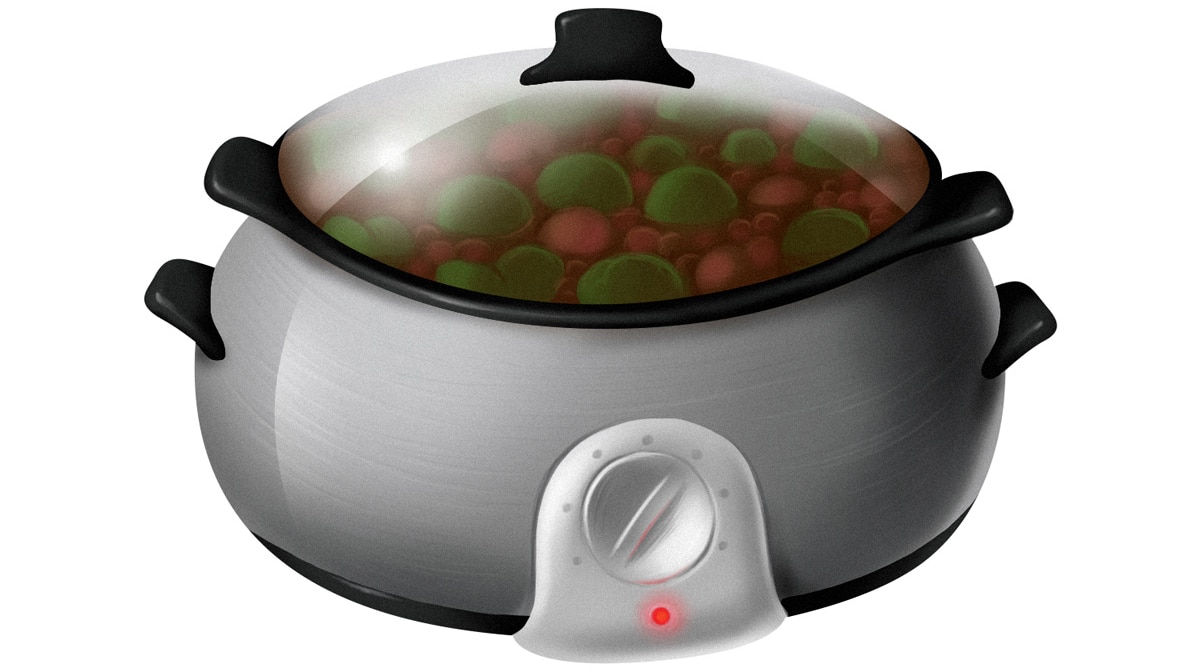
    paleo-SlowCooker main
    Using a slow-cooker makes it easy to prep a lot of meat at once.

    If you only prep one thing ahead, make it your protein. Cooking a big batch of meat or eggs at the beginning of the week can save you incredible amounts of meal prep time. Here are some ideas:

    • Eggs: hard-boiled eggs or mini frittatas.
    • Meat: chili (pork or beef), shredded pork or beef, chicken breast, steak, any kind of roast, meatballs, or meatloaf.

    Non-Starchy Vegetables

    Non-starchy vegetables can get a little tricky to prep ahead because they can easily get slimy or gross – especially salads.

    One great trick with salads is to keep the dressing separate. Wash your greens, chop them up, and mix all you like; just leave the dressing in a separate container until you’re ready to eat it. It also helps to layer your salads – put wetter things at the bottom so the juices don’t get all over the greens. Another tip is to prep salads for the beginning of the week and prep hardier vegetables for the end – or just have a second mini-prep day in the middle of the week where you make another batch of salads.

    • Vegetables that keep for 1-3 days: fresh vegetable salad, fruity coleslaw, most steamed or roasted vegetables (e.g. broccoli, cauliflower, squash, etc.), most leafy salads if you keep the dressing separate.
    • Vegetables that keep until the end of the week: roasted squash, cooked beets, chopped carrots or bell peppers. You may also have luck with coleslaw or other uncooked vegetables, depending on how fresh they were when you bought them.

    Starchy Vegetables

    If you’re batch-cooking breakfast, there’s a good chance that it’s because you need something to eat between the gym and the office – and in that case, you’ll want some starch with that. Here are some ideas for batch-cooking starchier foods:

    • Mashed or roasted white or sweet potatoes (yes, white potatoes are Paleo).
    • Sweet potato salads: one, two.

    Or just add some starch to your protein, like these twice-baked sweet potatoes.

    How to Keep it Interesting

    You’ve cooked up enough pulled pork to feed the army with leftovers to spare. If the apocalypse happened tomorrow, you could subsist on pulled pork until you died of natural causes. But halfway through your week of pulled pork bounty, you realize that you’re so incredibly bored of it you don’t want to take another bite.

    Oops.

    Here are some strategies for preventing that in the first place or fixing it if you’re stuck there:

    • Batch cook two main proteins and freeze half of each. Basically this puts you on a two-week batch cooking schedule instead of 1 week. So for example, instead of cooking just pulled pork, cook pulled pork and beef chili. Freeze half of each dish for next week. That way you’ll be able to rotate between them and you won’t feel like you’re eating the same thing every day.
    • Use the protein as a base, not the final product. Put your batch-cooked protein in salads, stews, curries, or stuffed potatoes. Dress it up with different spices and seasonings. Chop it up and stir-fry it. Put an interesting sauce on it to add a new flavor. Here are 17 ideas to keep it interesting, and here are three soups that put a different twist on leftover meat: coconut lime chicken soup, ham and pumpkin soup, and winter vegetable soup.
    • Rotate different proteins and side dishes together so you can get some variety on your plate even if you’re eating the same meat.

    Useful Tools and Equipment

    You don’t need a lot of special tools to get started with batch cooking. But it does help to have…

    • Containers and a label system for storing the food once you make it. If you’re prepping grab-and-go meals, just put everything into meal-sized containers as soon as it’s done cooking for maximum convenience.
    • A slow-cooker for cooking big cuts of meat painlessly while you do other things.

    You can absolutely do batch cooking without a slow-cooker, though; you’ll just have to find a time when the oven is free.

    Summing it Up

    Batch cooking is an easy way to save yourself some time and make Paleo cooking possible for busy families. Some people cook all their breakfasts or lunches in advance for the whole week and just grab them out of the fridge as they go. Other people just cook their proteins and then use the cooked meat to make quick weeknight dinners like stir-fries and salads.

    Either way, batch prep is a very useful shield against the lure of takeout and vending machines: find a recipe that looks tasty and give it a try!
    Filed Under: Learn About Paleo & Keto Diets

    5 Paleo Ideas to Cure Leftover Turkey Boredom

    November 29, 2014 by Paleo Leaper Leave a Comment

    Leftover turkey is great…for the first day or two. Then it starts getting a little blah, and re-creating the flavor profile of a Thanksgiving feast in different forms doesn’t help! So here are 5 ideas for jazzing up your leftovers, with a few recipes for each just to get you started.

    1. Transform it into Curry

    The generous amount of spices in most curry recipes gives the meat a completely different flavor and reduces the distinctive taste of the turkey itself.

    Some recipes to help you spice it up:

    • Leftover turkey yellow curry (Stupid Easy Paleo)
    • Apple turkey curry on cauliflower rice (Fast Paleo)
    • Taj Mahal turkey curry (The Clothes Make the Girl)
    • Curried chicken (or turkey) salad (Chris Kresser)

    2. Add Different Vegetables

    Turkey can taste completely different if you pair it with vegetables that don’t typically make an appearance on the Thanksgiving table. Make it spicy, savory, or even sweet – just use the plants to add some interest to the same old turkey breast.

    Chili Paleo

    Some recipe ideas:

    • Turkey chili (Paleo Leap) – tomatoes and bell peppers aren’t typical “Thanksgiving” vegetables, and adding a hint of the Southwest gives your taste buds a break from the flavors of all the foods that go with gravy.
    • Turkey zucchini hash (Fluffy Chix Cook) – zucchini and mushrooms are also unlikely to be on the Thanksgiving menu, and who doesn't love a savory breakfast hash?
    • Turkey Thai basil (Paleo Parents) – bok choy! Fish sauce! Okay, fish sauce isn’t technically a vegetable, but this recipe still perks up leftover turkey with a healthy dose of delicious greens, including the eponymous Thai basil.
    3. Freeze it Properly

    You don’t have to eat everything now. It’s perfectly fine to either freeze the turkey as-is, or to make something with it and then freeze it - then you can pull it out later when you're ready for turkey again. But if you’re going to go the freezer route, here are some quick tips:

    • Do any carving before freezing. Who wants to try to carve a half-frozen breast off the bone? Nobody. Do your future self a favor and get the knife out now.
    • Divide the meat into portions you’ll want to use. Cooking for one? Separate it into single servings before freezing. Then you can just take out however much you need at once, and more easily spread the meat out, instead of just delaying the problem of “half a bird to eat.”
    • Use the proper containers, and seal them tightly (for plastic wrap, make sure it’s airtight). Freezer burn is nobody’s friend.

    4. Add Another Meat

    There’s no rule that once you’ve put turkey in a meal, your protein quota is filled and all other animals are barred from the plate! Why not mix it up by adding sausages to your leftover turkey soup. Or what about bacon? Everything’s better with bacon!

    Some recipe ideas…

    • Creole shrimp and turkey stir-fry (Paleo Periodical)
    • Turkey sausage soup (On Sable Hill)
    • Paleo turkey sweet potato hash (with bacon) (Conscious Eatery)

    5. Switch up the Soup

    Leftover turkey soup with turkey, celery, carrots, and onion? It’s good, but if you’re tired of turkey, it doesn’t really help, and just throwing in a bunch of kale doesn't always do the trick either. So here are some ways to make that soup pop:

    • Thai coconut turkey soup (The Endless Meal) – just replace the soy sauce with coconut aminos.
    • shrimp soup
    • Turkey-butternut squash soup with celery root (Everyone Eats Right)
    • Spanish garlic soup with saffron and cumin (Eating the Scenery)

    So…what’s your favorite way to make turkey leftovers interesting? Let us know on Facebook or Google+!

    Filed Under: Learn About Paleo & Keto Diets

    How can I start Paleo if I Can’t Cook?

    November 9, 2014 by Paleo Leaper Leave a Comment

    You’re interested in the idea of Paleo. It makes sense. And it even sounds pretty tasty. But then it hits you: on Paleo, there’s no Lean Cuisine. There’s no Subway, no pizza delivery, not even slapping some turkey between two pieces of bread and calling it lunch. All those delicious-looking recipes were made by hand, from scratch.

    Oh.

    It’s true that there are such things as pre-made Paleo meal services, but they tend to be pretty pricey and they aren’t available everywhere. You’ll save a lot of money by learning to cook for yourself – and it’s really not impossible. Humans have literally been cooking since we could skewer things on sticks and hold them over a fire: if some unwashed troglodyte can do it, so can you! Here’s a guide to going Paleo even if don’t know how to cook a thing (or if you’ve long since given it up as hopeless)

    Pinterest Lies.

    An incredibly common mistake for beginner cooks is to start with some delicious but complicated recipe and turn cooking into a big event. Three hours later, the food is great and it looks beautiful, but who has time for that every night?

    95% of people who cook meals from scratch every day do not cook like that. The goal of Paleo cooking is to put nutritious and tasty food on the table, not to create cookbook-worthy five-course meals.

    That doesn’t mean your food won’t taste good; it just means that it might not look like something you’d see in a professional cookbook. You don’t have to cook a “recipe” for every meal. Hard-boiled eggs and a microwaved bag of frozen broccoli with a pat of butter melted over it is a fine Paleo meal from a nutritional standpoint, but that’s only a “recipe” in a very generous sense of the word. Eating leftovers is also perfectly normal and very common: most families who cook at home eat leftovers at least two or three nights a week.

    So get rid of the idea that “cooking” has to mean anything you see on the Food Channel: it’s not. “Cooking” is using fresh ingredients to prepare tasty and nutritionally complete food – that’s all you have to do.

    You also don’t have to find it profoundly joyful or meaningful or anything like that – it’s totally OK if cooking is just another item on the to-do list like walking the dogs. Maybe it works like that for you, and that’s great if it works like that for you, but not everyone is going to have a huge emotional connection to the kitchen and you’re not doing it wrong if your life isn’t transformed by scrambling eggs.

    That still doesn’t tell you how to do it, though, so now on to the practical side.

    How to Get Started

    What You Will Need

    • Basic kitchen tools. Cooking with the wrong tools can suck all the joy out of the process. Here’s a list of the very minimal kitchen equipment you will need.
    • Either a friend who knows how to cook (best) or a good “beginner cookbook” (OK – just be aware that most of them are not Paleo-focused so you’ll have to wade through a lot of stuff about cooking with flour and avoiding fat). This will be a reference for you as you learn new recipes. If you choose the book, The Joy of Cooking is a classic but almost anything with positive reviews will be OK to start with.
    • A positive attitude. You can’t learn anything if you don’t think you can learn it. And even if you don’t love cooking, you can still approach it cheerfully: it’s not a punishment!

    Easing Into Cooking

    Here's the good news: the hardest part about learning to cook is starting. Once you get into the habit and past the very first stage, you'll improve almost automatically. It's just the first couple weeks that trip so many people up.

    quick paleo dinners

    If you’re a cooking beginner, you will be pretty slow at the beginning, and jumping right into the uncharted wilderness of cooking everything, all the time can get completely overwhelming.

    Too many people rush in too fast. Then they get overwhelmed, because it’s all so new and exhausting, and the first unexpected time crunch or lousy day at work throws them completely for a loop. They eat something “wrong,” feel like a failure, and quit forever. Wouldn’t it be better in the long run to start slow, give yourself plenty of flexibility at the beginning, and gradually work up to cooking every meal?

    Instead of jumping in with both feet, try this: start by making just one Paleo meal per day. A Paleo meal means at least one vegetable, at least one animal protein (meat or eggs), and some source of healthy fat (cooking fat, fatty meat, salad dressing, etc.). Cook and eat one Paleo meal per day. The other two meals can be whatever you want.

    You can pick any easy recipes you like for this. If you have a friend to help you, ask for suggestions. If you don’t, here are three can’t-mess-it-up Paleo recipes:

    • Breakfast: hard-boiled eggs with a piece of fruit. Take 3 eggs and put them in a pot of cold water. Turn on the heat. When the water starts bubbling, turn off the heat. Walk away for 7-8 minutes. Come back, peel the eggs, grab the fruit, and eat.
    • Lunch: tuna salad. Dump a can of tuna over salad greens. Add olive oil and vinegar (or mayo, or guacamole – just make sure you get some fat in there). Toss and eat.
    • Dinner: steak skillet with bell peppers.

    Occasionally you will get kitchen disasters; that’s OK and it happens to all of us. Give yourself “credit” for cooking that meal anyway, eat whatever else you have in the house, and try again tomorrow.

    Some convenience foods that may save your sanity during this stage:

    • Steam-in-bag frozen vegetables. They’re just as nutritious as fresh, and if you can microwave a Hot Pocket, you can microwave broccoli.
    • Pre-cut onions, carrots, peppers, and other vegetables. Save yourself some chopping; you’re worth it.
    • Pre-bagged salad mix.
    • Pre-cooked hard-boiled eggs or chicken breast.
    • Canned fish that you can eat straight out of the can.

    When you have the energy, try looking up new recipes and experimenting with them; when you don’t, fall back on the recipes you already know or ultra-easy "recipes" like scrambled eggs and microwave veggies tossed with butter. Keep cooking 1 meal per day until you have at least one or two recipes that you know how to cook in less than half an hour. Then you can move on to two Paleo meals per day, and finally go to all three. Before you know it, you’ll have a sizeable repertoire of healthy meals that you can cook in your sleep, and you’ll be eating Paleo all the time!

    Cooking 102

    Once you can cook at least most of your meals, it’s time to start thinking in terms of techniques instead of recipes. Here’s a good recipe for starting you off with that: try doing the same technique with chicken vs. fish, or with different seasoning blends. Look at recipes you like and notice the patterns: what goes into a roast (saute the onions and garlic, brown the meat, add the sauce, cover and roast)?

    Starting with recipes will get you off the ground quickly, but using techniques will help you become a better cook in the long run.

    FAQ

    Where can I Find Recipes?

    • Here’s the Paleo Leap recipe index (search for “easy”).
    • There are a lot of Paleo boards on Pinterest.
    • There are too many great recipe blogs to name; if you start searching for "Paleo ___________ recipe," you'll quickly find the ones that post recipes you're interested in.

    Help! What Does _____________ Mean?

    • For unfamiliar ingredients and tools, use the cook’s thesaurus.
    • For unfamiliar techniques (blanch? Sautee? Braise?), here’s a list.

    How do I do the Grocery Shopping?

    • Here’s a guide to getting started with meal planning.
    • Here’s a guide to saving time when you grocery shop.

    What if I work during the day?

    In that case, you’ll pack your lunch (and possibly breakfast) the night before. A very easy way to do it is to make extras for dinner and use them as one of your two packed meals. You can also hard-boil a bunch of eggs or make frittatas at the beginning of the week and eat them all week for breakfast.

    What Other Tips Should I Know?

    • How to use your leftovers.
    • How to save time with Paleo cooking.
    • How to make salad and eggs more interesting (salad and eggs are two of the easiest Paleo meals around, so you’ll be eating a lot of them.

    Summing it Up

    You can’t learn to cook by reading cookbooks. You can’t learn to cook by watching the Food Channel. You can only learn to cook by cooking. And the hardest part is just getting started.

    Get the tools you need, a supportive friend or a good beginner cookbook, and dive in. A few months in, you’ll be wondering how you ever found it so intimidating!

    Filed Under: Learn About Paleo & Keto Diets

    20 Creative Recipes for Roasting a Whole Chicken

    October 19, 2014 by Paleo Leaper Leave a Comment

    Roasted chicken is a classic family recipe: it’s quick, it’s easy, and it even makes leftovers! And roasting a whole chicken is much, much more economical than buying just the breasts. But it’s also easy to get bored of chicken with nothing but garlic, salt, and pepper, maybe with a little basil thrown in. So in the spirit of trying something new, here are 20 recipes that do something different with a whole chicken.

    International Seasonings

    Who said chicken has to be served with gravy and green beans? Try these delicious recipes inspired by cuisines from around the world:

    1. Paleo Indian spiced roasted chicken (Plaid and Paleo)

    2. Whole roasted masala chicken (Things My Belly Likes)

    3. Thai-flavored roast chicken (Lemon Squeezy)

    4. Five spice maple chicken (The Primalist)

    5. Spanish chicken with sherry and garlic (Spanish Food Blog)

    6. African chicken (The Spice House)

    7. Irish roast chicken (Erin Brighton) – note that the page also includes a carrot recipe which isn’t Paleo, but the chicken is.

    Chicken With Friends…

    Spice rubs are all very good, but another way to make chicken a little snazzier is to cook it with some friends. Either as stuffing or as a same-pan side dish, all of these recipes feature chicken with something else.

    (Note that some of the recipes call for potatoes. You can leave them out if you like, but there’s nothing wrong with potatoes.)

    8. Roasted apricot chicken with herbes de provence (Organic Kitchen)

    9. Balsamic roast chicken with tomatoes and new potatoes (Naked Cuisine)

    Meat

    10. Pesto and avocado-stuffed chicken (Virginia is for Hunter-Gatherers)

    11. Roast chicken with sausage stuffing (The Not-So Desperate Housewife)

    12. The bacon chicken (Paleo Parents)

    13. Roast chicken with persimmons and sage (Adventures in Cooking)

    New Techniques

    Ready to get a little experimental? Why not try these new and different techniques for making your bird shine?

    14. Rock Salt Roasted Chicken (Primally Inspired) – Equipment needed: rock salt (ice cream salt), which you can find at any grocery store.

    15. Brick Chicken (Serious Eats) – Equipment needed: either a brick and one cast-iron skillet or two cast-iron skillets and something very heavy and heat-proof to use as a weight.

    16. “Beer can” Chicken (Paleo Parents) – Equipment needed: a vertical roaster

    17. Slow-cooker roast chicken and gravy (Nom Nom Paleo) – Equipment needed: a slow-cooker.

    Other Ideas

    Sometimes, new and different cooking techniques don’t fit neatly into one category or another. So here’s a round-up of some excellent “miscellaneous” ideas: browse through and see what interests you!

    18. Everything Chicken (Worth Cooking) – yes, like an everything bagel; it’s tastier than it sounds!

    19. Country Captain (Saveur) – replace the canola oil with a Paleo-friendly fat, and leave off the rice and peanuts.

    20. Porcini-rubbed roasted chicken (Food52) – the chicken itself is Paleo, but note that the pan sauce isn’t Paleo as written, although you could replace the flour with almond flour if you wanted.

    So...what's next on your chicken-to-cook list? Let us know on Facebook or Google+!

    Filed Under: Learn About Paleo & Keto Diets

    10 One-Ingredient Wonders to Jazz Up your Eggs

    September 21, 2014 by Paleo Leaper Leave a Comment

    Bored of eggs but love the convenience of a quick omelet or frittata in the morning? You can get a lot more mileage out of your convenience meals with just a few seconds of extra time with the right spices and seasonings!

    Here’s a list of 10 ways to add punch to your omelets, frittatas, and quiches with just one more ingredient. It only takes 10 seconds to throw in the pan, and the result tastes almost like a whole new dish.

    1. Za’atar

    What is it? Za’atar is a spice blend familiar from Middle Eastern foods. It has a pleasantly earthy or woodsy flavor with a slight tang, so it's delicious with the richer flavor of eggs. You can buy it pre-mixed, or get a recipe here (just ignore the chicken and go straight for the spice mix).

    How to use it: beat it into eggs for an omelet or frittata, or sprinkle over fried eggs just like you would salt or pepper.

    If you like that, try…ras el hanout (another spice blend; you can find instructions in this recipe)

    2. Thyme

    What is it? Thyme is an herb that adds a very sweet, pleasant taste to eggs without being overwhelming.

    How to use it: Toss one pinch of dried thyme per 2-3 eggs into the pan along with your salt and pepper:

    If you like that, try…rosemary, tarragon, oregano, chives, or herbes de provence. There's a whole world out there beyond salt and pepper!

    3. Sriracha

    What is it? Sriracha is a famously spicy hot sauce that goes pretty well with just about everything. Since eggs are so mild by themselves, the spicy hot sauce really gives them a special zip – it’s great for waking up in the morning. You can get a recipe for Paleo sriracha here.

    How to use it: Beat it into scrambled eggs, or drizzle over an omelet or frittata.

    If you like that, try…chili powder and/or paprika

    (and a bonus tip: if you love your sriracha and want to make big batches to stock up, just freeze the rest in an ice-cube mold and then pop out the cubes so you have quick single-serving portions when you want them).

    4. Garam masala

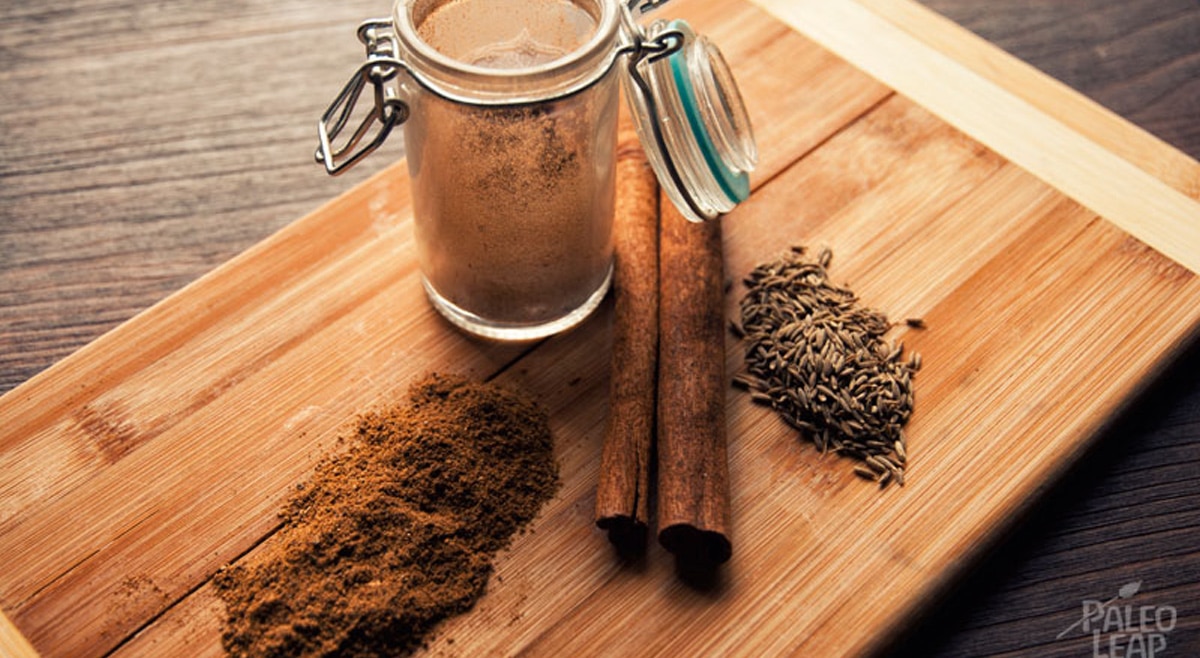
    What is it? Garam masala is an Indian spice blend. It typically includes turmeric, cinnamon, cumin, cloves, and cardamom. You can buy it pre-mixed or mix your own. It has a delicious earthy warmth to it – it’s not mouth-searingly hot, but it’s not a flavor you ignore, either.

    How to use it: beat it into eggs for an omelet or frittata, or sprinkle over fried eggs.

    garam masala

    If you like that, try…just a little bit of hot pickle or chutney folded into an omelet.

    5. Salsa verde

    What is it? Salsa verde is a spicy Mexican creation made with tomatillos – those little green things next to the tomatoes in the grocery store. There’s a recipe here.

    How to use it: Beat it into scrambled eggs, or drizzle over an omelet or frittata.

    If you like that, try…chimichurri

    6. Pesto

    What is it? Pesto is a topping made from ground nuts and herbs with olive oil. It's rich and herbal, great for turning ordinary eggs into a truly decadent treat. There’s a recipe here if you can’t find a Paleo-friendly brand at the store.

    How to use it: Fold it into an omelet or just throw a little into the pan with your scrambled eggs.

    If you like that, try…asparagus pesto.

    7. Gremolata

    What is it? Gremolata (also spelled gremolada) is a condiment made with grated lemon zest, chopped garlic, and parsley. It’s a classic ingredient in Mediterranean food, where it adds a bright, tangy flavor to everything from fish to beef. If you're missing the citrus flavor of orange juice in the morning, gremolata in an omelet might be a perfect alternative. You can find a recipe here.

    How to use it: Fold it into an omelet or use it as a garnish after the eggs leave the pan.

    If you like that, try…cranberry sauce (no, really! Just try it!)

    8. Roasted garlic

    paleo garlic

    What is it? Roasting garlic tones down the pungency and turns each clove of garlic into an irresistible spread to smear on just about anything. You can get instructions for roasting garlic here (just ignore the rest of the instructions about adding sardines).

    How to use it: add to egg muffins or frittatas, or serve on the side of an omelet. You can make the garlic ahead of time: roast some up for whatever else you want, and then use any leftovers in your eggs.

    If you like that, try…herb butter or herb-infused oils for cooking.

    9. Prosciutto

    What is it? Prosciutto is a type of cured meat. It’s got that trademark salty-smoky-fatty appeal going for it in spades – like bacon, but a little more sophisticated. You can find it in stores with the salami and other cured meats.

    How to use it: fold it into an omelet, or chop it into thin strips and add to a frittata.

    If you like that, try…smoked salmon, or any other cured meat.

    10. Kimchi

    What is it? Kimchi is a spicy Asian condiment made of pickled cabbage. It’s a probiotic food, so it’s very healthy for your gut flora, and you can usually find a Paleo-friendly brand at the store if you’re not into home fermentation projects.

    How to use it: serve on top of an omelet or frittata, or on the side of a plate of scrambled eggs. Some people like it heated to the same temperature as the eggs; other people eat it cold and enjoy the temperature contrast.

    If you like that, try…pickled onions.

    What’s your favorite omelet flavoring? Have you ever made anything that sounded weird but turned out delicious? Let us know on Facebook or Google+!

    Filed Under: Learn About Paleo & Keto Diets

    Why Some Foods are so Hard to Give up (and What to do About It)

    September 11, 2014 by Paleo Leaper Leave a Comment

    “I’d love to go Paleo, but I could never give up _______________!”

    Does this sound familiar? Or what about its close cousin, “I’m almost 100% Paleo, but I just can’t give up ___________”? Or its occasional sequel, “I finally went all-out Paleo, but I constantly miss ____________”?

    Almost everyone has heard some variation on this theme – it’s probably one of the most common responses from people hearing about the concept of Paleo for the first time. So here are some suggestions for managing “I could never give up ___________” syndrome, depending on what the reason for it is.

    “I don’t even know how to cook without ___________”

    (Common culprits: bread, cheese, rice)

    If one particular ingredient is a staple in your cooking, then it’s totally reasonable to feel lost at the thought of foregoing it. If you’ve grown up with Asian food, a meal without rice might sound insane – the same thing goes for Mexican food and corn, or standard American food and bread.

    The solution to this one is to turn your recipe-hunting game up to 11 – and here’s the trick: don’t focus on replacing the missing ingredient!

    In other words, if you’re struggling at the thought of a meal without bread, don’t drive yourself crazy trying to recreate the “perfect” Paleo bread with 15 different nut flours. Instead, look for Paleo meals that don’t need any bread in the first place. Look for recipes that roughly fit the following categories:

    • Meat or egg-based main dishes.
    • Vegetable-based side dishes.
    • Starchy vegetables (potatoes, sweet potatoes, etc.)

    One meal = 1 meat dish + 1 or more vegetable sides (optionally +) some starchy vegetables. Mix and match from your saved recipes until you get something tasty. Cook it up, and congratulations: you’ve got a Paleo meal!

    As an occasional treat, there will always be room in the world for Paleo bread and Paleo tortillas, but they shouldn’t be the basis of your meal planning.

    “I don’t know how to have a social life without _________”

    (Common culprits: pizza, beer, other alcohol)

    Who wants to be healthier if it means living like a hermit with your biodynamic kale and grass-fed beef liver? Nobody! And in fact, even if you were willing to do that, it probably wouldn’t be very good for you: a strong community is incredibly important for overall health. If eating healthy really did mean renouncing your social life, it might actually be healthier to eat junk and have friends!

    But luckily for all of us, it’s perfectly possible to have your friends and your grass-fed beef liver at the same time! Food is one tool that we use to socialize, but it’s not the only one.

    • Remember that you don’t have to eat at a party. You can just eat beforehand and go to talk to people. Nobody will think it’s weird if you don’t make a big deal out of it.
    • The same goes for drinking at bars. It’s perfectly reasonable to order a club soda and just enjoy the company.
    • Most restaurants have at least one dish that’s Paleo-friendly, so there’s absolutely no reason why you can’t go out to eat.
    • For potlucks and similar events, bring a Paleo-friendly dish! You’ll get something healthy and delicious, and so will everyone else.
    • Remember that you don’t have to be 100% Paleo, 100% of the time to get health benefits from it! Barring any severe allergies or intolerances, there is such a thing as deciding that a non-Paleo treat is worth it. If you eat healthy 90% of the week and then indulge on wing night with your friends, you’re still doing much better than eating junk all the time!

    “I just love the taste of _________ too much!”/ “My mom always made __________ and I’d miss it too much!”

    Chocolate Paleo

    (Common culprits: chocolate, cake, cookies, pasta, candy, ice cream)

    First things first: this is not just a problem of being whiny or needing to shut down your inner five-year-old! It’s perfectly reasonable to want to eat things that you enjoy the taste of. It’s perfectly reasonable to feel unhappy at the prospect of giving up something that brings you pleasure.

    The problem isn’t getting rid of those feelings; it’s balancing them with your other goals (weight loss, better health, or whatever your goals with Paleo were in the first place). Some tips:

    • Make sure you actually have to give something up before you get upset about giving it up! Potatoes, chocolate, butter, and bacon all have a place on Paleo – not necessarily as everyday staples, but there’s no call to give them up completely. There’s even some wiggle room with dairy, and rice, if you can tolerate them.
    • Try a 30-day elimination with the promise that you can re-introduce whatever it is at 12:01 on Day 31. Temporarily giving up something is much easier than a blanket promise never to eat it again, and you might find that when you start eating healthier food, your taste buds change so much that your old favorite junk foods aren’t even tasty anymore. Sometimes, just noticing the bad reaction to eating junk after feeling so good can be enough to turn people off.
    • Make Paleo as delicious as possible. A bland, penitential “healthy” diet is a sure way to send you running back to the chocolate cake, but if your new way of eating is even more delicious than before, it’s a lot easier to just forget about the unhealthy junk and focus on enjoying all the tasty food that’s good for you.
    • Be cautious with Paleo imitations of old favorite foods. Sometimes they can be the perfect solution; sometimes they just set off cravings for the “real thing.”
    • And as always, remember that there is such a thing as a worth-it exception. Be picky about which foods are really “worth it” to you, but if you’re “Paleo except for Grandma’s famous Snickerdoodles,” you’re not the only one!

    “___________ is just too convenient!”

    (Common culprits: sandwiches, breakfast cereal, protein powder)

    Yes, convenience food is convenient. That’s what it was designed to be! Unfortunately, that “convenience” typically comes at the expense of health - and even worse, work and school schedules are now designed around the assumption that everyone is willing to make that trade-off. And that makes it hard to take a step back and fit home-cooked meals into a modern schedule.

    The solution: make Paleo convenient. Cooking at home doesn’t have to be any more time-consuming than ordering in! Some tips:

    • For breakfasts, here’s a list of make-ahead breakfasts that you can grab and go.
    • To make easy brown-bag lunches, just cook double for dinner and pack up the leftovers as you’re washing up the dishes. Convenient and healthy, no sandwiches required.
    • Even when you do cook, it doesn’t need to be a huge production. Here’s a complete guide to saving time in the kitchen, featuring everything from quick recipes to life-saving tools.

    That covered a few of the most common reasons, but everyone has their own unique situation: is there something else that’s keeping you tied to some non-Paleo food? Why not share on Facebook or Google+ and see if anyone else has some helpful advice?

    Filed Under: Learn About Paleo & Keto Diets

    Avoiding Food Waste on Paleo

    September 5, 2014 by Paleo Leaper Leave a Comment

    It’s one thing to spend money on good food as an investment in your own health. But it’s quite another thing to spend money on good food as a way of keeping your garbage man in business!

    40% of food in the United States is wasted. Just to put that into perspective, that’s 1/13 of the total land area of the country, or 368,838,336 acres (576,312 square miles) of land dedicated to growing crops that will never be eaten (out of a total agricultural land area of 922,095,840 acres). That’s an area 3.5 times the size of California, dedicated entirely to growing things that end up in landfills.

    This isn’t just an environmental disaster; it’s also a giant waste of money for everyone involved. Food is expensive enough without throwing almost half of it in the landfill! So to make your life a little easier on your pocketbook (not to mention your planet), here’s how to reduce the amount of food waste you create.

    Learn Effective Storage and Preservation Techniques

    All too often, food gets wasted simply because it goes bad before it gets eaten. It’s the half-bunch of cilantro that goes slimy and gross in the fridge before you need more salsa, or the head of lettuce that you discover in the crisper drawer, completely inedible, after you get back from vacation.

    Here’s how to avoid that problem:

    • Find a labeling system that works for you. Sometimes, all it takes is some masking tape and a sharpie to label the container. Other people are happier with a whiteboard on the fridge where everyone can keep a running tally of what’s in there. Either way, the easier it is to figure out what you’ve got, the more likely you’ll be to actually use it.
    • Don’t make leftovers if you’re not going to eat them. Some people will cook up a huge pot of chili on Monday and then happily eat the leftovers all week, but not everyone is like that. If you know you won’t eat leftovers, just don’t make them!
    • Be proactive about preserving food. If you’ve got a bunch of something that’s about to go bad, don’t wait until it’s gross and moldy! Eat it, freeze it, or cook it and then freeze that (especially good for things that don’t freeze well, like tomatoes). Or find some other way to preserve it (e.g. making sauerkraut out of cabbage).
    • Clean out the fridge. Waste begets waste – if there’s already a huge clutter of Tupperware and plastic bags in the fridge, whatever you put in next is much more likely to get lost in the crush. Nobody likes giving up and throwing out all that food they’ve been “meaning to eat” for weeks, but think of it as catharsis: you’re chucking it now to avoid chucking any more in the future.

    Learn to Use Odds and Ends

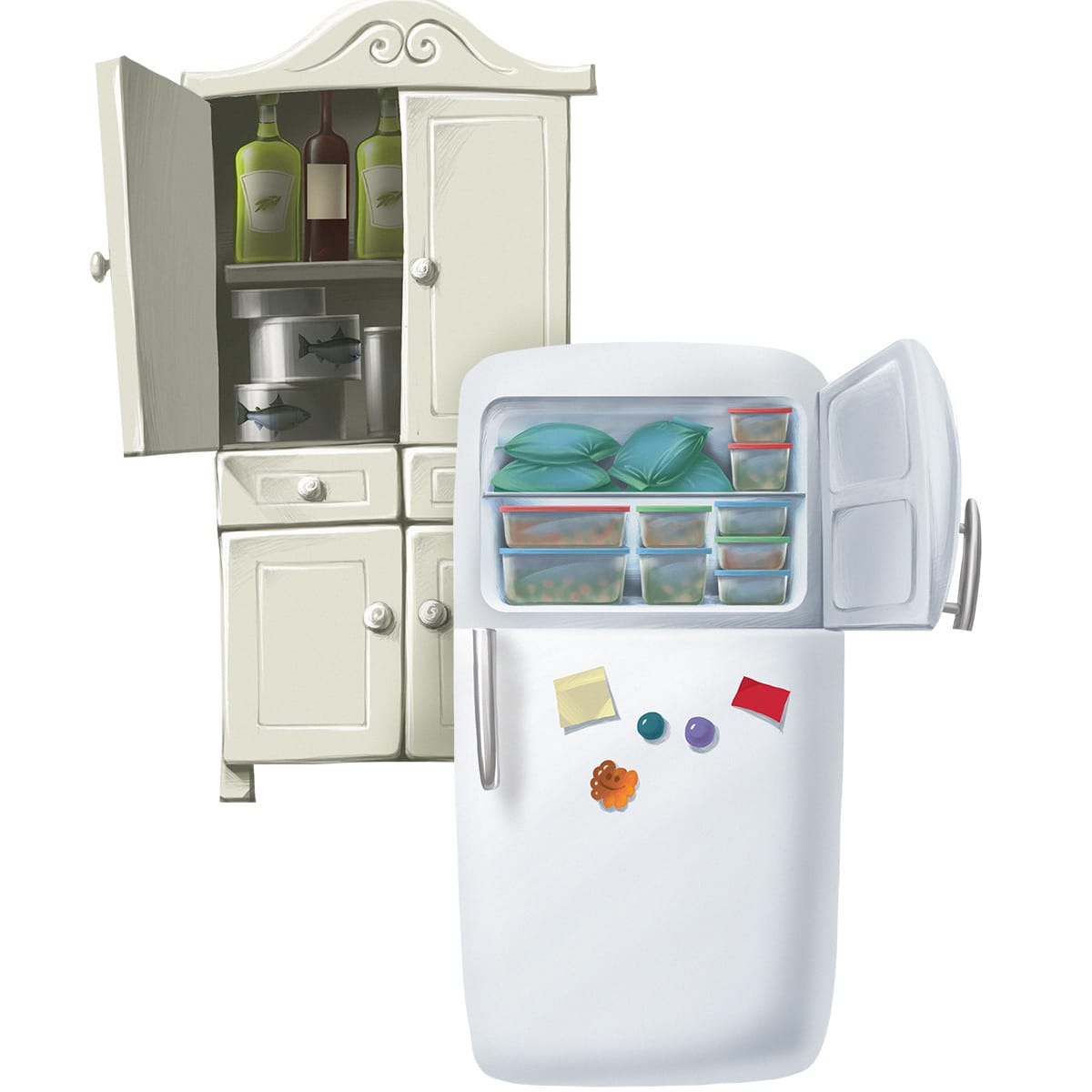
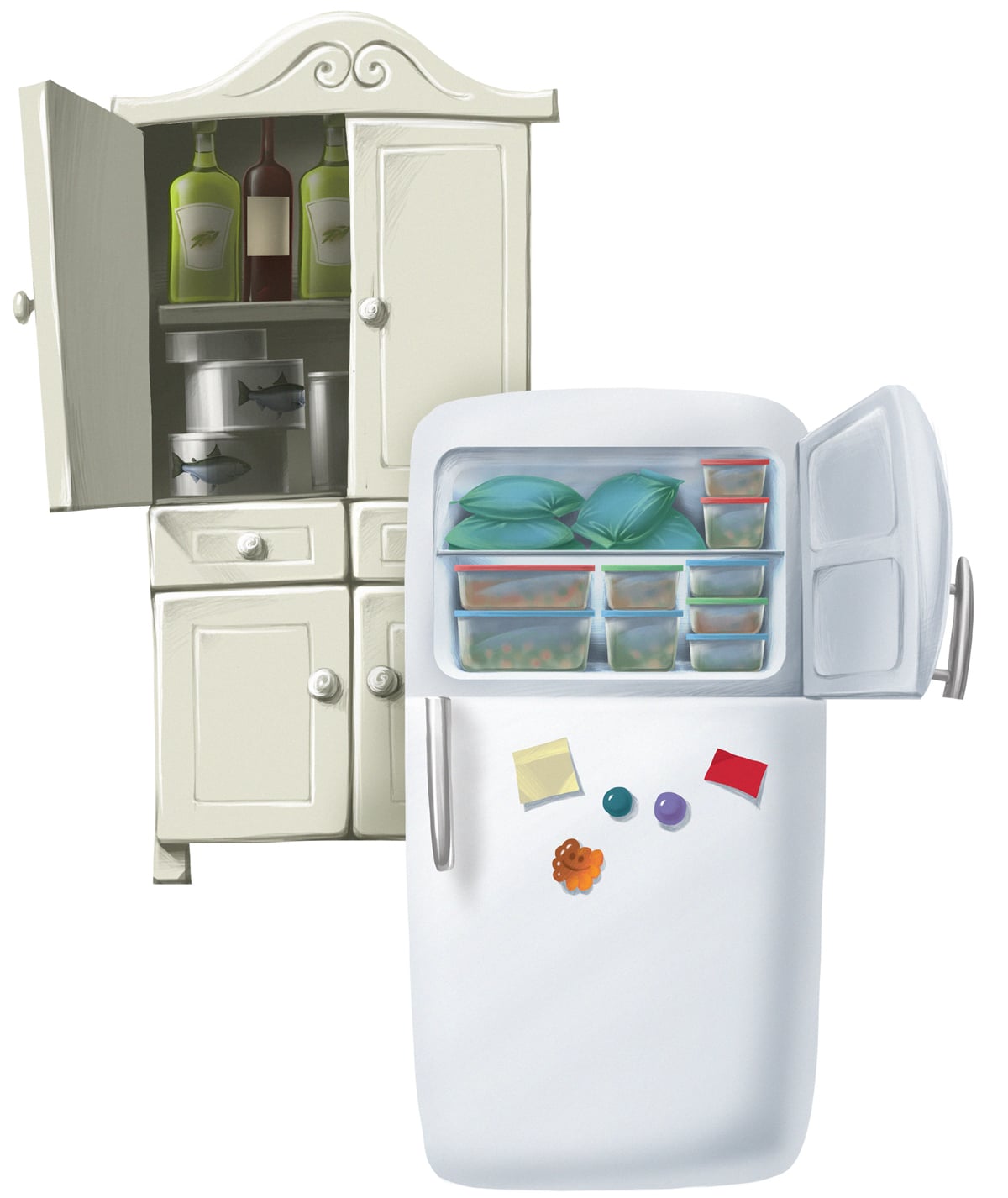
    FridgeFreezer&Cupboards Paleo

    Have you ever given up and tossed the last few bites of dinner leftovers because there’s not enough to make a meal, but it’s also not really snack-y, so nobody really found a reason to eat it? Then you’ve fallen victim to the “odds and ends” problem! This also applies to the non-photogenic parts of vegetables, like the tops and ends of carrots, or the stems and leaves of cauliflower heads.

    Here’s how to use those odds and ends to beef up your regular meals:

    • Stick them in omelets. Omelets hold almost anything with panache. A few tablespoons of chili? Chicken curry? Leftover salsa? Just chuck it into an omelet (or a frittata, if you’d rather) and have at it.
    • Use them for flavor. Vegetable odds and ends are perfect for flavoring soup and broth – just wrap them in a piece of cheesecloth or a nut milk bag so you can easily fish them out again. They’ll leach all their flavor and nutrients into the soup, giving you that delicious richness for free.
    • Make stock with them. Any kind of bone-y or gristle-y bit of an animal is perfect for making gut-healing bone broth. This is an easy way to get all the nutrition out of the bones, plus it’s a delicious protein supplement. Save the carcasses from your chickens and use them!

    Also take a look at this list of 17 ways to use your leftovers for even more ideas.

    Rethink your Shopping List and Meal Plan

    Just as an exercise, for a week, try this:

    • Save your grocery receipt.
    • Every time you throw something out, write down what it was and how much you chucked.
    • When you’re all out of food, compare your “waste list” to your last grocery receipt (use the receipt, not your grocery list, to account for impulse purchases and things you didn’t bother to write down). Mark what you wasted on the receipt.

    If you do this for a couple weeks in a row, you might start to notice patterns: maybe you always buy way more spinach than you need, or you’ve been paying for strawberries and then throwing half of them out for weeks. If you’ve got a regular money-waster on your hands, you could…

    • Buy a smaller amount of it, even if the unit price is higher.
    • Stop buying it entirely.
    • Rethink your meal plan to incorporate the entire package, so you aren’t letting odds and ends go to waste all over the place.

    Once you’re sitting there looking at the list of what you bought and the list of what got wasted side by side, it’s usually pretty obvious.

    Another common trap is the “I bought it but didn’t know how to use it” problem: you want to try something new, but never get around to looking up a recipe before it goes bad. To get around this, you might set aside 15 or 20 minutes right after you get home for looking up recipes (or just make it a personal rule that you don’t buy anything unless you have a plan for it).

    Summing it Up

    Wasting food isn’t just an environmental problem; it’s a major money suck that you shouldn’t have to deal with. There’s no need to go fertilizing the landfill with your hard-won produce!

    To avoid this trap, it helps to take a hard look at the list of what you actually do waste, compare it to your grocery receipt, and see what you could cut back on. Getting good at using up the odds and ends also helps, and so does storing everything properly in the first place: label it, keep track of it, and be proactive about using anything that’s about to go bad.

    Filed Under: Learn About Paleo & Keto Diets

    Paleo for College Students

    August 14, 2014 by Paleo Leaper 1 Comment

    You’re old enough to take charge of your own health…but not quite old enough to have your own kitchen yet. Old enough to care…but not quite old enough to settle down with half a pastured cow and your very own fermentation crock. So how to stay Paleo as a college student?

    In this article, you’ll get a look at some of the challenges that college students have to face when they’re trying to go Paleo, and how you can work around them.

    Dining Halls

    Believe it or not, it is possible to eat a more or less Paleo diet in a college dining hall. It just takes a lot of ingenuity. At the core, Paleo is about meat, fresh fruits and vegetables, healthy fats, and safe starches. So let’s see how you could hunt and gather all that from a typical dining hall…

    • Meat: with luck, you’ll have a grill station where you can ask for just a burger without the bun (or even better, a lettuce bun). If there’s a self-serve deli counter, also try that; you might be able to snag some slices of turkey breast, ham, or chicken. Hot entrees are hit-or-miss: grilled barbecue ribs are perfect, but often your only options are breaded or deep-fried in junk oil.
    • Eggs: many dining halls have omelets, or even a build-your-own omelet station. This can be an ideal source of quick protein without a lot of junk in it.
    • Fresh fruit and vegetables: the salad bar will be your very best friend here. Load up a huge bowl of salad with everything you can find. Hot vegetable dishes might also be available, but watch out for breading, mystery oils, and giant globs of cheese on everything.
    • Safe starches: baked or roasted potatoes are not hard to find, probably because they’re very cheap and easy to cook. If you can get your hands on some plain white rice, that’s also fine.
    • Healthy fats: if you can get guacamole or olive oil on your salad, you’re home free. You could even consider bringing your own oils if you’re really worried about it.

    Also, don’t neglect the soup options! Many dining halls will set out vegetable soup as a sad kind of concession to the vegan crowd, but typically it’s also relatively free of junk. Sometimes you’ll even get lucky and find “chicken vegetable” or something else with protein. Just make sure you’re not getting a bunch of noodles or soy sauce, and you should be fine.

    It also helps to keep a stash of food in your room. If you can get a mini-fridge, so much the better. Otherwise, you can still stockpile canned fish, avocados, fresh fruit and vegetables, jerky, summer sausages, and raw nuts to grab for snacks.

    Cooking For Yourself

    PaleoCooking Paleo

    OK, OK, but what if you’re living at home while you go to school? Or what if you have your own apartment? Suddenly, the dining hall stops being the problem; now it’s the need for super-quick (and preferably cheap) meals to keep you going through a long day of classes. Some tips on cooking for yourself as a busy, broke student:

    • If you have a microwave on campus, you can cook up one big batch of soup or stew on the weekend, freeze it in individual servings, and pull out one serving per day. Lunch every day, for an hour of total prep time. And it’s hard to beat the price! Just make sure to add some kind of fat and protein (for example, coconut milk and chicken breast). If you throw it in your bag still frozen, the soup serves as its own ice pack, so you don’t even need a cooler.
    • Hoard leftovers from dinner to throw in a lunchbox and bring to class. It doesn’t have to be fancy or special-looking, as long as it’s nutritious.
    • Keep a snack around at all times. Student schedules are notoriously unpredictable; you never know when you’ll have to run to the library over lunch or stay late for a project. A bag of trail mix or a Larabar can make the difference between staying Paleo and giving in to the bagel counter.
    • Hard-boiled eggs are fine to carry around at room temperature all day, and they make perfect quick lunches because you don’t even need utensils. Pack them up with some vegetables or a piece of fruit and you’re set.
    • Invest in a slow-cooker, so you can leave your food to cook while you run off and do other things.

    Managing Alcohol

    Sometimes, the biggest challenge to your Paleo commitments isn’t eating. It’s drinking. And not the kind that you lead the horse to.

    It’s easy to say “just don’t drink.” But a night on the porch with some good friends and a few beers can be an important part of college life, and who wants to be the healthiest hermit on campus?

    There are as many solutions to this dilemma as people who have to solve it. You can go to parties and hang out with your friends, but just abstain from the drinking part. Or you can test it out to see if moderate drinking fits into your version of Paleo – social drinking actually fits very well into an overall healthy lifestyle as long as you know how to manage it.

    It also helps to proactively suggest social activities that don’t revolve around alcohol (or food, for that matter). Try joining an intramural sports team, music group, book club, or some kind of activist organization that you care about. Invite your friends to walk around and explore places on campus with you. Drinking doesn’t have to be the default way of spending time together!

    You might also find that as you keep making an effort to take care of yourself, you’re naturally drawn to other people who have the same priorities – people who won’t make you feel weird or out-of-the-loop because you choose to eat or drink a certain way. Then the problem is pretty much solved, and everyone’s happy.

    Let go of Perfection

    Let’s face it: trying to eat Paleo in college is never going to work out perfectly. No matter what kind of choices you make in the dining hall, you probably won’t be able to get grass-fed meat or organic produce. Cooking for yourself is a different animal, but it’s unrealistic to think that in four years of school, you won’t get stuck without a Paleo option at least a few times!

    On top of all that, there’s the social aspect. A lot of your classmates simply won’t care about health, because they’re not seeing the consequences (yet). Making the most of your college years sometimes means choosing to eat something non-Paleo, and that’s OK.

    The good news is that in college, while you’re young, you can typically “get away with” a whole lot more. Taking care of yourself most of the time will pay off down the line, but realistically, you do have more wiggle room at this age than you ever will again.

    So if your friends invite you out for barbecue ribs…don’t say no because you’re afraid of sugar in the sauce. After all, it’s not just food that makes us healthy. Stressing over food can do just as much harm as the food itself. Strong social connections make us healthier in pretty much every possible way. Sometimes, splitting an Oreo sundae is the healthy choice, and as long as you’re Paleo most of the time, those occasional detours won’t do you much damage.

    Summing it Up

    If you’re a college student choosing to eat Paleo…congratulations! You’re miles ahead of the curve when it comes to taking care of your health. The benefits might not be obvious now, but you’ll start seeing them at 35 when everyone else is slowing down and you still feel great.

    Whether you’re stuck with a meal plan or cooking for yourself, there are plenty of cheap and fast ways to get some food in your stomach and get back to the rest of your life. And just remember: you don’t have to be 100% perfect, 100% of the time. It is possible to find a level of strictness that keeps you feeling good without wrecking your social life; it just takes a little experimentation.

    Filed Under: Learn About Paleo & Keto Diets

    Why can’t I Stick with Paleo?

    August 10, 2014 by Paleo Leaper Leave a Comment

    Do you start off eating Paleo, but can’t keep it up for more than a week or two at the most before you’re lured back into unhealthy food for one reason or another? Are you struggling to make it in the long run?

    You’re not alone – it’s actually a very common issue. Whether it’s giving in to a craving (and then getting derailed for the next three days), getting stuck with nothing healthy to eat, or just having trouble making all the cooking work, plenty of people are good at going Paleo, but bad at staying that way. But the good news is that you don’t have to just live with it. Here are a few common reasons why people get stuck in the cycle of quitting and restarting, and some advice on how to overcome them.

    You’re Not Eating Enough

    One of the biggest reasons why so many people have trouble committing to Paleo is that when they try to eat Paleo they end up accidentally starving themselves. It’s very possible to do this without feeling hungry, so it might still be an issue even if your stomach isn’t rumbling.

    For a few days, this might be fine, but eventually your body starts getting worried because it thinks there's a famine. This is a deeply ingrained survival mechanism, and it served us pretty well back in the day when "not enough food coming in" usually did mean "not enough food available to eat." Unfortunately, your body's response to this is to drive you inexorably towards the closest sources of easy calories it can find (read: junk food).

    Most people will try to exercise willpower or self-control and not eat whatever it is, but you can only fight your own physiology for so long. The result is usually a period of increasingly strong cravings for calorie-dense junk food, before you give in to the chocolate cake for a few days and you’re back to Square 1.

    This is not a sign of weakness or moral failure. Trying to overcome it with “willpower” is not the answer. If you want to try fighting several millennia of hard-wired evolutionary instincts with the desire to look good on the beach, go ahead, but you’ll probably lose.

    So what to do instead? Avoid the whole mess in the first place by eating more Paleo food when you try to change your diet. How much more? That depends on you, but if the pattern above sounds awfully familiar, just start slowly increasing the size of your Paleo meals until the cravings go away. Add more healthy fats, more high-quality protein, and more safe starches. Remember that this isn’t a get-skinny-quick scheme; it’s a change for the long haul and there’s nothing wrong with taking it slow.

    You’re Not Planning

    quick paleo dinners

    Failing to plan is planning to fail – especially when it comes to food. Don’t let yourself keep coming home to an empty fridge, with no idea what you’re going to make for dinner: the temptation to blow it off and order takeout is just too great. Before you try going Paleo again, make sure you’ve planned for all of the following:

    • Breakfasts: if you need breakfast on the go, either cook double for dinner and just bring leftovers, or set aside time on the weekend to make a big batch of mini frittatas or something else you can grab.
    • Lunches: buy a lunchbox if you don’t have one, and leave reminders to yourself to pack up your lunch the day before – don’t try to do it while you’re running out the door!
    • Snacks: carry something healthy with you all the time, just in case you get stuck and you’re hungry. A bag of trail mix, an apple, or a package of jerky would all be good.
    • General meal planning: here’s how to get started. This will save you an unbelievable amount of pain, and completely put an end to the days of “there’s nothing to eat, and (like any reasonable human being) I don’t want to drive 45 minutes to the store and buy a bunch of ingredients and then come home and cook them when I’m already hungry, so I’ll just call for pizza.”
    • Special events and occasions: make a plan going in, so you won’t feel helpless or overwhelmed during the actual event.

    It’s easy to get swept up in the enthusiasm of a new diet change and forget about all the boring little details like making a grocery list or setting out your lunch beforehand – but ultimately you’re setting yourself up for failure this way.

    You’re Expecting Miracles Too Fast

    Reading through amazing success stories is inspiring, but don’t forget to look at the dates! With the “before” and “after” photos so close, it’s easy to forget that most of these transformations took months if not years to accomplish: it’s not going to happen in a week, no matter how amazing your diet is.

    Unfortunately, a lot of people struggle with this: they want results yesterday, and if they haven’t lost 5 pounds in the first 24 hours, they assume that it’s not working and give up in despair for the next thing.

    Don’t get discouraged and give up because you haven’t lost any weight after three days – three days is nothing. Sometimes your body needs to heal a little before it can lose weight (or do anything else) healthily. You can rush the process with crazy juice fasts or cleanses, but in the long run, that won’t get you where you want to be. Just be patient, give it a month or six weeks, and let your body take things at its own pace. After several solid weeks of Paleo, if the weight loss still isn’t happening, here are some tips to help you out.

    Summing it Up

    There are all kinds of other reasons why someone might keep starting and quitting Paleo, and it's rarely an issue of "not enough willpower." Some people just have trouble committing; other people keep getting derailed by life events that they can’t control. But not eating enough, not planning well, and expecting miracles too fast are three of the most common hangups that prevent too many people from really making Paleo work for them. If you can conquer those, you’ve got a much better chance of making it all stick in the long run – and that’s where the magic really happens.

    Filed Under: Learn About Paleo & Keto Diets

    8 Tips for Easier Meal Planning

    July 26, 2014 by Paleo Leaper Leave a Comment

    Meal planning is one of the simplest ways you can cut your grocery bill, your time in the kitchen, and your gas expenses in one fell swoop. Here you’ll find some tips for getting started meal planning. Now it’s time for Meal Planning 201: tips and tricks to help you make the most of your planning efforts.

    1. Use Theme Nights

    If Friday is always taco night, then you always know what you’re making on Friday, and you don’t have to give it any more thought. It’ll get almost automatic to put the ingredients on your shopping list, and you’ll have one less meal to worry about.

    Not big on tacos? Here are some other suggestions for classic dinners that you could serve once a week:

    • Spaghetti
    • Chili
    • Breakfast for dinner
    • Asian food

    You can make a family tradition out of any meal that everyone likes: it doesn’t really matter what the recipe is.

    2. Cook in Bulk (and Use the Leftovers)

    paleo containers

    There’s no reason why leftovers can’t be part of your meal plan! If you cook in bulk and plan to work the leftovers into your rotation (maybe as breakfasts or lunches), you’ll save a lot of time in the kitchen.

    3. Plan Around your Schedule

    Always busy on Thursdays? Then don’t plan a gourmet feast! Pencil in your fastest recipes for the nights when everyone is zooming from one activity to the next, and save anything time-consuming or experimental for the less hectic evenings.

    4. Enlist Some Help

    Even if it’s just washing the dishes or setting the table, almost anyone who can eat a meal can also help make it. That goes double if they want anything special made just for them. And if you have any picky eaters in the house, it’s also a good idea to have them come up with some recipes that they’ll eat, find the ingredients, and add it all to the list: this saves you time trying to hunt down meals that fit everyone’s taste.

    5. Have a Backup Plan

    paleo mealCover

    No matter how perfect your shopping lists are, no matter how meticulous your spreadsheets look, no matter how nutritionally perfect your meals are…you will mess up at some point.

    Maybe you’ll forget to buy something you need, or maybe you’ll buy something but it’ll turn out to be bad (rotten coconut, moldy carton of strawberries…). Maybe you’ll make something but end up hating it. Maybe your plans to go out for dinner will fall through and you’ll need a substitute meal in a hurry.

    Whatever it is, eventually you will need a backup plan. So have one! Always have ingredients for at least one more meal than you plan to make – the easiest way to do this is to stash some extra frozen vegetables and canned or frozen meat. Then you can whip up a quick chili or stir-fry without too much fuss.

    6. Make a List of Favorite Meals

    This is especially true if you’re cooking for kids (or anyone who acts like a kid when it comes to food). If you have a master list of recipes everyone likes, you’ll have a great start when it comes to planning your meals for each week.

    7. Set Aside Time to Plan

    It’s part of human nature to prioritize the short term. Even though we know that half an hour of planning now will save hours of pain later, we still put it off or find excuses not to make time for it.

    Avoid this by penciling in “meal planning” with everything else you have to do. Set aside a few minutes to sit down and get it done (preferably the day before you shop, so you have time for all those “oh no, I forgot about the ___________” moments to happen before you’re home with the groceries).

    8. Make your Shopping List at the Same Time

    You can’t cook all those meals if you don’t have the ingredients for them. The easiest way to make sure everything gets onto your shopping list is to write it all down as you put the meals on your calendar. Alternately, you could use an app or an online list – there are plenty out there, and some of them come with neat features like sharing (so anyone in the family can edit them).

    Got any more tips that work for you? Let us know on Facebook or Google+!

    Filed Under: Learn About Paleo & Keto Diets

    Saving Time with Paleo Cooking

    July 15, 2014 by Paleo Leaper Leave a Comment

    We’ve already published two lists of tips for saving money on Paleo food (here and here in case you missed them), but for some people the real challenge is not money but time. Maybe you have a job that pays you enough for all the grass-fed meat you want, but you don’t get home until 7 or 8 pm every evening and struggle to get dinner on the table at a reasonable hour before you collapse. Or maybe your evenings are a blur of piano lessons, soccer practice, and chess club, with precious little time left over for fiddling with new recipes.

    It’s a familiar situation – in fact, the perpetual time crunch of the modern lifestyle is one reason why so many people turn to fast food in the first place. But busy people don’t have to give up on their healthy eating goals! Keep reading to see how even the most overloaded schedules can still squeeze in home-cooked meals.

    Kitchen Efficiency

    Inefficient kitchen habits eat up your time and make everything take so much longer than it should. Here are some tips to cut down on time-wasters in your shopping and cooking routines.

    Let go of perfection.

    “You don't have to cook fancy or complicated masterpieces - just good food from fresh ingredients.” – Julia Child

    Your meals do not have to be 3-course fine dining experiences. It’s OK to eat something that looks less than photogenic; it’s OK to eat leftovers; it’s OK to eat your sardines out of the can. It’s OK to rely on frozen vegetables (they’re just as nutritious as fresh). If you’re making a salad, it’s perfectly fine to just toss spinach in a bowl with olive oil and balsamic, and then chop up some peppers and carrots on top. You don’t have to spend half an hour hunting down a new recipe and making dressing by hand.

    Search out simple recipes (like coleslaw or lemon and thyme chicken). Or forget about recipes completely and learn very basic techniques, like tossing some vegetables on a pan, drizzling them with coconut oil, and roasting them until they’re nicely browned. It’s OK to make food that’s “just” nutritious and tasty; it doesn’t have to be something you’d serve the Queen.

    Plan Ahead

    quick paleo dinners

    Poor planning is the enemy of efficiency. Keep a grocery list on the fridge and write down what you need as you think of it – it’ll save you time running back and forth to the store for the little things you forgot. Meal planning (here's a guide to getting started) will also save you time in the long run, since you won’t be running back and forth in the store trying to decide what you want.

    Stock up and minimize shopping.

    You’ll save a lot of cooking time if you always have a few basic ingredients in your kitchen:

    • Keep your spice collection well-stocked so you can try out new recipes without an extra trip to the store.
    • Your cupboards should always have plenty of canned foods like tomato paste, olives, and coconut milk.
    • Keep a can or two of fish in the cupboard at all times, for emergency protein in a pinch.
    • Always have a bag of onions and a head of garlic on your countertop.

    Basically, if it’s non-perishable, just buy it in advance; you’ll thank yourself later when you want to use it and don't have to dedicate 45 minutes to a grocery trip for one ingredient.

    Also, even for perishable items you shouldn't have to go to the grocery store more than once a week! Here's a guide to maximizing your grocery efficiency with strategic use of shopping lists.

    Prep ahead.

    paleo mealCover

    Some people like to chop all their vegetables for the week at once, so they only have one set of dishes to do afterwards. It doesn’t work for everyone – some people find that the vegetables go bad too quickly and they end up throwing them out. But you can chop at least one day ahead without fear of spoilage, and it’ll save you a lot of time the next day.

    Another way to prep ahead is to deliberately make more food than you’ll eat at one meal, and freeze the rest (or just save it for the next day). This way, you can cook once and eat twice. It’s all about maximizing the amount of food you get for a given amount of prep.

    Appliances to the rescue.

    Don’t feel bad about relying on a slow-cooker (which cooks your dinner while you’re away at work) or a pressure cooker (which goes the opposite direction and gets everything cooked faster without sacrificing tenderness). No, cavemen didn’t have slow-cookers. They didn’t have time-sucking office emergencies, either.

    Stick with it.

    As frustrating as it might be for the first few weeks, cooking gets easier the longer you do it. Sometimes you just have to give yourself a few weeks to get used to this entirely new skill set that you’re trying to learn. After all, you wouldn’t expect to be a champion basketball player or skateboarder after just a few days of practice! The same goes for cooking, so give yourself some time to get into a good routine.

    Master One Recipe

    Pick one recipe, and make it every week until you can make it in your sleep. You should be able to cook this recipe in a blizzard of hungry piranhas while playing first violin in the London Symphony Orchestra with your other hand. By practicing so much, you’ll get really good at it, and you’ll always have a super-fast meal ready to throw on the table when minutes are precious.

    Enlist Help

    Who says one person has to do all the cooking? If you’re cooking for anyone besides yourself, get them to give you a hand! Even younger kids can wash produce, scrub dishes or load the dishwasher, wipe the table, or run across the store to get that one last thing you forgot. And if your teenagers are eating everything but the fridge door, surely they can help cook some of it, too!

    Stop “Finding Time.”

    The tips above can help you cut down your kitchen time. But you still do have to commit to something – what if finding even half an hour every day is just too much?

    Here’s the secret, though: as long as you’re thinking about “finding time,” you’ll never find it. There is no secret 25th hour in the day waiting under a rock somewhere for you to discover. You have to make time.

    Making time means prioritizing healthy food over things that are less important to you. Some familiar – and unfamiliar – time sucks that you might consider cutting down on:

    • TV. The average American spends 4 hours every day watching TV. It’s one thing to watch a show because you love it and care about the characters, but if you’re just turning on the TV in the evening because you can’t think of what else to do, then it’s not the best use of your time.
    • Mindless browsing. It’s amazing how much time you can waste in a kind of Facebook-induced trance. It’s one thing to use social media because you really enjoy it, but ruthlessly get rid of the dazed tab-switching that just sucks up your life. Even little corners of time can add up: instead of checking Twitter while you're waiting for the bus, why not make your shopping list or look up recipes?
    • Driving to the store. Most people in urban areas can now get groceries delivered, often for a very small fee (and sometimes that evens out considering the price of gas and impulse purchases at the register). Try a grocery delivery service and save an hour or two every week to cook and prep your food for the next few days.

    Nobody’s asking you to cut out the things that really matter, like spending time with your family. But you can cut out things that don’t improve your life (whatever they may be) for the sake of things that do (like eating real food).

    Summing it Up

    Unless you have a personal chef, eating Paleo is going to take some investment of time to make it work. But it doesn't have to suck up your whole life. By maximizing efficiency in the kitchen and cutting back on time-wasters that aren't actually even enjoyable, most people can make (not find!) plenty of time to cook healthy, Paleo food.

    Filed Under: Learn About Paleo & Keto Diets

    Paleo Leap's Top 5 June Recipes

    July 8, 2014 by Paleo Leaper Leave a Comment

    Probably one of the biggest things to celebrate for the month of June is the fact that school's out for the summer! Of course, this probably means the most to all the students out there, but it can be fun for the parents and students who enjoy spending time in the kitchen. Finally no meals have to be rushed because of studies and extra-curricular activities. In fact, parents can finally encourage their kids to spend more time in the kitchen with them.

    This month seemed to get everyone excited about chicken. The most popular dish was a one-pan chicken dinner. Does convenient cooking get any better than that? One of our favorite things about cooking chicken is that it almost always makes for great leftovers and this is certainly the case for each of these recipes. We have also thrown together a great salad and we even got really creative and whipped up a summer-inspired pasta dish. Explore these 5 delicious recipes in more detail below!

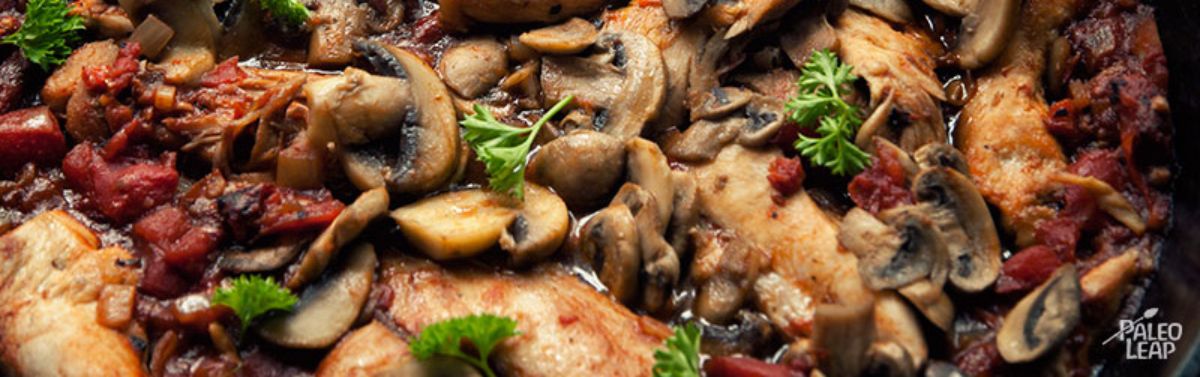
    Tuscan Chicken Skillet

    tuscan chicken skillet
    A one-pan dinner recipe with a simple, savory Italian seasoning. Recipe here.

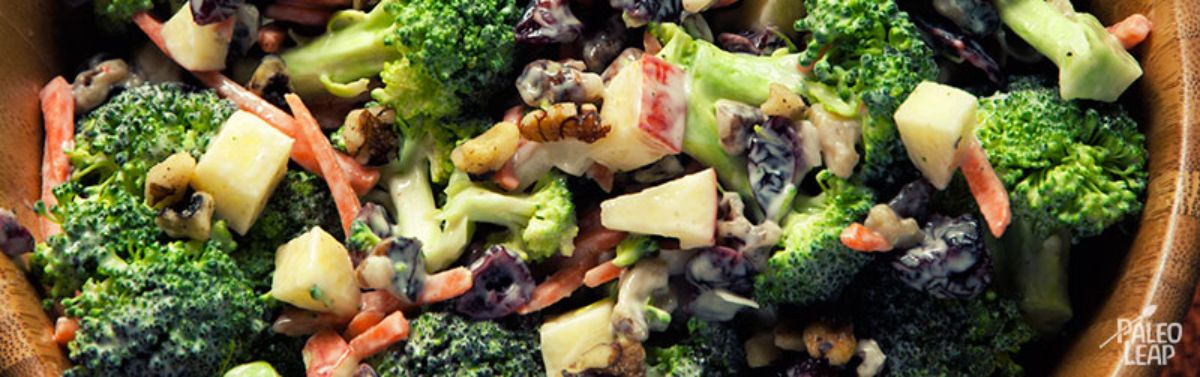
    Broccoli and Apple Salad with Walnuts

    broccoli apple salad
    A refreshingly crispy raw salad, perfect as a no-fuss side dish or an easy Paleo snack. Recipe here.

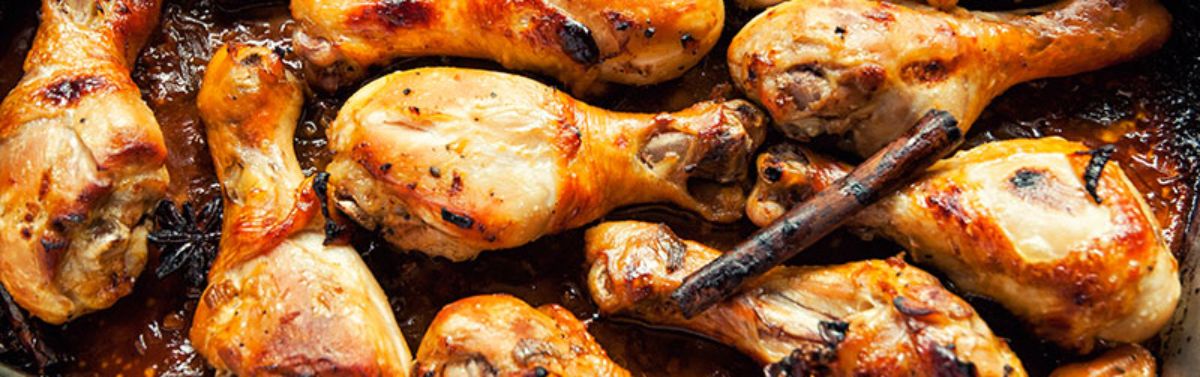
    Chicken Drumsticks with Orange Glaze

    chicken orange glaze
    Quick and flavor-packed chicken drumsticks with a gingery orange-cinnamon glaze. Recipe here.

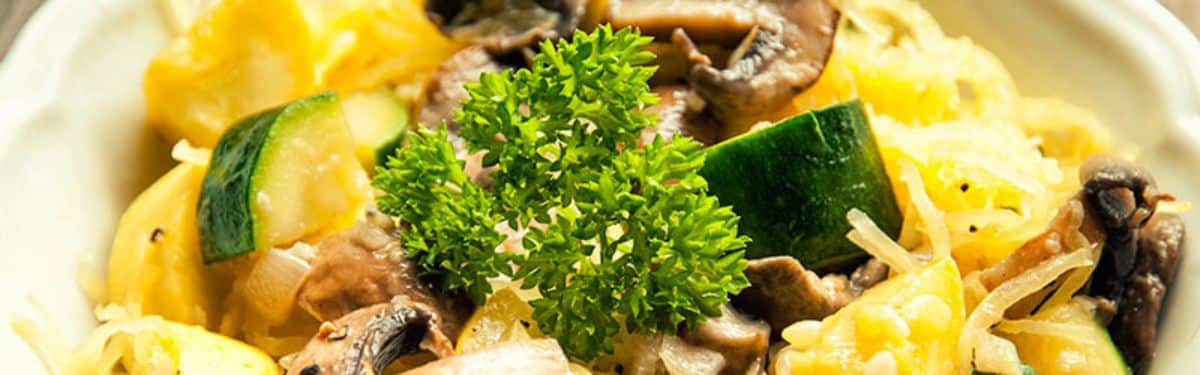
    Zucchini and Mushroom Pasta

    zucchini mushroom pasta
    A delicious and sophisticated take on grain-free noodles topped with fresh summer vegetables. Recipe here.

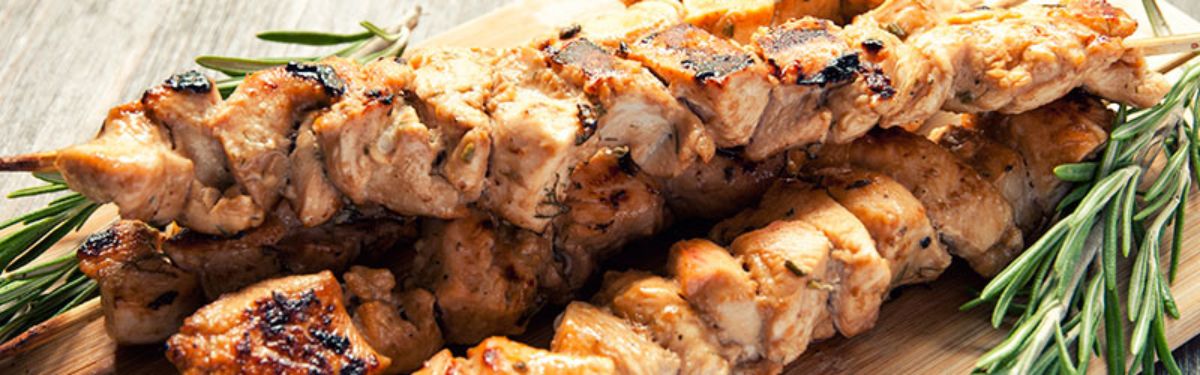
    Rosemary Ranch Chicken Kabobs

    rosemay ranch chicken
    Throw something extra-delicious on the grill with these easy chicken kabobs flavored with a special ranch dressing. Recipe here.

    Filed Under: Paleo Recipe Compilations

    Going Paleo with a Crazy Work Schedule

    July 2, 2014 by Paleo Leaper Leave a Comment

    In 2010, almost 30% of workers in the United States work “nontraditional” hours. This sometimes means working second or third shift; sometimes it means working 12 hours 4 days a week, or 26 hours 3 days a week, or 14 days on followed by 7 days off…the possibilities are endless.

    Not surprisingly, this tends to make cooking more of a challenge, especially if you have to bring two or three meals to an extra-long shift without any refrigerator or microwave. But it’s still possible to make Paleo happen!

    Cooking

    paleo containers

    If you work crazy hours, batch cooking will quickly become your very best friend. The basic idea is simple: instead of cooking for every meal, cook once and eat many times. You can cook on the days when you do have time for it, and build up a store of food in the fridge for the days when you don’t.

    This makes it possible to eat home-cooked meals even on work days, because it gives you a steady supply of leftovers for pack lunches (or breakfasts, or dinners, or snacks, or all of the above).

    You can batch cook pretty much anything that tastes good the next day. Some ideas…

    • Balsamic roast beef or sirloin tip roast: save the leftovers to eat in salads or just with some mustard and mayonnaise in a lettuce wrap.
    • Turkey chili: easy to make and perfect for stashing in the fridge or freezer.
    • Honey-mustard drumsticks: drumsticks are tasty finger food and perfectly good cold.
    • Any recipe for a whole roast chicken (like this one) is a sure hit for salad-friendly leftovers. For extra efficiency, cook two chickens at once: the extra work is negligible but you get twice the payoff.

    The danger of this approach is that you’ll cook up a huge batch of something and then get bored of eating the same thing halfway through the week. To avoid this, separate your big recipe into serving-size containers as soon as it’s out of the pot. Stash a few in the fridge and a few in the freezer for long-term storage. Then you can pull them out in a few weeks, when you’re ready to have some more of the same recipe.

    Pretty much the same principle applies to shopping. Instead of trying to shop when you’re busy and on shift, save it for your days off and stock up really well. Then just eat through your groceries starting with the most perishable stuff (lettuce, cucumbers, fresh berries…) and saving the hardier ones (squash, carrots, cauliflower…) for later.

    Packing meals

    Packing for longer shifts can be tough. With a typical office lunch, provided you aren’t bringing ceviche and steak tartare, you don’t even really need a fridge. But when your shift is longer, food safety starts to become an issue – not to mention what a pain in the neck it is to haul all that food around. Here are some suggestions:

    • Bring a cooler. Have you ever seen construction workers eating lunch? They often have to lug their food around hot outdoor sites with no fridge for miles, so they carry coolers or insulated lunchboxes. If you get a good one, it’ll keep food cool for hours, and you can throw in an ice pack to extend that time even more.
    • Bring a thermos. Got the opposite problem? A high-quality thermos will keep your lunch hot for several hours. It won’t stand up to a full shift, but if you’re on for 24 hours and you eat for the first time 6 hours in, a thermos could definitely make it at least that far.

    What you pack in your cooler and/or thermos will depend on what you have available at work. If you’ve got a fridge or microwave, your options are almost unlimited – just bring any leftovers from your big batch cook-up, reheat them, and chow down.

    No microwave? Plenty of Paleo foods are good cold. Try some potato salad, hard-boiled eggs, or a fresh vegetable salad with some leftover meat. Guacamole is always a hit; if you want something a little fancier, you could also roll yourself some sandwiches or whip out some pâté with vegetables.

    Just because coolers won’t hold an infinite amount of food, it also helps to build meals around Paleo foods that keep at room temperature, with no need for refrigeration or reheating. Some suggestions…

    Protein:Cans of tuna, sardines, or other fishSalamiJerkyHard-boiled eggs (won’t keep all day, but they’re fine for a few hours)
    Healthy fat:AvocadosTrail mix or mixed nutsNut butter or coconut butter (you can get it in individual squeeze packs)Olive oil (in salad dressings)Individual packs of olives
    Carbs:Bananas or other fruitDehydrated banana or sweet potato chips (just watch out for mystery oils!)

    Don’t forget liquids, either, especially if your job has you working out in the sun! Water is fine, but if you’re planning to get hot and sweaty, you could also try some coconut lemonade for an electrolyte boost.

    Another trick is to consider fasting for part or all of your shift. Intermittent fasting isn’t for everyone, but it’s awfully convenient to avoid a third meal and just bring a cup of coffee (or nothing at all).

    Sample Menu

    paleo banana

    Just to give you an idea, here’s a sample menu for someone working 16-hour shifts, with 3 meals to eat during that time:

    In the cooler: 4 hard-boiled eggs, 1 sealed container of salad dressing, 1 Tupperware of salad greens, 1 serving of leftover roast chicken, 1 serving of leftover potato salad, 1 leftover burger patty, 1 sealed container of relish.

    Out at room temp: 1 handful of trail mix (in a baggie), 1 banana.

    Meal 1: 4 hard-boiled eggs and a banana.

    Meal 2: salad with leftover chicken (pour the dressing on, add the meat, and shake it all up in the Tupperware).

    Snack: trail mix

    Meal 3: burger with relish; potato salad.

    That’s all easy to throw together before you leave, even if you’re not quite awake yet. It’ll keep fine in the cooler, and you don’t even need to bring anything hot (although if you do have access to a microwave, you could warm up the burger).

    It’s not easy or automatic to stay Paleo when your work schedule is going a little crazy, but it’s also not impossible by any means! You don’t have to rely on bags of chips or endless sandwiches, and you certainly don’t have to buy food every workday. It might take a few weeks to get a really good routine going, but it’s completely worth the initial effort to have real, home-cooked food to keep you feeling great through the long shifts.

    Filed Under: Learn About Paleo & Keto Diets

    What if I Can’t Have Eggs?

    June 5, 2014 by Paleo Leaper Leave a Comment

    They’re nature’s perfect food, a tiny repository of protein, fat, and important nutrients – but what if they also give you hives? Egg allergies are one of the most common dietary restrictions, affecting up to 1.7% of the US population (that’s around 5,423,000 people). And many more people are avoiding eggs as part of an autoimmune protocol.

    Paleo without eggs can seem pretty rough, but it’s actually not that hard: you certainly don’t need to eat eggs to make delicious and healing Paleo meals.

    Is it Really the Eggs?

    Before swearing off eggs forever, it’s worth pinning down particularly what kind of problem you have:

    • Egg allergy: rashes, throat swelling, vomiting, and other allergy-type symptoms that occur immediately after eating eggs (whites, yolks, or both). Very rarely, this can get as bad as serious anaphylaxis. With egg allergies, you’ll need to avoid eggs altogether.
    • Egg white allergy: allergic reaction to egg whites only, not the yolks. It’s very common to react poorly to egg whites, but not the yolks. Depending on how severe your allergy is, you may be able to eat egg yolks without a problem, but most allergists advise avoiding the yolks as well, because of the potential for cross-contamination.
    • Egg white intolerance: this is not an allergy; it’s really a kind of histamine intolerance, and symptoms can range from allergy-like reactions to nausea, bloating, brain fog, and more (you can read about histamine intolerance here). On the outside, it looks like an allergy, but there’s a slightly different process going on under the hood, and if you take a food allergy test, eggs won't show up on it.

    An allergy to eggs will obviously require you to avoid them altogether. For egg white allergies, it's generally a good idea to avoid the yolks as well. But if you’re not allergic - if you have an intolerance instead - then the yolks may be just fine (for example, in some delicious Paleo mayonnaise) because the tiny amount of egg white that clings to the yolk usually doesn't cause problems. This will get you all the nutritional benefits of the egg (which are almost entirely in the yolk; whites are much less nutritious), without the reaction.

    It’s also worth noting that most egg allergies occur in children who later grow out of them, so if it's a child you're worrying about, you may just have to wait a few years before the allergy disappears on its own.

    But what about people who really are allergic to the whole egg? Or people who (understandably!) don’t want to take a risk by testing it out? It’s completely possible to do Paleo without any eggs at all. Take a look at some of the most common questions and how to handle them.

    What do I Eat for Breakfast?

    Anything you like! Really: there’s absolutely no reason why breakfast has to be chosen from some totally arbitrary list of “breakfast foods.” Why are eggs “breakfasty” but tuna isn’t? There’s no real reason for it, so stop letting yourself be limited by these meaningless categories.

    Just think of breakfast as a meal like any other meal: meat and vegetables, maybe with some fruit or nuts thrown in on the side. Breakfast is not a magic exception because it’s the first meal of the day. If you’re not up for a lot of cooking, leftovers make a fast and convenient morning meal – what about some cold slices of roast beef with an apple and a smear of almond butter? Delicious, nutritious, and no cooking required.

    If you’re not quite willing to let go of the “breakfast food” mold quite yet, what about…

    • Sausages with some fried onions and mushrooms
    • A breakfast skillet with ham and vegetables
    • Bacon with spinach and mushrooms sauteed in the bacon fat
    • A quick smoothie just to tide you over until lunchtime
    • Smoked salmon with cucumber slices
    • Nothing at all; you could always go the intermittent fasting route and just wait until noon to start eating.

    What can I use as Binders?

    A binder is the ingredient in a recipe that makes everything else stick together. For example, if you’re making chicken nuggets, the egg coating is the “glue” that holds the breading onto the meat.

    Eggs don’t have any special magic binding properties, though. One great alternative is an egg replacement made of flax seeds (this is a vegan favorite). For each egg that you need to replace, combine 1 part ground flaxseed to 2 parts boiling water. Stir to combine and let it sit until it gets the texture of egg whites. Then use in your recipe wherever you would otherwise use eggs. If you tweak the recipe a little, you can even make mayo with it!

    What can I use for Fast Protein?

    paleo groundbeef

    Another reason that eggs are so great is their usefulness as quick protein in a pinch. They keep for weeks at a time in the fridge until that one rushed evening when you need dinner ready in 10 minutes, and then it’s eggs to the rescue! Just throw together a bunch of vegetables in a skillet and crack in a few eggs for a quick meal.

    Fortunately, there are plenty of other fast protein options. Try keeping a pound or so of ground meat around in the freezer at all times. Or make sure you always have a can of salmon ready to transform into an emergency curry just by warming it up with some coconut milk and spices.

    For quick snacks, instead of hard-boiled eggs, stock up on individual packets of tuna or cans of sardines. Another tasty and easy snack is chicken drumsticks: just cook up a big batch of your favorite recipe and keep those in the fridge where you’d normally keep hard-boiled eggs.

    Will I be Deficient in Anything?

    As well as their culinary uses, eggs are extremely nutritious. Here’s a list of nutrients in eggs, together with some non-egg sources to include in your diet:

    • Healthy saturated fat: red meat or animal fat.
    • Essential fatty acids (Omega-3s: EPA and DHA): fish and seafood.
    • Vitamin A: liver or other organ meats; you can also get a precursor form called beta-carotene in any orange vegetable.
    • Vitamin B2 (Riboflavin): spinach, dairy products (if you tolerate them well), mushrooms, and many other vegetables.
    • Vitamin B12: any kind of red meat or other animal products.
    • Vitamin K2: organ meat and pastured butter.
    • Choline: any kind of meat, especially seafood and poultry.
    • Phosphorus: red meat and dairy products.
    • Selenium: fish or seafood; Brazil nuts.

    There’s a lot of good stuff in an egg – but there’s nothing that’s only in eggs. If you’re eating whole foods, plenty of pasture-raised animal products, and enough vegetables, you shouldn’t have any trouble meeting your nutrient needs without an egg passing your lips.

    Summing it Up

    An egg allergy or intolerance adds an initial level of difficulty on top of the switch to Paleo. But there’s no nutritional reason why you have to eat eggs specifically, and there’s a workaround for everything – yes, even breakfast! So if an egg allergy is your concern, don’t let it stop you from enjoying the benefits of Paleo: scramble up some breakfast sausage and enjoy.

    Filed Under: Learn About Paleo & Keto Diets

    How to Get Started Meal Planning

    June 3, 2014 by Paleo Leaper Leave a Comment

    There’s a time and place to figure out what you’re having for dinner, and it’s not five minutes before dinner is scheduled to begin, while staring at an empty fridge, wondering how on earth you’re going to feed four people with half a leftover chicken breast, three zucchini, and a bottle of mustard.

    Enter meal planning. This doesn’t have to mean spreadsheets and calendars and alphabetized collections of index cards: after all, the whole point is to save you time, not to turn your kitchen into some kind of culinary Library of Congress. Meal planning doesn’t have to be complicated, and you don’t have to be some kind of uber-organized kitchen prodigy to make it work.

    Here’s how to start meal planning, in 3 steps.

    Step 1: Assess

    Before you can fix the problem, you have to know what the problem is. And you need to get a little more specific than “I don’t have time to cook.”

    To make the most effective meal plan, the first step is to figure out your pain points. A “pain point” is the thing that always trips you up, the problem that destroys all your good intentions. Some examples:

    • You don’t have a fridge at work, so you never know what to pack for lunch. You end up just getting fast food.
    • You get home from work late and don’t know any recipes you can cook quickly, so dinner always takes forever and you end up just ordering takeout.
    • You always forget things at the grocery store, so you spend way too much time running back and forth for just one or two things. Eventually you get sick of it and just go out to eat.

    Think back on any times when you just couldn’t face the thought of cooking again so you gave up and ordered pizza. Why did you end up in that situation? Was it that you had no food in the fridge? Or the only recipe you had was too long and hard? Or that you didn’t feel confident about making it?

    Try to focus on situations you can control, not reasons like “I was tired.” All of us get tired, and yet some people manage to stick to the plan while others stumble. The problem is not being tired; it’s that you didn’t plan for being tired. Takeout restaurants plan for that possibility very, very well: it’s their entire business model. So to beat the takeout demons, you’ll just have to plan better than they do.

    Before you move on to Step 2, quickly jot down your top one or two (or more) pain points so you’ll have them for reference.

    Step 2: Find your Style

    quick paleo dinners

    Found your pain points? The next step is to find a style of planning that addresses those particular points. If your pain point is “I don’t know any recipes simple enough to cook in a rush,” then a meal plan full of complicated four-course dinners is not going to help! You need a style of meal planning that addresses your particular problem. Some suggestions…

    The casual planner

    Good for: “I’m fine with cooking; I just run out of food halfway through the week because I forget things at the grocery store,” “I’m single and I don’t want to spend too much time on this,” “I don’t mind cooking on the fly sometimes.”

    You will need: paper and a pen.

    How it works: Write down however many pounds of meat, servings of vegetables, servings of fruit, and servings of starch you eat in a week, plus any miscellaneous items (e.g. cooking fat, vinegar, spices/herbs, etc.). That’s your shopping list. It doesn’t matter what kind of meat you get; get whatever looks good or is on special. As long as you buy everything on the list, you’ll have enough food to tide you through the week.

    When you eat what is up to you: that’s why this one is the casual planner! It’s great if you live alone and eat a lot of very simple meals, or if you have a knack for making a meal out of any random collection of ingredients, so long as there’s something in the fridge.

    The money-saver

    Good for: “I have time to cook but can’t afford to eat this way.”

    You will need: the weekly flyer from your grocery store, a calendar or planner, a separate paper for your shopping list, and your computer, to look up recipes.

    How it works: Every week, get your grocery store’s sales flyer. Pick out the Paleo foods on sale, and look up recipes based on those. Grab a calendar or weekly planner and write down what you’re having for breakfast, lunch, and dinner each day. As you write down each meal in your planner, put the ingredients on your shopping list. Head to the store before the sales end, stock up, and get cooking!

    The time-saver

    Good for: “I’m struggling to find time for shopping and cooking between everything else in my schedule”

    You will need: your weekly planner or day organizer, a separate paper for your shopping list, and your computer, to look up recipes.

    How it works: Every week, grab a calendar and write down any events that might interfere with cooking. Working around those events, pencil in the time that you’ll spend on meal prep, whether that’s all at once on the weekends or spread throughout the week. Then do some searching for quick and easy recipes, slow-cooker recipes, or recipes that make a lot of leftovers. Plan those into the schedule, and put the ingredients on your shopping list as you add meals to your calendar.

    The low-effort plan

    Good for: “I don’t know any Paleo recipes that I can cook in a hurry,” “I don’t feel confident cooking Paleo food,” “I’m always tired when I get home and don’t have energy to cook all this fancy food.”

    You will need: a calendar or planner, a separate paper for your shopping list, and your computer, to look up recipes.

    How it works: Every week, start by hunting through your favorite sources for Paleo recipes to find simple breakfasts, lunches, and dinners. It helps to find recipes that make multiple servings, so you can have some leftovers and not cook something new for every single meal. Write them down on your calendar, and as you write down each meal, add the ingredients for it to your shopping list. You’ll only have to shop once during the week, and you’ll always have something quick and easy to make.

    The custom blend

    None of the above sound quite right? Or are you struggling with a different problem? That’s OK; just experiment with methods until you find something that works. You can mix and match methods, or come up with something completely unique by starting with the “best match” and modifying it until it fits your life perfectly.

    Step 3: Just do it!

    Reading a list of tips on meal planning will not help you plan your meals. Only planning your meals will help you plan your meals. Instead of clicking back over to the next tab, grab your day planner right now and pencil in a time to sit down and work out a meal planning system. Or write an email to yourself, write it on your hand, put up a sticky note - whatever you like; just do it now before you can forget.

    It doesn’t matter if it’s not perfect the first time. Paleo is a lifestyle change, not a “diet” that you go off in two weeks, so you’ll have plenty of time to fine-tune your system. If you're still nervous about jumping with both feet, here's a sample 14-day meal plan for you to start with; copy it exactly or modify it to fit your needs. Or come up with something entirely original. Even if it's not perfect, it'll still probably be better than what you had before. Just go for it: you've got nothing to lose!

    Filed Under: Learn About Paleo & Keto Diets

    10 Essential Paleo Cooking Tools for Tight Budgets

    May 19, 2014 by Paleo Leaper 1 Comment

    As a new set of college grads prepares to leave the dorms for the first time, it’s time to talk kitchen gear on a budget. The right kitchen equipment will make your meal prep and clean up dramatically easier – but most of us don’t have thousands of dollars to spend on Le Creuset and Japanese-forged chef’s knives.

    To help you prioritize, here’s a list of 10 bare essentials. You won’t be able to open your own restaurant with just these 10 tools, but you will be able to put good food on the table without spending your whole life in front of the stove. As you grow into your own cooking style, you’ll figure out what else you want, and what you can skip.

    1. Knives

    A lousy knife is the most dangerous kitchen tool you’ll ever own. When even cutting an onion takes a lot of elbow grease, it’s easy to forget that even dull knives can take your finger off when they slip. But everyone respects a sharp knife, and you don’t need to jerk it around anyway since it slides right through whatever you’re cutting.

    You don’t have to spend a huge amount of money on your kitchen knives (unless you want to). And you definitely don’t have to start out with one of those “knife blocks” that includes every blade pattern under the sun. In fact, skip those: they just make you pay for a bunch of junk you don’t need.

    What you really need is one reasonably decent chef’s knife (you can get these for around $30) and a serviceable paring knife or two (cut corners on these rather than your chef’s knife if you have to). You won’t be able to shuck oysters or butcher a hog, but you’ll be able to cut just about anything else – with the important exception of your fingers!

    2. Cast-iron skillet

    A cast-iron skillet has a naturally non-stick bottom, heats evenly, adds a nice iron supplement to everything you cook, and will probably last longer than you do. For quick stir-fries, sautéing vegetables, searing meat, and cooking almost any kind of eggs, you'll want one of these.

    To tempt you into buying one, have a look at this recipe for baked eggs with asparagus and leeks, where a cast-iron skillet lets you shuffle your eggs from stovetop to oven without getting another pan dirty. Can a cheapo rubber-handled frying pan do that?

    3. Slow cooker

    paleo SlowCooker

    Slow-cookers are time-saving magic for busy cooks. Just throw in some chili, ribs, or stew when you head out in the morning, and come back to a house that smells delicious and a perfectly cooked dinner. Using very low heat over a long period of time, the slow-cooker is perfect for breaking down tougher cuts of meat like brisket or chuck roast.

    With superpowers like that, you’d think a slow-cooker would cost an arm and a leg, but actually, you can buy a basic model for $25 or so.

    Need some recipe inspiration? What about a big plate of fall-apart tender balsamic roast beef?

    4. Roasting pans

    A pan of roast vegetables is one of the fastest and easiest Paleo side dishes to make, and it tastes delicious every time. To make it happen, all you’ll need is a roasting pan: you can repurpose an old cookie sheet, or just go out and spend $5 on a big pan of your own (the bigger, the better).

    Want a recipe for that? How about roasted cauliflower with bacon?

    5. Cutting board

    A good cutting board doesn’t just protect your counter from your shiny new chef’s knife. It also protects your knife from the counter. Plastic and wood are easiest on your knives; if you want to throw it in the dishwasher, get plastic. And make sure to get one big enough for your knife – no mini boards!

    6. All-purpose pot (with lid)

    paleo tips

    Depending on how big your family is, your all-purpose pot could be big or small. Single cooks only really need a saucepan: the giant stockpots are overkill (especially if you also have a slow cooker for making bone broth).

    This is where you’ll simmer soup, hard-boil eggs, render fat, blend sauces, and do a hundred different miscellaneous jobs. You don't need a fancy or expensive one; you just need something watertight that won't melt on the stove.

    7. Oven-safe glass containers

    These kitchen multitaskers do triple duty. Most obviously, they’re good for food storage: save your leftovers and avoid wasting anything by keeping it all organized for another day. You can reheat anything in them without worrying about plastics leaching into the food, and they’re even tough enough to travel with.

    But that’s not all: you can also use them as cooking dishes. A deep rectangular Pyrex dish will work just fine for casseroles or for braising meats – and then you can just store any leftovers in the same container.

    Circular bowls will also work second shift as mixing bowls: if you need to whisk together a sauce or mix a chicken salad, just haul them out.

    Glass containers do cost more than the cheap plastic ones, but you get what you pay for, and the investment is definitely worth your money.

    8. Utensils

    Maybe it’s cheating to group a spatula and a ladle together as “utensils,” but then again, a lot of stores sell them as a set, so you might end up buying them together anyway. Here’s what you’ll need:

    • A spatula: for flipping vegetables or eggs or stirring anything in the skillet.
    • A ladle or wooden spoon: for stirring and serving soups or other liquid dishes.

    Other utensils that are nice to have (and typically very cheap) include: a whisk, a slotted spoon, a pair of tongs, a vegetable peeler, and a grater. You can get by without them, but they’re typically helpful.

    9. Measuring cup/prep bowl

    A solid glass measuring cup doesn’t just measure. It also doubles as a small prep bowl – say, for scrambling eggs, or mixing up spice blends, sauces, and marinades. And in a budget-crunched kitchen, multitasking is always a plus.

    Two cups is plenty for most single people; if you’re cooking for a family, you might prefer to get 3 or more.

    10. Cloth towels

    Even in the era of all things disposable, cloth towels are still worth their place in the kitchen, and not just for nostalgia’s sake. Cloth towels save you a bunch of money in the long run, since you don’t have to keep buying paper ones. And they do double duty as oven mitts (just fold the towel up several times). Plus, they never tear in the middle of mopping up a tough spill. If you’re trying to save time and money, paper towels are a false economy; pay upfront for the cloth ones, and you’ll save more in the long run.

    Honorable Mention: a Blender

    You can squeak by without this if you’re really that strapped for cash, but a blender is incredibly helpful for making smoothies, salad dressings, and pureed soups, and they’re pretty cheap (you can get a basic model for $20-25). If you’re into soup, an immersion blender might be more your style; if you’re more on the smoothie side of the spectrum, a traditional blender is probably a more useful tool.

    What’s Yours?

    Again, this list was a bare-bones guide to just the basics, for those times when the budget is tight. It’s not a comprehensive guide to everything you need in a three-star Michelin kitchen!

    If you’re reading this far, and you’ve been cooking your own meals for a while, you’re probably bursting with the one crucial thing we forgot. So, spill the beans: what’s your must-have kitchen tool? The first thing you pick up and the last thing you put down? Let us know on Facebook or Google+!

    Filed Under: Learn About Paleo & Keto Diets

    Paleo for One

    March 25, 2014 by Paleo Leaper Leave a Comment

    Cooking Paleo for a family is a challenge in itself, but cooking for one person raises a different set of issues. Sometimes it just doesn’t seem worth it to get out all the pots and pans just for one meal; it seems like cleaning everything up afterwards takes even longer than cooking. And a lot of the money-saving techniques like buying in bulk just don’t seem workable.

    But cooking for one also has its bright sides. You don’t have to worry about making anything look particularly impressive unless you personally enjoy fiddling with the presentation. You can cook whatever you want, whenever you want it, and there’s no pressure to make something that other people will like.

    To help you maximize the up sides and cut down on the problems, here’s a simple guide to Paleo cooking for just one person.

    Rethink Bulk Meals

    fridge

    Some people don’t mind eating the same thing every day, but most of us don’t want to make a huge pot of chili and then eat the exact same chili for the rest of the week. That’s way too boring. But you can still use bulk meals to cut down on cooking time and food prices. Here’s how:

    • Make a huge batch of something. A slow-cooker is the perfect tool for this.
    • Divide it into individual containers, and label them clearly with the date and the contents.
    • Freeze all the containers.

    That way, instead of having chili every day for a week, you can put most of your batch in the freezer, and pull out one or two servings a week as you want them. It’s all the convenience of cooking in bulk, without the monotony of eating the exact same food over and over again.

    If you really want to get fancy with this, you could make multiple different freezer meals (remember to label them all!), so you’ll always have a choice of microwaveable Paleo dinners ready to go.

    Cut Down on Pans

    paleo tips

    When you’re cooking single servings of anything, the ratio of dirty dishes to food cooked is very high. For example, if you use a frying pan to cook something, you have to spend just as much time cleaning the pan whether you make one serving or five. This can dramatically add to your total kitchen time – you’re basically doing family-size dishes, without the family-size meals. Here’s how to cut it down:

    • Buy versatile cookware. Glass and Pyrex can go from the oven to the fridge without a hitch, so you can store leftovers in the very same dish you used to cook in the first place. This saves you a lot of annoying, bulky pans and Tupperware to wash.
    • Make one-pan meals. Stir-fries, scrambles, and other simple recipes make a complete meal without a lot of dishes.

    Freeze Wisely

    Freezing isn’t just limited to bulk meals. Your freezer is your best friend for anything that you go through slowly – and if you live alone and you’re cooking for one, that’s a lot of stuff. Try freezing…

    • Homemade sauces and dressings. Freeze them in ice cube trays, and then pop them out of the tray into plastic bags once they’re frozen. They won’t go bad, and you’ll always have some when you need them.
    • Bulk spices. They’re cheaper, but they can go stale if you keep them out at room temperature.
    • Nut flours and meals. These go rancid easily left out on the shelf, but they’ll keep almost indefinitely in the freezer.
    • Coconut milk or other half-used cans. Making a recipe for one and don’t need the whole huge can of coconut milk? Just freeze the other half.
    • Herbs. Sick of buying a huge bunch of herbs and having most of it rot away into a slimy mess? Use this recipe for freezing them in olive oil.

    Plan your Vegetables

    It’s absolutely possible to shop once a week for one person; you just have to plan out your vegetables a little. Spinach, sprouts, and other fragile vegetables won’t last the whole 7 days, so aim to eat those first (or cook them into something that stores better, like a spinach quiche). Hardier specimens like squash and beets can wait until the end of the week; they’ll still be good.

    Another strategy is to use frozen vegetables – they’re just as nutritious as fresh, and of course, there’s no danger that they’ll go bad.

    Mix and Match

    Who says you can’t have one egg, one sausage, the last half-bowl of vegetable soup, and some quick roasted cauliflower for dinner? The Japanese have mastered this for the midday meal – bento boxes are lunchboxes that serve small portions of many different foods, often with cute or creative presentations. It doesn’t have to feel like you’re just eating a random plate of leftovers all smushed together; with a few meals of practice, you’ll get the knack of putting together a single meal out of many smaller servings of food.

    Let Go of Recipes

    Not everything you cook has to come from a recipe book. If you’re finding that all the recipes you like make huge amounts of food, try looking at them as inspiration, rather than a set of one-size-fits-all directions. Then think of how you could adapt the recipe to a single serving. For example…

    • If you see a great frittata recipe with a dozen eggs, why not reduce the ingredients and make it as mini-frittatas instead, so you can cook only as many as you want.
    • Instead of roasting a whole chicken, why not use the same spices and other seasonings to roast just a single breast, or just a leg?

    Even if you can’t just divide all the quantities in the recipe by 4 and expect it to work, there’s usually a way to adapt the same idea to a smaller execution.

    Some Paleo Meals for One

    And now to whet your appetite, a few examples of Paleo meals that already come in single servings or are easy to convert:

    • Lemon thyme chicken: just use one chicken breast instead of 4.
    • Egg and pesto stuffed tomatoes: just cut down the eggs to however many you’re hungry for.
    • Roasted delicata squash. Delicata squashes come in all different sizes; just find one small enough that you can eat it all in one serving.

    …And Yours!

    What are your best tips for single-serving Paleo cooking? Do you have a favorite bulk recipe? Share with us on Facebook or Google+!

    Filed Under: Learn About Paleo & Keto Diets

    Paleo & Keto Article Index

    [feast_advanced_jump_to]

    Start Here

    Paleo 101

    Keto 101

    Keto FAQ

    Transitioning to Paleo

    Paleo 2.0

    A Different Way to Start Paleo

    "Am I Doing it Right?" Checklist

    Infographic: Building a Paleo Meal

    Paleo Guide – Start Here

    Paleo food list

    Are white potatoes Paleo?

    All about carbs

    Paleo Meal Plan

    Infographic: Keto Diet

    Foods and Nutrients

    Protein

    Animal Protein Importance of Fat Saturated Fat and Cholesterol Saturated Fat, Revisited Why Cholesterol is Not Bad Fat doesn't make you fat Conjugated Linoleic Acid Omega-9 fats Monounsaturated Fat Plant Sources of Omega-3 Fats Evidence and Studies on Cholesterol Why Avoiding Dietary Cholesterol Doesn't Make Sense Butyrate, the Anti-Inflammatory Fat 5 Lesser-Known Reasons to Cut Down on Omega-6 PUFA

    Carbohydrates

    Safe Starches Fiber Resistant Starch Switching from low-carb to Paleo Macronutrient Ratios Macronutrients for Paleo Athletes A practical guide to carb tolerance Macronutrient Ratios in Real Food 5 Signs you Might Benefit from Adjusting your Carb Levels

    Micronutrients

    Vitamin D Vitamin C Calcium Magnesium Iodine: getting enough Iodine: how much is too much? Vitamin K2 Sodium and Potassium Vitamin E Electrolytes Gelatin and Collagen Selenium Glutathione 4 vitamins and minerals to watch for gut and digestive health 5 Dairy-Free Meals with More Calcium than a Yogurt

    Paleo Foods

    Animal Foods

    Grass-Fed Meat and What to do when you can't afford it
    Liver
    Butter
    Egg Yolk
    Cured Meat
    Pastured pork and poultry
    Raw Meat
    Bone broth
    Animal fat
    Odd bits
    Duck eggs
    Game meat
    The nutritional value of meat
    Sausages
    5 things to know about red meat and cancer
    Duck
    Fish and Seafood
    Fish Eggs
    Oysters
    Sardines
    Salmon
    What you should Know about the new GMO Salmon
    Shrimp

    Plant Foods

    Tea
    Modern Fruit
    Coconut
    White potatoes
    Vegetables
    Vinegar
    Seaweed
    Paleo plant fats
    Garlic
    Nightshades
    Winter Squash
    Avocados
    Sweet Potatoes
    Spices
    Plantains
    Olive oil
    Leafy green vegetables
    Herbs
    Brassicas
    Coconut and almond flour
    Macadamia nuts
    Nut butters
    Maple Syrup
    Berries
    Olives
    Jicama
    Cranberries
    Kale
    Chia
    Tiger Nuts

    Other Foods

    Salt and Sea salt
    Salt cravings
    Water and Hydration
    Fluoridated water
    Honey
    Tea
    Probiotic Foods
    5 Commonly Neglected Foods
    Paleo Cooking Fats
    Turmeric and Curcumin

    Gray Area Foods

    Dairy Dairy, Revisited Raw milk Nuts and Seeds Choosing chocolate Chocolate, Coffee, and Alcohol Food additives Caffeine Rice Red wine Sugar Alcohols Psyllium Husk Paleo foods that aren't right for everyone Infographic: Sugar Reality Check Dried Fruit and Sugar Stevia Potentially allergenic foods

    Foods to Avoid

    Gluten and Wheat Grains Pseudograins and Non-Gluten Grains Beans and Legumes PUFA PUFA and Heart Health Sugar Fructose Soy Protein Powder Other diets The Mediterranean Diet Industrial oils Artificial Sweeteners Soy High-Fructose Corn Syrup 4 Problems with the “Heart Healthy Whole Grains” Line

    Debunked Food Myths

    The "Balanced Diet" Myth
    Superfoods
    Acid-alkaline balance
    Metabolism-Boosting Myths
    Detox diets
    5 words that DON'T mean "Paleo"
    Foods that "cause cancer"
    Goitrogens and Iodine
    Inaccurate Nutritional Gut Instincts
    You are Not a Caveman
    Enema Nonsense
    "Red meat causes colon cancer"
    The Problem with "Natural"
    The Dairy Fat "Paradox," Explained
    The Sugar Cover-Up: What you Need to Know

    Weight Loss

    Why you Shouldn't Count Calories
    Weight Loss Plateaus
    Low-carb diets and weight loss
    Do Calories Count?
    Why you shouldn't count calories
    Weight Loss
    Carbs and Weight Loss
    Weight Loss Isn't Everything
    Weight Loss Plateaus
    How We Get Fat
    Weight Loss Without Exercise
    Leptin: The Appetite Hormone
    Managing Leptin Levels
    Menopause and weight, Part 1 and Part 2
    Paleo Weight Loss: What to Expect
    Measuring Paleo Weight Loss
    Paleo weight loss for women, Part 1 and Part 2
    Why you need to sleep to lose weight
    Paleo, Snacking, and Weight Loss
    Why Paleo has benefits beyond weight loss
    Obesity, Diabetes, and Autoimmunity
    Weight Loss and Fruit
    Digestive Symptoms AND Trouble Losing Weight?
    What you Should Know About Starvation Mode
    What if I'm On Medication that Causes Weight Gain?
    Help! Why am I Gaining Weight on Paleo?
    Yo-Yo Dieting: Dangerous Even at a Normal Weight
    5 Things that Don't Cause Obesity
    5 Things to Know About Breakfast and Weight Loss
    The Protective Role of Subcutaneous Fat, and What That Means for Fat (“Weight”) Loss
    Understanding Insulin
    In Defense of Exercise for Weight Loss
    How and Why to Get Comfortable with Hunger
    Paleo after Weight-Loss Surgery
    Low-carb Diets for Weight Loss
    Paleo, Epigenetics, and Weight
    All About Belly Fat
    Nutrient Deficiencies and Obesity
    Body Fat Percentage
    Managing a Weight Regain
    Water Weight
    Weight Loss and metabolism, part 1
    Sleep, Weight, and your Gut: It's All Related
    Why the Paleo Template Works
    Food, Weight, and your Brain, in Pictures
    Sleep vs. Superfoods for Weight Loss
    Genetics aren't Destiny for Weight Loss
    Vitamin D and Sunshine for Weight Loss and Metabolic Health
    4 Problems that could Sabotage your Food Decisions
    Do Smaller Plates and Bowls Really Help you Eat Less?
    Beige Fat
    Losing Fat, Not Just "Weight"
    GLP-1: Another Hormone Making the Case for Paleo
    6 Things to Know about the Glycemic Index
    Recent News about Cravings, Obesity, and the Brain: A Deeper Look
    Oxytocin and Weight

    Gut & Digestive Health

    Dealing with Constipation
    5 simple ways to support your gut flora
    Gut Flora
    Candida
    Constipation
    Diarrhea
    Irritable Bowel Syndrome
    Small Intestinal Bacterial Overgrowth (SIBO)
    Antibiotics
    How to make vegetables easier on your stomach
    Prebiotics
    Intestinal parasites
    Inflammatory Bowel Disease (Crohn's and Ulcerative Colitis)
    Autism spectrum disorders and the gut
    Leaky Gut, Demystified
    Why your Health Depends on your Gut Flora
    Psyllium Husk
    All About Fructose Malabsorption
    What Is a Gut Irritant?
    Supplements for Digestion
    Which probiotic should I take?
    Getting your Digestion Adjusted to Paleo
    When Constipation Isn't About Fiber
    You and your Gut, in Graphs and Charts
    Gut Portal
    Why Stomach Acid is Important for Bone Health
    Why NSAIDs are Damaging to the Gut
    How Exercise Helps with Gut Healing
    H. Pylori
    Cool Gut-Related Case Studies
    Give your gut healing a boost with antioxidants
    The Appendix
    The vagus nerve, your gut-brain connection
    Enemas: Telling the Nonsense from the Benefits
    Digestive System Pain: Is Stress the Culprit
    5 Gentle Laxative Alternatives That Aren't Fiber or Probiotics
    Gluten and Irritable Bowel Syndrome: a New Link?

    Specific Diseases

    Low-carb diets and Type 2 Diabetes
    Diabetes and Type 1 Diabetes specifically
    Acne
    Hypertension
    Eating Disorders
    Insomnia
    Migraines
    Mental Health
    Anxiety
    Seasonal Affective Disorder
    Eating for Healthy Skin
    Gout
    Sleep apnea
    Chronic Fatigue Syndrome
    Paleo nutrition for ex-Smokers
    The importance of fat for mental health
    Binge eating
    Autism Spectrum Disorders and micronutrients
    Prediabetes
    Alzheimer's Disease: Type 3 Diabetes?
    Diet and Chronic Pain
    Diet and Eyesight
    Paleo and Seasonal Allergies
    Food Addiction, Part 1
    Part 2
    and Part 3
    Recent research on low-carb diets for Type 2 Diabetes
    Eczema
    Low back pain, Part 1 and Part 2
    Heartburn and food allergies
    Non-Celiac Gluten Sensitivity
    Bad Breath
    Periodontal Disease
    Hemorrhoids
    Breast Cancer
    Dry Skin
    Celiac Disease: it's More than Gluten
    Asthma
    Getting Off Meds for Type 2 Diabetes
    Diet and Kidney Disease
    Diet and Gestational Diabetes
    Diet and Hyperthyroidism
    Food Allergy Testing
    Parkinson's Disease and Pesticides
    Paleo and Heart Disease in Women
    Statins and Paleo: a Practical Approach
    What to Know About Carbs and Cardiovascular Health

    General Health & Parts of Your Body

    Published Research on Paleo
    Dental health
    Hair
    Healthy weight gain
    Immune System
    Infections and Chronic Disorders
    Thyroid Health
    The Importance of Muscle
    Bones and Joints
    Paleo for Liver Health
    Paleo and your Gallbladder
    Gut flora and the immune system
    Published research on the health benefits of Paleo and More published research on the health benefits of Paleo
    Building Resilience With Paleo
    Cortisol and health
    How Stress Wrecks your Metabolism
    Blood Sugar
    Circadian Rhythms
    Important Nutrients for Stress Management
    Insulin and the Brain
    Is Salt Really Inflammatory?
    Fathers' Diets Before Conception and their Babies' Health
    Mood Swings
    What to Do in your 20's and 30's for Healthy Aging
    The Hygiene Hypothesis for People Too Smart to Eat Hookworms
    Heart Health Starts in the Gut
    Published Research on the Health Benefits of Paleo: a 1-Year Update
    Non-Scale Victories
    How an inflammatory diet can sabotage your mood and energy
    Paleo and Anemia

    Women's Health

    Women's Health
    Fertility
    Pregnancy
    Paleo and Menstrual Cramps
    Diet and yeast infections
    Paleo and Menstrual Cravings
    How C-Section Births Affect the Baby's Health

    Shopping & Cooking Tips

    Beginner Tips & Basics

    Easy Recipes for Beginners
    Paleo Noodles
    Cauliflower Substitutions for Unhealthy Foods
    How to start Paleo if you don't know how to cook
    Essential Paleo Cooking Tools
    What if I don't like vegetables?
    How to get started meal planning
    10 easy Paleo recipes for beginners
    Cooking organ meats
    Slow-cookers
    The weekly make-ahead
    10 healthy snacks
    Paleo Basics Tips and Resources Masterpost
    Breakfast for beginners
    One Easy Method for Cooking Delicious Vegetables

    Saving Time/Money

    Grocery shopping
    Money-Saving Tips Part 2
    Paleo on a Budget
    8 recipes to make ahead for breakfast on the run
    Going Paleo with a crazy work schedule
    Finding and cooking budget-friendly beef
    Saving time with Paleo cooking
    8 tips for easier meal planning
    Pressure cookers
    Post-workout meals
    Portable salads
    Using a food processor
    Dealing with Mornings
    What to do if you have to compromise on Paleo
    Saving money with environmentally-friendly choices
    6 Money-saving Grocery swaps
    Easier Kitchen Clean-Up
    Saving Money at the Farmers Market

    Finding Good Food

    Whole Foods: a Paleo Walkthrough
    Choosing Meat
    Organic vegetables
    Finding truly grass-fed beef
    Avoiding food fraud
    Grocery Store Infographic
    Canned Fish

    Shopping and Cooking - Healthy Substitutes

    Paleo Noodles
    Healthy ways to enjoy pumpkin spice
    (Interactive): Desserts for restricted diets
    Dairy substitutes
    Creative cauliflower substitutes for unhealthy foods
    Paleo baking
    15 Paleo Cheese Substitutes
    10 Vegetables to Transform into Paleo Fries
    Paleo Wing Recipes
    Breakfast-y Breakfasts Without Eggs
    Infographic: Healthy Paleo Recipe Swaps

    Shopping and Cooking - Miscellaneous Tips

    Microwaves
    Using leftovers
    Paleo for One
    Going Paleo in a non-Paleo Household
    Beyond-the-Basics Pantry Staples
    Jazzing up Eggs
    Creative recipes for roasting a whole chicken
    Planning for Paleo traveling
    Buying and cooking with olive oil
    8 ways to make salad more interesting
    Avoiding food waste on Paleo
    Grocery Shopping 201: Bulk and Specialty Stores
    Smoothies for breakfast: yes or no?
    Why won't my bone broth gel?
    Relishes
    Cooking with fresh herbs
    Why sit-down meals are worth the time
    Vintage Paleo recipes
    How to save anything from going bad in the fridge
    What to do with old, non-Paleo food
    Keeping ground beef interesting
    Paleo and the California drought
    How to Cook Giblets
    Plastic food containers: yes or no?
    The best cookware for your health
    Organizing your kitchen
    Cooking with kids
    Paleo spring cleaning
    Reducing Cooking Stress
    6 Versatile Pantry Staples
    Extra-Virgin Cooking Oil (Olive And Coconut): What Is It And Why Use It?

    Adjusting Paleo to Your Individual Needs

    Dietary Tweaks

    FODMAP elimination
    Why Whole Foods Beat Supplements
    Why do I have no Energy on Paleo?
    Multiple Vegetable Sensitivities: What can I Still Eat?
    Finding the Right Paleo for You
    Histamine elimination
    Visual guide to histamine intolerance
    Ketosis
    FODMAPs elimination
    Intermittent Fasting
    Long fasts
    AGEs and Oxidative Stress
    Is variety overrated?
    Donating Blood
    Autoimmune Diseases and Digestive Problems
    Paleo Approaches to Autoimmune Disease
    Paleo without Fish and Seafood
    Common Sticking Points
    What to eat when you're sick
    Paleo Without Coconut
    Paleo without Nuts
    Paleo without Eggs
    Paleo with a meat restriction
    Tracking your Meals
    Should I do a Paleo challenge
    Eating Paleo for endurance cardio
    Personal Genetic Testing
    5 Commonly Confused Foods Every Paleo Eater Should Know

    Supplements and Personal Care

    How to Choose Supplements
    Supplementing on Paleo
    Trusting the RDA
    Natural Toothpaste Recipe
    Fish Oil
    Antioxidants
    Glutamine
    Digestive Enzyme Supplements
    Activated Charcoal
    MCT Oil
    All about Epsom salts
    Essential Oils
    Why Whole Foods Beat Supplements
    Melatonin: Not Just for Sleep
    Coconut Oil for Skin
    6 Supplements Not to Take
    5 Weight Loss Supplements that Don’t Work as Advertised

    Troubleshooting

    Why do I have no energy?
    Why Paleo Feels Boring
    Why People Fail on a Paleo Diet
    Allergies, Intolerances, and toxins
    5 Reasons why Cholesterol can get Higher on Paleo
    Self-Experimenting
    Why am I so hungry?
    The most important health question
    Where did my Appetite Go?
    Diagnosing Vegetable Trouble
    Paleo Troubleshooting: Bloating and Gas
    Why can't I stick with Paleo?
    Paleo and Nausea
    Trouble giving up foods
    Mini Paleo Food Diary (interactive)
    When Low-Carb Paleo Isn't Working
    Why am I Bingeing on Paleo Food?

    Paleo for...

    Vegetarians
    Transitioning for vegetarians
    The elderly
    Paleo Kids
    Paleo Pets
    Paleo for college students
    Paleo in Australia
    Diet and Aging
    Paleo for teens
    Paleo in the UK

    Exercise & Physical Activity

    The Health Benefits of WalkingExercise
    Cardio
    Exercise and Immunity
    High-Intensity Interval Training
    Exercise and mental health
    Balancing exercise with the rest of your life
    3 simple kettlebell workouts
    The health benefits of walking
    Creatine and BCAAs
    How much Should I Exericse?
    Swimming
    Lessons about food you can learn in the gym
    The Benefits of Exercise
    Post-Workout Meals
    Perking up indoor workouts
    Fitness trackers and Paleo
    5 Reasons to Lift Heavy Weights
    Walking with Heavy Weights
    Low-Carb and Exercise in the Real World
    The Health Benefits of Exercise Don't Depend on Weight Loss
    Biking: the Most Functional Exercise?
    Yoga
    4 Ways Exercise can Increase your Resilience to Mental Stress (and 1 Way it can Backfire)
    4 Things to Know About Compensatory Eating (aka "eating it all back" after exercise)

    Sleep, Stress & Lifestyle

    Social Connection and your Health
    Sleep and Stress
    Paleo and the Barefoot Lifestyle
    Polyphasic Sleep
    Sunbathing
    Cold water therapy
    Media fasting
    Fighting Fatigue
    Sitting: Sitting, obesity, and chronic disease: myths and truths and avoiding the dangers of sitting
    Noise and stress reduction
    Sex and health
    Meditation
    5 Vicious Cycles to Avoid
    Lifestyle damage control
    The importance of social connection
    Environmental toxins
    Recovering from Sleep Deprivation
    Quitting Caffeine, the Paleo Way
    The Health Benefits of Massage
    Sleep Hygiene
    How to Measure your Stress Levels
    The Power of Music
    Chronotype: Are You an Early Bird or a Night Owl?
    The Health Benefits of Spending Time in Nature
    5 Paleo Strategies for Healing from the Long-Term Effects of Stress

    Inspiration & Moral Support

    Willpower
    Paleo as a High-Pleasure Diet
    The Myth of Emotional Motivation
    "I kept eating it but I didn't even like it" - Explained
    Boredom Eating
    "I kept eating it but I didn't even like it" - explained
    Addition vs. Subtraction
    Willpower
    Surviving rough spots
    Fake it Till You Make It
    Lessons from an Organic Farm
    Why A Lean, Fit, and Strong Body Shouldn't be Rocket Science
    Defining Optimal Health
    Male Body Image vs. Optimal Health
    The myth of emotional motivation
    The letter vs. the spirit of Paleo
    Changing your diet when you've failed before
    Extinction Cravings and Resurgence
    Staying Focused on your Goals
    The Value of Negativity
    The Power of Expectation
    Helping your Friends Go Paleo
    Changes Experienced on a Paleo Diet
    Restriction
    Recovering from a Paleo Detour
    Cultivating Food Gratitude
    Beating Cravings
    Overcoming "I know I should, but..."
    Should I take a "cheat day"?
    How to stay Paleo when you're tired and stressed
    Gamification
    Stop making food about good and bad
    Late-night cravings
    Paleo as a High-Pleasure Diet
    Things to know if you're nervous about starting
    Rewarding yourself without food
    It's Not About Living in Fear

    Answering the Critics

    Cavemen Didn't Die Young
    Is Paleo a Fad?
    Answering Debunkers, Part 1
    Answering Debunkers, Part 2
    Answering Debunkers, Part 3
    Vegetarianism
    Paleo is not Imitation
    How Raw Veganism Almost Killed Me
    The Paleo Elevator Speech
    Paleo, Meat, and the Environment
    Dealing with food jerks
    Paleo and Food Policy

    Seasonal & Special Occasions

    New Year's Resolutions that Aren't About Weight Loss
    Paleo and Traveling
    Paleo Holiday Survival Strategies
    Paleo New Year's Resolutions
    Holiday Weight Gain
    Nonfood Christmas celebrations
    The Gift of Health
    Enjoying Holiday Flavors on Paleo
    Avoiding cold-weather weight gain
    Hosting a Paleo party
    Turkey Leftovers
    International Christmas dishes
    Spring Fruits and Vegetables
    7 Things to Pack for Holiday Travel
    2015 in Review

    Further Reading

    Reading Studies Critically
    The Giant Paleo Book Collection
    Paleo Smartphone Apps
    Reading Studies Critically
    Must-See Food Documentaries
    The Work of the Weston A. Price Foundation

    Escape the Grocery Jail: Tips for Time-Saving Paleo Shopping

    February 21, 2014 by Paleo Leaper Leave a Comment

    You go to the store on Saturday to stock up on groceries.

    On Monday evening, you’re about to make some bone broth, but, you realize you forgot the celery and you have to go back for it. (When you return with your hard-won prize, you discover that you did have it after all; it was just hiding behind a big Tupperware of leftover potatoes. So now you have two bunches of celery, one of which you don’t need.)

    On Tuesday just before bed, you remember that you don’t have the coconut aminos you’ll need for dinner tomorrow. You have to wake up 45 minutes early to run to the store before work.

    On Wednesday afternoon, you’re all ready to head home from work – when you realize you have nothing for dinner, so you stop by the store in a post-work haze and take twice as long as usual to get ingredients just for one meal.

    On Friday, you take inventory of your fridge and discover that the Tupperware of potatoes is now wasted food: it’s moldered into a disgusting, stale clump, and you have to throw it out.

    Does this sound like you?

    If that's what your week is like, then you are certifiably an inmate of the Grocery Jail. It's a very common problem for newbies, but anyone can fall into this trap - and it's definitely not fun. And worse, it's completely unsustainable: anyone in their right mind would eventually give up and resort to takeout. It's not because you're lazy or unmotivated; it's because spending hour after hour on grocery shopping really, really stinks!

    The good news is that Paleo does not require being a prisoner of the grocery store. Here are some tips and tricks to help you shop once during the week, and then save your time for more important things. They're mostly aimed at newcomers to the Paleo lifestyle, but even experienced shoppers might learn a thing or two!

    Revamp your grocery list.

    There are two kinds of people in the world: people who know how to make good grocery lists, and people who waste way too much of their lives buying groceries. Don’t be in the second group! Here are two methods for making a time-saving grocery list:

    Method 1: Weekly variations.

    Use this list if you tend to eat a lot of different things every week.

    • Step 1: plan your meals. Write down what you want to eat for breakfast, lunch, and dinner every day. It does not have to be long or detailed. Here’s an example:
    MondayTuesdayWednesday
    Egg muffins (w/mushrooms) & bananaBacon & cantaloupeOmelet with ham & sweet potato.
    Salmon salad w/spinach; baked potatoSalad w/leftover chuck roast & roast beets.Chicken salad w/avocado (lettuce, onions)
    Chuck roast w/vegetables (carrots, onions, parsnips)Pork tenderloin, acorn squash, strawberries w/coconut milk.Roast broccoli, bacon-wrapped chicken breast.

    You may be able to skip this step once you get familiar with Paleo meal planning. Until then, it’s wise to include it; it will save you from forgetting a meal!

    • Step 2: break the list down into “meat,” “produce,” and “center aisles.” To take the list above, now it looks like this:
    MeatProduceCenter
    Salmon
    Chuck roast
    Bacon
    Tenderloin
    Chicken breasts
    Ham
    Bananas
    Strawberries
    Cantaloupe
    Avocado
    Beets
    Lettuce
    Broccoli
    Spinach
    Potatoes
    Sweet potatoes
    Carrots
    Onions
    Parsnips
    Mushrooms
    Eggs
    Coconut milk
    Salt
    Pepper
    Coconut oil
    Olive oil

    Now you can head into the grocery store, with all your items conveniently organized by area of the store. You won’t forget half your list, and won’t waste time running back and forth across the store. The time you spend writing out the list will save you double that time in efficiency at the store; just try it and see!

     Method 2: the master list.

    Use this method if you eat a lot of the same things every week.

    • Step 1: On the computer, type up a list of everything you typically need at the store, organized according to where you’ll find it (meat department, center aisles, or produce). Print out a bunch of copies.
    • Step 2: Every week, grab one copy, and just cross off what you don’t need or want for that trip. Voila: your grocery list is made!

    Cut down on the number of stores you visit.

    Even the most efficient grocery shopper can end up spending an entire morning “hunting and gathering” if she has to run to 5 different stores. Cutting down on the number of places you drive can make a major impact on your total grocery time. Here’s how to do it:

    • Try online. You can get the vast majority of your supplements, spices, coffee, tea, baking staples, and other nonperishable goods online, usually for less money than you’d spend at the store. Many bigger sites (like Amazon) will let you set a monthly delivery that arrives automatically at your door. You shouldn’t have to go to a special health-food store just to get these things.
    • Buy in bulk. Instead of going to the store every week to get a small amount of something, try buying it in bulk every two weeks or 1 month. It’s more expensive up front, but it saves time and money in the long run.
    • Simplify your recipes. If you love the thrill of the hunt, and you want to spend time searching out the strangest new ingredients you can find, that’s great. But if you just want dinner on the table, focus on recipes you can make with ordinary ingredients and don’t set your heart on crazy or complicated meals.

    Learn flexible meals.

    FridgeFreezer&Cupboards Paleo

    So, you forgot an ingredient. Bummer. But wait! Before you waste an hour going to the grocery store, think:

    • Can I modify this recipe using what I have on hand?
    • Can I cook something else for this meal without making a special grocery run?

    Your meal plan is not an immutable law of the universe. It can change. Unless there is some very specific reason why you absolutely have to make a particular dish on that particular day, sticking to your meal plan is not worth the wasted hour of extra shopping time.

    Instead, get comfortable improvising with flexible meals like stir-fries or omelets. These are easy to modify according to whatever you have in the fridge, and very few recipes cannot be converted into a stir-fry with minimal fuss. For example, say you planned on beef satay, but you don’t have any almond butter. Not a problem: just stir-fry the beef with the spices you do have and any vegetables you can scrounge up.

    Stock up on staples.

    You should always have these things in your pantry:

    • Salt and pepper
    • Olive oil and coconut oil
    • Balsamic vinegar
    • Basic spices: cinnamon, basil, thyme, ginger, garlic, and chili powder at the very least.
    • Cans of fish
    • Cans of coconut milk
    • 1 pound of ground beef per two people in your family (in the freezer)
    • 1 bag of frozen vegetables per two people in your family (in the freezer)

    With these staples always ready to hand, you’ll never have to make a last-minute grocery run because the fridge is totally empty and you have nothing to eat. You will always be able to improvise “something for dinner” – it might not be totally gourmet, but it will be hot and ready to eat.

    Also, you should probably keep most of these things in your kitchen all the time:

    • Lemons and/or limes
    • Coconut aminos
    • Cans of tomato paste
    • A bigger repertoire of spices (oregano, cumin, curry powder, paprika, and rosemary come to mind)
    • Eggs
    • Homemade bone broth (make a big batch once and freeze it in individual containers).

    These ingredients can make or break a recipe, but they’re very easy to forget until you reach for them and they aren’t there. Cut that off in its tracks by stocking up proactively. You can drastically cut down on last-minute grocery trips this way.

    Plan for leftovers.

    paleo containers

    Letting food rot in the fridge is just throwing time and money right down the garbage. That’s food that you spent your precious time finding in the store, hauling home, cooking, and storing – so get a return on your investment by making sure you eat it! Some tips for using your leftovers instead of just letting them sit there:

    • Build a few meals of leftovers into your week; this saves time cooking, and also ensures that you aren’t wasting any food.
    • When you put something in the fridge, label and date it, and stick it at the front; don’t let it hide away in a corner. Then you’ll actually eat it, instead of letting it rot.
    • Before you haul out fresh ingredients to cook something for a meal, check the fridge and see if you have any leftovers that need to be eaten. This is much easier if the leftovers are right there in front of the other food.

    But all this planning is so complicated/time-consuming! Can’t I just go to the store?

    If you could innately sense how much food your family would need every week, and if you could subconsciously fit it all into recipes for each day, and if you could just walk into the store and perfectly remember everything you need for all those recipes, then it would be easier to “just go to the store.”

    Most of us cannot do those things.

    For most of us, it’s actually faster to plan ahead. It only seems slower if you’re comparing it to some ideal of what you wish you could do. When you compare it to the reality of how most people actually operate, it’s a lot more efficient to make a list and plan meals in advance.

    Still not convinced?

    Why not just try it for two weeks. Give yourself one week to practice, and then take the second as a test run. What do you have to lose? If using these tips doesn’t save you any time, you won’t be any worse off. But if it does work, then you’ve gained a few hours of your life back, without sacrificing your health in the process.

    Filed Under: Learn About Paleo & Keto Diets

    All About Histamines

    January 25, 2014 by Paleo Leaper Leave a Comment

    We've also prepared a visual guide to histamine intolerance.

    When you’re trying to heal your body from a lifetime’s worth of bad food, the worst symptoms are the vague ones. Headaches. Constipation. Fatigue. Maybe just a fuzzy sense of “not feeling great today.” This could be almost anything – how do you even know where to start?

    Getting your Paleo basics in order (and giving the changes time to show, instead of trying the diet for a week and giving up) often cuts down on these nagging symptoms completely, but the magic doesn’t always happen quite so easily. For the people who still struggle with inexplicable symptoms, histamine intolerance is one problem that may (but may also not) finally give them an answer.

    What Is Histamine Intolerance?

    To answer that question, first you have to know what histamines are. In the most basic sense, histamines are chemicals produced during any allergic response. When an allergen triggers the immune system, mast cells (a type of white blood cells) release histamines as part of the inflammatory immune reaction. It’s this inflammation that gives you puffy, swollen eyes or a blistery skin rash. As well as being produced during the immune response, histamines can also be absorbed from histamine-containing foods, and produced by bacteria in the gut.

    In healthy people, the production and ingestion of histamines is balanced out by an enzyme called diamine oxidase (DAO), which breaks down the histamines. Some processes create histamine; others destroy it, and overall the system balances out. But some people have a deficiency of DAO, so the histamines build up in their body, and cause a wide array of symptoms.

    Many of these symptoms are familiar to allergy sufferers: rashes, hives, runny nose, swelling in the throat, and itching (with or without an accompanying rash). It’s basically the same old inflammatory allergic response, only without an allergen. But an overload of histamine can also cause an enormous constellation of problems, including migraines, digestive upset (constipation and/or diarrhea), nausea, and low blood pressure.

    An important point to remember about this is that even though it sometimes feels like hayfever, histamine intolerance isn’t like a regular allergy where the allergic reaction is provoked by even a little bit of the substance. It’s the buildup that matters. Think of histamine like water pouring into a sink. Most people have an emergency drain (DAO) that prevents the sink from overflowing. But people with histamine intolerance don’t have that drain, so their sink eventually overflows.

    Since the symptoms of histamine intolerance look like an allergy but aren’t, researchers tend to describe the problem as a “pseudoallergy:” all the symptoms of an allergic reaction, but without any allergen there to set them off. When your body is overwhelmed with too much histamine, or can’t clear histamine quickly enough, or both, you get an “allergic reaction” that isn’t actually an allergy, often manifesting as one or more of the incredibly vague symptoms that everyone hates trying to diagnose.

    How can I tell if I’m Histamine Intolerant?

    The symptoms listed for “histamine intolerance” are so incredibly broad that almost anyone could recognize at least one of them. But in fact, less than 1% of the population is actually histamine intolerant, so there’s a very good (99%, to be exact) chance that none of this even applies to you. Remember, these symptoms could be caused by an incredible variety of different problems: just because you have a headache after a glass of wine doesn’t mean you have a histamine intolerance! So how can you tell if histamine is really at the bottom of your problems?

    Medically, you can have a DAO test done, to see if your DAO levels are normal. However, since other enzymes can also degrade histamine, this test isn’t a foolproof method of diagnosis. Another experimental but promising method of diagnosis is a skin prick test: it’s not perfect, but in one test study, 79% of histamine-intolerant subjects reacted to the skin prick, while only 19% of the non-intolerant subjects did. That’s better than random guessing, but still not particularly precise.

    In women, the picture gets even more complicated. Like many other things, production of DAO fluctuates with the menstrual cycle: it’s higher during the luteal phase (starting roughly a week after your period ends, and lasting until the start of your next period) than during the follicular phase (the rest of the time). This means that histamine intolerance issues will likely be worse during the follicular phase (while you’re bleeding and then for a week afterwards), and show some improvement at other times, regardless of what you do or don’t eat. With this monthly fluctuation, it’s even harder to figure out what foods you might be reacting to.

    DAO levels also increase during pregnancy, so many women notice a remission of their symptoms during pregnancy, only to see them reappear after the baby is born. In the whole slew of changes that occur during even a healthy pregnancy, it’s easy to miss out on the improvement of histamine intolerance symptoms, or to believe it has some other cause – after all, when you’re pregnant and everything else in your body is also going haywire, the last thing you’d suspect is a histamine problem.

    Considering all the complications involved, the best method that doctors have for diagnosing histamine intolerance is an elimination diet. Four weeks without histamines, followed by a reintroduction challenge, is the most accurate way of determining whether or not a person is really reacting to the histamines in food. This is long enough to get an idea of a long-term trend, and for women, it’s also long enough to hit every phase in the menstrual cycle so you aren’t misled by temporary fluctuations.

    Histamines and Food

    If you want to try an elimination diet, the next thing to learn is what foods you’ll have to cut out. Remember from above that one of the ways to push your internal “sink” past the overflow point is by eating too many foods that contain a lot of histamine. Here’s the tricky part, though: for the most part, the biggest source of histamine in food isn’t the food itself. It’s bacteria on the food, which naturally produce histamine as part of their metabolic process. So anything aged or fermented will be big trouble for the histamine intolerant! Even leftovers can sometimes be “aged” enough to cause problems. Foods high in histamine include:

    • (very high) Aged or fermented foods: kimchi, sauerkraut, yogurt or kefir, kombucha, aged cheese, alcohol of any kind, vinegar, and cured meat.
    • (very high) Fish and seafood, especially canned or smoked fish.
    • (medium) spinach, eggplant, mushrooms, tomatoes, canned vegetables, dried fruit, avocados, strawberries, papaya, pineapple, and leftovers.
    Fish Paleo

    If you want to get specific with the numbers, this chart shows a partial list of histamine-containing foods, together with the amounts found in them: as you can see, the results vary from study to study, sometimes drastically. So there’s no foolproof way to list foods from high to low histamine content, and your reaction to specific foods might vary widely: eating the fish in one restaurant might be fine, while the fish from the restaurant next door leaves you breaking out in hives.

    Then there’s a second category of foods that don’t contain histamine themselves, but can cause your body to release more of it. These foods include:

    • Fruits and vegetables: citrus fruit, papaya, strawberries, pineapple, tomatoes, spinach
    • Meat: Fish, shellfish, and pork
    • Other foods: Chocolate, nuts, and raw egg white

    Individual sensitivities to these foods vary a lot. Most people only have trouble with the very high-histamine foods and don’t need to eliminate anything else from their diet. In this study, for example, a boy suffering from atopic dermatitis improved just by eliminating the foods highest in histamine and then making sure not to rely on moderate-histamine foods as his everyday staples.

    Since there’s no reason to eliminate foods unless you have to, a good starting point for an elimination diet is to cut out the very high histamine foods, and then experiment with different tweaks once you can see whether it’s helping at all or not.

    Eliminating Histamines from a Paleo Diet

    If you’re interested in trying an elimination diet for histamines, the list of forbidden foods can seem incredibly daunting. After all, many of these foods are Paleo staples. Surprisingly enough, this is one problem where grains are largely innocent: wheat has many evils, but histamines are not among them!

    It might seem like a low-histamine Paleo diet would be totally unworkable, given that so many sources of protein and fat are off the table, but like a low-FODMAPs diet, the key is planning. The Whole30 program has a special low-histamine shopping list to help you work a very strict Paleo diet around low-histamine guidelines, and you’ll find that once you get used to low-histamine cooking, it starts to get easier. For some recipe ideas, check out:

    paleo sides
    • Spiced duck breast
    • Zucchini and sweet potato frittata
    • Zucchini cakes
    • Butternut squash soup

    It may also help to make sure your meat is as absolutely fresh as possible, or was frozen as soon as possible after slaughter. The more the meat “ages,” the more histamine it accumulates. The best solution is to find a farmer you can get to know, and ask him or her about how the meat gets from the animal to you: how long between slaughter and freezing? What is the meat processing like?

    If it’s really not possible for you to stay entirely Paleo while you’re trying a low-histamine diet, also take a look at the article on Paleo for vegetarians, which gives you some tips on preparing beans and other vegetarian staples to make them much less harmful. That still doesn’t make them healthy (just less bad), but it’s a lot better than giving up and going back to Wonderbread.

    In the long term, there’s also hope that you won’t have to carry on this level of restriction forever. For example, as your gut heals, your ability to metabolize histamine increases, and you can include more of it in your diet without suffering symptoms. And many people don’t react at all to certain histamine-containing foods; they discover through an elimination diet that they only really need to cut out one or two big offenders to see results.

    Other Sources of Histamine: Medications and Gut Flora

    Food isn’t the only way of filling up your “histamine sink.” Some prescription drugs can also either release histamine or inhibit DAO. They include several different classes of drugs; the full list is here.

    The biggest nonfood source of histamines in most people’s bodies, though, is their gut flora. Some kinds of bacteria produce histamines, while others degrade them. Too many histamine-producing bacteria can fill up your “sink” faster than DAO can empty it. If you think about it, this makes perfect sense: it’s the same reason why fermented foods are off the table, only the reaction is happening internally instead of externally.

    The importance of gut flora in creating and destroying histamine can give rise to a sudden onset of histamine intolerance later in life, if you take antibiotics or make a drastic change to your diet. When the gut flora start growing back after this kind of trauma, the environment is ripe for bacterial overgrowth problems, and a predominance of histamine-producing bacteria might be just one of those issues. And in a cruel coincidence, the probiotic fermented foods that you eat to heal your gut are all high in histamine, so they only make the problem worse.

    And the gut problems don’t stop there. DAO, the “emergency drain” in the histamine sink, is mainly produced by the mucous lining the intestinal wall. If the lining of the gut is irritated (by inflammatory foods like grains and legumes), DAO production decreases, and the symptoms of histamine overload only get worse.

    To sum it all up, good gut health is just as important for histamine tolerance as it is for everything else. Unhealthy gut flora might even be able to create histamine intolerance problems in a person who would otherwise be completely healthy.

    Living with Histamine Intolerance: Gut Healing

    shield featured

    Since the gut flora are so important for histamine production and breakdown, one of the most important long-term steps to living with histamine intolerance is healing any gut dysfunction. By eliminating one source of excess histamine (dysregulated gut flora) and repairing your source of DAO (the gut lining), you can dramatically increase your body’s ability to handle histamines in food. This is like carving a new emergency drain into your “histamine sink:” it gives you a little more leeway to add water without overflowing.

    Gut healing on a low-histamine diet seems like a paradox, because the fermented foods that you need to heal are the same foods that are causing the problem! It is possible to restore normal gut flora without sauerkraut, though:

    • This is the perfect situation for a well-chosen probiotic supplement. In this study, a supplement with two strains of bifidobacterium actually suppressed histamine release. In another study, Lactobacillus rhamnosus helped suppress histamine receptors.
    • If you’re not interested in micromanaging your probiotic strains, don’t worry: you have another option that might be even better. This new treatment is confusing, because it sounds almost the same: prebiotics are just one letter away from probiotics. Instead of a supplemental dose of gut flora in pill form, prebiotics deliver a tasty banquet of fiber to the flora that are already in your intestines. They’re basically a kind of carbohydrate indigestible to humans, but absolutely delicious to the bacteria.

    Prebiotics require a little bit of caution: in people who have too few gut bacteria, they’re excellent, but in people who have too many, they’re just more fuel on the fire. That’s why some people react so poorly to FODMAPs-rich foods: the FODMAPs carbohydrates are all prebiotics, so in people with a pre-existing gut flora overgrowth problem, they’re poorly tolerated. The safest and cheapest way to find out whether prebiotics can help you is to try them. If you feel bloated, gassy, and constipated afterwards, they’re not for you. On the other hand, if you notice an improvement, keep going!

    Living with Histamine Intolerance: Other Therapies

    In terms of supplementation, there are also several options for you to try, although the results are very mixed. Nigella sativa (black cumin) is one spice that has shown some promise as a natural anti-histamine for treating seasonal allergies: in a study, for example, it was just as effective as a prescription drug at reducing symptoms. Quercetin is another common supplement – it can reduce the release of histamines from mast cells.

    Some people find that DAO supplements (special enzymes that help your body break down histamines) brings them miraculous relief; others notice no change or even worse symptoms from taking them. The big downside to these supplements is the price. If you have only occasional problems and just need a supplement once in a while, they might be a good backup strategy, but otherwise they’re prohibitively expensive for long-term use.

    Another point to consider is nutrition. Vitamin B6, copper, and Vitamin C are DAO cofactors, so make sure you’re getting enough. Good low-histamine sources of these nutrients include:

    • Vitamin B6: chicken, turkey, and potatoes
    • Copper: asparagus and liver
    • Vitamin C: almost all fruits and vegetables

    Since over-supplementation of Vitamin C is useless (it just goes straight into the toilet) and overdoses of Vitamin B6 and copper can actually cause serious problems, it’s better to get these nutrients from food rather than start megadosing on vitamin pills.

    Conclusion

    As always, the internet is no substitute for an actual medical professional to help you. It can be an exercise in frustration to talk to your doctor about these symptoms, because histamine intolerance is very rare, poorly understood, and difficult to treat. There aren’t even foolproof diagnosis criteria: many researchers simply use questionnaires or reports of symptoms. Here’s a good study (free full-text) that you could print out and bring with you to help convince a doctor that you aren’t making up your problem. If you go into the office armed with proof, you’re much more likely to get a helpful response.

    The most important thing, though, is to keep it all in perspective. Very few people are actually histamine intolerant. Statistically, you’re unlikely to be one of them. If you don’t feel ill after eating fermented foods and have no reason to suspect a histamine intolerance, there’s absolutely no reason to be anxious about perfectly healthy foods like fish and spinach. Healthy people can metabolize the histamine found in foods without a problem, so go ahead and eat your sauerkraut: it’s good for you! It’s always frustrating to deal with nagging symptoms that won’t go away, but there’s also no point in constantly eliminating more and more foods when you know in your heart that it isn’t helping. Try it out, see if it works for you - and if it doesn't, move on.

    Filed Under: Learn About Paleo & Keto Diets

    Chicken and Pork Stuffed Squash Recipe

    October 9, 2013 by Paleo Leaper Leave a Comment

    It’s officially squash season right now, so it’s time to make the most of the autumn bounty while it lasts: can you taste all the varieties in the grocery store before they disappear to make way for Christmas-themed food?

    This recipe will give you a leg up in doing just that since it’s versatile enough to use a wide variety of squash.

    Buttercup, kabocha, or carnival squash would all work well, or you could even use one of the little pie pumpkins (don’t use the big Jack-O-Lanterns, though; those are stringy and tasteless, and only good for decorating).

    Chicken and Pork Stuffed Squash

    As usual with squash, you can even get a meal and a snack out of this recipe: most winter squash also has edible seeds.

    So when you scoop out the seeds, save them to roast later when you’re hunting for something crunchy to nibble on. While nuts and seeds aren’t the best staple foods, they’re perfectly fine as a snack, and most squash seeds are quite high in nutrients, especially magnesium and zinc.

    Where most squash recipes bring out the sweetness of the squash with cinnamon or nutmeg, this one focuses more on the savory flavor of the meat, so it’s perfect if the typical squash recipes taste a little too much like dessert to you.

    One squash should be enough to feed two people; depending on how big your squash is, you might even get some leftovers to freeze for another day.

    Alternately, you could replace one big squash with several smaller ones (like the tiny Sweet Dumpling Squash, which is sized almost perfectly for a single serving).

    Adjust the amount of meat up or down depending on how many people you have to feed, and voila: a simple, filling, and nutritious dinner ready to go.

    Chicken and Pork Stuffed Squash Recipe

    SERVES: 2 PREP: 20 min COOK: 1h 45 min

    Ingredients

    • 1 Buttercup squash;
    • ½ lb. boneless skinless chicken breasts cut into cubes;
    • ¾ lb. ground pork;
    • ½ cup full-fat coconut milk;
    • ½ cup carrots, diced;
    • ½ cup leek, thinly sliced;
    • 1 onion, diced;
    • 3 cloves garlic, minced;
    • ½ cup green zucchini, minced;
    • 2 tsp. ground coriander;
    • 2 tbsp. fresh basil, minced;
    • 2 tbsp. fresh parsley, minced;
    • 2 tbsp. Paleo cooking fat;
    • Sea salt and freshly ground black pepper to taste
    Chicken and Pork Stuffed Squash Recipe Preparation

    Preparation

    1. Preheat your oven to 375 F.
    2. Cut off and remove the top of the squash and remove the seeds.
    3. Melt the cooking fat on a skillet placed over medium heat and add the carrots, leek, onion, zucchini, and garlic. Cook until soft (about 4 minutes).
    4. Add the pork to the skillet and cook, occasionally stirring, until the meat is done (about 5 minutes).
    5. Add the coconut milk, coriander, basil, parsley, and salt and pepper to taste, then remove from heat.
    6. Add the chicken cubes to the mix. Stir everything well, then pour the mixture into the squash and cover it all with the top of the squash.
    7. Place in the oven on a baking dish and cook for an hour and a half or until the chicken is cooked.

    📖 Recipe

    Chicken and Pork Stuffed Squash Recipe

    Chicken and Pork Stuffed Squash Recipe

    Dish up a savory mixture of pork and chicken, inside a delicious edible serving bowl!
    5 from 1 vote
    Print Recipe Pin Recipe
    Prep Time 20 minutes mins
    Cook Time 1 hour hr 45 minutes mins
    Total Time 2 hours hrs 5 minutes mins
    Course Main Course
    Cuisine American
    Servings 2 people
    Calories 1100 kcal

    Ingredients
      

    • 1 Buttercup squash
    • ½ lb. boneless skinless chicken breasts cut into cubes
    • ¾ lb. ground pork
    • ½ cup full-fat coconut milk
    • ½ cup carrots diced
    • ½ cup leek thinly sliced
    • 1 onion diced
    • 3 cloves garlic minced
    • ½ cup green zucchini minced
    • 2 tsp. ground coriander
    • 2 tbsp. fresh basil minced
    • 2 tbsp. fresh parsley minced
    • 2 tbsp. Paleo cooking fat
    • Sea salt and freshly ground black pepper to taste

    Instructions
     

    • Preheat your oven to 375 F.
    • Cut off and remove the top of the squash and remove the seeds.
      1 Buttercup squash
    • Melt the cooking fat on a skillet placed over a medium heat and add the carrots, leek, onion, zucchini and garlic. Cook until soft (about 4 minutes).
      ½ cup carrots, ½ cup leek, 1 onion, ½ cup green zucchini, 2 tbsp. Paleo cooking fat, 3 cloves garlic
    • Add the pork to the skillet and cook, occasionally stirring, until the meat is done (about 5 minutes).
      ¾ lb. ground pork
    • Add the coconut milk, coriander, basil, parsley, and salt and pepper to taste, then remove from heat.
      ½ cup full-fat coconut milk, 2 tsp. ground coriander, 2 tbsp. fresh basil, 2 tbsp. fresh parsley, Sea salt and freshly ground black pepper to taste
    • Add the chicken cubes to the mix. Stir everything well, then pour the mixture into the squash and cover it all with the top of the squash.
      ½ lb. boneless skinless chicken breasts cut into cubes
    • Place in the oven on a baking dish and cook for an hour and a half or until the chicken is cooked.

    Nutrition

    Calories: 1100kcalCarbohydrates: 66gProtein: 62gFat: 69gSaturated Fat: 26gPolyunsaturated Fat: 9gMonounsaturated Fat: 29gTrans Fat: 0.1gCholesterol: 195mgSodium: 302mgPotassium: 3480mgFiber: 14gSugar: 18gVitamin A: 14662IUVitamin C: 109mgCalcium: 321mgIron: 10mg
    Keyword chicken, pork, squash, stuffed
    Tried this recipe?Let us know how it was!

    Filed Under: Paleo Chicken and Poultry Recipes, Paleo Pork Recipes, Paleo Recipes Tagged With: cooking: fast prep, cooking: oven, cooking: stovetop, diet: dairy-free, diet: egg-free, diet: no sweeteners, diet: nut-free, diet: shellfish-free, good for leftovers, Paleo Autoimmune-Friendly Recipes, Paleo Budget-Friendly Recipes, Paleo Dinner Recipes

    Paleo Foods: Bone Broth

    July 15, 2013 by Paleo Leaper Leave a Comment

    Bone Broth

    What’s In a Bone?

    Looking at a bone, you might think it has nothing to offer in terms of nutrition. Lick it, and it has an unpleasantly sandpapery texture. Bite into it, and all you get is a sore tooth. It looks so dead; what kind of useful nutrients could possibly be in there?

    The answer: just about everything. Bones are a perfect example of why you should never judge a book by its cover. Locked away inside that hard shell is a wealth of essential nutrients – anti-inflammatory and gut-healing proteins, healthy fats, and a wealth of minerals just waiting to be used. Wild animals the world over know this: they’ll go straight for the bones every time they make a kill. Unlike dogs or vultures, though, human beings aren’t built to crack open the bones with our bare teeth. Instead, we have to make our oversized primate brains earn their keep by cooking the bones to get at the goodness inside.

    One of the easiest ways to do this is by making bone broth. The recipe is so simple a child could do it. First, get yourself some bones. Any kind of odds and ends of the animal will do: feet, heads, necks and backs, knuckles, or tails are all perfectly good. Sometimes you can even get these parts from a butcher or farmer for free, or deeply discounted as “pet food.” Leftovers from your last meal are also fine. Throw them all in a pot or slow-cooker, cover with water, turn the heat on low, and come back 6-48 hours later for your broth. Seasonings and garnishes are optional if you like them; throw in whatever tastes good to you.

    The resulting stock will have a clear, rich color ranging from translucent (fish bones) to golden-yellow (chicken bones) to deep brown (ruminant bones). If you added vegetables, this may affect the color as well; for example, beets will turn it red. After a few hours in the fridge, the broth will congeal into the consistency of Jell-O: that’s a sign you’ve done it right. A layer of fat will rise to the top of the broth; if you’re using bones from healthy animals, there’s no reason not to enjoy this, but if you’re stuck with grocery-store bones, just wait until the stock has congealed and the hardened fat will be easy to scrape off.

    Bone broth tastes amazing as a base for soups or stews (you’ll never be tempted by grocery-store broth again), but what’s really remarkable about it is its incredible health benefits.

    Benefits of Bone Broth: Joint Health

    The advice to “eat what ails you” sounds like a silly piece of folklore in an era of modern medicine, but in this case all our sophisticated modern analysis actually proves the old wives’ tale true. Broth made from bones and joints contains several nutrients that help strengthen your own skeletal system.

    First up to bat are the proteins. Yes, bones have protein. In fact, they’re close to 50% protein by volume, and that number goes up once you factor in all the connective tissue that’s usually attached to them. Collagen, the protein matrix in bones, tendons, ligaments, and other flexible tissues, is broken down during the cooking process into another protein called gelatin. Gelatin is the reason properly prepared broth congeals in the fridge (it’s also the active ingredient in Jell-O dessert, gummy candies, and marshmallows). Unlike many other animal proteins, gelatin is not a complete protein (it doesn’t contain all the essential amino acids), but it does contain several very important “non-essential” ones, especially proline and glycine.

    These proteins perform a variety of crucial functions. First of all, they give your body the raw materials to rebuild your own connective tissue, especially tendons (which connect muscles to bones) and ligaments (which connect bones to each other). It’s hard to overestimate how important this connective tissue is for overall health and strength. Professional powerlifters know that their bodies are only as strong as their weakest link: bulging muscles are useless if their tendons and ligaments are underdeveloped. And injury to these crucial tissues doesn’t just stall your deadlift progression. Think of tendonitis, or the overall “aching joints” that seem to accumulate with age. Definitely symptoms we all want to reduce or avoid if at all possible.

    As well as providing the raw materials for healthy bones and joints, the proteins in bone broth deliver an especially interesting benefit for rheumatoid arthritis, a chronic autoimmune disease marked by painful damage to the tendons and ligaments. Specifically, these proteins may actually help stop the autoimmune response in its tracks. One study found that chicken collagen dramatically improved symptoms in 60 patients; four of them showed complete remission.

    Another benefit of bone broth for joint health comes from glycosaminoglycans (GAGs), a family of carbohydrates found in bones and connective tissue that show interesting effects in reducing joint pain. One of these GAGs, hyaluronic acid, is an effective treatment for osteoarthritis: it’s been mostly studied as an injection, but there’s also evidence that it’s useful when taken by mouth. Chondroitin sulfate is another GAG that has performed well in reducing the pain and damage of arthritis in several studies.

    The best-known GAG is glucosamine, which thousands of people take as a joint health supplement. Interestingly enough, the studies evaluating glucosamine + chondroitin supplements have produced conflicting and inconclusive results, and there seems to be a significant bias introduced by industry funding. However, one study compared glucosamine + chondroitin to plain collagen and found that the collagen was actually more effective, indicating that there might be something in the whole food that the supplements miss.

    Whether it’s from the GAGs or the proteins, or the combination of all of them, the evidence is in: bone broth is a valuable supplemental food for all of us, and a delicious potential therapy for joint diseases. Especially if you play sports that put stress on your joints (anything where you have to run or jump on concrete, like basketball or jogging), your knees will thank you for adding a big mug of broth to your recovery routine.

    paleo bones

    Benefits of Bone Broth: Digestion

    Nature rarely seems to make foods that are healthy for only one reason, and bone broth is no exception. As well as keeping your knees free from disturbing crunchy noises every time you move, it also helps improve digestion in a variety of ways.

    Glycine, for example, is useful because it stimulates the production of stomach acid. To judge from the billions of dollars Americans spend on antacids every year, you might think that this is the last thing we need, but in fact acid reflux may actually be a problem of too little stomach acid, not too much. For the full story, see this series; the short version is that a stomach acid deficiency leaves your food sitting there in your stomach, half-digested, and the pressure from your stomach being so full can force acid up into the esophagus.

    By prompting your body to secrete more stomach acid, glycine can help prevent or treat this painful and potentially dangerous problem. This makes bone broth a delicious supplemental food for anyone suffering from acid reflux, IBS, or FODMAPS intolerance.

    Adding to its metabolic virtues, glycine is also an important component of bile acid, which is necessary for fat digestion in the small intestine, and also helps maintain healthy blood cholesterol levels. Especially for people who are new to Paleo and switching from a carb-based to a fat-based diet, this has the potential to keep the digestive process running a lot more smoothly.

    Glycine isn’t the only useful protein for gut health, either. Glutamine, another amino acid found in bone broth, is a natural remedy for “leaky gut,” that unpleasant and dangerous condition where the barrier between your gut and the rest of your body isn’t working properly, allowing molecules that should stay inside the gut to cross over into the bloodstream and potentially set of a cascade of autoimmune reactions. Glutamine helps maintain the function of the intestinal wall, preventing this damage from occurring.

    Benefits of Bone Broth: Detox

    Glycine also helps in detoxification – the actually meaningful kind, not the ridiculous nonsense about unspecified “toxins” and the necessity of removing them by embarking on long fasts or juice cleanses. None of those special cleanses are necessary, because your body has its own detox system: your liver. Glycine gives the liver a hand up in removing anything dangerous from the body – for example, in one rat study, rats fed glycine showed significant improvements in recovery from alcohol-induced fatty liver disease compared to rats that weren’t.

    Glycine is also necessary for the synthesis of glutathione and uric acid, the body’s most important endogenous antioxidants. As described in the article on antioxidants, boosting production of the endogenous (internally produced) antioxidants is much more useful for reducing oxidative stress than taking Vitamin C or other antioxidant supplements.

    Yet another detox-related benefit is that glycine helps clear out excess methionine, another amino acid found in large quantities in eggs and muscle meat. Methionine is an essential amino acid, but too much of it can raise blood levels of another amino acid called homocysteine, and the process of breaking down homocysteine increases the body’s need for B vitamins (thus increasing the risk of B vitamin deficiency even if your intake is adequate). Glycine from broths and cartilage can help break down homocysteine without the need for B vitamins. This is a perfect example of the wisdom of traditional cultures in eating every part of the animal: the proteins in the muscle meat and the proteins in the connective tissue balance each other out for optimal nutrition.

    Benefits of Bone Broth: Marrow

    Any kind of broth is nutritious, but broth made with marrow bones is especially beneficial because you get all the good stuff in the marrow as well as the good stuff in the bones themselves. Marrow is what the animals really go after when they’re tearing through the bones of a dead animal: vultures will even fly up holding the bones and drop them to smash on the rocks, and then swoop down to slurp up the delicious interior.

    The vultures are onto something good: bone marrow is criminally delicious. It’s commonly touted as extremely nutritious as well – and it probably is, given that it’s an organ meat and organ meats in general tend to have an excellent nutritional profile. Bone marrow is an essential part of the immune system, and contains all kinds of cells necessary for immune function and bone growth. Unfortunately, there hasn’t been a conclusive nutritional analysis of it yet because so few people are interested in eating it. We do know that it’s loaded with monounsaturated fat, and Dr. Weston A. Price reported many traditional cultures who viewed it as a sacred food for fertility nutrition; more information than that will unfortunately have to wait until a more complete nutritional analysis is available.

    Benefits of Bone Broth: Minerals

    Aside from the benefits of all the proteins and sugars, and whatever nutrients might be hiding in the marrow, bone broth is extremely high in minerals. Bones from land animals are rich in calcium, magnesium, potassium, and phosphorus, and fish bones also contain iodine. We know that at least some of this mineral content leaches out into the water, because the bones are crumbly and demineralized when the broth is done cooking – often they’re so weak that they’ll fall apart if you put any pressure on them. If you use smaller bones, like chicken or fish, they’ll sometimes even entirely dissolve into the stock.

    Unfortunately, it’s impossible to get a precise estimate of exactly how much of these minerals is contained in the broth because every batch of bones is so different. The nutritional content of the broth will depend heavily on how the animal was treated, what its diet was like, how many bones were used, whether there was any meat left on them, what part of the animal the bones were from, how long they were cooked, and at what temperature. In short, it’s impossible to give you an easy list of “bone broth nutrition information.”

    That said, there are a few ways to maximize the mineral content. The easiest is to just add a few tablespoons of something acidic (apple cider vinegar is a favorite) to the broth before you turn on the heat. If you’ve ever put an egg into a glass of vinegar, you’ve seen this in action: the shell is made of calcium carbonate, so it fizzles away and dissolves, leaving the egg held together by nothing but the membrane.

    Another simple way to get the most nutrition from your broth is to just eat the bones. After cooking for so long, small bones aren’t hard at all; they have a texture that’s just a little harder than crunchy nut butter. If you can’t handle them straight, another option is to grind them up in a blender and take them like a supplement (you can buy empty gelatin capsules online to fill with this bone meal if you really hate the taste or texture).

    Benefits of Bone Broth: Other Benefits

    As well as the major benefits above, there’s also a grab-bag of miscellaneous other reasons to get your broth in. In general, all the proteins in bone broth are strongly anti-inflammatory. This may actually be why some of them are so helpful in treating osteoarthritis (an inflammatory autoimmune disease), leaky gut (an inflammatory precursor to autoimmune diseases), and other chronic inflammatory conditions like joint pain or fatty liver disease.

    Another interesting anti-inflammatory benefit of the proteins in bone broth is more rapid recovery from injury. Under the stress of an injury or disease, the body’s needs for these amino acids increases – that’s why many of them are considered “conditionally essential” even though technically they aren’t required in the diet because it’s possible to synthesize them from other sources. During periods of increased physical demands or stress, the body needs more of these amino acids than it can produce, so they do become “essential,” and getting more of them can speed recovery.

    The most notable examples of this are arginine and glutamine, both found in bone broth. Supplemental dietary arginine helps speed wound healing by supporting the formation of collagen. This may be through conversion to proline (although supplemental proline does not have the same effect) or through some other pathway. Glutamine also helps reduce healing time in hospital patients, and recovery time in athletes on an intense training regimen.

    Another fringe benefit of broth is that glycine is an inhibitory neurotransmitter, meaning that it helps you relax. One trial found that glycine supplements also improved sleep quality and reduced daytime sleepiness. So a hot mug of bone broth might be just the ticket to wind down after a long day.

    On a more superficial level, the amino acids in gelatin also improve the appearance of your skin and hair. Skin, just like gelatin, is made of collagen. Gelatin-rich broths help build connective tissue, which makes skin smoother (less cellulite, fewer wrinkles) and healthier. There’s also some evidence that it helps reduce the signs of aging, but be wary when you’re digging through the evidence: a lot of the research into this is funded by industry sponsors, so it isn’t terribly trustworthy.

    Dangers of Bone Broth: Microwaves and Lead Poisoning

    With any new food, it’s important to not only ask “what are the pros?” but also “What are the cons?”. After all, getting all your information from one side of a debate isn’t the path to a balanced opinion. When it comes to bone broth, the two major arguments on the “con” side are that microwaving denatures the proteins, and that broth contains concentrated levels of lead (a toxic heavy metal) as well as beneficial minerals.

    Regarding the microwave, there just doesn’t seem to be much in the way of conclusive evidence either way. The argument is that proline, one of the amino acids in the broth, is denatured from one form to another form (specifically, from L-proline to D-proline), and that the D-proline form is toxic.

    First of all, there are no studies in which the researchers actually microwaved bone broth, much less fed the microwaved broth to humans. There are plenty of studies showing that if you inject either form of proline into a chicken with a syringe, the chicken will suffer various health problems up to and including convulsions and death. One study also found that the L-proline in milk is converted to D-proline by microwaving, but the only evidence the authors presented for the proof of toxicity was a study about injecting chickens, and they only concluded that further research was needed. But humans are not chickens and we aren’t injecting ourselves with any kind of bone broth anyway, so this is not terribly convincing evidence of danger.

    In any event, this isn’t really a point against bone broth per se. If you’re truly concerned about microwaves despite the relative lack of evidence, the solution is simple: just re-heat your bone broth in a pot on the stove.

    Moving on to the lead toxicity issue, this one is from a very recent study that found much higher levels of lead in chicken bone broth compared to plain tap water cooked using the same process. In response, Chris Kresser points out that the levels even in the most lead-heavy broth were still below the EPA’s threshold of concern, and that the other minerals in bone broth can mitigate the effect of lead toxicity.

    For an even more exhaustive examination, the Weston A. Price foundation conducted an extensive review of the study, the chickens, the cooking methods (down to the type of water and materials in the pots and pans), the researchers and institution involved, and any other factors that might be even tangentially relevant, and concluded that the lead levels in the broth were likely to result from an unusually polluted environment. They then presented data from a known local farm, which found no lead in chicken or beef broth.

    It’s important that neither of these studies is terribly conclusive: both tested only one farm’s birds, a sample size that’s far too small to generalize from. Of course, if there really is lead in bone broth, it’s a serious concern, but at the moment, there’s just not enough evidence to conclude anything either way. It really ends up being a risk everyone has to decide to run or not to run, in view of the potential benefits of the broth and their confidence in their local bone supply.

    Ways to Eat Bone Broth

    paleo boneBroth

    Drinking bone broth by itself is a treat for people who love it, but not everyone is thrilled by the texture and mouthfeel of such a fatty liquid. And sometimes, it just isn’t convenient to have a big bowl of bone broth at the table (when it’s 100 degrees out, for example, the last thing anyone wants is a hot bowl of broth). So a few ways to add bone broth to other foods are a useful addition to any Paleo chef’s repertoire.

    The very easiest method is to simply use the broth as the basis for soup. In fact, you can get the soup started at the same time, by using bones with meat still on them. Chicken necks and backs, for example, yield a rich, fatty, and delicious chicken soup. Cook them like any other broth bones, and gently break them up with a fork when the broth is done: they’ll fall right apart. You can take out the bones if you like, or just leave them in; they’re soft enough to eat comfortably. Add some vegetables if you like a thicker soup, and serve hot.

    Another traditional way to get your broth in is by making sauces or gravies. You’ve probably already made a simple reduction sauce with chicken broth; it’s simple enough to substitute bone broth and use the same technique.

    If you’re getting adventurous or want to impress, you could also try aspic. Familiar to every fan of Julia Child, aspic is a clear, almost flavorless jelly used to dress up anything that goes well with a savory flavor. The basic technique is to pour the stock, sometimes along with an additional packet of unflavored gelatin, into a mold of your choice (this can be as simple as a mug or loaf pan). Then add whatever other ingredients you’d like to set in the aspic (eggs, meat, or vegetables), and then let the whole affair chill in the fridge until it’s set. Done wrong, this is reminiscent of the worst culinary experiments from the 50s, but done right, it can be a beautiful and interesting centerpiece or side dish – and it’s eaten cold, so it’s perfect for a hot summer day.

    Substitutes for Bone Broth

    There really aren’t any substitutes that come close to the real thing, but if you want some of the nutritive value of bone broth while you’re travelling or stuck without a kitchen, you can buy unflavored gelatin powder from grocery stores or online. This is just the protein, with no nutrients or fat, but since the benefits of the amino acids alone are quite substantial, it’s worth looking into as a temporary fix to tide you over.

    Gelatin powder can simply be stirred into any liquid you like; take it straight in water, or hide it in soups and smoothies. For children (or adults) who refuse to drink their broth, you can also use unflavored gelatin to make homemade jelly candies or desserts.

    Conclusion

    The old song – “Dem bones, dem bones, dry bones” – really got it all wrong. Bones aren’t dry at all; prepared properly, they’re one of the most nutrient-dense foods you can eat. And the price is right, too: think of how many bones we all throw out every week. Using those bones saves you a considerable amount of money, because it stretches a leg of lamb or a roasting chicken into not one, but two high-quality sources of protein and fat. All the gristly, unattractive odd bits get a new way to be useful, and you save significantly on the grocery bill: drink up!

    Related Posts
    • Troubleshooting Bone Broth: Why Won’t it Gel?
    • Paleo Nutrition for Healthy Bones and Joints
    • Making Fresh Bone Stock
     

    Filed Under: Paleo Diet Foods

    Minimalist Paleo: is Variety Overrated?

    July 9, 2013 by Paleo Leaper Leave a Comment

    In 2012, a 17-year-old girl from England collapsed at work and had to be rushed to the hospital because she was having severe difficulty breathing. The cause wasn’t hard to figure out – she was suffering from acute micronutrient deficiencies after eating nothing but chicken nuggets and occasionally French fries for the past 15 years. Without a more diverse mix of foods to supply all the micronutrients she needed, she was dangerously anemic, and had to be put on high-dose nutrient supplements to save her life.

    This is an extreme example, but it illustrates the very real dangers of a diet based only on one or two foods. And on top of the health risks, a one-food diet is usually too boring to stick with – obsessed chicken-nugget fans excepted, very few of us can put up with that kind of monotony for long. As a result, the watchword of healthy eating has become “variety:” eat a wide range of different nutrient-dense foods every day to avoid deficiencies and keep things interesting.

    Rarely does anyone seriously argue the other side – that reducing dietary variety might actually be useful. It seems like such an obviously silly idea that it doesn’t even need discussion. But take a closer look at the chicken nugget story. The diet wasn’t only monotonous, it was monotonously junk. And it was followed with no variation for an absurdly long time. If you take away these problems, there are actually some interesting potential benefits to explore.

    Psychological Benefits of Less Variety

    A temporary reduction in variety has important psychological benefits, especially for people who struggle with emotional eating, binge eating, or other forms of food addiction. For any other kind of addiction (alcohol, cigarettes, drugs, etc.), the answer is always complete abstinence: nobody suggests that an alcoholic should just “just drink in moderation,” because we all realize that it’s not going to work. But with food, complete abstinence simply isn’t a reasonable solution, so food addicts have to constantly struggle to “moderate” an addictive substance. No wonder so many fail!

    While it isn’t perfect, a low-variety diet is psychologically very close to total abstinence (fasting), only it’s safer to do in the long-term without all the risks of extended fasts. Basically, it turns a major complaint about monotonous diets (they’re boring!) into a virtue. Getting bored with your food removes a lot of the reward that you get from eating. The urge to eat past the point of satisfying hunger fades, and meals become nothing more than a pit stop to refuel.

    This kind of diet lets you practice the new food habits that you want to get into (eating only when hungry and not to hide emotions, for example) with low-variety training wheels on, and then slowly ease into the “real world” of less restricted food choices when you feel ready. If you’ve ever felt like you need a “reset” button for your relationship with food, an intentionally monotonous diet might be it.

    The same psychological reaction makes a low-variety diet one of the many useful tools in the Paleo arsenal for effective weight loss. If food doesn’t taste good, it’s easy to eat just enough to sustain activity without overeating, because there’s no motivation to eat more. The perfect example of this is the Potato Diet, popularized by a man named Chris Voigt who ate nothing but potatoes for 2 months, and ended up having to deliberately stuff himself because he was losing weight too fast despite eating to satisfy his appetite at every meal.

    From a more scientific perspective than one man’s self-experimentation, several studies have demonstrated the same principle. In one trial, researchers made a group of women work (by doing mouse-clicking tasks) to get portions of macaroni and cheese. Women who did this every day eventually stopped working for the food; they were sick of it and didn’t want any more. By contrast, women who only did the experiment once a week didn’t get bored with the food and kept working just as hard to get it.

    Other Benefits of Less Variety

    Less variety in the diet means less thinking about food. No time spent wondering “what’s for dinner;” no need to learn or cook new recipes; no worries about your weekly grocery list. After you get really good at cooking the few foods on your menu, the process of meal prep speeds up incredibly. Autopilot kicks in quickly, so you can save your energy for more important problems. A lot of very busy people adopt a monotonous diet for this reason alone; it just saves them from having to think about food unless they want to.

    You’re also less likely to get sucked into stupid diet fads like goji or acai berries if you eat the same thing every day and don’t “browse” the supermarket. This saves a lot of money, and protects you from the potentially dangerous health consequences of relying too much on one “superfood.”

    Strategies for Reducing Variety

    In general, there are two main strategies for making your diet less various: either embark on a drastically reduced-variety diet in the short term as a kind of therapy, or integrate elements of a low-variety diet into your regular eating plan. The shorter the intervention, the more restrictive it can be without running any risks: for a week, you can get away with almost anything; for a month, it’s worth taking the trouble to plan as balanced a menu as you can.

    The first way of reducing variety (an extreme dietary change as a temporary intervention) is probably more useful if you need a psychological break from food. The most extreme way to do it is a mono-food diet (eating only one kind of food). This works, but it does present quite a large risk of nutrient deficiency: you can only do it healthily for a very short time. An equally effective strategy for a longer period is to make a very nutritious stew from meat and vegetables, and eat only that: no different food preparations, no variety of raw vs. cooked food, and no variety in taste or texture. This lets you add multiple different kinds of vegetables without perceiving a large variety: you get all the physical benefits of a varied diet, but the psychological benefits of reduced variety.

    One possible set of stew ingredients to support an adult for one day would be:

    • 1.5 lbs grass-fed 85/15 ground beef
    • Collard greens and spinach (2 cups of each, measured raw)
    • ½ can tomato paste
    • 2 medium potatoes, (if you feel better with some carbs in your diet; otherwise, just add a little more fat)
    • 2 grams salt

    Plugging this into Cronometer, it comes out to approximately 1900 calories, with roughly 50% fat, 30% protein, and 20% carbs. That’s a little high in protein, but you could always take out some of the ground beef and add coconut oil, olive oil, or another fat of your choice. And it blows the RDA out of the water for every single micronutrient except Vitamin B1 (69%), Vitamin D (which you don’t get from food anyway), Vitamin E (60%), and calcium (41%). For some additional calcium, a very easy tweak would just be to throw in some bones or seaweed.

    Clearly, much more nutritious than a straight diet of potatoes! This stew still isn’t advisable as your only nourishment for the rest of your life (it’s a temporary therapeutic intervention, not a meal plan for the long run), but you could probably eat it for a month straight without danger, and a month is plenty of time to start working through some of the psychological issues that a low-variety diet can help with.

    The mono-food/stew diet is the most extreme way of reducing variety without compromising nutrition. But it’s not that or nothing. If you’re not interested in going all the way, or if you're looking for something to continue in the long term, try out the second way: incorporate less intensive strategies for reducing variety into your everyday meal plan.

    minimalist paleo main

    One technique is to pick just one meal and always eat the same thing for that meal. Most of us do this for breakfast anyway – we have one or two go-to recipes that we can make in a hurry. It’s not such a stretch to start doing the same for lunch, and leave the culinary experiments for the evening meal. This also saves a lot of time on meal prep and planning. An ultra-minimalist solution is just to buy 7 microwaveable bags of frozen vegetables and 7 cans of fish (or 7 pork chops, or 7 chicken legs – whatever meal-sized cut of meat you like), and eat one of each every day for lunch with some olive oil on the vegetables. Cook all the meat in one batch and refrigerate until needed for even faster prep.

    Another way to use low-variety cooking to your advantage is to batch cook: make way more than you need when you do cook, and then eat the leftovers for the next few days. By cycling through different foods in your big cook-ups, you can reduce any risk of nutrient deficiency while still getting some of the psychological and time-saving benefits of a low-variety diet.

    Another interesting option is to only eat what's seasonal. Look up what’s in season in your area, and limit yourself to that. If you live in New York, that means no blueberries in February, no apples in May, no cucumbers in December…this drastically reduces your vegetable choices, unless you live in a few areas where almost anything can be grown year-round.

    Conclusion

    Just like everything else, there are both benefits and drawbacks to reducing the variety of foods on your plate. Nutrient deficiency can be addressed using some of the strategies above, and boredom even becomes a good point if you’re using a low-variety diet for psychological or weight loss reasons, but the fact remains that food monotony just isn’t for everyone.

    That’s perfectly fine – if you’re happy eating the rainbow every day, keep it up! But an extremely limited diet can be very useful as a kind of temporary therapy, and even adding a few low-variety tweaks into your regular meal rotation can help reduce shopping, cooking, and cleanup time. The really important thing is to find a way of eating that fits into your own lifestyle and goals, and not to automatically dismiss anything as “obviously” useless without even considering that it might have something to offer.

    Filed Under: Learn About Paleo & Keto Diets

    Why Paleo Feels Boring and What to do about it

    May 21, 2013 by Paleo Leaper Leave a Comment

    Maybe you’re just starting out and craving pizza something fierce, or maybe you’ve been Paleo for six months and you’re ready to shoot yourself before you eat another bowl of spinach. Either way, it’s a common complaint: a lot of people feel bored on Paleo. And even people who don’t feel bored themselves have to deal with everyone else in their life constantly pestering them: “aren’t you bored with just meat and vegetables? Don’t you want some real food?” – as though meat and vegetables somehow weren’t “real”!

    For those of us who love the diet, this complaint is downright confusing. There’s such an incredible variety of flavors, textures, and recipes to be had in Paleo cooking. In fact, Robb Wolf even created a food matrix calculating the number of different Paleo meals at 81,000, not even counting different cooking methods. How could anyone possibly get bored with that?

    The answer is pretty counterintuitive. Paleo itself isn’t boring, but that’s not the point, because feeling “bored with Paleo” isn’t really about the food. It’s still a big problem, but it says more about the person who’s bored than the food they’re bored with. So if it’s not actually about the diet itself, what is it about, and how can you change it?

    Culprit #1: Withdrawal from Processed Junk

    If you’re new to Paleo, this is a likely suspect. Processed junk foods are designed in labs by teams of crack nutritional scientists who know exactly how to tweak their products to make them maximally addictive. They put together chips and candy that overwhelm your taste buds, so you become desensitized to the natural flavors of ordinary foods.

    These foods also encourage you to eat for entertainment, instead of for hunger. Processed junk food is hyperstimulating enough that it tastes good even when you aren’t actually hungry, so eating becomes a way of dealing with other kinds of boredom, like feeling stuck in a bad job, or having nothing to do on Sunday afternoon. The food isn’t a solution, but it does a pretty good job of hiding the problem.

    Paleo meals can be a jarring change from this kind of modern food environment. Instead of being designed in a lab to get you to eat more, they activate your body’s natural hunger and satiety mechanisms, but if those natural systems are used to the extreme intensity of lab products, they might not pick up on the more subtle flavors and textures of real food. Since they don’t override your body’s built-in systems for regulating hunger and fullness, these foods also don’t work as entertainment to distract you from other kinds of boredom – the boredom isn’t caused by the Paleo food, but you notice it again now that you don’t have junk food to disguise it with.

    PaleoCooking Paleo

    This doesn’t mean that real food is boring. It just takes a little time to re-set your taste buds, and it requires you to find another way of coping with stress or boredom in the rest of your life. After a month or so without all the processed junk, you’ll be able to appreciate the richness of roasted broccoli, the sweetness of butternut squash, and the spicy crunch that raw onions bring to a salad. Commercial chocolate will start to taste waxy and overwhelmingly chemical in comparison. Just give your taste buds a few weeks to detox, and Paleo food will stop tasting bland or monotonous.

    As for the inability to hide other kinds of emotions with food, think of it as a blessing. Drowning your feelings of dissatisfaction or incompleteness in chocolate cake might work as a Band-Aid, but in the long run, food is not the answer to those problems. Now that you’ve freed yourself of the addiction to chips and candy, you can see the problem for what it really is, and get to work on fixing it for good.

    Culprit #2: Artificial Limits

    After the first couple weeks, this is the most common reason for the complaint that Paleo is monotonous and has no variety. For whatever reason, a lot of people take “Paleo” to mean “whatever Paleo meals I happen to already know how to cook,” or “whatever Paleo meals I’ve already tried and know I like.” So their version of Paleo is artificially restricted to a tiny group of foods, and they never venture out into the wide variety of choices that Paleo actually offers. In other words, Paleo becomes a net loss of variety, because they cut out a bunch of foods they used to eat, without adding in any that they’ve never tried.

    This is incredibly tedious! Who in their right mind would want meatloaf for dinner every single day? But there’s absolutely no reason that Paleo has to be like this. The cure is simple: expand your horizons. Try different vegetables, new spices, or strange cuts of meat. Experiment with organ meats. Maybe set yourself a challenge: each week you’ll learn to cook one new recipe, or use one new ingredient. If you’re eating only spinach and chicken breast day in and day out, it’s because you choose to eat that way, not because you have no other options.

    Breakfast also deserves a special mention in this section, because this is one meal where people tend to limit themselves the most. Breakfast does not have to be bacon and eggs. It doesn’t have to be “breakfast food” at all. You can eat anything you like for breakfast: steak, soup, leftovers from last night’s dinner…or skip it altogether. There’s nothing wrong with eggs if you like them, but you have alternatives.

    Culprit #3: Social Challenges

    Sometimes, when people say they’re “tired of Paleo food,” what they really mean is that they’re tired of the social limits Paleo food puts on them. They would go out to eat with their friends, but there’s nothing Paleo at the restaurant. They would go out on Saturday night, but clubbing isn’t fun unless you’re drinking too. They would enjoy the office birthday parties, but they’re too busy feeling irritated that they can’t have any cake, so they end up staying at their desk instead of enjoying the celebration.

    In this case, it’s not actually the food that’s the problem. It’s the loneliness. It’s feeling cut off from your friends and family. So focus on that issue, instead of blaming it on the food itself being bland or boring. It can take a little planning to integrate your new diet into your social life, but it’s not impossible. If you miss restaurant dinners, try taking everyone to a steakhouse (where you can usually request just a steak and potatoes), or over to your place for a home-cooked meal. Or just do the best you can at a restaurant, think of it as an occasional “cheat meal,” and move on: sometimes, spending time with your loved ones is more important than avoiding canola oil.

    At parties where there’s a lot of cake and other junk food, you can try bringing your own Paleo-friendly treats, or just joining in the celebratory spirit without a piece of cake in your hand. After all, it’s really about the social connection and the event that’s being celebrated, not some cheap grocery-store sheet cake. If anyone comments on your cake-free socializing, the best way to answer is “no, thank you,” and then just change the subject: don’t try to justify your diet, just get their mind off it and move on.

    With respect to drinking, it’s always possible to join in the social time with a glass of sparkling water, or just enjoy a moderate amount of alcohol and leave it at that. But if you’re still feeling isolated because you aren’t getting blackout drunk, it might be time to re-consider your social life. Do you really want to hang around with people who aren’t interested in you unless you’re totally wasted? Is that the way to respect yourself? Maybe it’s time to find a different hobby, and get to know people who share more of your values.

    Culprit #4: Other Emotional Reasons

    Sometimes, other emotional rough spots in your relationship with food can feel like boredom, even though they aren’t. Cravings or feelings of deprivation can make you feel like Paleo is the most boring diet in the world: “I just want some Fritos. God, I’m so sick of Paleo. I can’t have anything I like.” In this case, it’s not that Paleo doesn’t have enough variety overall; it’s that Paleo doesn’t include the specific food that you want. There could be an infinite variety of Paleo foods and it would still feel boring, because it’s not a bag of Fritos. There are many ways of dealing with cravings, from just white-knuckling it to making a Paleo version of whatever you’re jonesing for. But again, the problem is really the craving, not Paleo.

    Then there’s that irritating aspect of human nature, that the grass is always greener on the other side. Maybe you remember having so much variety back in the old days – but did you really? Think about the way most people eat: a bagel or a bowl of cereal for breakfast, a sandwich for lunch. Does anyone complain about being “tired of grains?” Not usually, because they don’t see it as restrictive. They’re fine with eating the same thing day in and day out, because from their point of view, they’re eating what they want.

    The trick to having this attitude yourself is to focus on all the things you love about Paleo, and make sure to find and cook some recipes that you really enjoy. Don’t think about what you “can’t” have; think about what you can have, and all the ways to make it delicious. Dream up the most mouthwatering Paleo meal you possibly can and cook it up in style, even if it’s just for yourself.

    It also helps to remember all the ways the standard American diet and lifestyle are tedious and restrictive. Chronic illness is boring. Living in a hospital room is boring. Missing time with the people you love because you’re tired and sick is boring. Spending hours of your life waiting around for doctors and driving back and forth for tests is boring. Paleo is sparing you that – there might be some restrictions on your diet, but in the end your life overall will be so much more interesting because you’ll be able to enjoy it to the fullest.

    Conclusion

    Paleo isn’t a penitential “diet” that restricts you to dull and bland food, unless you make it that way. Sometimes it does force you to confront uncomfortable issues surrounding your relationship with food, your relationships with other people, or your own mental health – but that’s not the same thing as the diet itself being boring. If you’re “bored of Paleo,” it’s probably about you, not about Paleo. Harsh, yes, but it also gives you the chance to really address the cause of the boredom in a constructive way. Whatever the real problem is, you can have better physical and mental health by focusing on that, not blaming your diet and giving up on your efforts to enjoy healthy food.

    Filed Under: Learn About Paleo & Keto Diets

    Paleo Diet Success Stories

    We've surveyed the people who have subscribed to our newsletter to ask them about their success story with a Paleo diet. We received great answers and will post a few of them here. We would like to thank everybody who were kind enough to share their experience to help inspire others.Understanding the science behind the diet is one thing, but hearing about real-life people who've achieved success with dietary and lifestyle modifications is often much more motivating.

    Here are the questions We've asked:

    • How did you hear about Paleo?
    • For how long have you been following the diet?
    • What were the biggest challenges in switching to and following the diet?
    • What changes/progress did you experience as a result of following the diet? How long before you started seeing those changes?
    • What does your version of the diet looks like? What do you eat on an average day?

    Keep in mind that these stories reflect specific points in time. As the stories are read into the future, the people associated with them will probably have been on the diet for much longer.

    If you have a story that you'd like to share with the rest of the Paleo community, feel free to contact us and let us know about it.

    Success story from Cindy

    How did you hear about Paleo?

    I heard about Paleo through the Crossfit Gym. I had just joined Crossfit on October 1st and on October 24th they held a Paleo challenge. We were to eat Paleo for one month, tracking all our meals and workouts and turning them in weekly for points. Points were deducted for "cheat" meals or snacks. We all had a professional body fat test on the first day of the challenge.

    I am 5'9" and 52 years old and a size 12 most of my life--not fat, not thin. However, I had been fighting a significant and discouraging weight gain around my waist and thighs that happens a lot to women at this age. With the intense workouts at Crossfit I had dropped 7 pounds in 3 weeks even though my eating habits had not changed.

    However, the Paleo challenge has changed my entire approach to eating and even though the contest ended November 24th, (and I won), I can't quit eating Paleo.

    What changes/progress did you experience as a result of following the diet? How long before you started seeing those changes?

    First, I noticed within a week that I felt better and that my clothes were fitting better, particularly around my waist. When the trainer came back after four weeks, she was amazed at my progress. In four weeks of Paleo, I had lost 3.6% body fat and 2 ¼" around my waist. I'm seeing my youthful figure coming back. That is exciting!

    Second, throughout my entire adult life I have suffered noticeable hunger pangs and would get irritable and nauseous if I didn't eat meals on time. I also had blood sugar lows that made me feel lethargic and sometimes it would drop so low I had to take a short nap. No more. Eating Paleo I found I can even skip a meal--no problem. I have more energy, less hunger.

    What were the biggest challenges in switching to and following the diet?

    My biggest challenge in following a Paleo diet has been coming up with meals that don't have pastas, breads, potatoes, and rice as part of the meal. I love cooking and have always prepared home cooked healthy meals. Eating vegetables was not a problem, but now I found myself preparing 2 or 3 different vegetables in place of grains and pasta. This was a new thing for me--getting full on vegetables. I always thought I needed food with substance like potatoes and bread to feel satisfied, but meat and vegetables do the trick. It is also challenging eating out, but it CAN be done. I found most restaurants very willing to substitute more vegetables in place of the baked potato, etc.

    What does your version of the diet looks like? What do you eat on an average day?

    My average Paleo day looks like this:
    Breakfast - 2 egg omelet (from cage free chickens) with red and green peppers, mushrooms, onions, and a bit of feta cheese for extra flavor. 1 fresh pear and a few fresh blueberries.

    Snack - ½ apple, handful of walnuts

    Lunch - Spinach and red leaf lettuce salad with ¼ avocado, ½ tomato, cucumber, feta cheese, red and green pepper, sliced turkey (or chunked chicken breast or tuna).

    Snack - pecans or almonds

    Dinner - Broiled blackened salmon, steamed zucchini and summer squash, steamed green beans, small salad.
    During the day I drink only water or unsweetened almond or coconut milk.

    Paleo has changed my life. I eat smarter now. I am hyper-aware of carbohydrates and am amazed at how many carbohydrates are in a typical American diet.

    Success story from Karen

    How did you hear about Paleo?

    I googled MS diet after I found out about leaky gut & discovered Prof Loren Cordain.

    For how long have you been following the diet?

    I started in July 2010.

    What were the biggest challenges in switching to and following the diet?

    When I first started I followed Paleo for MS as Prof. Cordain advocated, I made it to day 20 & craved egg & butter so bad I added them back in. I soon discovered I had a food intolerance to dairy & egg and have since cut them totally out. My biggest challenge since then is boredom, I lack variety in my diet due to multiple food issues (leaky gut).

    What changes/progress did you experience as a result of following the diet? How long before you started seeing those changes?

    I have begun to lose weight again after hitting a plateau which lasted around 3 months. My mental function is also better as is sleep. It took about 3 months before I saw any real progress.

    What does your version of the diet looks like? What do you eat on an average day?

    I eat meat & veg 3 times a day & snack on cashews, any leftover cooked meat & a little fruit. The vegetables I eat are, broccoli, green & yellow beans, sweet potato, lettuce, spinach (little bit), celery, snow peas,cucumber, pumpkin, rhubarb and a few others when in season. I grow lots of my own produce so I eat what I pick. I also eat quite a bit of coconut oil and lard, I love to cook with lard, and sometimes have olive oil. I use some fresh herbs like parsley, sage, rosemary, thyme, chilli, oregano and basil (when I can get it). I cheat with rice crackers sometimes and have had a little oatmeal a couple of times in the last month or so. I also make the occasional batch of gluten, dairy & egg free pancakes eat them even though they are pretty yuk, I often add carob powder fpr a different taste but any sugar gives me terrible tummy pain and poor sleep. I drink heaps of water and am having decaf with rice milk at the moment, or hot water with citric acid, due to reacting to histamines in food, I would normally drink black tea and or coffee.

    Success story from Nathaniel

    I am an elite cyclist (category 1) who has been interested in Paleo for a while and finally motivated myself to try it in my off season which convinced me to continue the diet and see how things progress into my winter training. So far I am very impressed and will continue with the diet into my 2011 season which is looking to be my best yet.

    They say that "Luck is what happens when preparation meets opportunity." This is a prime example.

    How did you hear about Paleo?

    From a couple cycling friends who mentioned it in passing, and recently I obtained a copy of the book, "Paleo Diet for Athletes."

    For how long have you been following the diet?

    For about ⅔ months now.

    What were the biggest challenges in switching to and following the diet?

    Breakfast. I am a huge fan of breakfast and most of the time when I am training at home I like to make a huge pile of waffles with two fried eggs on top smothered in butter and syrup. Of course, this is far from Paleo. I also found it very hard to give up dairy. I love milk and can drink a gallon a day, especially in the hot summers here in Maryland. I have found that Almond milk is quite tasty and quickly satisfies my dairy cravings. I have been experimenting with Paleo pancake recipes and have finally made something very tasty that actually holds together when I flip them. My co workers are even asking me for the recipe.

    Another very hard part is sticking to the diet when out of the house. Many times, we will have free food in our break room at work. Things like free pizza or someone will be making some grilled cheese sandwiches. It's very hard to pass those foods up when you staring at a salad with cold chicken. I like salads of course, but the desire is there to cheat just a little. It's all worthwhile though when you stand on the scale and see you have a lost another 2 pounds or when you can ride for 8 hours a day, three days in a row and still have energy for efforts in the last two hours.

    What changes/progress did you experience as a result of following the diet? How long before you started seeing those changes?

    Now, I was not overweight when I started the diet but by professional cycling standards, I needed to loose some pounds to increase my strength to weight ratio. I studied a lot of anthropology in college and earned a minor in anthropology with a major in Env Studies. The logic of the diet made complete sense to me from all my anthropology courses.

    I weighed 155 pounds when I started after my off season (race weight of 153). Today I weighed in at 144. In two months I have lost about 10 pounds of fat and gained more lean muscle.

    I train at high volumes, sometimes over 30 hours a week on the bike and 7-8 hour rides outside in the nasty Maryland winter weather are becoming a norm for me. I have never been able to train at such a high volume before. I feel that I recover faster and have more endurance than every before and I am only half way through my winter training season. I can say that my muscular physique have changed as well with more defined abdominal muscles and more lean muscle growth in my legs. I have never looked so good and felt so great. Even after a 8 hour ride, I will walk through the door with a smile on my face.

    What does your version of the diet looks like? What do you eat on an average day?

    Today I have a 6 hour ride scheduled. This morning I had some protein pancakes with chocolate chips ( I usually use blueberries so forgive me about the chocolate!), two eggs sautéed in grass fed butter and garlic, with a huge plate of sautéed yellow and green peppers along with red onions. My lunch will be eaten on the bike, I love Laura Bars which are all Paleo and taste so good. And when I get home I will have a recovery meal. Whey protein powder mixed with applesauce, a banana, some baked potatoes with lots of raisins or oatmeal with raisins if I have been riding in the cold. After that has settled my stomach I will have another meal with a lot of animal protein like chicken and fish with a huge side of veggies (broccoli, peppers, mushrooms, etc.).

    When at work I bring a huge salad with a lot of veggies and usually a plate of left over meat. All my coworkers are super jealous and to quote one "Man, I feel more healthy just sitting here watching you eat that!"

    Success story from Jack

    How did you hear about Paleo?

    I first heard about Paleo at the gym (Crossfit Instinct) where I do CrossFit. I next heard about it in The book Primal Blueprint by Mark Sisson.

    For how long have you been following the diet?

    I've followed the diet for about six months loosely and four months quite faithfully.

    What were the biggest challenges in switching to and following the diet?

    The biggest challenges were giving up grains and sugar. I was sold on the health benefits of "whole" grains. My dietary use of grains fueled my addiction to chocolate and other sugar based foods. I trusted seemingly credible medical professionals that touted whole grains as a healthy and needed food source.

    What changes/progress did you experience as a result of following the diet? How long before you started seeing those changes?

    I took a thirty day "Paleo Challenge" at the gym where I work out. My primary fitness program is CrossFit. I was very faithful to Paleo eating, a requirement for the challenge. In thirty days I lost 10% body fat. Everything else in my life stayed the same: work-out regimen, sleep, etc. The only change was eating Paleo faithfully. I won the challenge!

    What does your version of the diet looks like? What do you eat on an average day?

    My eating plan is simple: Quality and clean animal protein each meal with vegetables cooked or raw and some fruit-usually quick frozen and organic if possible. My protein is grass-fed beef, free range chicken, eggs, turkey, pork, bacon once in a while and all sorts of fish and sea food; try to keep a good variety going each day. I substitute some meals with Whey protein shakes with fruit, veggies, raw and free ranging chicken eggs and some olive oil. I snack on various nuts and seeds. I eat faithfully Paleo 85-90% of the time. I splurge on dark chocolate or Breyers ice cream occasionally. If I drink alcohol it is gluten free beer.

    Success story from Gretchen

    How did you hear about Paleo?

    I heard about the diet from a friend whose daughter had very severe cancer but she is now cancer free 4+ years. She is getting a PHD in Colorado and she and her husband are very good friends with Lorain Cordain. I have had 2 melanomas and have been striving to keep them at bay with diet and low stress and I have osteoporosis also which I want to combat with diet.

    For how long have you been following the diet?

    I started the diet 8 months ago.

    What were the biggest challenges in switching to and following the diet?

    The hardest thing I found about the diet was snacks. I had been gluten free for 2 years with wheat sensitivity. I had switched to rice and corn foods and flour and quinoa etc so with Paleo I had to give those up. I probably was addicted to grains! But now I eat nuts, fruits and veggies, and pieces of jerky or other meat as my snacks and I’m satisfied.

    What changes/progress did you experience as a result of following the diet? How long before you started seeing those changes?

    One of the first benefits I found was that I was not starving most of the time. I also didn’t get mood swings and low blood sugar feelings. I still eat a lot during the day but I could go with out food also and not hit bottom. I found I had plenty of energy and my work outs felt stronger than before. I didn’t need to loose weight (I was 5’10” 153-156 lbs) and in very good shape, but now I weigh 138-139 lbs with very little effort. I never could stay at 145 before with out being starving! This is the easiest I have maintained this weight and still eat all I want! I have also found that any joint pain I had has subsided quite a bit…unless I eat potatoes!

    I started to see the above changes with in the first few weeks!

    What does your version of the diet looks like? What do you eat on an average day?

    I work out (either a hike of 4-5 miles up hill or 1 hour of yoga) then start my breakfast with fruit…an apple, some prunes, a pear, or some pineapple for instance. Then I have a soft boiled egg and maybe some turkey bacon or sliced turkey. Then I make a cold or warm soup in a vita mix blender that includes ground up flax seed, coconut oil, teaspoon of powdered greens, ½ avocado, some veggies like celery, carrots, zucchini, and cucumber chopped in pieces, some spinach leaves and some raw kale leaves. I sometimes put in hemp protein powder also. Add warm or cold water and blend…makes a nice big bowl of soup. I also have a cup of coffee with a little milk (¾ decaf).

    I snack on some nuts (pecan, walnuts, almond, filbert, pistachios pumpkin seeds and raisin mix) and green tea.

    Lunch is usually a homemade soup of beef or turkey/chicken stock and lots of veggies and some meat, and a salad of tuna and veggies or chicken and veggies, or a chef type salad. I always make sure to have plenty of meat in the salad.

    Snack of a banana or apple with almond butter and some nut mixture.

    Dinner is venison steaks, or roast turkey/chicken, or fish, or stews etc, with a salad and at least 2 veggies. I might have a date or a prune or small piece of dark chocolate after dinner with a decaf coffee. Occasionally I have a glass of red wine before dinner.

    Success story from Jay

    I feel that not only is my eating much cleaner and healthier, but it's also informed other aspects of my life. I've had more energy to tackle lots of the little projects and that have started to make a difference around my home, with my family and at work. I wasn't looking for it, but it really has turned into a lifestyle for me.

    How did you hear about Paleo?

    I heard about Paleo through my wife who got started in Crossfit. After I started Crossfit I began to think more seriously about dietary changes. I rolled my eyes the first time I heard about Paleo but the more I read and talked about it with people the more I became convinced it was the way to go.

    For how long have you been following the diet?

    I've only been following the diet about 3 months now. I got serious about it when our Crossfit gym had a diet challenge for the months of September and October. I had been reading about it and "trying" it for a about a month before that.

    What were the biggest challenges in switching to and following the diet?

    Biggest challenge was getting my head around the idea that saturated fat wasn't bad for me and that it was fine to eat it. It was actually a fairly easy diet to follow once I committed myself to doing it. Cutting out grains and sugars really wasn't that hard. It actually made it easier because it cut out a million mental negotiations about whether or not I could have a little of this or that. The answer was no and I was able to focus on the food that is actually good for me, and that I liked. Even though I started out with paleo mostly to lose weight I began to see it more in terms of a healthy lifestyle and that made it very easy to stay with.

    What changes/progress did you experience as a result of following the diet? How long before you started seeing those changes?

    The biggest changes have been in body composition. I lost about 25lbs in the first two months and am now down about 30lbs. I'd like to lose about 10lbs more. I won the diet challenge at our gym. The weight loss wasn't super dramatic but is was steady and noticeable. Seeing success on that part of it also made it easier to keep it up. I also felt great, and still do (although I need to get more sleep each night).

    What does your version of the diet looks like? What do you eat on an average day?

    I eat a little dairy - some feta cheese on salads, a glass of whole organic milk from time to time. Our family gets milk delivered from a local dairy farm and I have to admit it tastes pretty good. I'll have balsamic vinegar on salads. Stuff like that. I try to keep my carbs below 50 grams per day - bacon and eggs for breakfast, sometimes a frittata with various veggies in it, meat and salad for lunch. I dress the salad, and meat, with a mango-peach salsa. That's probably my biggest source of carbs. Snacks tend to be hard boiled eggs, tuna salad (not always with a Paleo mayo), walnuts, almonds, the usual stuff. For dinner it's meat and veggies, or salad. I tend to not eat much fruit right now. I've really gotten into looking at the Paleo food blogs and trying out new dishes. My wife loves that I've pretty much taken over the cooking. One of the first Paleo dishes I tried was the beef bourguignon from this blog. It was great. I'm going to make it again for our Crossfit gym's holiday party. We kept Thanksgiving pretty much paleo, although we did offer a couple of our traditional dishes like mashed potatoes and a sweet potato souffle that our family and friends have grown to expect. I drink water and coffee.

    Success story from Kim & Jeff

    How did you hear about Paleo?

    I heard about primal/paleo on the internet when I was searching for low carb recipes.

    For how long have you been following the diet?

    I started low carb 10 years ago and lost 80 pounds. I realize now that I was following low carb more like primal/paleo though and didn't realize it. No cheeses, dairy, and processed food and what have you. I sort of went away from it for a while and slowly began building the weight up again along with medical problems (just recently). I have just recently gone back to it because of severe medical problems (vertigo and migraines). Since I began following it strictly over the past few weeks all the vertigo and migraines have disappeared. I have since found out I have a SEVERE allergy to all forms of dairy so that makes it even easier to live this lifestyle! I also got my husband's blood pressure down from being very high (he's a trucker) from a 3 month health certificate and have gotten it so low that he was just this year approved for a 2 year certificate!

    What were the biggest challenges in switching to and following the diet?

    Giving up cheese and dairy which is no longer an issue.

    What changes/progress did you experience as a result of following the diet? How long before you started seeing those changes?

    I had lost 80 pounds several years ago but being back on it strictly I've already lost 6 pounds. My body has tightened up, my vertigo and migraines are gone, my body lost its puffy look, I feel healthy, happy and have a TON of energy. The changes happened drastically, like overnight.

    Eating this way has also decreased and almost stopped the ringing in my ears. It seems milk allergy causes inflammation in the ear tubes and since I've eliminated it the ringing has all but stopped and decreases every day. I can even hear better!

    What does your version of the diet looks like? What do you eat on an average day?

    Breakfast is usually some sort of meat cubed up with a pile of veggies drizzled in olive oil. Lunch is leftovers or a salad with meat and home made salad dressing. Dinner last night was cauliflower mashed potatoes with cubed chicken simmered in all natural, dairy free portabella mushroom soup poured over the taters (it was DELICIOUS!). We utilized spaghetti squash in place of pasta. My husband loves to cook and he loves primal/paleo. He says to me, "Let me stick the meat on the fire and feed you." I love it. hehehe The other night we had Brussels sprouts in bacon and homemade rotisserie style chicken. Desserts are coconut milk smoothies with fruit or fruit heated up in a pan with cinnamon with an almond crunchy topping that I brown and crisp in the oven but we don't really eat a lot of dessert any more. We are just so extremely satisfied by the food we eat it's not even necessary.

    Quick Paleo Meals

    November 11, 2010 by Paleo Leaper Leave a Comment

    Quick paleo meals

    The pretty and sophisticated recipes are all fine and dandy, but more often than not what we really need on a day to day basis is a bunch of quick and easy recipes that we can prepare without much involvement or fancy ingredients. It surely helps us stick to Paleo when cooking doesn't seem like a chore or a puzzle three times a day. You’ve got to have some time off from the kitchen and still be able to eat the best food for your health.

    Paleo meal cover

    At its most basic, Paleo meal construction is in itself very simple. Simply fry, bake, stew or poach a nice piece of good quality meat, fish or seafood and then steam, bake or boil a side of fresh or frozen vegetables, making sure to add a good amount of tallow, butter, Ghee, lard, coconut oil or olive oil in the process for taste, energy and health. The process is similar for making delicious stews or omelets: choose your source of protein and your favorite vegetables and cook them in a fresh stock in the case of a stew or with eggs in the case of an omelet. Of course, on top of all this, onions are almost always welcome, as are fresh and dried spices. As you get used to playing more and more with the different flavors available to you, you'll create amazing dishes without even thinking about it.

    Even though this explanation of how most Paleo meals seem pretty simple and straightforward, it's easy to get bored or to eat the same things over and over again. For this reason, I've decided to include here 10 easy Paleo recipes that can all be prepared in about 20 minutes or less and that call for very few ingredients, but still have something in them that makes them very special and tasty. I hope you'll find here a new favorite that you'll be able to prepare over and over again when you're either on the go, not in the mood for cooking or simply because sometimes the simplest meals are really the best.

    Get All Our Recipes

    Steak & eggs

    Steak and eggs are two of the cornerstones of Paleo so why not enjoy them together for even more goodness. This combination though is not new and steak & eggs have been enjoyed for a long time, either in the morning for breakfast or at night for dinner. It also couldn't really get simpler than this. This is a single recipe, but calculate about two eggs per steak. You can enjoy your eggs pretty much the way you like them usually, but in this recipe the classic sunny side up eggs are prepared. I like to make it so the yolks are still runny and can drip on my steak, enhancing flavor and texture at the same time.

    Ingredients

    • 1 good quality large steak (filet, sirloin, ribeye, ...);
    • 2-3 tablespoon of your favorite cooking fat (tallow, butter or ghee are excellent here);
    • 2 free range eggs;
    • Paprika to taste;
    • Salt and pepper to taste;

    Preparation

    1. Note: Let your steak stand for about 40 minutes at room temperature for a perfectly cooked and juicy result.
    2. Heat a pan over medium-high heat and add 2 tablespoon of your chosen cooking fat.
    3. Season your steak with sea salt and freshly ground black pepper and add to the hot pan.
    4. Cook the steak to your liking. About 3 minutes on each side will usually give you a nice medium rare steak.
    5. Remove the steak from the pan, set aside and lower the temperature to medium-low. Add the rest of the cooking fat.
    6. Crack open the eggs in the hot pan, cover, season to taste with some paprika, salt and pepper and cook until the whites are just set.
    7. Serve the steak with the eggs either on top or on the side and make sure to dip the juicy hot meat in the runny yolk for complete satisfaction.

    Paleo chicken fajitas

    Fajitas are a classic in Tex-Mex cuisine and are adored universally by kids and adults alike. The classic fajita calls for skirt steak and is served with a choice of toppings over corn or wheat flour tortilla, but this Paleo take on the classic fajita meal is just as delicious without the tortilla. Today, fajitas are also commonly prepared with pork, chicken or shrimp and the usual vegetables include bell peppers and onions. Enjoy making a big batch and pleasing the whole family with this classic do-it-yourself dinner. This recipe serves about 5 people, but be sure to make more for leftovers.

    Quick paleo meals

    Ingredients

    • 3 lbs chicken breast, cut in thin strips;
    • 3 bell peppers;
    • 3 onions, sliced;
    • 2 tablespoon each oregano, chili powder, cumin and coriander;
    • 6 garlic cloves, chopped;
    • Juice of 5 lemons;
    • 4 tablespoon cooking fat (coconut oil, tallow or ghee are excellent here);
    • Butter lettuce to serve;
    • You choice of toppings: diced tomatoes, fermented pickles, sauerkraut, sliced avocados, salsa, guacamole, mayonnaise and/or salsa verde;

    Preparation

    1. Combine the chicken, bell peppers, onions, spices, garlic and lemon juice in a bowl and mix well.
    2. If preparing ahead of time, let marinate in the refrigerator for about 4 hours.
    3. When ready to cook, heat a large skillet on medium heat and cook the whole preparation with the cooking fat until the chicken is cooked through and the onion and bell pepper are soft.
    4. Put the hot chicken preparation in a large bowl and let the people prepare their own fajitas on top of lettuce leaves with their favorite toppings.

    Liver & onions

    I think liver and onions are secretly best friends and the combination even has the potential to make someone love liver. The caramelized onions are very simple to prepare and this recipe doesn't need anything else to be a complete meal. Liver by itself is so full of nutrients that it could be considered Mother Nature's multi-vitamin. I enjoyed liver and onions for ages before I learned that the combination is actually a classic in many European countries and is enjoyed all over the world. The ingredient list really couldn't be shorter.

    This recipe serves 4 people.

    Liver & onions

    Ingredients

    • 4 large slices pork or beef liver;
    • 5 large onions, sliced;
    • 6 tablespoon butter or lard;
    • Salt and pepper to taste;

    Preparation

    1. Heat a large skillet over medium-low heat and add 5 tablespoon of the butter and the sliced onions. Cook slowly, stirring often, for about 20 to 25 minutes, until the onions are really soft and caramelized.
    2. About 5 minutes before the onions are done, heat another pan over a medium-high heat and cook the liver with the rest of the cooking fat, about 3 minutes on each side.
    3. Serve the liver topped with the delicious and creamy cooked onions. This is also delicious served with a little bit of homemade salsa on the side.

    Bacon, spinach & mushroom casserole

    This is a very simple dish all prepared in a single casserole and using some traditional favorites like bacon and mushrooms. Spinach brings everything together and helps create a very filling and savory dish. The rendered bacon grease created during the cooking process will help cook and give taste to the spinach and mushrooms.

    Bacon, spinach & mushroom casserole

    Ingredients

    • 2 ½ lb good quality smoked bacon, cut into medium sized strips;
    • 3 big handfuls of fresh spinach, stems removed;
    • 1 lb button mushrooms, sliced;
    • 1 large onion, chopped;
    • 2 garlic cloves, minced;
    • 2 tablespoon lard, butter or ghee;
    • Salt and pepper to taste;

    Preparation

    1. Heat a large casserole over a medium heat and cook the bacon, making sure it's still soft.
    2. Add the onion and cook until soft, about 5 minutes.
    3. Add the garlic and cook for about a minute, until fragrant.
    4. Add the mushrooms and cook for about another 8 minutes, until soft.
    5. Add the spinach and butter, cover and let cook for another 4 minutes, stirring occasionally, until the spinach is well cooked.
    6. Season with salt and pepper and serve.

    Baked salmon with asparagus & roasted beets

    Beets and asparagus are two vegetables that go wonderfully well with salmon and that tend to be forgotten in our day to day meals. This simple dish can of course be prepared with any fresh fish and vegetables. This recipe serves 4 people.

    Baked salmon

    Ingredients

    • 4 fresh wild salmon fillets;
    • 4 tablespoon butter or coconut oil;
    • 4 teaspoon chopped dill;
    • 16 sprigs of fresh asparagus, hard base removed;
    • 4 medium red beets, cut in cubes;
    • Salt and pepper to taste;
    • 4 pcs heavy duty foil;

    Preparation

    1. Preheat your oven to 500 F.
    2. Place a bed of beet cubes and 4 asparagus spears on each of the four pieces of foil, then top each with a salmon fillet.
    3. Add 1 tablespoon of butter and 1 teaspoon dill on top of each fillet and close the foil by folding the top, then pinching and folding the sides to form a little pocket so no steam escapes.
    4. Bake in hot oven for about 10 minutes for each inch of thickness of the fish.
    5. Make sure to check on the fish so it doesn't get overcooked.
    6. Serve topped with some more of your favorite fresh herbs. More dill is perfect, but cilantro is also really good.

    Chicken & zucchini hot salad

    This is a very simple hot salad featuring chicken and zucchinis, two items that go hand in hand with a lemon and garlic mayonnaise. Serves 4 people.

    Chicken & zucchini hot salad

    Ingredients

    • 2 ½ lbs chicken breast, cut into cubes;
    • 5 zucchinis, cut into cubes;
    • 3 tablespoon coconut oil, butter, ghee or lard;
    • 1 tablespoon oregano;
    • 1 large onion, chopped;
    • 7 tablespoon homemade mayonnaise;
    • Juice of 2 lemons;
    • 2 cloves garlic, minced very finely;
    • 1 head romaine lettuce, washed and shredded;
    • Salt and pepper to taste;

    Preparation

    1. Heat a large pan over a medium-high heat and cook the chicken cubes until well cooked. Set aside.
    2. In the same pan, with the rest of the cooking fat, add the onion and cook until soft, about 5 minutes.
    3. Add the zucchini cubes and oregano and season with salt and pepper. Cook until the zucchini cubes are soft.
    4. In a bowl, mix the mayonnaise, lemon juice and garlic.
    5. Add the hot cooked chicken, onion and zucchini to the mayonnaise preparation and mix well.
    6. Add the romaine lettuce, mix well and serve in bowls. This hot salad is delicious topped with some fresh almonds.

    Sausages with parsnip mash & mushrooms

    Bangers and mash is a classic English dish, but you don't have to indulge in potatoes to enjoy some delicious mash. Sweet potatoes, or, as in this recipe, parsnip, is also perfect. Of course, this meal is higher in carbs than most Paleo preparations, but from a natural source and in a reasonable quantity, it shouldn't be any problem. This meal is especially great as an after workout meal or when you need some quick energy for the rest of your day. This recipe serves about 6 people.

    Sausages with parsnip mash

    Ingredients

    • 12 large good quality beef or pork sausages;
    • 2 lb parsnip, coarsely chopped;
    • 2 teaspoon cooking fat;
    • 5 tablespoon butter or ghee;
    • 1 lb button mushrooms;
    • ½ cup coconut milk or heavy cream;
    • 2 tablespoon chopped fresh oregano;
    • Pinch of nutmeg;
    • Salt and pepper to taste;

    Preparation

    1. Boil the parsnips for about 15 minutes, until soft.
    2. Drain the water, add half the butter, the coconut milk or heavy cream, a pinch of nutmeg and salt and pepper to taste and mash well with a potato masher. You can also use a food processor for convenience. Reserve the mashed parsnips in the covered pot so they stay warm.
    3. Heat a large skillet over medium heat and cook the sausages in a large skillet with the cooking fat for about 15 minutes, turning occasionally.
    4. Set the sausages aside and add the mushrooms to the already hot skillet with the other half of the butter. Cook until well browned, about 5 minutes, and add the chopped oregano.
    5. Serve the mashed parsnips covered with the sausages, mushrooms and all the drippings.

    Canned salmon salad

    Just because it comes from a can doesn't mean that you can't prepare something really delicious out of canned salmon. After all, we are fortunate enough that farmed salmon doesn't hold well to the canning process so we are blessed with an easy and cheap source of wild salmon year-round. In this recipe, I use olive oil and lemon juice, but homemade mayonnaise is also excellent.

    Canned salmon salad

    Ingredients

    • 2 cans wild salmon;
    • 2 diced cucumbers, peeled or not;
    • 1 onion, chopped;
    • 1 large tomato, diced;
    • 1 avocado, diced;
    • 5-6 tablespoon extra virgin olive oil;
    • Juice of 2 lemons;
    • 2 tablespoon chopped fresh dill, optional;
    • Lettuce leaves for serving;

    Preparation

    1. Drain the liquid from the canned salmon, place the salmon in a bowl and mash well with a fork.
    2. Add the lemon juice and olive oil and mix well into the salmon.
    3. Add the cucumbers, onion, tomato and avocado and mix again.
    4. Add the dill, if using, season with salt and pepper and serve the cold salad over lettuce leaves.

    White wine & garlic mussels

    Mussels are rarely what comes to mind when it comes to a quick, simple and cheap meal, but I think it's a mistake. When fresh and in season, mussels are usually pretty cheap and they are so quick to prepare that you won't believe dinner can be ready in such a short time. It's also a great occasion to eat seafood, something we tend to forget as an important part of a Paleo diet. Nutrition and taste wise, mussels are amazing. They are packed full of iron, selenium, vitamin B12, manganese and a host of other essential nutrients. The steam from the white wine and garlic sauce is what cooks the mussels here. The butter in the sauce adds richness and flavor. This kind of preparation is called moules marinières in France, where the dish comes from. Another classic sauce for mussels is a tomato marinara sauce. About a pound of mussels is about what's needed per person. This recipe is for 4 people.

    Try to buy your mussels the same day you prepare them and, if not, keep them in the refrigerator covered with a damp cloth. When ready to prepare, plunge them in cold water, wash them, and remove the beard (a stringy-like membrane attached to most of them).

    Discard any that are opened, even if only slightly. The opened ones are dead and the closed ones are still living.

    • If you’re buying them at a supermarket, be sure to ask your fishmonger to discard any that are open.
    • If you’re selecting them yourself at the fish market, be careful to select only live mussels. You don’t want to pay for them and then have to throw them away.
    • Of course if you’re picking your own off the sea wall, you may lose a few before you cook them. Just discard them. It’s part of the game.
    Mussels

    Ingredients

    • 4 lbs fresh mussels;
    • 2 cups white wine or chicken stock;
    • 2 onions, chopped;
    • 5 cloves garlic, finely chopped;
    • ⅓ cup of your favorite chopped fresh herbs (parsley and basil are excellent);
    • 6 tablespoon butter or ghee;

    Preparation

    1. Wash, remove the beards and discard any of the opened mussels prior to cooking.
    2. In a stockpot, combine the wine or stock, onions and garlic, bring to a boil and simmer for about 5 minutes.
    3. Add the mussels to the pot, and cover and increase the heat to medium-high so the sauce boils and creates steam that will cook the mussels.
    4. As soon as all the mussels have opened, add the herbs and butter or ghee and remove from heat.
    5. Serve in bowls with the wine, garlic and butter sauce.

    Pork chops with apples and onions

    Apples are always a good match with pork especially around the time of the year when apples are available locally and fresh. When simple pork chops served with a side of vegetables doesn't cut it anymore, this recipe will remind you of the deliciousness of savory pork and sweet apples.

    Pork chops

    Ingredients

    • 4 bone-in pork chops, with the trimmings;
    • 3 tablespoon lard, butter, ghee or coconut oil;
    • 2 large onions, sliced;
    • 4 sliced and cored apples;
    • Salt and pepper to taste;

    Preparation

    1. Heat a large pan over a medium-high heat. Season the pork chops with salt and pepper to taste.
    2. Melt 2 tablespoon of the cooking fat and fry the chops, about 5 minutes on each side, until well cooked and browned.
    3. Set the pork chops aside, reduce the heat to medium-low, add the other tablespoon of cooking fat and add the onion and apple slices.
    4. Cook for about 4 minutes, until the onions have caramelized and the apple slices are slightly soft.
    5. Serve the chops with the topping of apple and onions.

    Filed Under: Paleo Recipes

    14-day Paleo Meal Plan

    November 4, 2010 by Paleo Leaper 3 Comments

    quick paleo dinners

    Planning Paleo meals can be hard, especially if you're used to grains or beans as staple foods. The basic concept looks like this:

    • A huge pile of vegetables – at least half the plate.
    • 1-2 palm-sized servings of animal protein (or 3-4 eggs).
    • Some healthy fat, like olive or coconut oil.
    • Optionally, some starchy vegetables, fruit, or nuts.

    Here's why that particular meal template works. If that sounds a little strange or hard to plan for, here's a two-week sample meal plan with a printable grocery list so you can see how it can work on a day-to-day level. You can download the grocery list for week 1 here and week 2 here.

    Notes about the menu:

    • The plan assumes you'll be eating 3 meals and a snack every day. It's fine to skip the snack, or even one of the meals, and just eat larger amounts at the other two meals. It's also fine to add more food if you're hungry.
    • The meal plan is sized for two people. Adjust up or down for your household size.
    • Lunches are written to be portable if necessary, for people who eat at work/school. Most snacks are also portable. Breakfasts are fast and usually portable.
    • You can download one PDF with printer-friendly versions of all the recipes for Week 1 here, and for Week 2 here.

    2-Week Paleo Diet Meal Plan

    Week 1

    BreakfastLunchDinnerSnack
    Breakfast Casserole with Sausages (makes 2 days of breakfast; save the leftovers for tomorrow)Portable salad: grab a can of tuna and an avocado with some salad greens, oil, and vinegar, and mix it all up.Butterflied roasted chicken with wild mushroom soup. (Make stock with the chicken bones)Piece of fruit
    Leftover breakfast casseroleSalad with leftover roast chicken, dried cranberries, pecans, apple slices, and vinaigrette.Ham and Pineapple Skewers with oven-roasted tomatoes (makes 2 servings; save leftovers for snacks)Carrot sticks with mustard and/or mayo
    Scrambled Eggs with Smoked SalmonLeftover roast chicken (cold or hot) inside lettuce wraps with mustard, mayonnaise, or your favorite other condimentsGreek-style meatballs (makes 2 days; save leftovers for lunch tomorrow) with roasted cauliflowerLeftover ham and pineapple skewers (they're great cold!)
    Ham and Butternut Squash Hash (cut recipe in half)Leftover Greek-style meatballs on top of a big leafy salad with almond slivers and balsamic vinaigrette.Chicken Pad Sew Ew (makes 2 days; save leftovers for lunch tomorrow)Banana with almond butter
    Egg and Vegetable Muffins (makes 2 days; save leftovers for tomorrow)Leftover chicken Pad Sew EwBeef Cubes with Roasted Carrots and Mushrooms (makes 2 days; save leftovers for lunch tomorrow)Handful of nuts or trail mix
    Leftover egg and vegetable muffinsLeftover beef cubes with carrots and mushrooms (add more vegetables on the side if you like)Garlic Roasted Cod (make ½ recipe) with green beans.Handful of olives
    Onions, mushrooms, and spinach fried up with bacon or sausages.Salad with canned salmon, mustard vinaigrette,Maple Braised Chuck Roast (makes 2 servings; save leftovers for lunch tomorrow) with roasted zucchiniPiece of fruit

    Recipes for week 1 Download the printer-friendly versions of all the recipes for Week 1 here.

    Recipes for week 1 Download a printable grid of the meals for week 1 here.

    Shopping list Download a shopping list for week 1 here.

    Week 2

    BreakfastLunchDinnerSnack
    Apple and Onion Scrambled eggs (make ½ recipe for two people) with some extra fried onions and mushroomsLeftover maple braised chuck roastSimple sausage casserole (makes 2 servings; save leftovers for breakfast tomorrow)Carrot sticks with mustard and/or mayo
    Leftover sausage casserolePortable salad: grab a can of tuna and an avocado with some salad greens, oil, and vinegar, and mix it all up.Beef and Winter Vegetable Soup with oven-roasted eggplantFrozen berries with a drizzle of coconut milk (and honey if you like)
    Breakfast stuffed peppers (makes 2 servings; save leftovers for breakfast tomorrow)Leftover beef and winter vegetable soupGrilled chicken breasts with zucchini (save half the chicken for lunch tomorrow)Beef jerky
    Leftover breakfast stuffed peppersLeftover grilled chicken breast on top of salad greens with vinaigretteSpicy Pork Chili (makes 2 days; save leftovers for lunch tomorrow) with pan-fried Brussels sproutsPiece of fruit
    Cabbage and onions fried up with baconLeftover pork chili with baked sweet potatoesPistachio-crusted salmon (makes 2 servings; save leftovers for breakfast tomorrow) with roasted beets and sweet potatoes. Roast a double batch of vegetables so you have some for lunch tomorrow.Hard-boiled egg
    Leftover pistachio-crusted salmon served over wilted spinachHard-boiled eggs (roughly 3 per person) with leftover roasted vegetables.Spicy Indian Chicken Stir-Fry with riced cauliflowerHandful of nuts or trail mix
    Cherry Tomato and Basil Quiche with extra fried onionsLeftover chicken stir-fry and cauliflowerGround Beef and Cabbage Skillet (make ½ recipe for 2 people)Half an avocado sprinkled with sea salt and balsamic vinegar

    Recipes for week 2 Download the printer-friendly versions of all the recipes for Week 2 here.

    Recipes for week 2 Download a printable grid of the meals for week 2 here.

    Shopping list Download a shopping list for week 2 here.

    Of course, it's totally fine to modify the meal plan - these are suggestions, and there's more than one way to do Paleo.


    More Helpful Resources for Planning Your Paleo Meals

     fried-egg
    8 Recipes to Make Ahead for Breakfast on the Run

    Using a slow cooker
    Using a Slow-Cooker for Paleo Recipes


    Getting Started with Meal Planning

    Saving tips
    Money-Saving Tips, Part 1


    Paleo, Snacking, and Weight Loss


    One Easy Method for Cooking Delicious Vegetables


    Paleo Food List

    More saving tips
    Money-Saving Tips, Part 2


    Filed Under: Paleo Tips & Tricks

    31 Paleo Breakfast Recipe Ideas (Categorized by ingredients)

    April 12, 2010 by Paleo Leaper Leave a Comment

    Breakfast is tricky, we know that, so lets try and make it easier to stick with Paleo for good by demystifying this "most important meal of the day". It's the first meal we consume after having fasted through the night and it's the one chance we have to pack up on energy and nutrients to start the day on the right foot. Now, the western world has been conditioned to pretty much start the day with a sugar bomb on most days. Sure, bacon and eggs are still a popular breakfast choice, but toast with jam, cereal, or some type of pancake loaded with syrup are all an every day staple for so many that it's hard to imagine how to eat a Paleo and low-sugar meal every morning. It doesn't have to be this way!

    31 Paleo Breakfast Recipe Ideas

    When it comes to carbohydrates, breakfast is probably the best occasion to splurge a little bit more. After a night's sleep, your muscle's glycogen stores are almost empty and the better part of the carbs you'll consume will go to replenish those. Of course, it goes without saying that this doesn't mean that a large glass of fruit juice is a good idea either. On top of that, it's also a good idea to have some good quality protein as well, as some protein in the morning has been proven to help with weight loss and energy.

    Try to incorporate something new with one of the following ideas and hopefully you'll be able to add something healthy and satisfying to your list of staple breakfasts:

    Eggs, eggs and more eggs recipe

    Eggs are a classic breakfast choice, even for non-Paleo. The yolks are loaded with nutrients, and eggs as a whole are a cheap source of quality protein. Scrambled, poached, oven-baked, omelets, hard boiled, egg salad with homemade Paleo mayonnaise, or simply eggs fried in the pan, the list just goes on. So many ways to cook them, but yet it can still start to feel repetitive. The trick here to keep it interesting is to prepare them in different ways and with different ingredients.

    Eggs eggs and more eggs

    For omelets, you can do almost whatever you want and let your imagination run wild. We like to simply throw any vegetable we have available. Ham, bacon, and spinach are classics. Sometimes it gets very bulky and transforms itself into a loaded frittata, which is perfectly fine.

    Here are our favorite recipes for eggs in the morning:

    • Zucchini and egg breakfast
    • Breakfast burrito
    • Oven omelet
    • Tomato basil frittata
    • Eggs Benedict and ham
    • Egg, salmon, and apple sandwich
    • Asparagus and mushroom spaghetti squash quiche
    • Baked eggs with pancetta and mushrooms
    • Cauliflower and bacon hash with fried eggs
    • Egg in a jar

    Of course, if you don't tolerate eggs very well or avoid them because of an autoimmune issue, you'll still be able to use some creativity as well as the remaining breakfast ideas here to help you come up with great options.

    Piece of fruit or fruit smoothie recipe

    If you absolutely need your carbs in the morning, no problem, simply have a piece of fruit or a fruit smoothie. Berries are excellent and a great choice when it comes to fruit, thanks to their high antioxidant content. If you tolerate heavy cream well, you can eat those fruits with a bit of it for extra richness.

    Piece of fruit or fruit smoothie

    Smoothies are easy and fast. You can take them with you and drink them in the car if you're in a rush. Use a base of ice cubes and add some fruits and maybe even some nut butter or use a base of coconut milk for an extra rich and filling breakfast.

    Breakfast salads recipe

    For those who don't like a heavy breakfast, a simple fresh salad will do just fine. You can prepare a large bowl of your favorite salad the night before and have your breakfast ready and waiting for you. You can add ingredients like nuts, olives or avocado for a nice flavor twist. A simple vinaigrette of olive oil and lemon juice should also work just fine.

    Breakfast salads

    Here are a few salads that work great in the morning:

    • Citrus and avocado salad
    • Breakfast salad with poached egg
    • Chicken salad with almond dressing
    • Chipotle sweet potato salad

    Fasting

    Nothing forces you to end your nightly fast right away. If you don't feel like eating, then you don't have to. After all, longer fasting periods have been part of the human evolution for a very, very long time. We wouldn't have survived as long as a species if our bodies didn't find a way to optimize periods of fasting. In fact, providing your diet is already nutritious and contains enough food as a whole, intermittent fasting on occasion will only help down-regulate insulin production as well as increase insulin sensitivity and therefore help you live a longer, leaner life.

    Leftovers and dinner food recipe

    Leftovers and dinner food

    Who says those leftovers can't be enjoyed in the morning? It doesn't matter if it's a large steak, some butter chicken, a stir-fry or a stew. If you feel like it, you should have it. It's not because it doesn't feel like breakfast food that it doesn't make the cut. In fact, many people find that dinner food for breakfast is the best way to make morning food a no-brainer. Here are two options that seem like a great fit for breakfast as much as dinner: tuscan chicken skillet, summer squash and bacon bits and sweet potato bacon cakes.

    Bacon and eggs recipe

    The English and American classic breakfast of bacon and eggs can be enjoyed without guilt as well. Choose organic free-range eggs as well as nitrite and sugar-free bacon coming from humanly raised pork. We like to cook our bacon first, then cook our eggs in the bacon fat that's rendered in the pan.

    In place of the bacon, don't hesitate to switch it up a little if you have access to good quality sausage or ham from your butcher or local farmer.

    Pancakes or waffles recipe

    Pancakes or waffles

    Because we're all going to splurge at one time or another, why not doing it in a controlled way with a version of our favorite foods that's at least grain-free and lower in sugar? Try out our cinnamon and apple waffles or our flourless banana pancakes and you won't be disappointed.

    Conclusion

    Finally, if coming up with breakfast ideas is not the issue, but rather the lack of time to prepare anything on busy work days, we also got you covered with 8 recipes that can be prepared in advance for breakfast.

    Now that you know about our favorite breakfast options, let us know what you personally like the most or anything we forgot to add over on Facebook.

    Filed Under: Paleo Recipes

    « Previous Page
    paleo leap square logo

    Hi, I'm Rick! Paleo Leap is the oldest and biggest resource online, covering everything about the paleo diet. We have over 1500 recipes categorized and plenty of meal plans for you to try.

    More about me →

    Popular

    • Bacon-Wrapped Salmon Featured
      Bacon-Wrapped Salmon Recipe
    • Almond Milk Custard
      Almond Milk Custard Recipe
    • Flourless Banana Pancakes Featured
      Flourless Banana Pancakes Recipe
    • Turban Squash Soup Featured
      Turban Squash Soup Recipe

    Recent Recipes:

    • closeup of a glass of Kale and banana green smoothie with a banana in the background
      Kale and Banana Green Smoothie
    • closeup of a glass of Almond banana cinnamon smoothie on a wood table
      Almond Banana Cinnamon Smoothie
    • glass of Peach and chocolate green smoothie on a wood table with peaches in the background
      Peach and Chocolate Green Smoothie
    • closeup of two glasses of cinnamon and Coconut vanilla milkshake
      Coconut Vanilla Milkshake

    Footer

    ↑ back to top

    About

    • Privacy Policy
    • Disclaimer
    • Cookie Policy

    Newsletter

    • Sign Up! for emails and updates

    Contact

    • Contact

    As an Amazon Associate, I earn from qualifying purchases.

    For your information only. The statements on this website are merely opinions. Paleo Leap does not provide medical or nutritional advice, treatment, or diagnosis. Read the full disclaimer.

    Copyright © 2023 Paleo Leap

    Rate This Recipe

    Your vote:


    A rating is required
    A name is required
    An email is required